





 Portuguese
  English
  Spanish
  4 min of reading
  0 comments


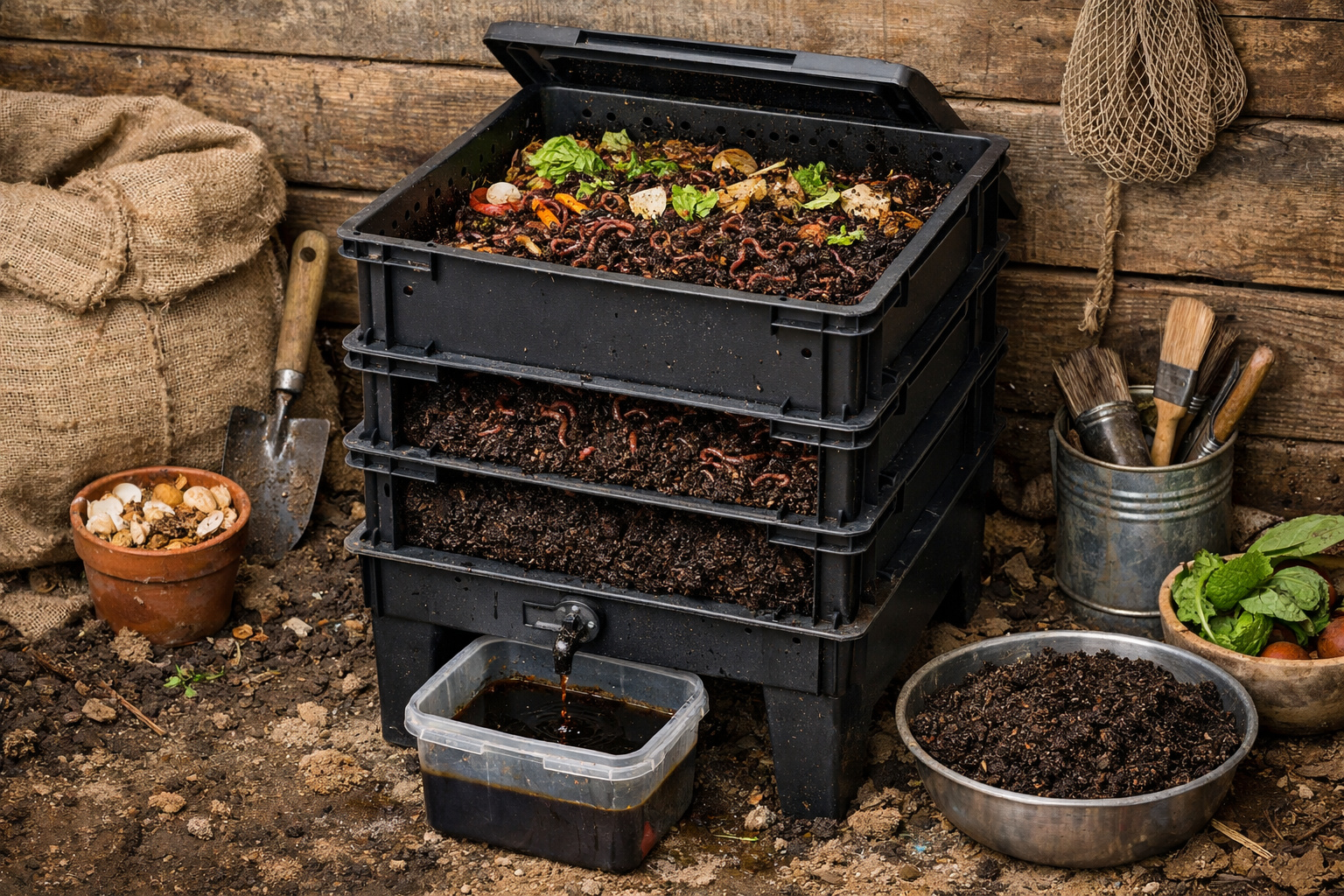
Simple kitchen and garden waste can replace expensive fertilizers, improve soil naturally, and create a sustainable system that works year-round without relying on stores
Every year it’s the same situation: you walk into a gardening store, look at the price of fertilizer, and wonder if you really need to spend money on that. The answer is yes — your garden needs nutrients. However, what few people realize is that they are throwing away exactly what could transform the earth into extremely fertile soil every day.
This information comes from traditional practices of organic agriculture and sustainable soil management, widely used by farmers and natural cultivation specialists.
Meanwhile, waste like fruit peels, coffee grounds, dry leaves, food scraps, and even ashes end up in the trash. However, all of these materials have enormous potential to nourish the soil — and at no cost.
-
With a water crisis on the radar, Sabesp invests in reclaimed water for data centers and transforms sewage treatment into a solution that saves millions of liters and protects public supply.

-
Foresea achieves 100% offshore waste reuse in 2025, eliminates landfill disposal, and consolidates sustainable strategy with 1,500 tons recycled.

-
With earth, bamboo, straw, and lime mortar, a specialist builds a house for just over $460 and draws attention for its cost being much lower than traditional construction.

-
Rodrigo de Freitas Lagoon advances in environmental recovery with sanitation, elimination of irregular sewage, and the resumption of water sports in Rio de Janeiro.


Moreover, natural systems like the famous black earth of the Amazon were formed precisely with simple organic matter, without the use of synthetic fertilizers. In other words, good fertilization doesn’t depend on buying, but on reusing.
Composting: the foundation of any natural fertilizer system
First of all, composting is the most important method for anyone who wants to produce free fertilizer at home. The logic is simple: you gather organic matter and let microorganisms do the work.
In this process, scraps of fruits, vegetables, dry leaves, and even unprinted cardboard are transformed into humus in approximately 2 to 3 months. This humus is considered one of the best natural fertilizers available.
However, there is a fundamental detail: the proportion. For each layer of wet material (like peels and food scraps), it is necessary to add an equivalent layer of dry material (leaves, sawdust, or cardboard).
Without this balance, the compost rots and generates a bad smell. With it, the system heats slightly and produces rich soil in just a few weeks.
You can set up a composter simply using:
- Plastic box with holes
- Wooden structure
- Or even a pile in the backyard
In other words, there is no need to buy anything.
Worm bin: more potent fertilizer and continuous production
In addition to composting, the worm bin elevates the level of your system. Using worms like the species Eisenia foetida, it is possible to produce humus with a nutrient concentration up to 10 times greater than regular compost.
This material is rich in:
- Nitrogen
- Phosphorus
- Potassium
- Calcium
- Magnesium
Additionally, the worm bin generates a liquid called leachate, which acts as a highly efficient liquid fertilizer.
To use, simply dilute:
1 part of leachate to 10 parts of water
And apply directly at the base of the plants.
The best part is that the system can be set up with:
- Styrofoam box
- Stacked plastic boxes
- Or market boxes
The worms cost between R$ 10 and R$ 20 and multiply on their own.
Liquid biofertilizer: fertilizer ready in just 10 days
On the other hand, if you want quick results, liquid biofertilizer is an excellent option.
The process is simple:
- Place fruit and vegetable scraps in a bucket with water
- Add molasses or rapadura
- Seal the container with a gas outlet
- Let it ferment for 10 days
During this period, a natural fermentation occurs that generates a liquid rich in nutrients and beneficial microorganisms.
After that, simply dilute:
1 part of biofertilizer to 20 parts of water
And apply to the soil.
Additionally, ingredients like banana peels (rich in potassium), comfrey leaves, and even manure can further enhance the results.
Ashes, mulch, and eggshells: simple and powerful solutions
Meanwhile, three other extremely efficient methods are often overlooked.
Wood ash, for example, is rich in potassium, calcium, and magnesium. Additionally, it helps correct soil acidity, functioning similarly to limestone.
The correct usage is simple:
About 2 tablespoons per square meter
However, it is important not to overdo it to avoid excess alkalinity.
Mulch consists of covering the soil with a layer of 5 to 10 cm of dry materials, such as leaves, straw, or cardboard.
The benefits are impressive:
- Reduction of up to 70% in watering needs
- Less weed growth
- Gradual release of nutrients
Finally, the eggshell, composed of more than 90% calcium carbonate, is an excellent soil corrector.
It can be used in two ways:
- Crushed directly into the soil
- Or boiled in water for 10 minutes, creating a liquid solution rich in calcium
This nutrient is essential, especially to prevent problems in plants like tomatoes and peppers.
How to set up a complete free fertilization system at home
In light of all this, it is possible to set up a completely sustainable system using less than 2 m² of space.
The process starts in the kitchen:
- Organic scraps go into a bucket
- Then they go to the composter or worm bin
In about two months, you will have humus ready for use.
Meanwhile:
- Leachate can be used as liquid fertilizer
- Ash corrects the soil
- Mulch protects and nourishes
- Eggshells complement with calcium
In other words, the system feeds itself and improves the soil with each cycle.
Have you ever stopped to think that the “trash” from your kitchen could be exactly what your garden needs?









Seja o primeiro a reagir!