





 Portuguese
  English
  Spanish
  2 min of reading



According to the Brazilian Truck Drivers Association, the road modal represents 61% of cargo transportation in Brazil
The road modal is the main and most important one in Brazilian territory. The CNT Yearbook of 2018 reveals that in the last three years there was a growth of nearly 3,000 kilometers considering all paved Brazilian roads. Currently, this number exceeds 200 million kilometers, which still seems insufficient to meet the demands in the different regions of Brazil.
See Also:
- 100 SCHOLARSHIPS; at the end of the course students can secure a job at major companies in Brazil
- Recruitment and selection offshore in Macaé to work on Petrobras platforms, today (04)
The quality of the highways is also an issue. The 22nd CNT Highway Survey revealed that about 57% of the analyzed Brazilian roads are in unsatisfactory condition, being classified as regular, poor, or very poor.
According to the Brazilian Truck Drivers Association, the road modal represents 61% of cargo transportation in Brazil. To fulfill all freight demands, there are more than 147,000 cargo transportation companies, 332 cooperatives, and 492,000 registered independent drivers.
-
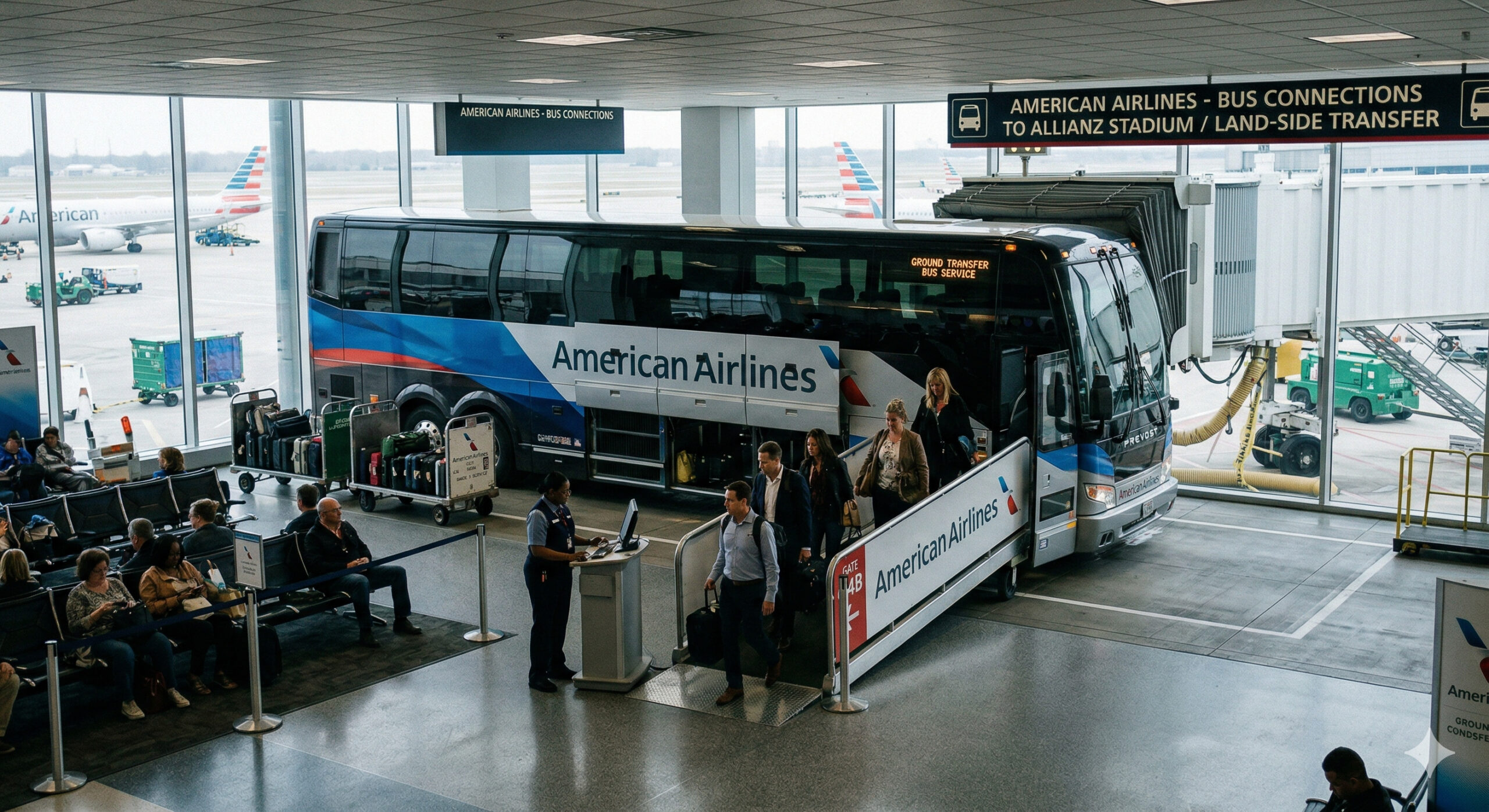
American Airlines starts selling trips as if they were flights, with check-in and baggage check at the airport, but on short routes, passengers board luxury buses connecting cities to major hubs in the U.S.
-
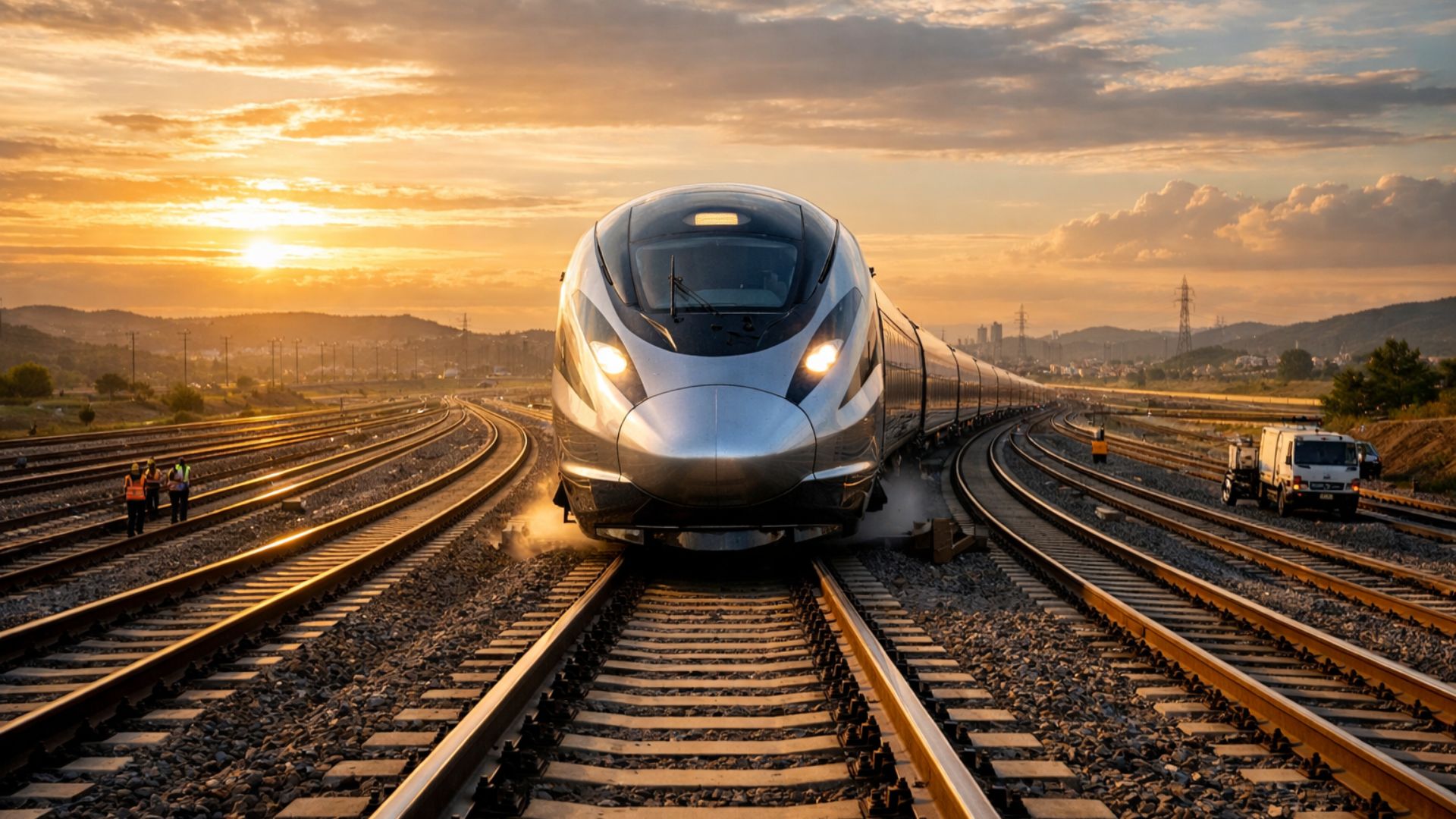
São Paulo surprises the world with a colossal railway network project that promises over 1,000 km of tracks, R$ 194 billion in investments, and 40 projects connecting the capital to the interior with fast and sustainable trains.
-
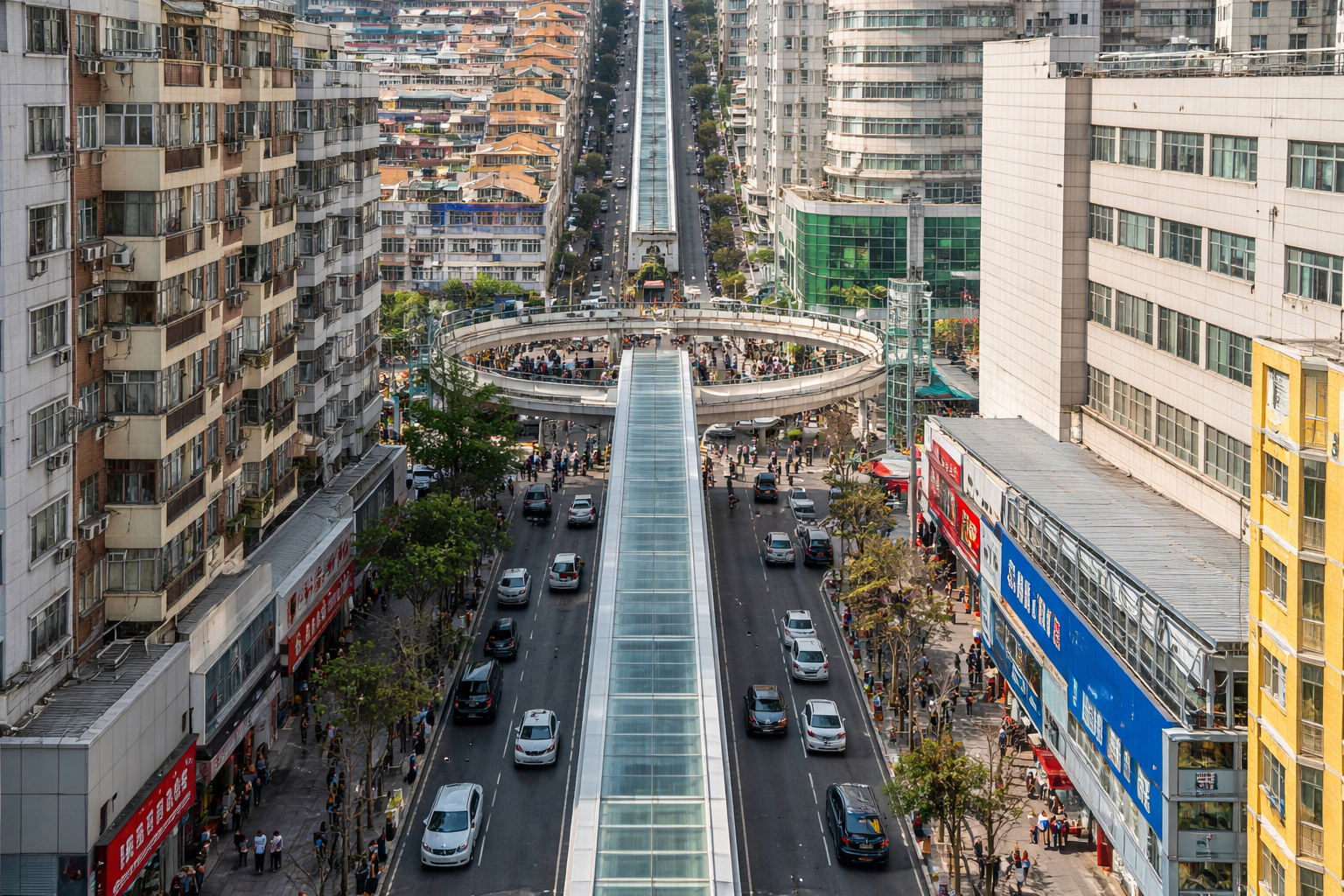
The world’s largest escalator, measuring 905 meters in China, reduces urban travel time from 1 hour to about 20 minutes and transforms mobility in mountainous regions with an engineering solution adapted to the terrain.
-
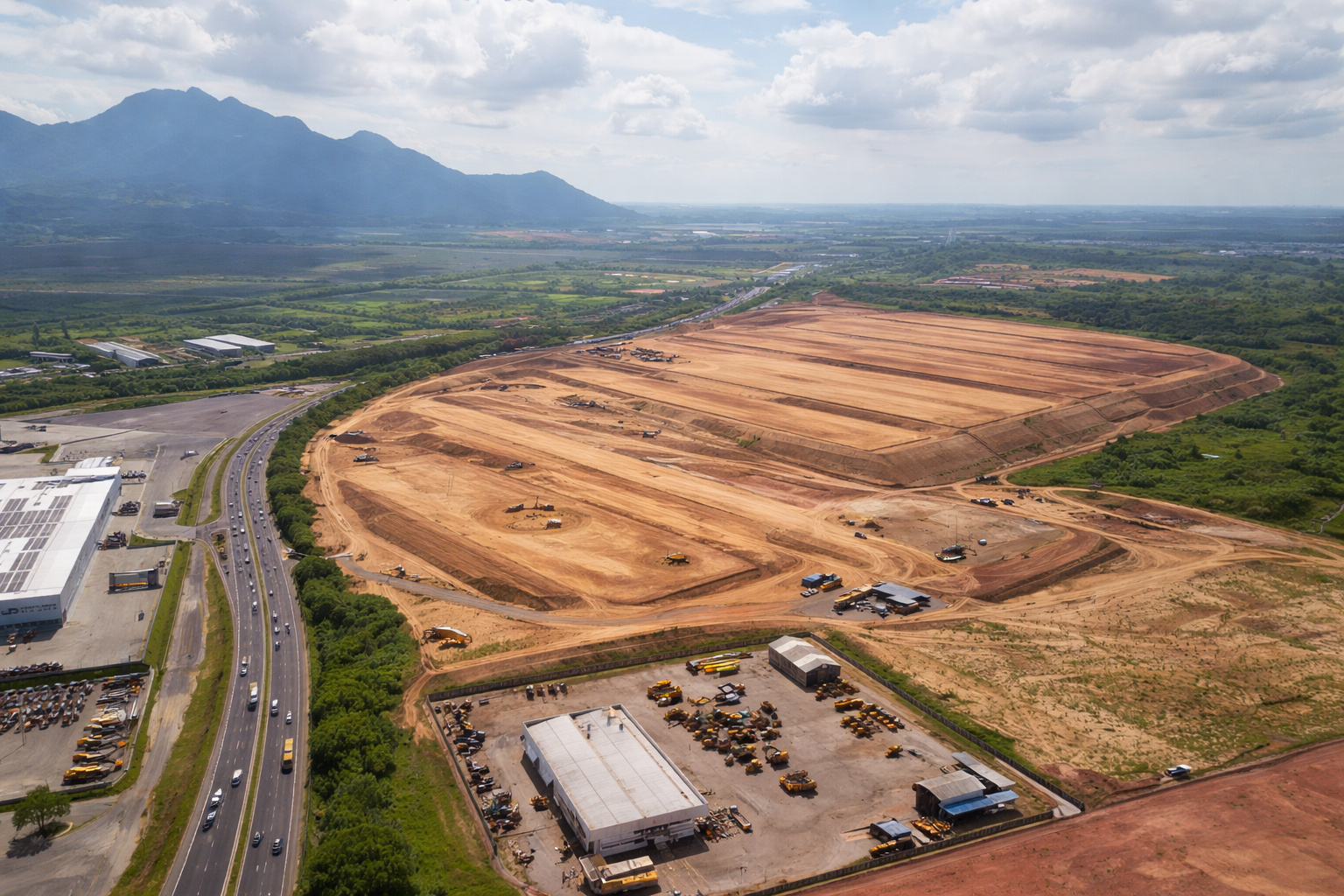
A R$ 300 million logistics giant is taking shape in Serra with over 100,000 m² and raises a question: how can this transform e-commerce and distribution in the state?
Despite the availability of vehicles, freight costs are extremely high in Brazil. This cost reaches 55% higher than in other countries, due to taxes, road quality, and other factors.
For comparison, road transport percentages in other continental countries:
- USA: 43%
- China: 35%
- Australia: 27%
- Canada: 19%
In 2019, Brazil moved 61% of its cargo via highways, considering the TKUs (ton-kilometer units) transported. In the same period, 21% of the cargo was transported by rail, 12% by cabotage, 4% by pipelines, 2% by waterways, and less than 1% by air transport.
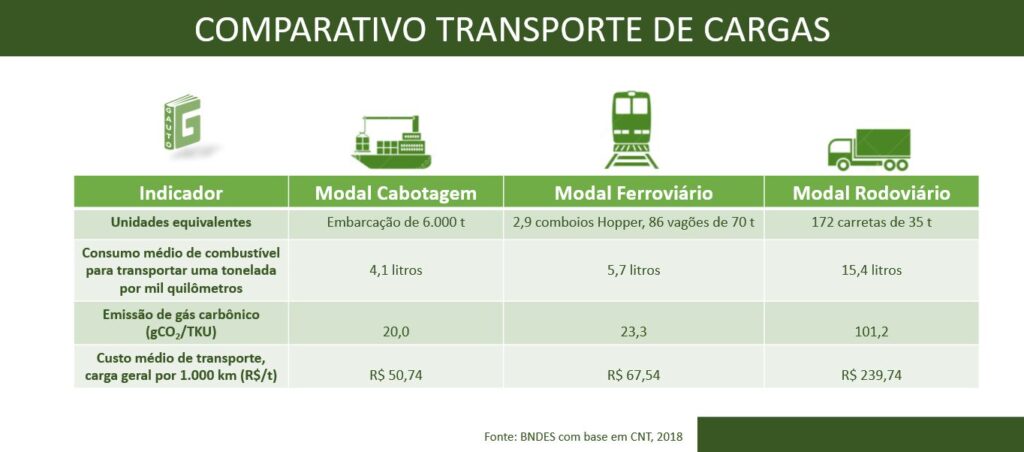
Image credits: Marcelo Gauto








-

Uma pessoa reagiu a isso.