





 Portuguese
  English
  Spanish
  4 min of reading
  0 comments



Have you noticed how, in a short time, automotive technologies that were once exclusive to more expensive models have begun to appear even in the entry-level versions of cars sold in Brazil? This democratization is transforming the driving experience, bringing drivers closer to features that offer more safety, comfort, and connectivity, without the need to spend a fortune.
Automotive Technologies Within Reach of More People
For a long time, driving a basic car meant giving up modern conveniences and features. However, brands have realized that Brazilian consumers are becoming more demanding, and technology has become a purchasing criterion as important as fuel consumption and design. This has resulted in items that were once luxurious now being included in the list of equipment for popular cars.
Multimedia Center with Connectivity
The first technology that is no longer exclusive to top models is the multimedia center. Today, even entry-level hatchbacks come with a touch screen, usually 7 to 8 inches, that allows connection with Android Auto and Apple CarPlay. This has completely changed the way drivers interact with their cars, as the smartphone integrates with the system, enabling the use of navigation, music, and messaging apps without hassle.
-
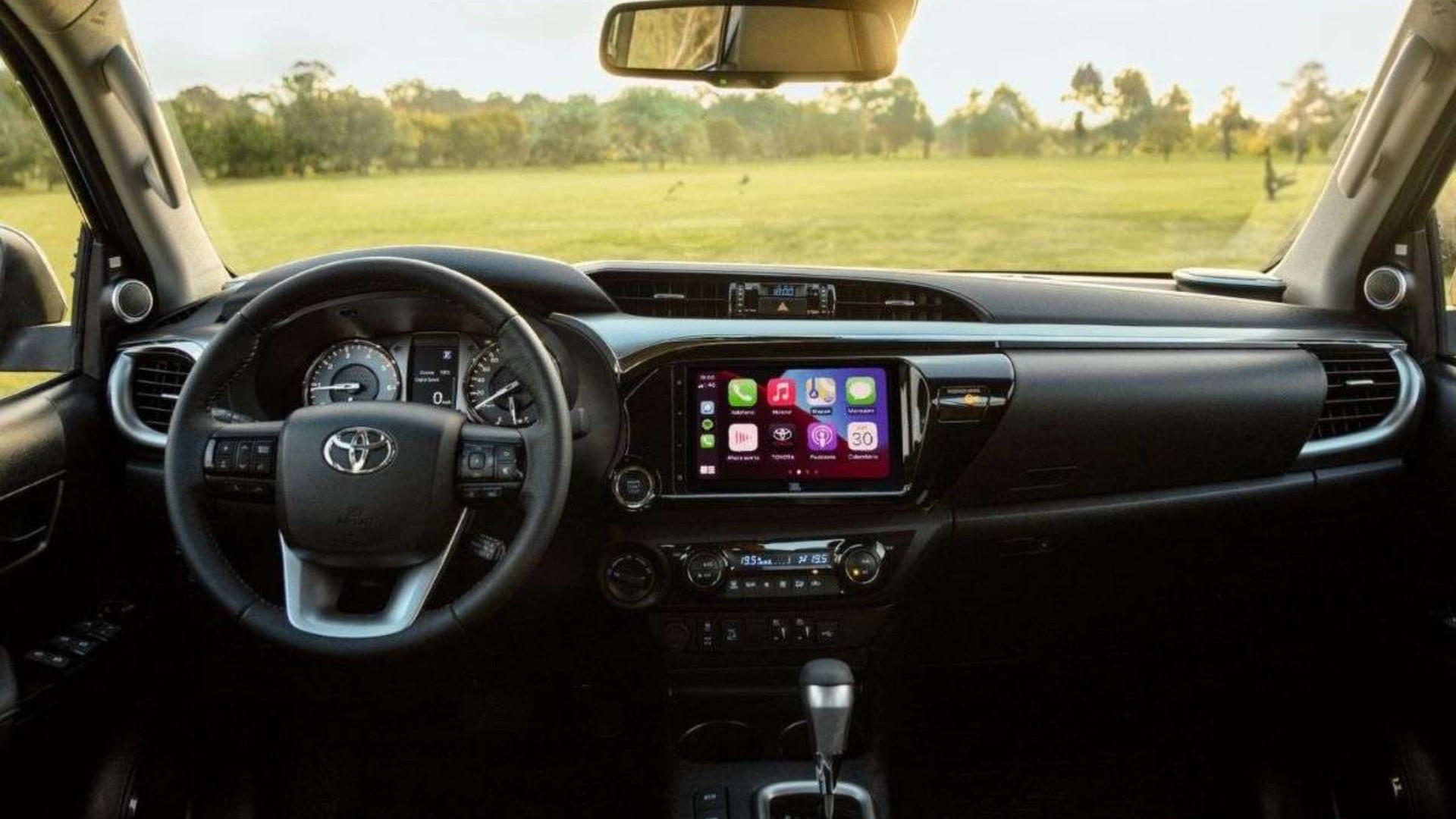
The Toyota Hilux is R$ 75.5 thousand cheaper and bets on the 2.8 turbodiesel engine with up to 204 hp and 50.9 kgfm to catch up with the VW Saveiro, which leads with 4,472 sales.
-
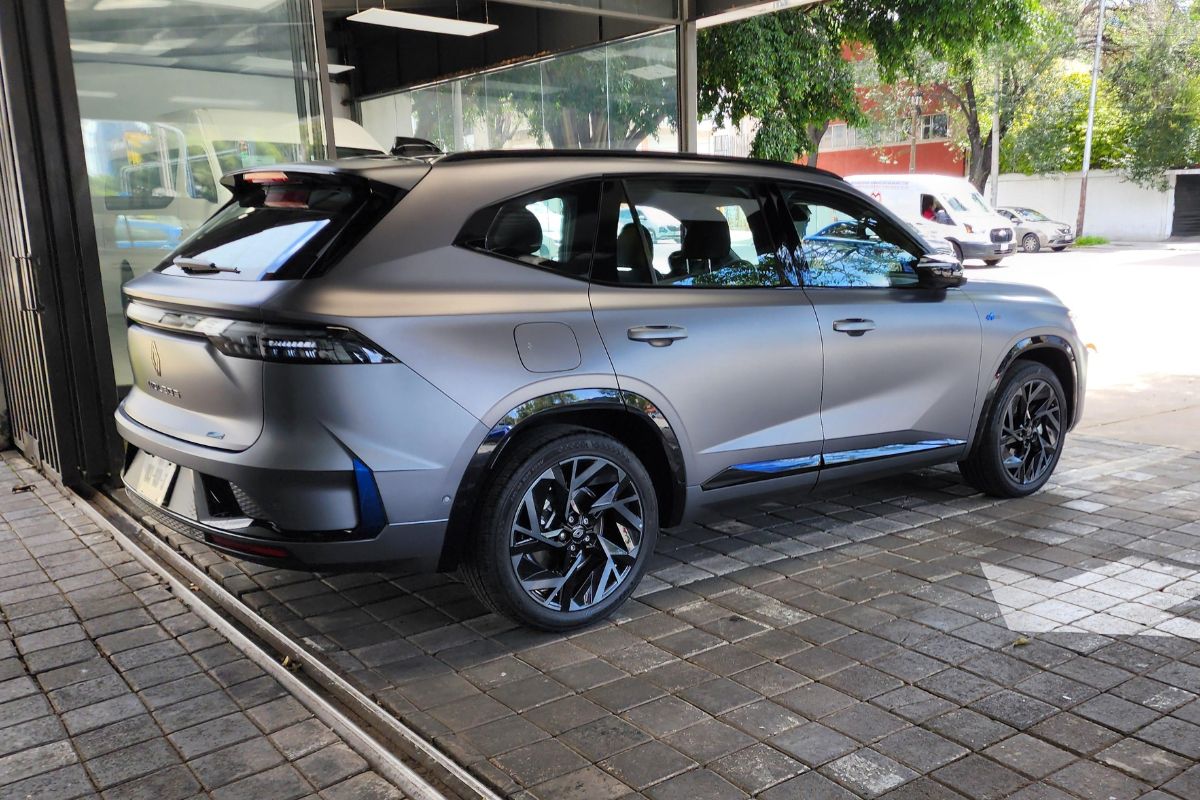
The new Renault Koleos has a screen exclusively for the passenger that is invisible to the driver, heated rear seats, and 29 assistance systems, but its Chinese competitors cost R$ 40,000 less and deliver more power.
-
The car stored for 38 years: when opening the barn door, what appears is breathtaking and looks like a scene from a movie!

-
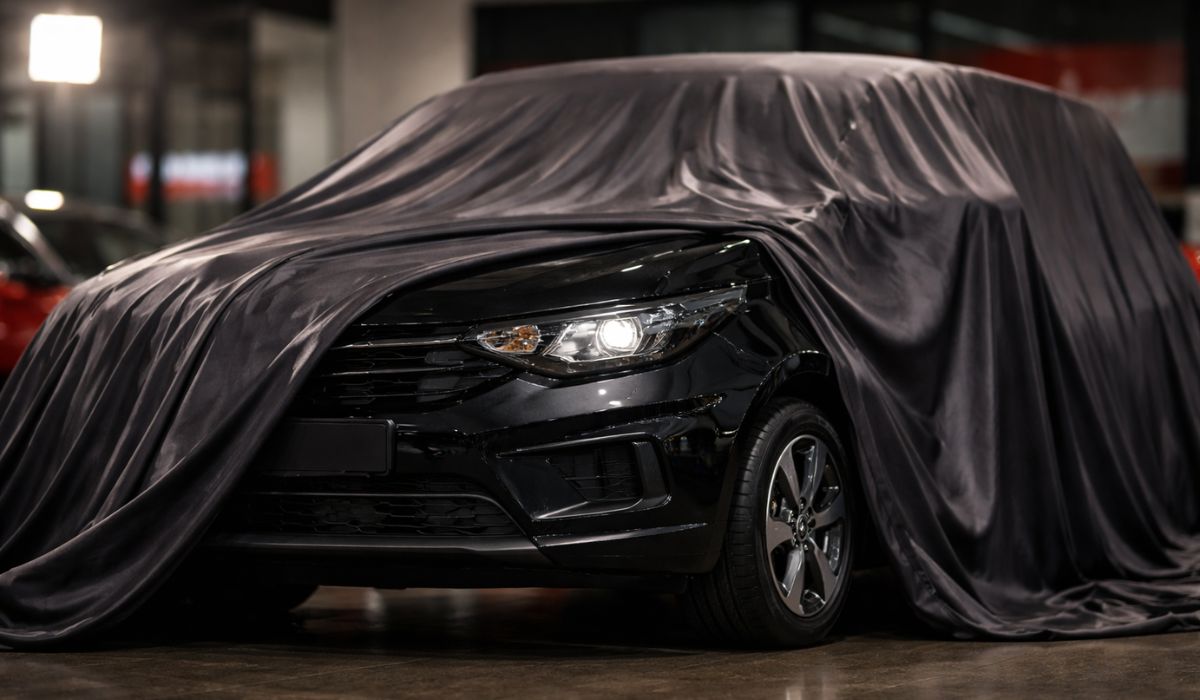
Fiat works miracles in the Brazilian market, lowers the price of its 0 km hatch to R$ 69,990, reestablishes the model as the cheapest car in the country, and reignites the battle against Kwid and C3.

Stability and Traction Controls
Another advancement that is becoming increasingly common in entry-level versions is the presence of electronic stability control (ESP) and traction control systems (TCS). These systems prevent skidding and help keep the car stable in curves or emergency situations. Although they were already mandatory in other countries, their adoption in Brazil has accelerated recently, making vehicles safer for all types of drivers.
Hill Start Assist
Anyone who has attempted to start on a slope knows how tense that moment can be, especially for beginner drivers. The hill start assist (HSA) was created precisely to eliminate this stress. Today, even entry-level compacts offer this feature, which holds the car for a few seconds until the driver accelerates, preventing the risk of rolling back and hitting the vehicle behind.
Progressive Electric Steering
Previously, entry-level cars came with hydraulic steering, which was heavier and required frequent maintenance. Now, progressive electric steering has gained traction. Besides being lighter for maneuvers, it adjusts to speed: it is soft at low speeds and firm at high speeds, enhancing control and comfort. The fuel economy is also a bonus, as there is no hydraulic pump drawing energy from the engine.
Rear Sensors and Camera
Another area where technology has transformed daily driving is in parking assistance systems. Today, even basic versions come equipped with rear parking sensors, and some models even include a factory-installed rear camera. This technology increases safety, reduces the risk of collisions in tight maneuvers, and shows that small details make a big difference in everyday life.
Digital Air Conditioning
Although air conditioning has become almost a mandatory item, digital air conditioning was considered a luxury until a few years ago. Now, even compact models offer versions with this type of system. In addition to improving temperature control accuracy, digital air conditioning adds a touch of sophistication to the dashboard and reinforces the perception that the car is more modern and comfortable.
Cruise Control and Speed Limiter
Finally, cruise control, also known as cruise control, is no longer exclusive to SUVs or midsize sedans. Today, entry-level hatchbacks already offer this function, usually along with a speed limiter. For those who travel frequently, this technology helps maintain a constant speed, save fuel, and reduce fatigue on long journeys.
The Impact of These Technologies on the Brazilian Market
The arrival of these automotive technologies in cheaper versions shows how the industry has had to adapt to the profile of Brazilian consumers. It is no longer enough to offer an economical and accessible car: it is essential to deliver added value. This movement also pressures brands to innovate constantly, as the public no longer accepts basic vehicles without features that enhance the driving experience.
An Even More Technological and Accessible Future
The most interesting thing is that this democratization is not expected to stop here. Semi-autonomous driving systems, automatic emergency braking, and even lane-keeping assistants are starting to appear in cheaper categories. The trend is that, in a few years, what seems like luxury today will become standard, just as it has happened with air conditioning and electric steering.
After all, technology in cars has ceased to be just a detail and has become an essential part of the choice for buyers. More and more, driving an entry-level model in Brazil means accessing a set of smart solutions that once seemed distant. It is proof that modernization is not just at the top of the line but in the everyday lives of those who hit the road or face urban traffic every day.








Seja o primeiro a reagir!