Portuguese
  Spanish



Discover How BaroMar’s CAES Technology Can Transform Energy Storage Worldwide More Cleanly and Sustainably!
According to olhardigital, the search for cheap and sustainable energy has just gained a powerful ally from the depths of the ocean. BaroMar, an innovative Israeli company, is about to test a revolutionary system that promises to change the landscape of energy storage on a large scale. This system, known as CAES, stands out for being a carbon-free solution that integrates seamlessly with green energy sources like solar and wind.
Thus, BaroMar, a pioneer in the field of cheap energy, is emerging as an innovative force in the green energy sector. With a progressive vision, the company stands out for developing energy solutions that promise to revolutionize energy storage. Moreover, BaroMar is committed to sustainability, seeking to surpass traditional methods and offer more accessible and efficient alternatives for a cleaner and renewable future.
The Principle of BaroMar’s CAES: Accessible and Ecological Energy Storage
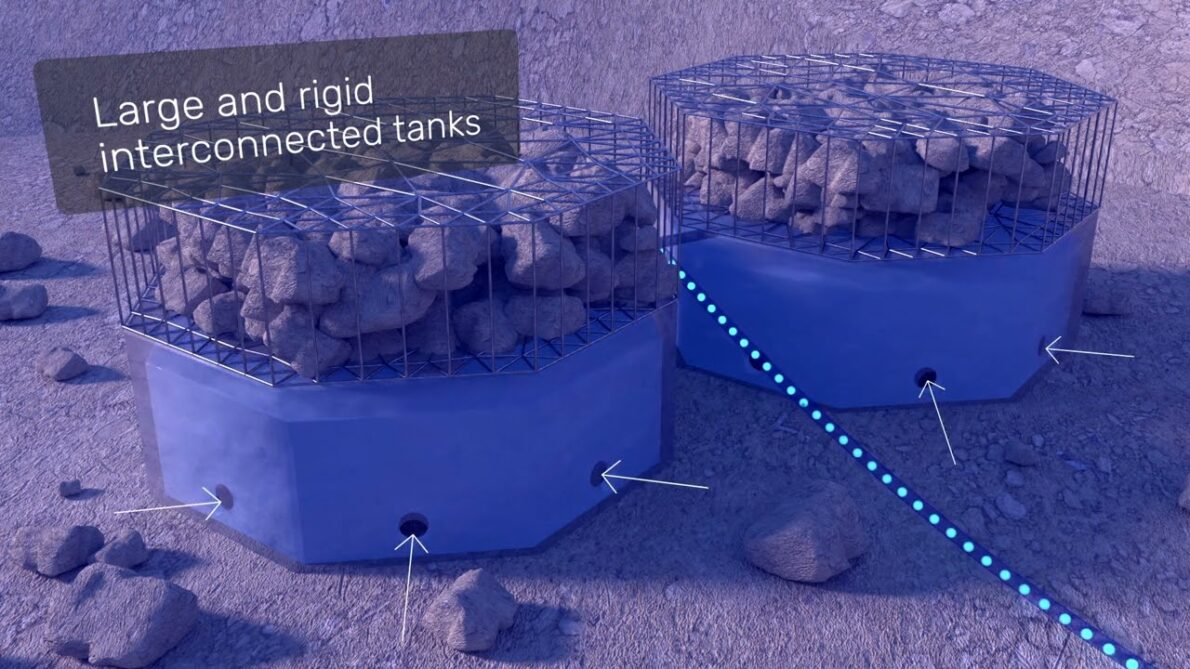
The CAES, or Compressed Air Energy Storage, is an innovative method that uses robust concrete and steel tanks anchored on the seabed between 200 to 700 meters deep. The secret of the system lies in its ability to store compressed air, utilizing the natural pressure of seawater to maintain the stability and safety of the tanks.
-
Brazilian scientists are simultaneously advancing two research projects on clean hydrogen and driving solutions that could transform the energy matrix, enhance industrial competitiveness, and accelerate large-scale emission reduction targets.

-
Advancement in renewable energy: A R$ 150 million project launched by Petrobras and Finep aims to create state-of-the-art electrolyzers for green hydrogen, strengthening national research and preparing Brazil to compete in a billion-dollar energy market.
-
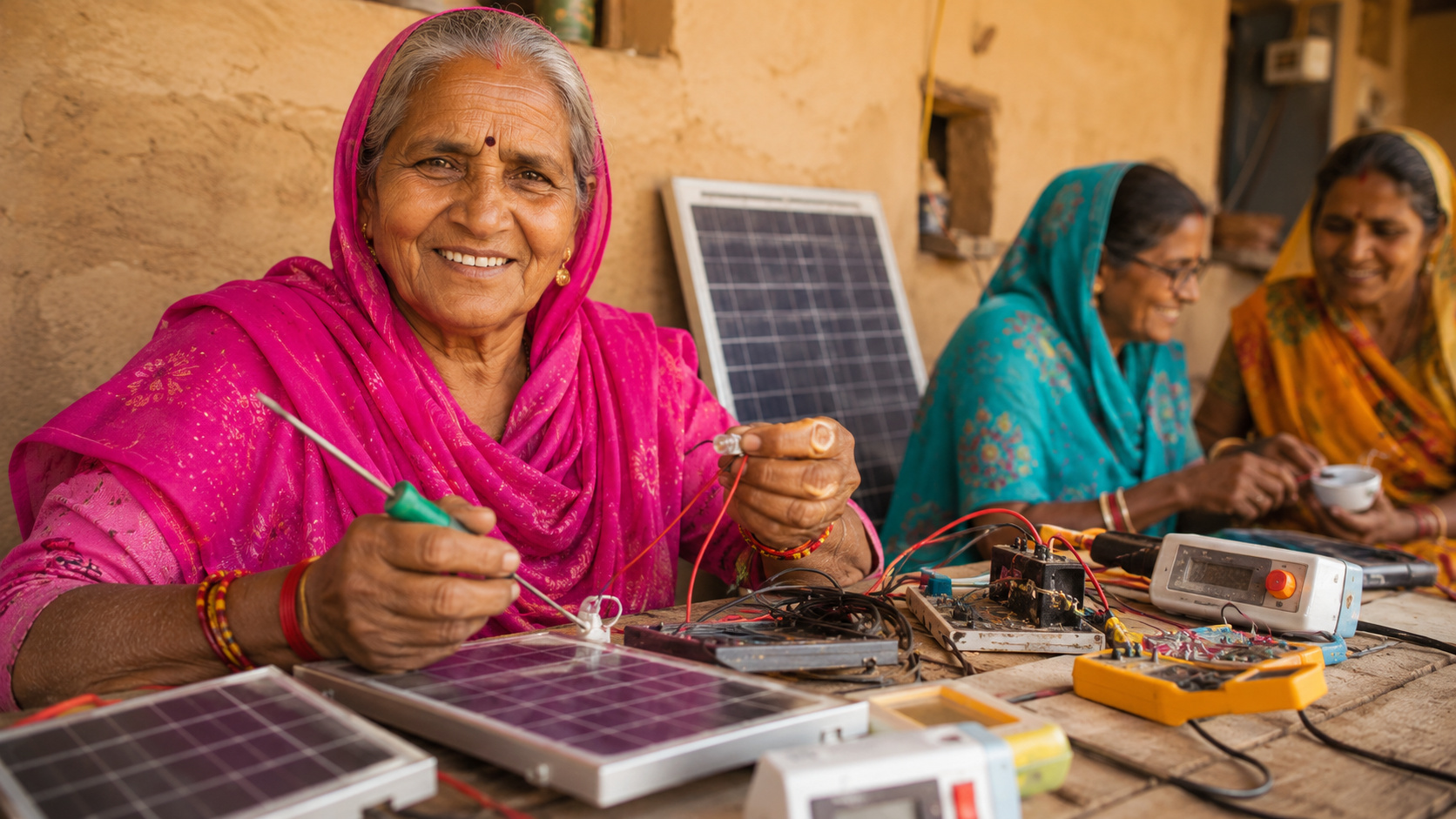
Illiterate or semi-literate grandmothers were trained to repair solar systems, open rural workshops, and light up homes that still depended on kerosene.
-
The world has bet on green hydrogen as the fuel of the future, but now faces the side effect: producing 1 kilogram requires about 9 liters of ultrapure water, and the largest projects on the planet are precisely in the driest regions of the Earth, where water is already scarce for people.


Operation and Efficiency
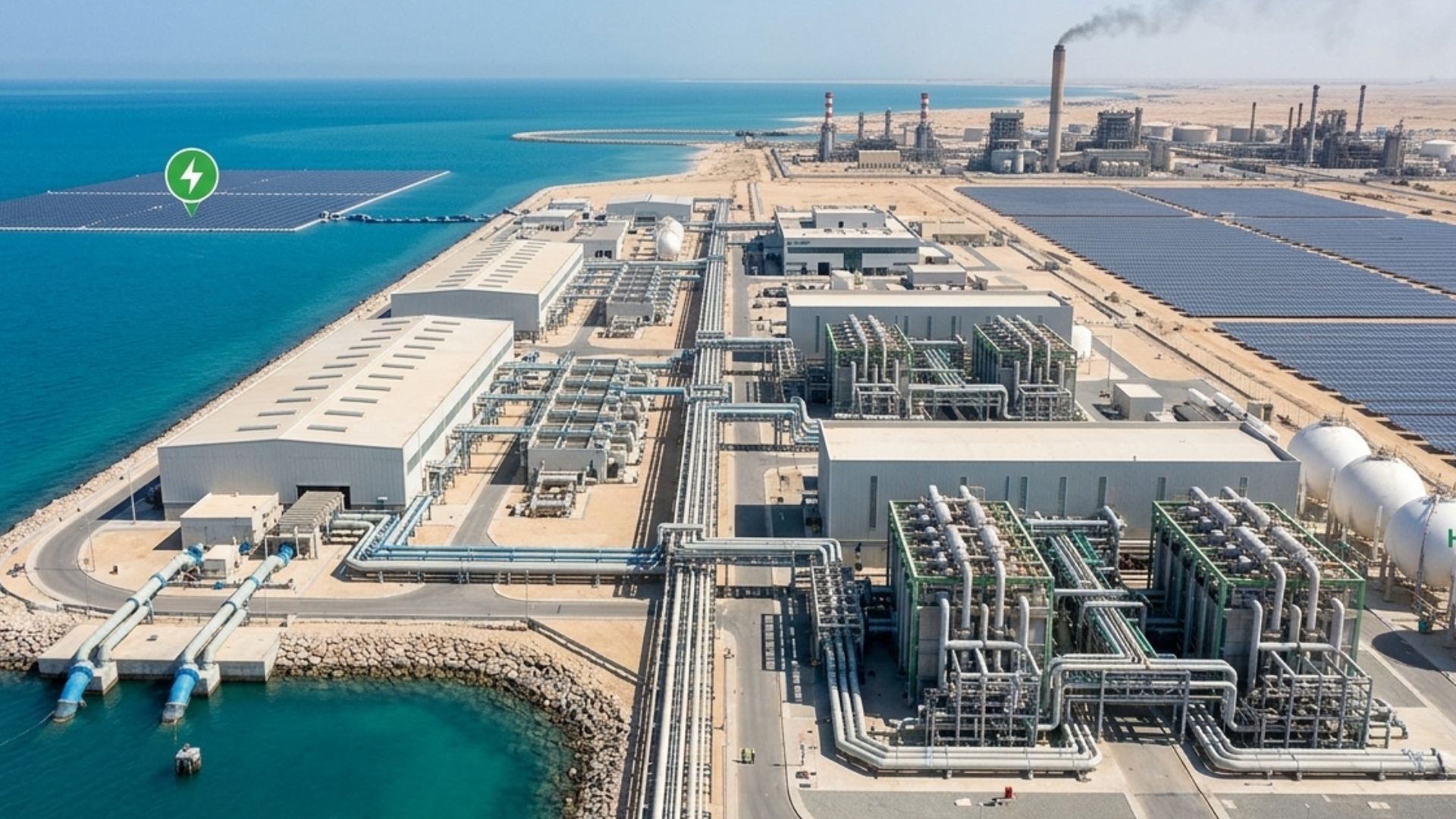
Initially, the tanks are filled with seawater. Therefore, compressors located on dry land pump air into the tanks, displacing the water and storing the air under high pressure. The beauty of this system lies in its simplicity: thus, the external hydrostatic pressure balances with the internal air pressure, allowing the tanks to be less robust and more cost-effective.
Energy Recovery and Sustainability
When it is necessary to recover energy, the compressed air is released, passing through a thermal recovery system and activating a turboexpander that, in turn, generates electricity. This process not only recovers energy but also restarts the cycle, preparing the system for a new round of storage. BaroMar emphasizes that its technology has the potential to outperform other forms of long-term energy storage in both cost and efficiency.
BaroMar: Challenges and Future Perspectives
Despite the promises, BaroMar faces challenges such as feasibility studies and obtaining permits for the installation of the tanks. However, the company is confident that its technology will not only be viable but will also provide a more accessible energy storage option.
In summary, BaroMar is at the forefront of a true energy revolution, where cheap and green energy is not just a dream but a tangible and promising reality. With the successful implementation of CAES, the future of sustainable energy is within reach, bringing hope for a cleaner and more sustainable planet.