Portuguese
  Spanish




Automotive Innovation: Alpine Leads With Hydrogen Turbo Engine
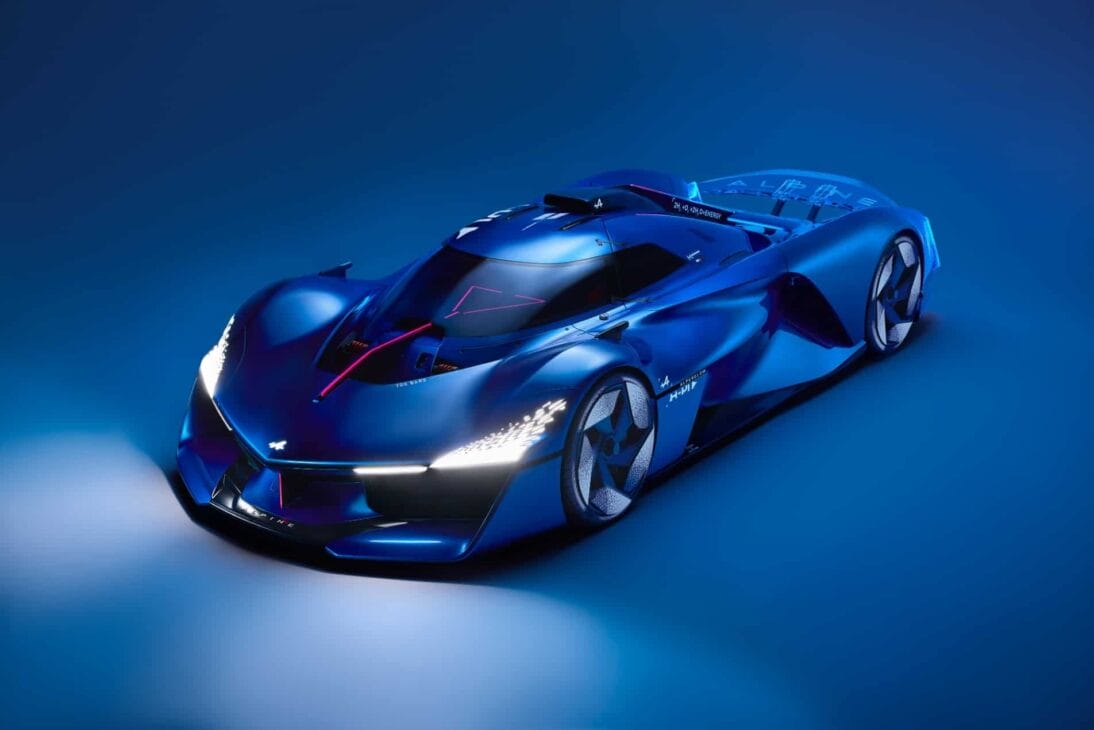
The automotive industry is at a technological crossroads, and Alpine is accelerating into the future with the launch of its latest sports prototype, the Alpenglow Hy4. This vehicle is not just a demonstration of strength and innovation, but also a symbol of commitment to sustainability. With a turbo engine powered by hydrogen, Alpine not only redefines performance but also points to a greener path at high speed, according to motor1.com
The Power of Hydrogen: Alpine Alpenglow Hy4 in Detail
The Alpenglow Hy4 is an evolution of Alpine’s previous concept, bringing to the track a 2.0 turbo engine that impresses with its 340 horsepower. Fueled by three hydrogen tanks at a pressure of 700 bar, this four-cylinder engine reaches up to 7,000 rpm, promising an experience of exhilarating driving. The sequential transmission ensures that all this power is transferred precisely to the wheels, preparing the Hy4 for its track debut.
Line Expansion: The Future with the V6 Engine
Alpine isn’t stopping there. A V6 engine is already in development, fully designed to optimize the use of hydrogen as fuel. This new engine promises to take performance to a new level and will serve as the basis for a future variant of the Alpenglow, possibly named Hy6, expected to be launched at the end of 2024.
-
Thinking of Installing LED Headlights? Why Replacing Halogen Bulbs is Still Banned, the Glare Risks Authorities Worry About, and How a New Proposal Could Allow Certified, Safe Installations

-
2027 Toyota Corolla Cross Unveiled: New Design, Enhanced Fuel Efficiency, Reduced Maintenance Costs, Advanced Technology, Connected Services, and Up to 10-Year Warranty

-
Fiat Cronos Precision 2018: Affordable Sedan with Spacious Trunk and Reliable Maintenance
-
Volkswagen to Cut Production by 1 Million Cars by 2030, Reducing Jobs and Platforms, Focusing on More Profitable Models





Design and Technology: Adjustments for High Performance
The design of the Hy4 has been meticulously adjusted to meet track requirements. With a redesigned crash structure to accommodate two seats and hydrogen tanks integrated into the side pods, it has also received a reworked aerodynamic package. These modifications not only enhance performance but also prepare the Hy4 for a future beyond the racetrack, indicating the potential of hydrogen combustion technology for street vehicles.
A Legacy of Innovation: Hydrogen in Automotive History
The idea of a hydrogen-powered combustion engine is not new. BMW explored this possibility with the V-12 Series 7 in 2005 and even with a Series 5 (E12) in the 1970s. However, Alpine takes this vision forward, proposing that hydrogen combustion is not just feasible but a promising solution for the future.
Therefore, with this approach, Alpine positions itself at the forefront of automotive innovation, offering a powerful and eco-friendly alternative to fossil fuels. The Hy4 is more than just a car; it is a manifesto that performance and sustainability can, indeed, go hand in hand.