





 Portuguese
  English
  Spanish
  3 min of reading
  2 comments


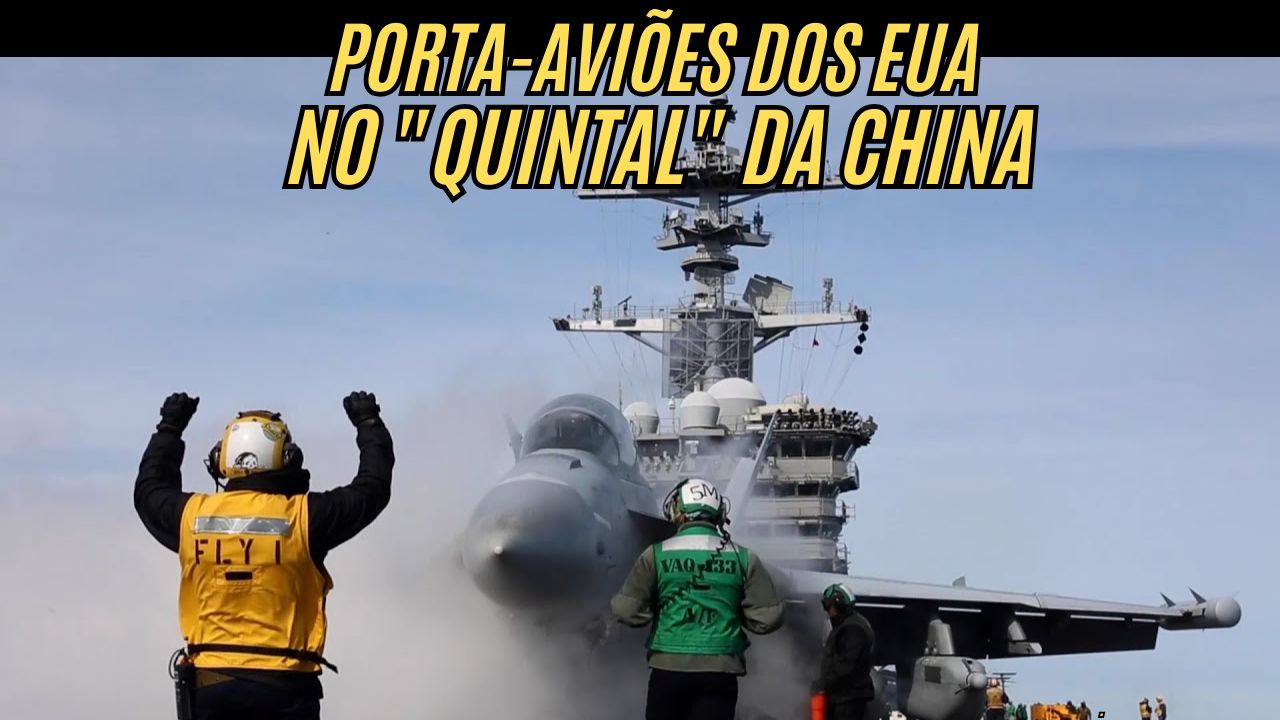


USS Abraham Lincoln, A U.S. Navy Aircraft Carrier, Makes History By Visiting Port Klang After More Than A Decade, Reinforcing Partnerships In The Region And Drawing Attention From China.
The U.S. Navy aircraft carrier USS Abraham Lincoln (CVN-72) docked in Port Klang, Malaysia, marking the first visit of a vessel of this kind to the country since 2012. The arrival not only strengthens ties between the United States and Malaysia, but also sends a clear message to the region, including China, about the U.S. strategic presence in Southeast Asia.
The historic visit, the second scheduled stop of the aircraft carrier on its 2024 mission, was celebrated by the U.S. Ambassador to Malaysia, Edgard D. Kagan. “This port call reaffirms Malaysia’s importance to the United States. It highlights our commitment to regional stability and Malaysia’s sovereignty,” Kagan stated. With more than 4,200 sailors and Marines on board, the presence of the U.S. Navy aircraft carrier also promises to enhance cultural and economic relations between the countries.
A Move With Strategic Messages

The visit of the USS Abraham Lincoln is not just a diplomatic event but also a geopolitical statement. In 2012, when the USS George Washington docked at the same port, the event was seen as a way to remind China of U.S. influence in the region, especially near the disputed Spratly Islands.
-
Maritime geopolitics: China and the USA compete for strategic ports in Peru.
-
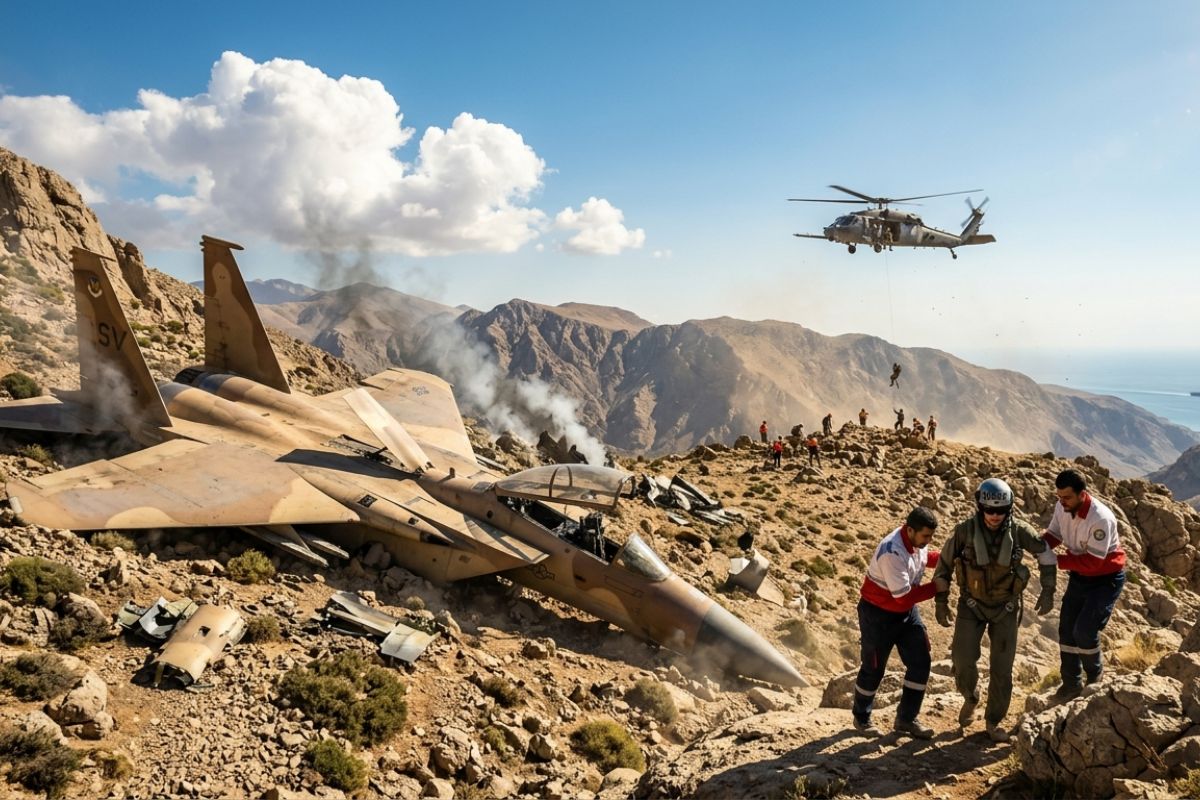
Iran shoots down two US aircraft: F-15 fighter crashes in mountainous area, one crew member is rescued and another is still missing; second crash in the Persian Gulf exposes still active air defense, says US intelligence.
-
USA and China compete for Brazil over resources that could be worth trillions — rare earths put the country at the center of a global dispute

-
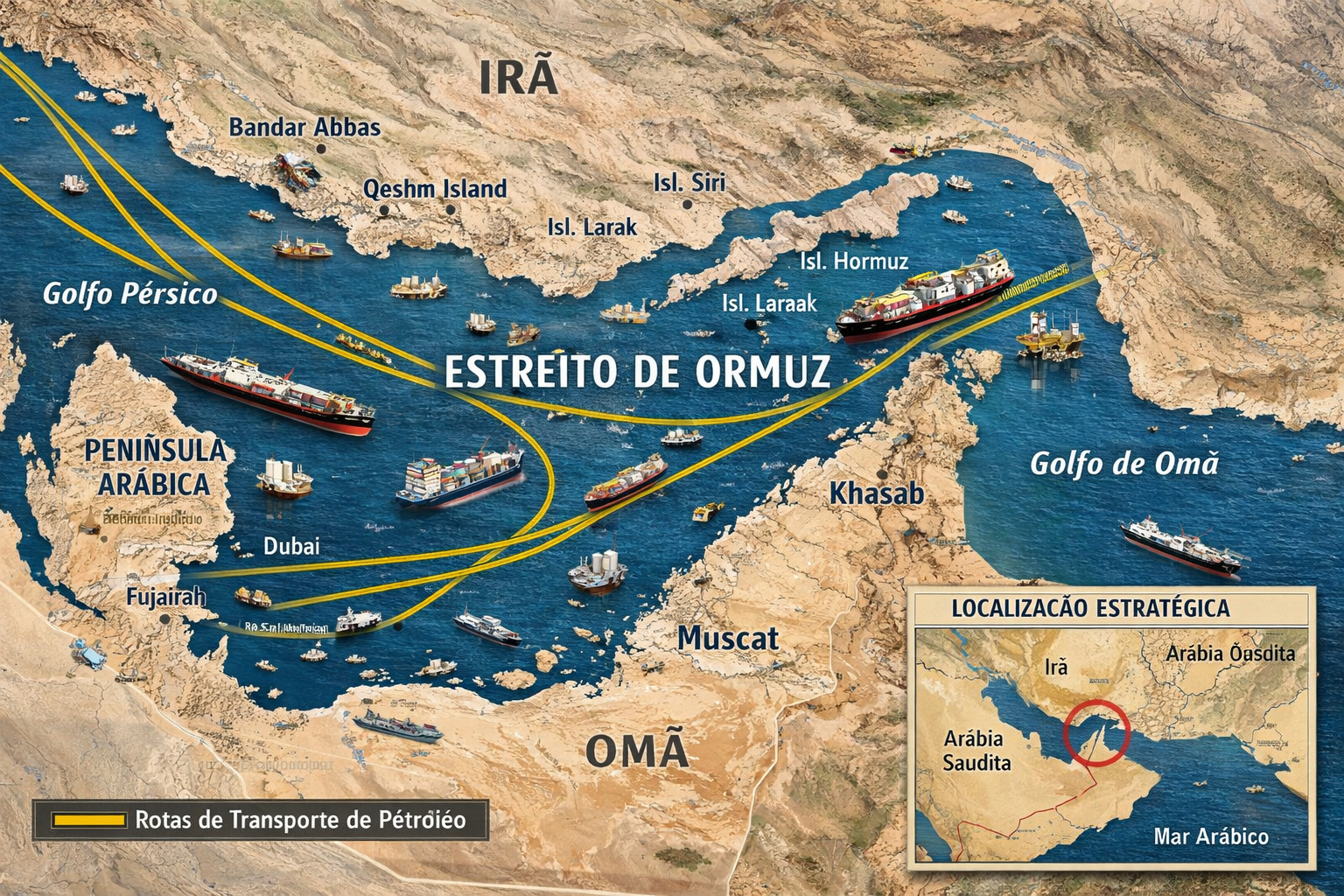
Global summit with over 40 countries pressures Iran for a blockade in the Strait of Hormuz and warns of direct impact on oil, food, and the global economy.

Now, more than a decade later, the presence of another U.S. Navy aircraft carrier reignites that symbolism, even after a history of tensions and scandals involving operations at the Port Klang Cruise Terminal.
The terminal, previously operated by Glenn Defense Marine Asia, was the scene of one of the largest corruption scandals in U.S. Navy history, led by Leonard “Fat Leonard” Francis. Despite the troubled past, the choice of this location this time reflects an attempt to overcome the stigma and rebuild trust between the two countries.
Regional Pressures And Strategic Response
Although the aircraft carrier docked in Malaysia, reports suggest that Changi Naval Base in Singapore was initially the preference. However, logistical challenges forced a change of plans, resulting in the stop at Port Klang. This detour may, by chance, have an even greater impact, symbolizing a rapprochement with Malaysia while simultaneously reaffirming U.S. commitment to security in China’s backyard.
Defense sources indicated that the strategic move also helps to dissipate the remnants of the corruption scandal at the port terminal and strengthens the narrative that the U.S. continues to invest in regional stability while keeping China under watch.
Powerful And Complex Presence
Bringing a 97,000-ton vessel like the USS Abraham Lincoln for a port call requires more than just logistical planning. It is a symbolic act that projects military and political power, especially at a time when Asia remains a stage for global tensions. By docking in Southeast Asia, the U.S. Navy aircraft carrier reinforces alliances and sends a clear message: the United States is ready to defend its interests in China’s backyard without hesitation.





A ganância humana não permite a possibilidade de paz, a não ser a paz dos cemitérios. A china, por exemplo, quer a todo custo dominar o mundo. O fim disso todo o mundo já sabe.
Seria interessante uma política de consenso entre os países do planeta para buscar uma liderança internacional entre as potenciais por tempo determinado, e assim , vencido o tempo realiza-se novo consenso!! Com certeza ,todos lugrariam sem guerras .