





 Portuguese
  English
  Spanish
  6 min of reading
  0 comments


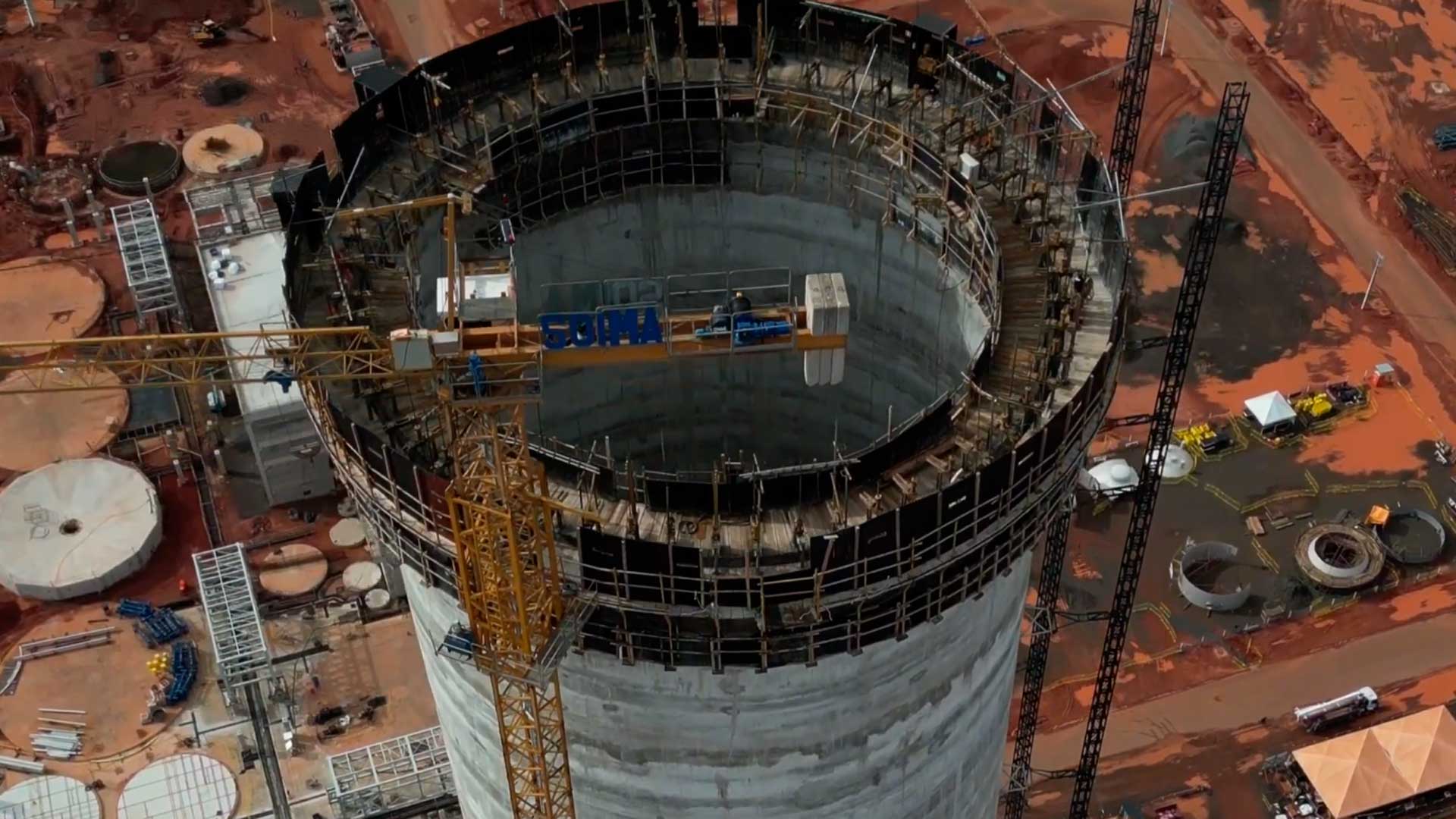
Concrete Tower Centralizes Treated Gas Discharge and Symbolizes the Billion-Dollar Project That Promises to Transform Eastern MS with Export and Environmental Debate
Arauco is erecting a 160-meter chimney in the rural area of Inocência, Mato Grosso do Sul, as one of the most visible landmarks of the Sucuriú Project. The structure, compared to a building about 40 stories tall, was designed to safely release treated industrial gases, meeting environmental and operational requirements.
According to the Brazilian Tree Industry, the project involves US$ 4.6 billion and a plant with an estimated capacity of 3.5 million tons per year of short-fiber cellulose, located near the Sucuriú River. The sector emphasizes that the project is tied to plans for continuous environmental monitoring, including water, emissions, and wildlife.
The project has also been presented to the market and public authorities at different stages, with values and capacities appearing differently in documents and communications over time. A statement from the state government informs that the company’s board approved a total investment of US$ 4.6 billion, a figure that began to be repeated in reports and sector materials.
-
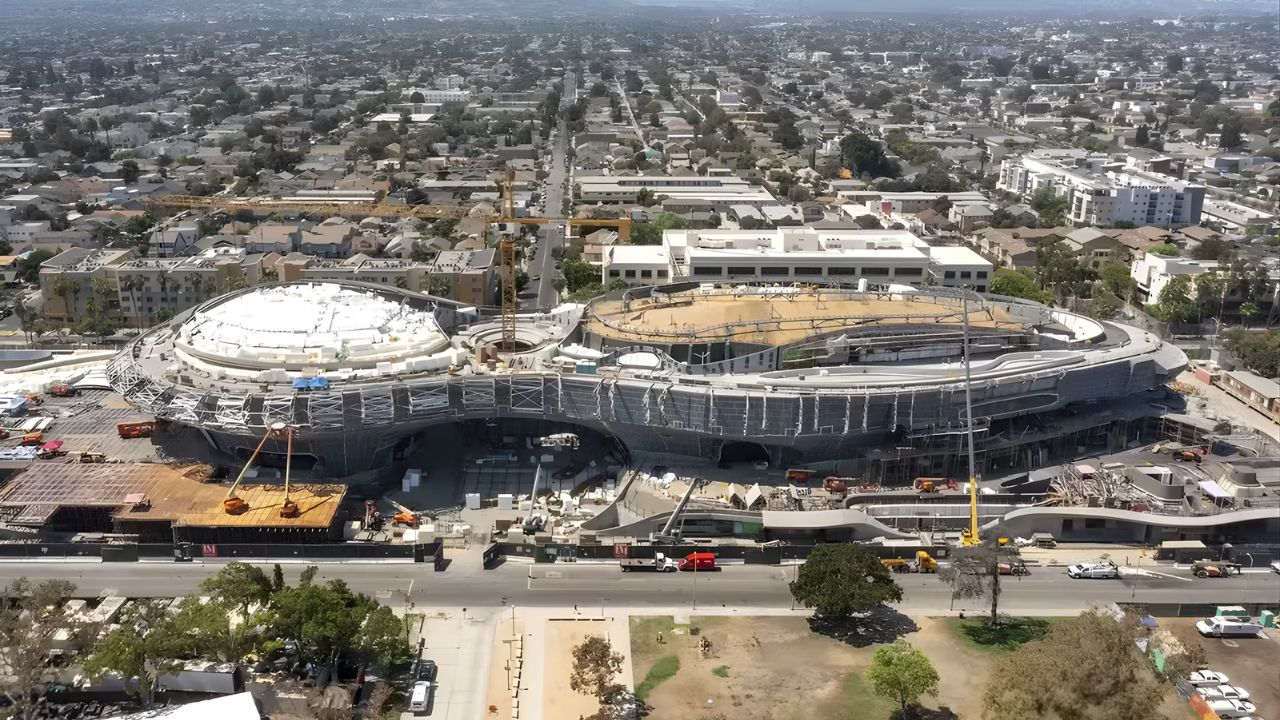
Created by George Lucas with over $1 billion, a futuristic museum in the shape of a spaceship with 1,500 curved panels is about to open in Los Angeles and will house one of the largest private collections of narrative art in the world.
-
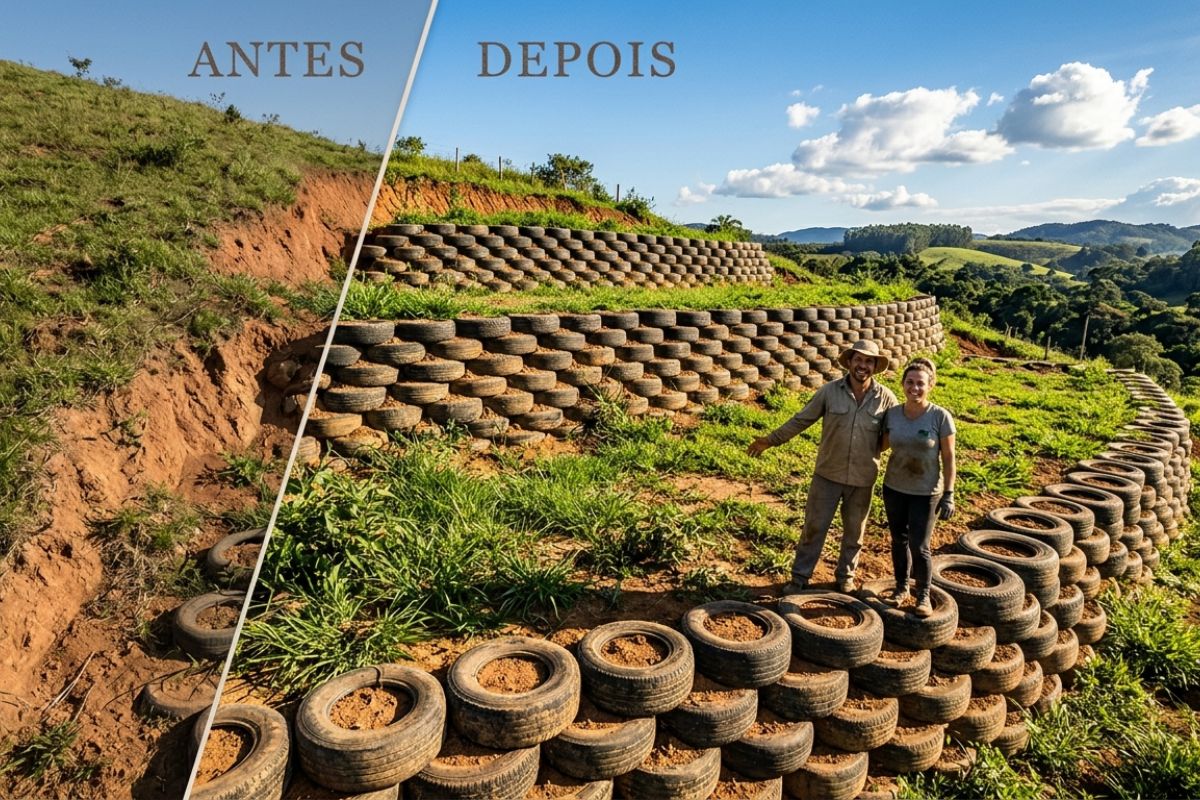
Couple shows how they built a retaining wall on their property using 400 old tires: sloped land turned into plateaus, tires are aligned, filled, and compacted with layers of soil, with grass helping in support and at almost zero cost.
-
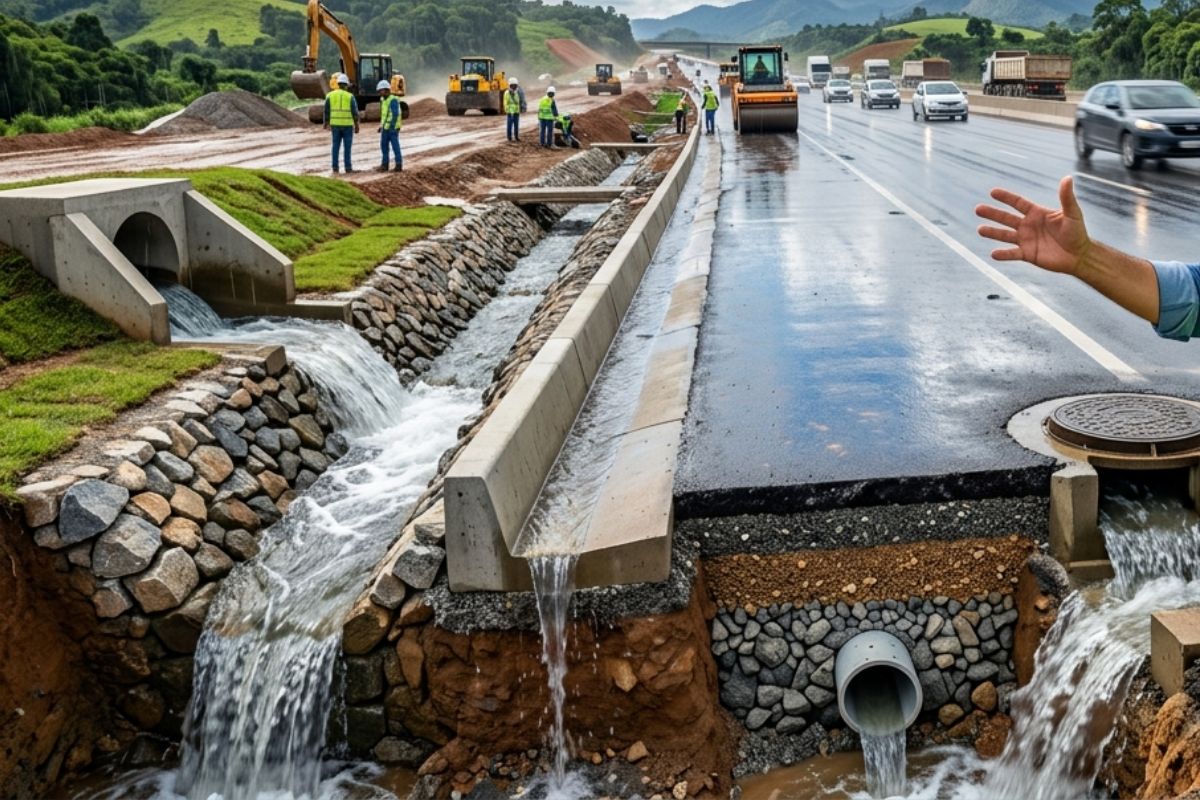
Engineer explains drainage during the rainy season: the difference between surface water and deep water, ditches, gutters, and water outlets on the road, as well as drains and drainage mattresses, to prevent erosion, aquaplaning, and flooding at the construction site today.
-
With 55 floors, 177 meters in height, a 15-meter walkway between the twin towers, ventilated facade, and 6,300 m² of leisure space, Ápice Towers already has one tower completed and another nearly at the top.
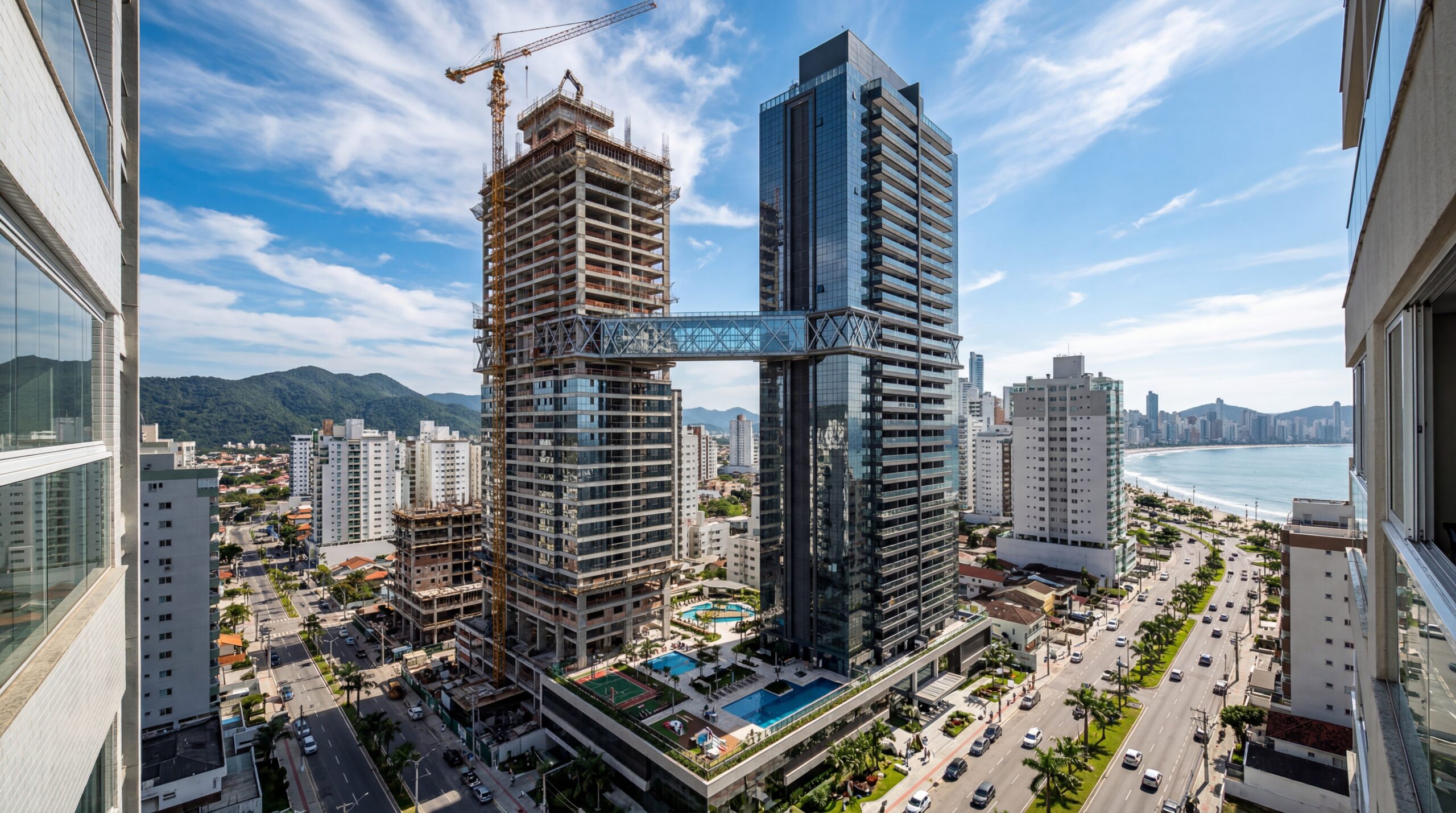
On the construction site, the chimney has become a symbol of the physical progress of the works, while the region tries to balance expectations of jobs and infrastructure with concerns about water and environmental pressure. The debate gained momentum when estimates of water consumption began to circulate alongside promises to return a large portion of the water after treatment.
Why the 160-Meter Chimney Became a Landmark of the Megaproject for Cellulose in Inocência
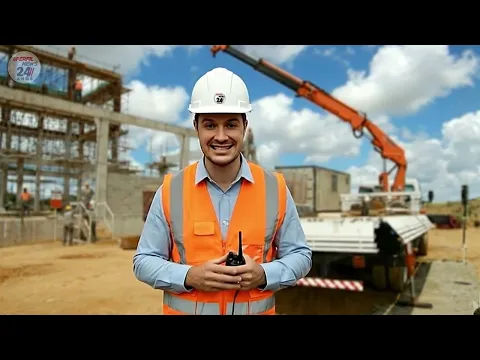

According to Campo Grande News, the tower is located at the edge of MS-377 and can be seen from long distances, transforming it into an involuntary “beacon” for the project. The distance from the urban area and the scale of the structure help explain why it attracts so much attention in a small town.
The technical logic, however, is less aesthetic and more regulatory. Instead of simply “throwing smoke” away, the idea is to release already treated gases at an appropriate height for atmospheric dispersion, reducing concentration near the ground and helping to meet environmental standards.
Reinforced Concrete, Slip Form, and Internal Ducts Explain How the Tower Works
The choice of material was regarded as a critical engineering point. According to Campo Grande News, the chimney was designed as a reinforced concrete tower because metal structures would not remain stable on their own at that height.
The foundation also needed to be sized for weight and wind action, with continuous pouring in a single stage. The report cites the use of about 100 cubic meters of concrete over approximately nine hours, with thermal control to maintain quality and avoid structural problems.
In raising the body of the tower, the slip form technique was adopted, allowing continuous construction, day and night, until reaching the final height. Throughout the shaft, technical openings were planned to accommodate the installation of internal ducts and maintenance routines.
Inside, metal rings support three smaller ducts that conduct gases from different sectors to a single outlet. The design integrates flows coming from the recovery boiler, the power boiler, and the caustification process, concentrating the release at a point with more standardized control.
This integration relates to what appears in environmental documents, which describe control and monitoring systems for emissions and effluents. In the RIMA available from Imasul, there is mention of highly efficient effluent treatment and the discharge of treated effluents into the river with diffusers for adequate dispersion, as well as references to best available techniques to reduce and monitor impacts.
Investment, Jobs, and What the Licensing Documents Say
In the RIMA data, the projected investment appears to be around R$ 28.3 billion, with a maximum expectation of 12,000 jobs at the peak of construction and 1,070 positions in the operational phase, totaling both direct and indirect jobs. These numbers help explain the “construction city” effect that often accompanies industrial projects of this scale.
A note from Semadesc regarding the installation license previously referenced a capacity of 2.5 million tons per year and indicated that the operating license would depend on inspections and compliance with conditions, with a projection for issuance in 2028. The difference in capacity compared to more recent disclosures is viewed in the sector as a reflection of stages and updates to the project during the licensing and planning process.
In institutional materials from the project itself, the company claims it intends to generate more than 14,000 opportunities during construction and maintain about 6,000 people combining industrial, forestry, and logistics areas after the operation starts. The promise of economic linkage is used as an argument to attract suppliers, training courses, and services to the region.
Export Requires Railway to Ferronorte and a System of Wagons
The logistical design mentioned in reports and disclosures involves a 47-kilometer rail spur connecting the factory to the Ferronorte network, allowing the cellulose to be transported to the Port of Santos. This topic is central because production is predominantly export-oriented and depends on efficient transportation to maintain competitiveness.
In early 2026, Correio do Estado reported a contract valued at R$ 770 million for the purchase of about 750 wagons from Randoncorp, with deliveries scheduled over 19 months between 2026 and 2027. The same report mentions that the railway strategy includes additional investments and that the license would theoretically allow for even higher production levels, reinforcing the scale of the logistical challenge.
Environment, Water from the Sucuriú River, and the Debate Surrounding the Progress of the Works
From an environmental standpoint, the Brazilian Tree Industry describes actions for monitoring fauna and flora, mapping priority areas, and plans for controlling dust, noise, and air and water quality during construction. The sector’s narrative is that the factory was designed to operate with efficiency and mitigation, with environmental programs associated with licensing.
The same source states that about 90 percent of the water withdrawn should be returned to the river after treatment, in addition to the reuse of rainwater in stages of the project. This point is often presented as a direct response to the concern about water pressure, especially during dry periods.
At the same time, local reports have begun to highlight consumption estimates that impress the public. The site A Crítica de Campo Grande cited a projection of 250 million liters per day, comparing it with volumes distributed in the capital by a utility like Águas Guariroba, and recorded concern from environmentalists even in light of the promise of return after treatment.
In parallel, suppliers and executives reinforce environmental performance goals as part of the project’s reputation. In an article from Valmet, the company describes Sucuriú as the largest single-phase cellulose factory project in the world and notes statements about low water consumption, low emissions, renewable generation exceeding 400 MW, and selling surplus to the grid, aligned with the National Interconnected System.
In the end, the question remains that divides opinions in the region and beyond: Does the socioeconomic balance compensate for the pressure on water, logistics, and the landscape of the Cerrado? Do you think the project is being conducted with sufficient transparency and adequate compensation for the impact? Leave your comment and state where you stand in this debate.









-

-

-

8 pessoas reagiram a isso.