





 Portuguese
  English
  Spanish
  6 min of reading
  0 comments


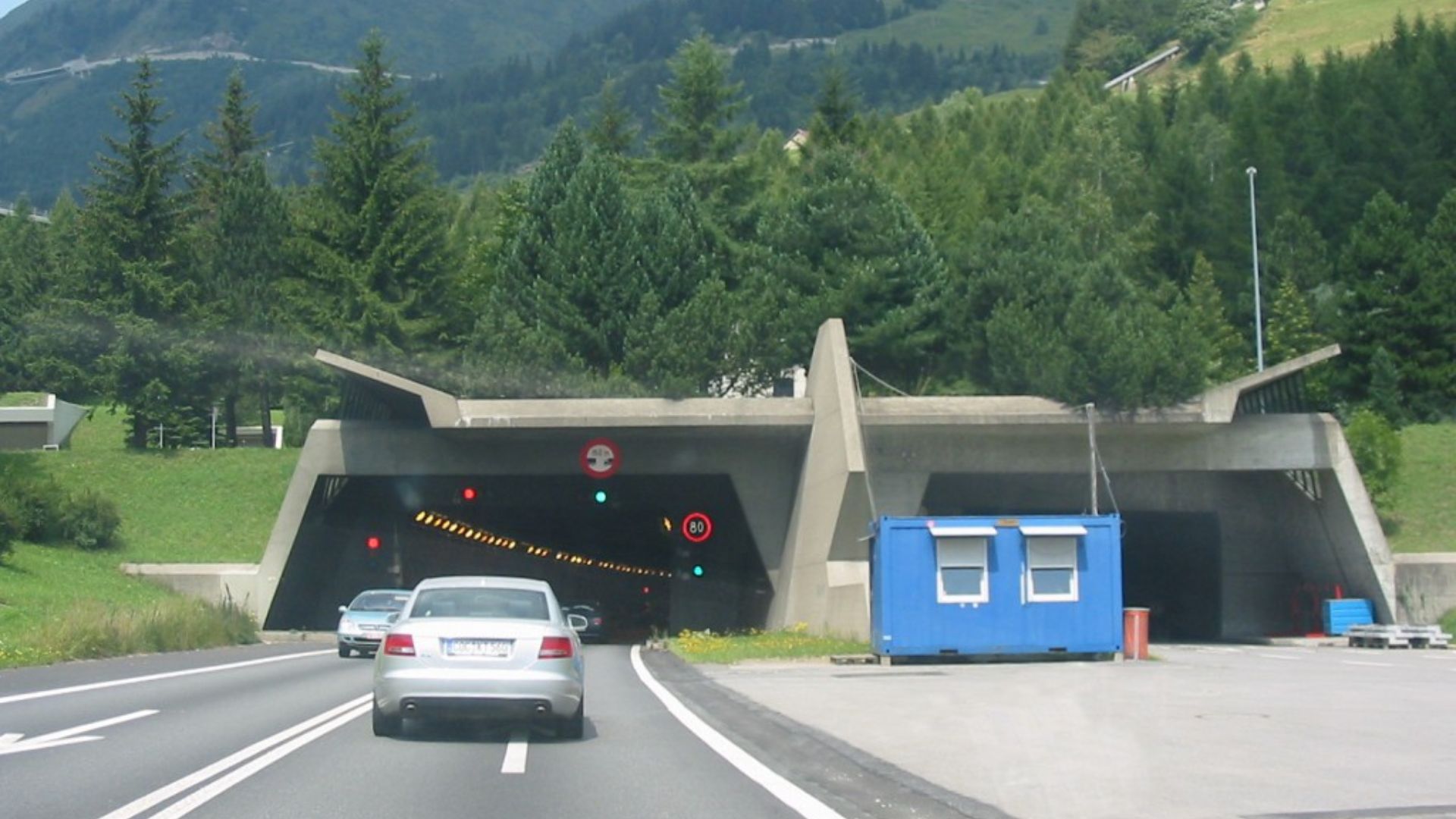
Underground Advancement Redefines Strategic Alpine Crossing, Preserves Essential Link During Renovations, Reorganizes Traffic Flows, and Strengthens Safety Standards Without Increasing Capacity in a Vital Corridor for Mobility, Supply, and Logistics Between North and South Europe, Impacting Beyond Swiss Borders.
A second gallery is beginning to take shape beneath the Gotthard massif, in the heart of the Alps, with a direct goal: preserve the continuity of one of Europe’s most strategic road crossings while the existing tunnel undergoes a deep renovation.
With 16.9 kilometers in length, the new axis is part of the Swiss plan to keep the A2 highway connection functioning more predictably during interventions that, in a high-volume corridor, affect mobility, supply, and the logistical chain between regions.
Construction of the Second Gallery and Rehabilitation Plan
The project is led under the coordination of the federal agency responsible for Switzerland’s road infrastructure, which describes the plan as the construction of a second gallery parallel to the current road tunnel, followed by a period of complete rehabilitation of the existing structure.
-
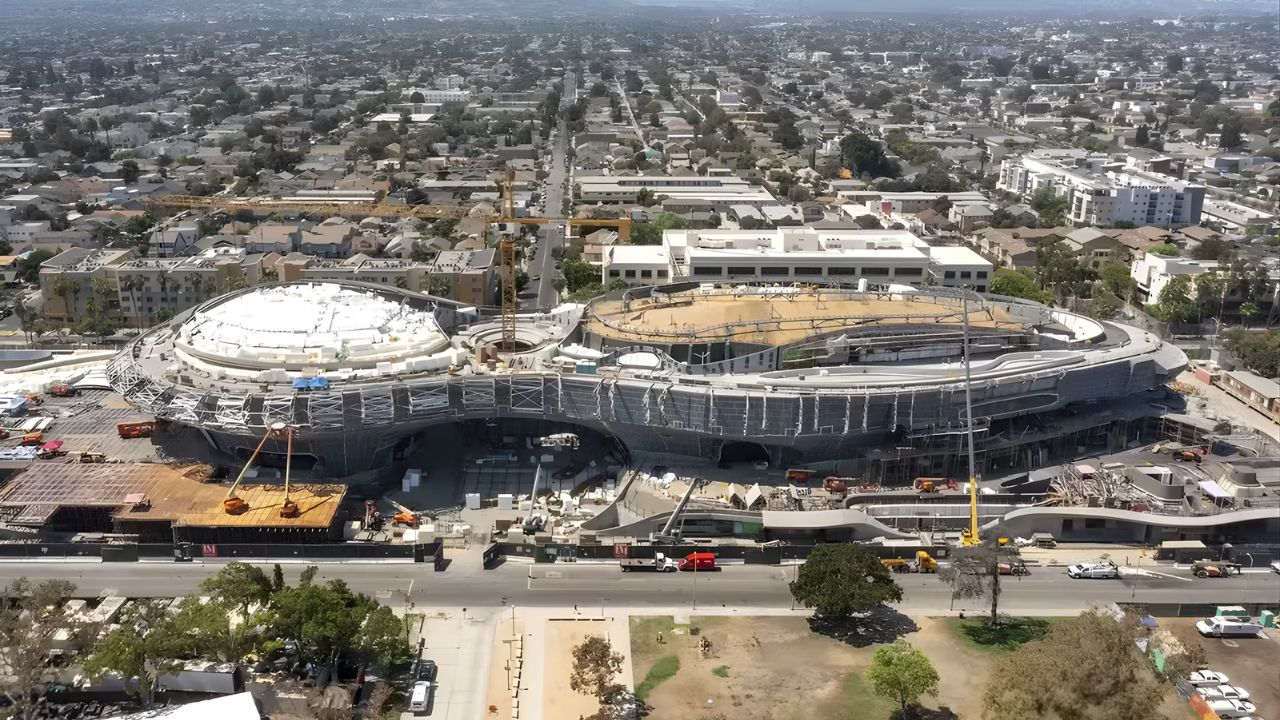
Created by George Lucas with over $1 billion, a futuristic museum in the shape of a spaceship with 1,500 curved panels is about to open in Los Angeles and will house one of the largest private collections of narrative art in the world.
-
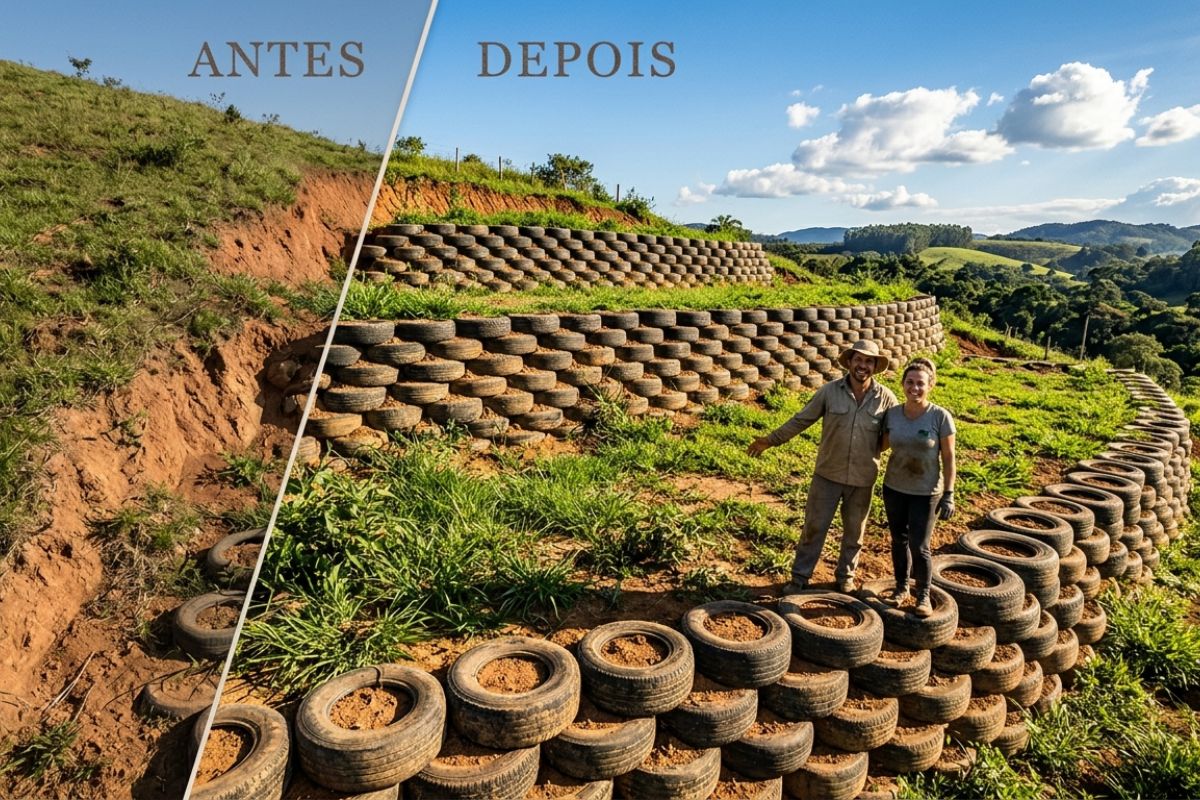
Couple shows how they built a retaining wall on their property using 400 old tires: sloped land turned into plateaus, tires are aligned, filled, and compacted with layers of soil, with grass helping in support and at almost zero cost.
-
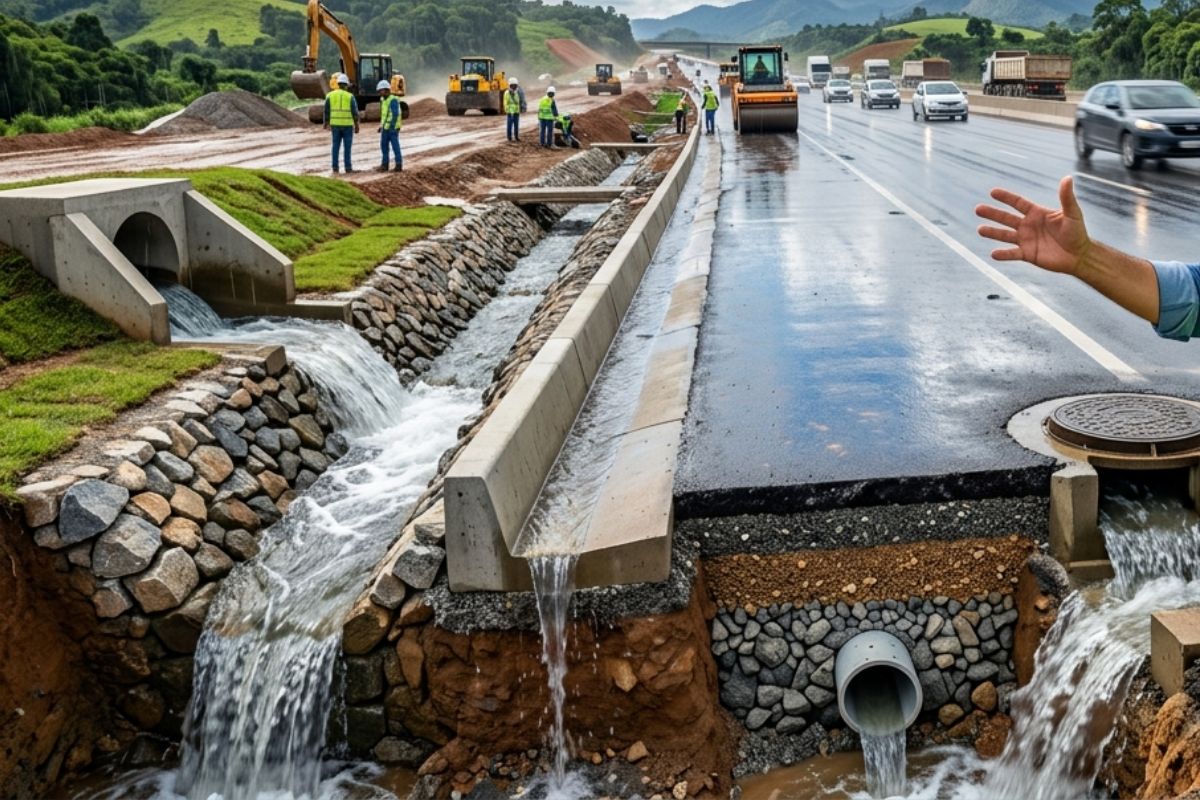
Engineer explains drainage during the rainy season: the difference between surface water and deep water, ditches, gutters, and water outlets on the road, as well as drains and drainage mattresses, to prevent erosion, aquaplaning, and flooding at the construction site today.
-
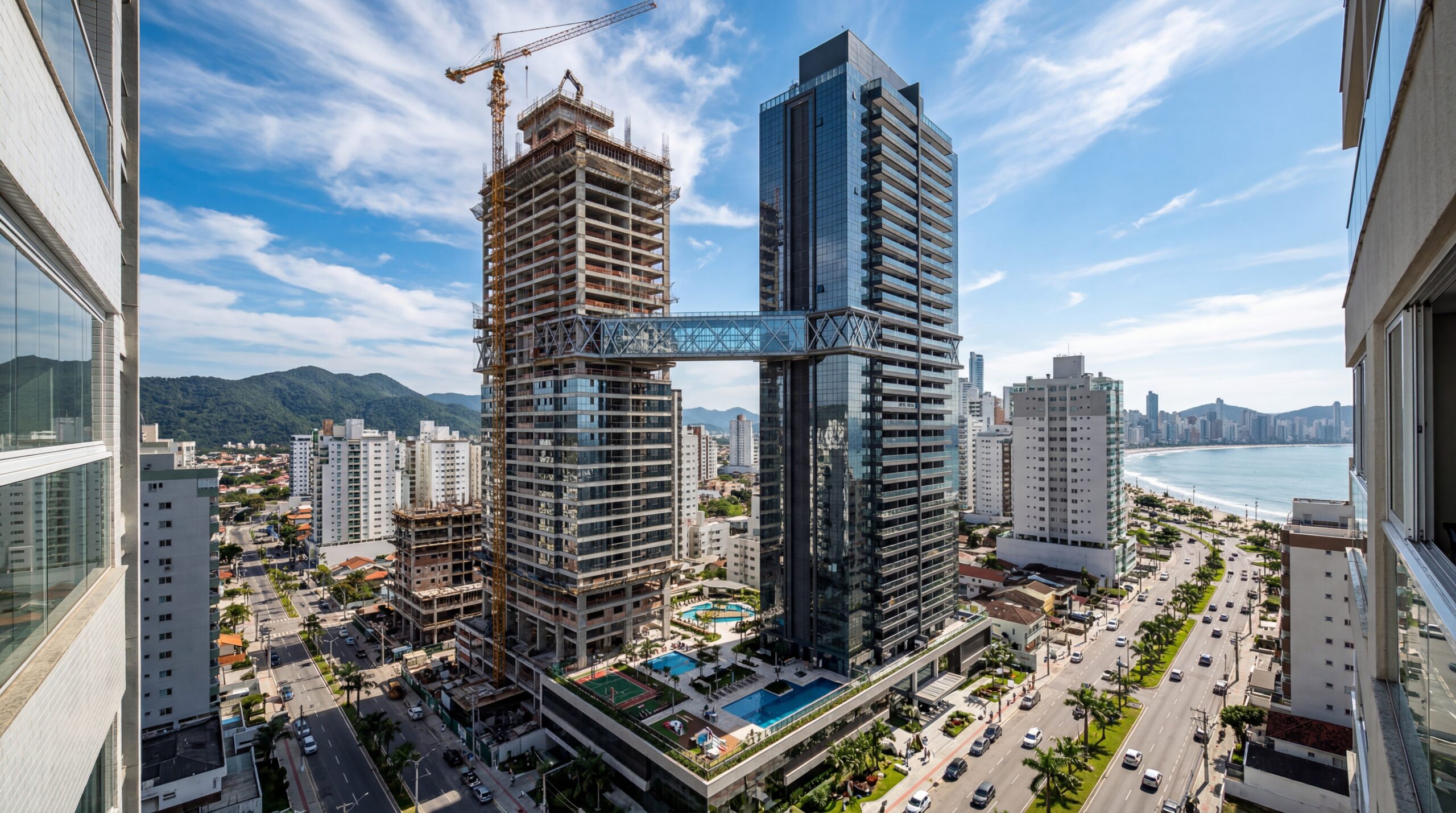
With 55 floors, 177 meters in height, a 15-meter walkway between the twin towers, ventilated facade, and 6,300 m² of leisure space, Ápice Towers already has one tower completed and another nearly at the top.

The proposal is not to create a “faster route” in itself but to avoid long interruptions when the time comes to modernize the operating tunnel, a necessity associated with the lifecycle of underground works in high technical and safety demand environments.
Historical Importance and Natural Bottlenecks of the Gotthard

The Gotthard road tunnel, inaugurated in the 1980s, is one of the most well-known points of Alpine traffic, as it connects the north and south of the country in an area where geography imposes natural bottlenecks.
On busy days, the region already deals with queues and access controls, a scenario that gains even more relevance when discussing large-scale works.
By constructing a second gallery, the strategy becomes to keep the crossing operating with one gallery in use while the other undergoes interventions, reducing the need for prolonged detours to alternative routes and decreasing the risk of logistical disruption during heavy maintenance periods.
Technical Challenge of Excavation and Operational Safety
The core number of the project, the 16.9 kilometers, reflects the challenge of excavating and structuring a long passage under alpine rock, with strict standards for ventilation, drainage, electrical systems, monitoring, and emergency response.
In extensive road tunnels, safe operation depends on a combination of factors: constant air renewal, smoke control in fire scenarios, evacuation routes, internal communication, and rapid intervention equipment.
The decision to duplicate the crossing relates to this package of requirements because renovating a tunnel of this size involves replacing and upgrading essential elements without compromising the operational integrity of the link.
Separation of Flows Without Increasing Capacity
A point emphasized by Swiss authorities is that the second gallery was not designed to increase the total capacity of the corridor.
The planned configuration after the project’s completion and the renovation of the existing tunnel is to operate with one lane in each direction in each gallery, maintaining the regulated volume and separating traffic flows in opposite directions.
In practice, this separation tends to change the crossing dynamics in terms of safety and reliability, by reducing situations where vehicles travel face-to-face within a single tube and allowing for more controlled flow management in each direction.
Role of the A2 in the North-South European Axis
The A2 is not just any road in the Swiss network.
It connects the Basel region in the north to the Chiasso area in the south, on the border with Italy, also linking important economic centers and feeding routes for tourism and freight transport.

By crossing the Alps at such an emblematic point, the highway carries effects that extend beyond Swiss territory, as the corridor connects to the transit networks of neighboring countries.
When a link of this magnitude faces restrictions, the impact tends to appear in a cascading manner, with redistribution of traffic to other Alpine passes and pressure on alternative infrastructure.
Timeline, Continuous Operation, and 2030 Milestone
The official project timeline indicates a phase of construction of the second gallery followed by a stage of rehabilitation of the currently operational tunnel.
The forecast released by authorities is that the new tube will be put into service and, subsequently, the existing tunnel will be modernized, with operations organized to ensure traffic continues flowing during interventions.
In this planning, the date mentioned for the start of operations associated with the new arrangement is 2030, a milestone that helps to gauge the complexity of underground work and the time required to integrate systems, conduct tests, and meet safety requirements.
Logistical Predictability and Engineering in Extreme Environment
The choice to build first and renovate later brings a clear logistical component: keep a functional link while working on the other.
Instead of concentrating the construction period into a single potentially disruptive phase, the strategy dilutes operational risk and allows the corridor to maintain a more stable routine, even under specific traffic control rules.
For drivers and transporters, this predictability is often as relevant as speed, because it reduces uncertainty, facilitates route planning, and prevents supply chains from relying on short windows to cross controlled areas.
There is also an engineering dimension that stands out precisely for occurring in an extreme environment.
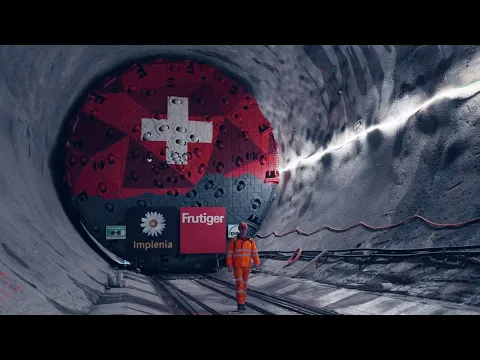

The drilling and lining of a long gallery require strict management of geology, rock stability, groundwater, and deformations over time.
The Swiss project is presented as a work focused on operational safety, with infrastructure designed to respond to critical scenarios, as well as adapt the tunnel to modern monitoring and control standards.
In road corridors, this includes everything from ventilation and lighting systems to devices for detecting, communicating, and managing incidents, elements that have become central in risk assessment for long tunnels after historical events in various European countries.
New Traffic Architecture and Future Impact
Although the immediate goal is to ensure the continuity of the crossing during the renovation, the reorganization into two galleries also alters how traffic will be distributed when the system is complete.
By separating traffic directions, the corridor will operate with an architecture that reduces direct conflicts between opposing flows, a design that influences speed protocols, enforcement, and emergency response.
This configuration change, even though it does not increase capacity, tends to redefine the crossing experience for those traversing the Alps at this point, in addition to creating a structure that facilitates future maintenance in a less disruptive manner.
The Gotthard crossing has always been a symbol of how infrastructure shapes routes in Europe, whether through topography, technology used, or the economic weight of the corridor.
With a second gallery under construction and a modernization plan for the existing tunnel already associated with the project, the lingering question is: when the work is complete, how will the definitive separation of flows and greater operational predictability change route choices for drivers and transporters across the entire Alpine arc?








-

-

-

4 pessoas reagiram a isso.