





 Portuguese
  English
  Spanish
 4 min of reading
  0 comments


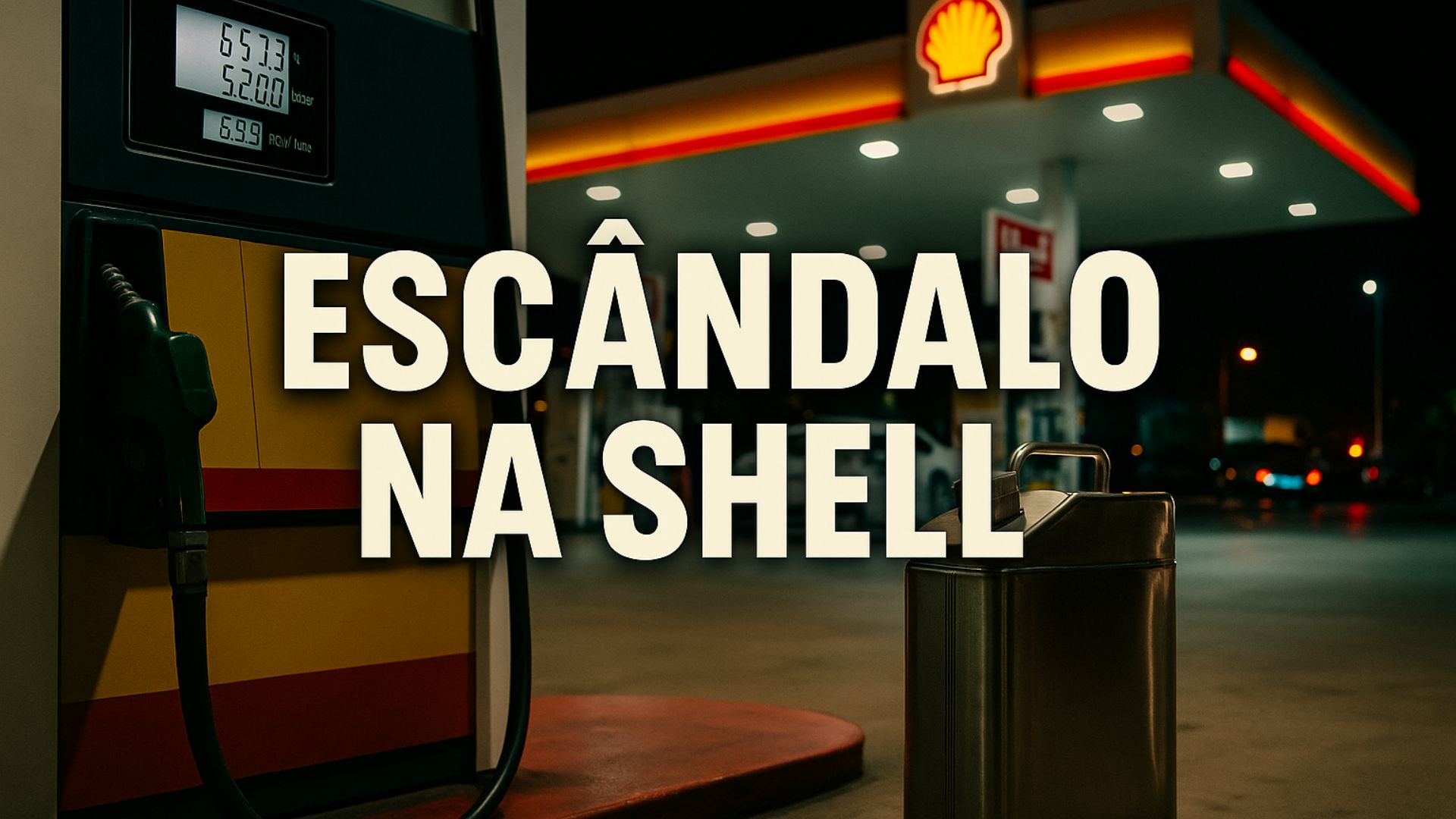
Inspection Finds Significant Deviation at Shell Gas Station and Court Order Maintains Establishment’s Operation.
An operation by the Department of Consumer Protection and Defense (Sedecon), of the City of Rio de Janeiro, identified a deviation of 30% in the volume of fuel delivered by a Shell-branded gas station in the north zone of the city.
The case came to light according to a report published by the Metrópoles website, which released images and details of the inspectors’ actions.
Fraud in Fueling Identified by Inspection
The inspection was conducted by Secretary João Vitor Pires, who used two 20-liter jugs to measure the fuel delivered by the pump.
-
Brazil Ignores Trump’s threats to BRICS, Buys 42 tons of gold and reduces the Dollar’s share by 6.45% in international reserves.

-
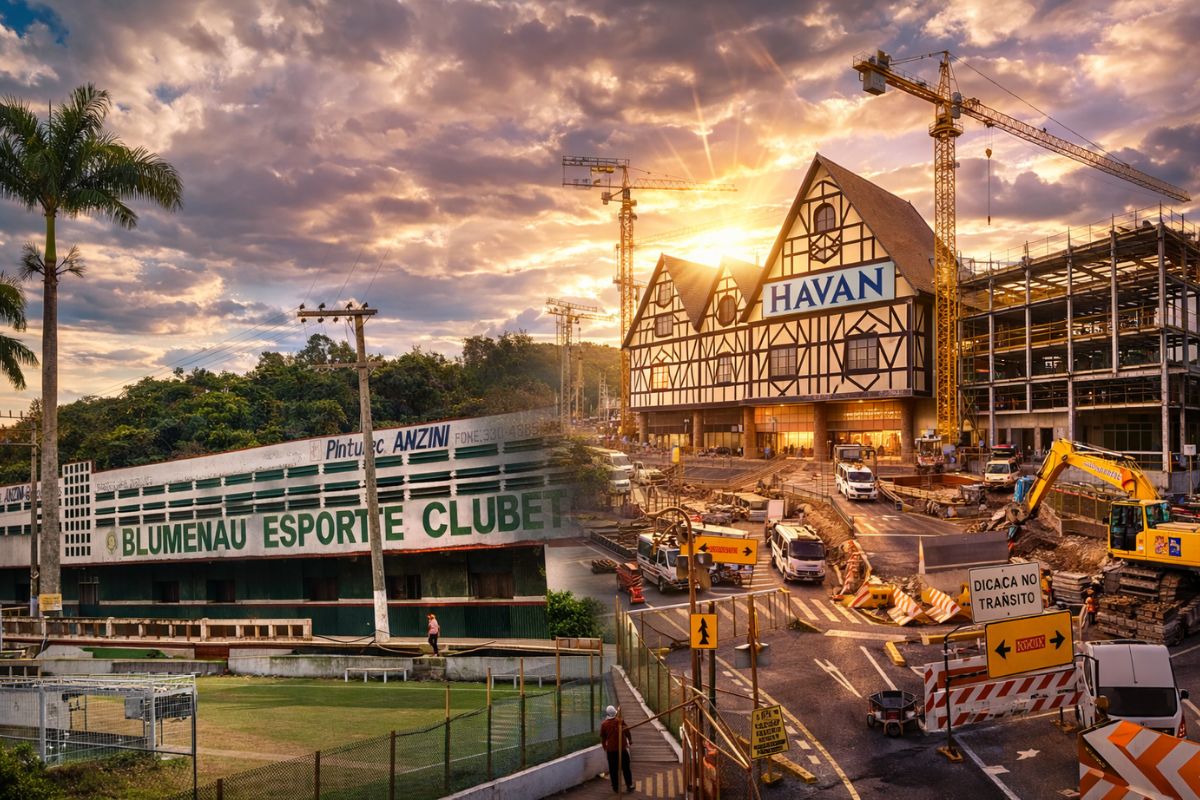
Havan buys historic football land in Blumenau for a million-dollar amount protected by a confidentiality clause and is already planning to change even the layout of streets to build a megastore in half-timbered style costing 80 million reais.
-
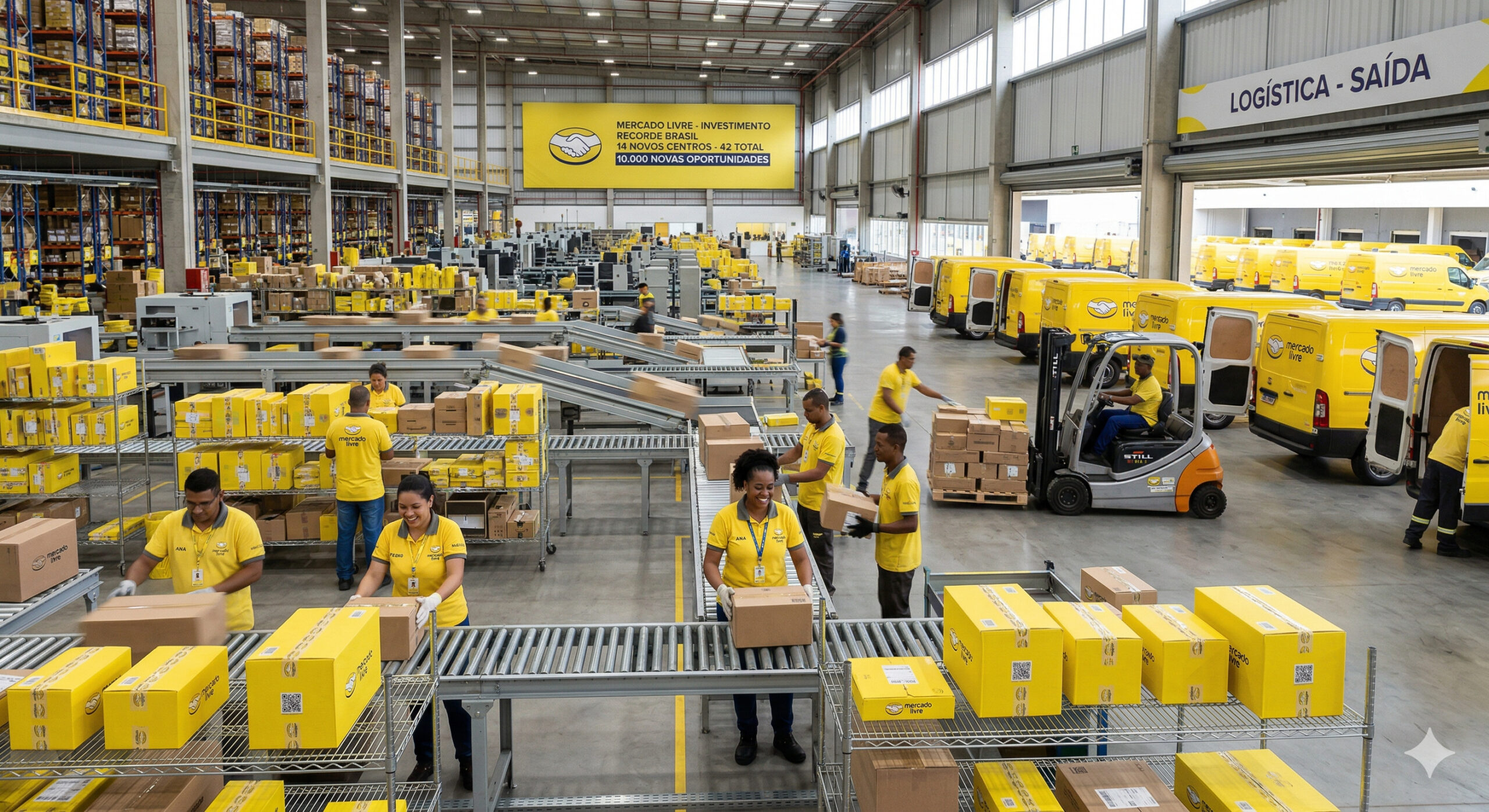
Mercado Livre “opens the vault” and announces a record investment of R$ 57 billion in Brazil in 2026, a value 50% higher than the previous year, with an expansion plan that includes 14 new logistics centers, totaling 42 units in the country and hiring an additional 10,000 employees.
-
How investment in technology can revolutionize the national economy and enhance industrial gains, according to a study that highlights the direct impact on productivity, innovation, and wealth retention within Brazil.

According to the Metrópoles investigation, the equipment registered 52 liters, despite the correct volume being 40 liters.
The secretary stated in a video that the measurement showed a discrepancy that was inconsistent with any technical margin and highlighted that the establishment had previously been subject to penalties.
The verification, documented on video, showed that the pump indicated a quantity higher than what was contracted, which, according to the inspectors, characterizes fraud in fueling.
The Metrópoles also pointed out that the procedure was to be repeated at other pumps when the team was surprised by an unexpected interruption.
Pumps Were Turned Off During the Action
Shortly after the irregularity was discovered, employees at the gas station electronically turned off the pumps, preventing further measurements.
According to Metrópoles, the action occurred while the inspectors were preparing to test other fuel nozzles.
The secretary stated that the interruption hindered the continuation of their work and indicated resistance from those responsible in allowing a complete verification.
Even in the face of the obstruction of the inspection, the team considered the initial result sufficient to confirm the fraud, as the test was conducted with measured jugs and accompanied by technical documentation.
Injunction Maintains Operation of Gas Station
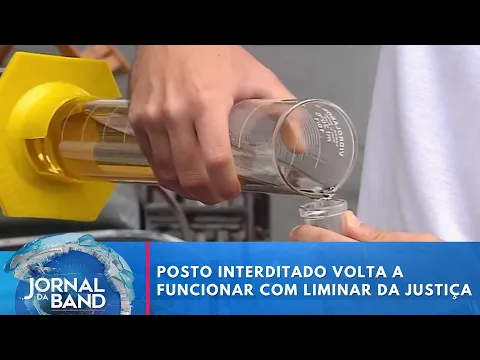

Despite the flagrant violation, the gas station remains in operation.
Metrópoles reported that the owners obtained a court injunction that prevents the city hall from shutting down the location or imposing new fines while the case is under review.
The secretary reiterated that the decision does not authorize the practice of irregularities but temporarily suspends administrative measures.
The city hall is preparing a new appeal to present to the judiciary, gathering documents and images collected during the inspection.
The goal is to demonstrate that maintaining the injunction may increase harm to consumers.
Previous reports on similar cases show that court injunctions have allowed the reopening of gas stations fined for fraud, leading consumer protection agencies to appeal to higher courts.
Intensified Operations Against Irregularities
The inspection at the Shell gas station is part of a set of actions to curb irregularities in fuel supply in Rio de Janeiro.
Municipal teams use certified vehicles and equipment to assess the volume and quality of the fuel supplied.
According to information released by Metrópoles, Sedecon conducts dozens of daily operations in different regions of the city.
Among the main irregularities identified by consumer protection agencies are the so-called “low pump scam”, where the driver pays for a quantity of fuel they do not receive, and gasoline adulteration, with added ethanol exceeding the permitted limit.
In the case of Shell, the identified problem was the supply being less than what was paid.
Inspectors remind consumers that they can request volume tests at the time of fueling, although this practice is uncommon.
The guidance is for drivers to be wary of prices far below the market and report irregularities to the appropriate authorities.
Next Steps for the City Hall and Impact on Consumers
Sedecon states that it will maintain constant operations, especially at stations already fined for suspected repeat offenses.
The material obtained during the inspection will be sent to the judiciary to try to suspend the injunction that allows the gas station to continue operating.
According to Metrópoles, the city hall’s strategy is to show that the continuation of activities puts consumers at risk of ongoing harm.
With fraud that can represent liters paid for but not received at each refueling, to what extent will drivers closely monitor inspections and demand transparency from the gas stations where they refuel?







Seja o primeiro a reagir!