





 Portuguese
  English
  Spanish
  4 min of reading
  0 comments


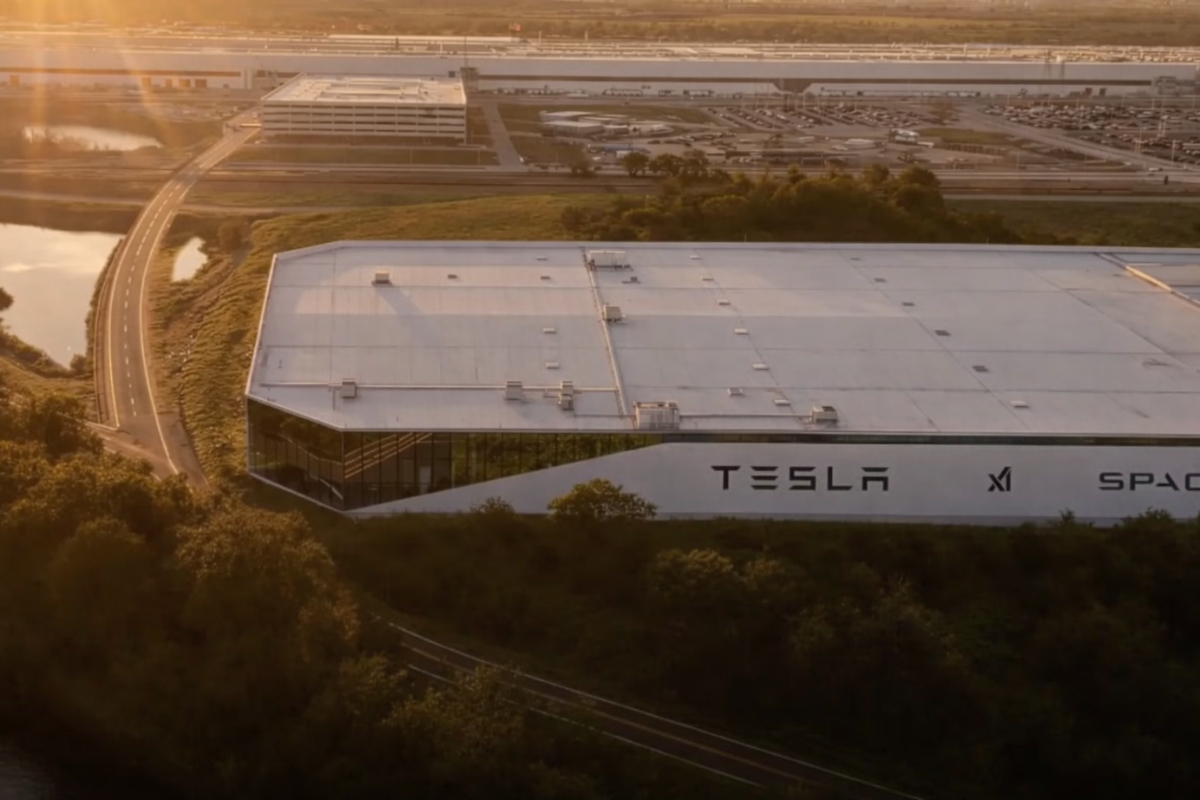
TeraFab emerges as a response to the chip shortage that is already pressuring Tesla, SpaceX, and xAI, bringing together production, testing, and packaging in one place to scale up, reduce bottlenecks, and elevate Musk’s space project to another level
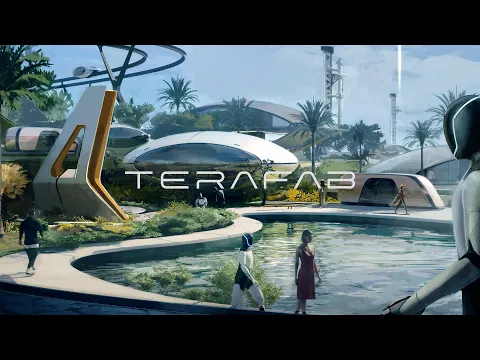
TeraFab has become central to Elon Musk’s industrial strategy. The proposal is to set up a structure in Austin, Texas, capable of concentrating design, manufacturing, testing, and packaging of chips within the same complex.
The plan arises from a clear pressure point. Musk states that his companies need more computational capacity for artificial intelligence, robotics, and autonomous systems, and that the current market supply is not growing at the desired pace.
Austin enters the map of the new bet
The factory was presented as a joint project of Tesla, SpaceX, and xAI, with operations linked to the industrial ecosystem already established in the Austin area. The ambition is to transform the location into a production base for different families of chips.
-
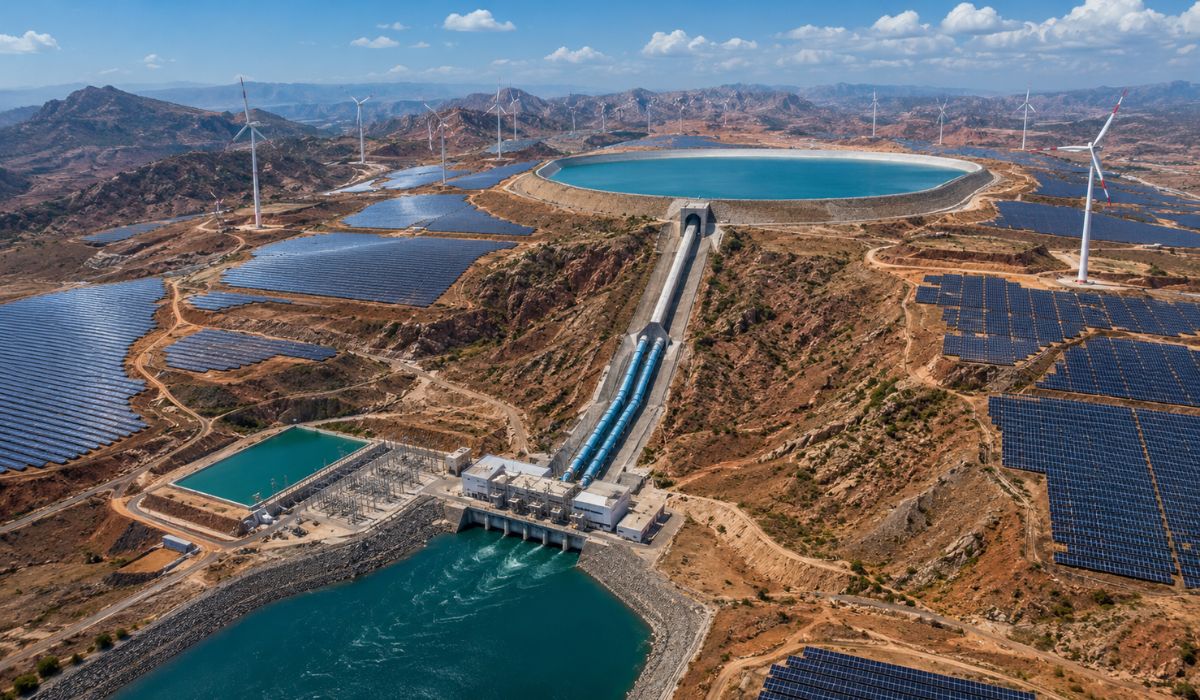
In just 3 years, India transformed a dry and rocky area into the world’s largest “green battery,” with two artificial lakes that make the water rise and fall to store solar and wind energy as if the entire terrain became a natural battery.

-
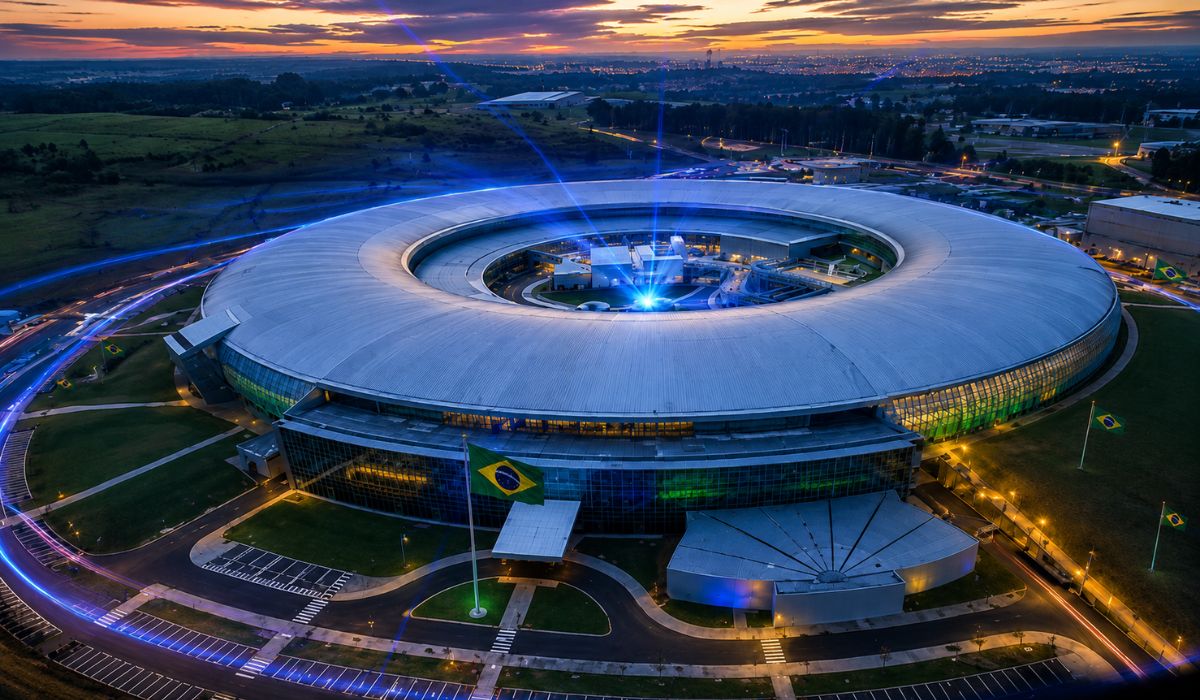
Brazil injects R$ 800 million into phase 2 of Sirius, the largest scientific machine ever built in the country, a particle accelerator that uses light to see inside materials and boost energy, health, and technology.
-
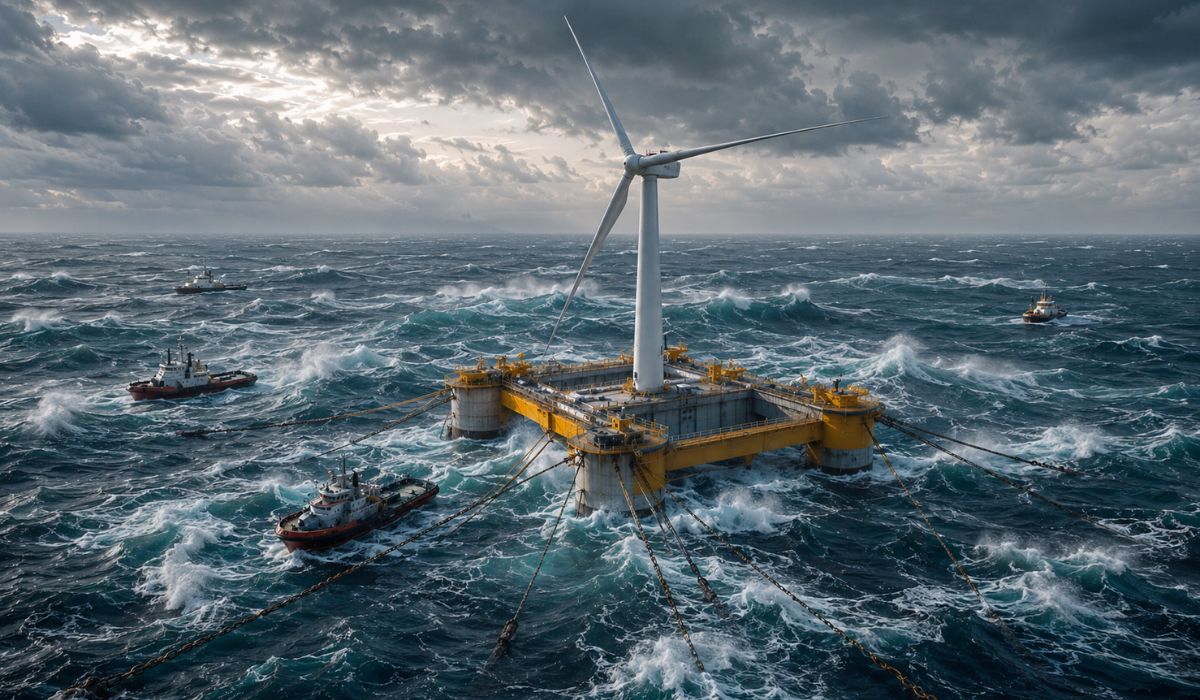
China tows a 24,100-ton floating “wind island” out to sea, secures the structure with 9 giant anchors, and erects a 270-meter turbine to withstand 20-meter waves 70 km off the coast.
-
China launched new satellites to test technology that can bring internet directly to mobile phones, without a tower in the way: the Long March-2D rocket took off from Xichang, in Sichuan, with the mission to validate satellite-to-phone broadband.



Musk also indicated that the unit should start as an advanced technology facility, equipped to manufacture and test various types of semiconductors. There is still no official opening date, which keeps the project in the realm of planned expansion, rather than immediate delivery.

Unified production becomes the heart of the operation
The design of TeraFab aims to bring together stages that are currently often separated. The idea is to place chip development, manufacturing, testing, and final packaging under one roof, giving more control to the production chain.
This format seeks to address bottlenecks in scale, timing, and coordination. For Musk, vertical integration would be the solution to ensure supply for projects that depend on heavy processing, especially in AI and automation.
AI5 and AI6 increase Tesla’s weight
A significant part of the planned capacity targets chips linked to the next phase of Tesla. The AI5 has been described by Musk as nearly completed in terms of design, while the AI6 is still in the early stages of development.
These components are expected to serve areas such as Robotaxi, autonomous driving, and Optimus robots, reinforcing the attempt to incorporate more in-house processing within the company’s products. This helps explain why the project has shifted from being an accessory to being treated as strategic infrastructure.

Largest share goes to space chips
The most ambitious portion of TeraFab is off the planet. Musk has associated the majority of production with the D3 chips, designed for satellites with artificial intelligence and future spacecraft, within an architecture that would also include data centers in orbit.
According to Bloomberg, a global business and markets news agency, the project was presented as a joint operation between Tesla and SpaceX in Austin, focused on chips for robotics, artificial intelligence, and space data centers. The same proposal mentions 100 to 200 gigawatts per year on Earth and 1 terawatt in space.
External dependence continues in the short term
Even with the expansion of in-house production, the new factory does not immediately eliminate the need to purchase chips from the market. Without a fixed delivery schedule, Musk still relies on the global structure already dominated by major semiconductor manufacturers.
This makes it clear that TeraFab currently functions as a promise of future scale, and not as an instant replacement for external supply. The real weight of the project will come if the announced capacity moves from paper to begin supplying products and systems at an industrial volume.
If it progresses as planned, TeraFab could change the balance between demand and supply of chips within Musk’s empire. The effect goes beyond cars and robots, as it touches on satellites, orbital computing, and critical AI infrastructure.
In the end, the factory ceases to be just an industrial work and begins to function as a piece of technological power. It is a move that repositions the competition for computational capacity and changes the strategic reading.




Be the first to react!