





 Portuguese
  English
  Spanish
  5 min of reading
  0 comments


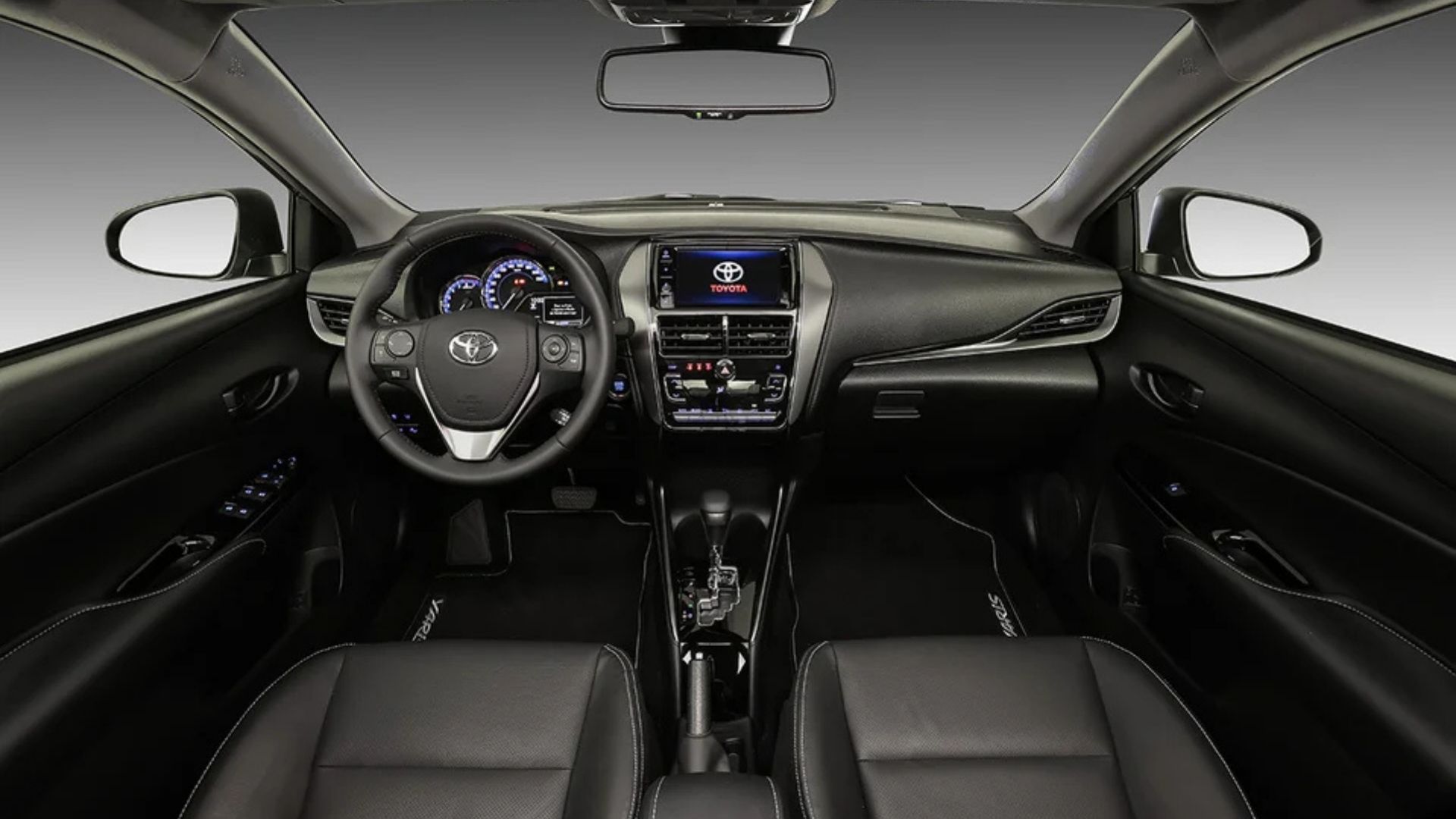
Off The Shelf In Brazil Since 2024, Toyota Yaris Continues To Stand Out In The Used Market For Combining 1.5 Flex Engine, CVT Transmission And Predictable Maintenance Costs, Maintaining Relevant Presence Among Consumers Who Prioritize Economy, Known Mechanical History And Ease Of Daily Use.
Even off the passenger vehicle lineup from Toyota in Brazil, the Yaris 2024 remains present in the used and second-hand market, driven by a well-known mechanical set and predictable usage costs within the segment.
The production of the model for the Brazilian market was halted at the end of 2024, and since then, negotiations have focused on remaining units and vehicles already in circulation.
The continued interest in the Yaris is associated with objective characteristics of the project, such as naturally aspirated engine, CVT automatic transmission and a maintenance history widely documented by the manufacturer.
-
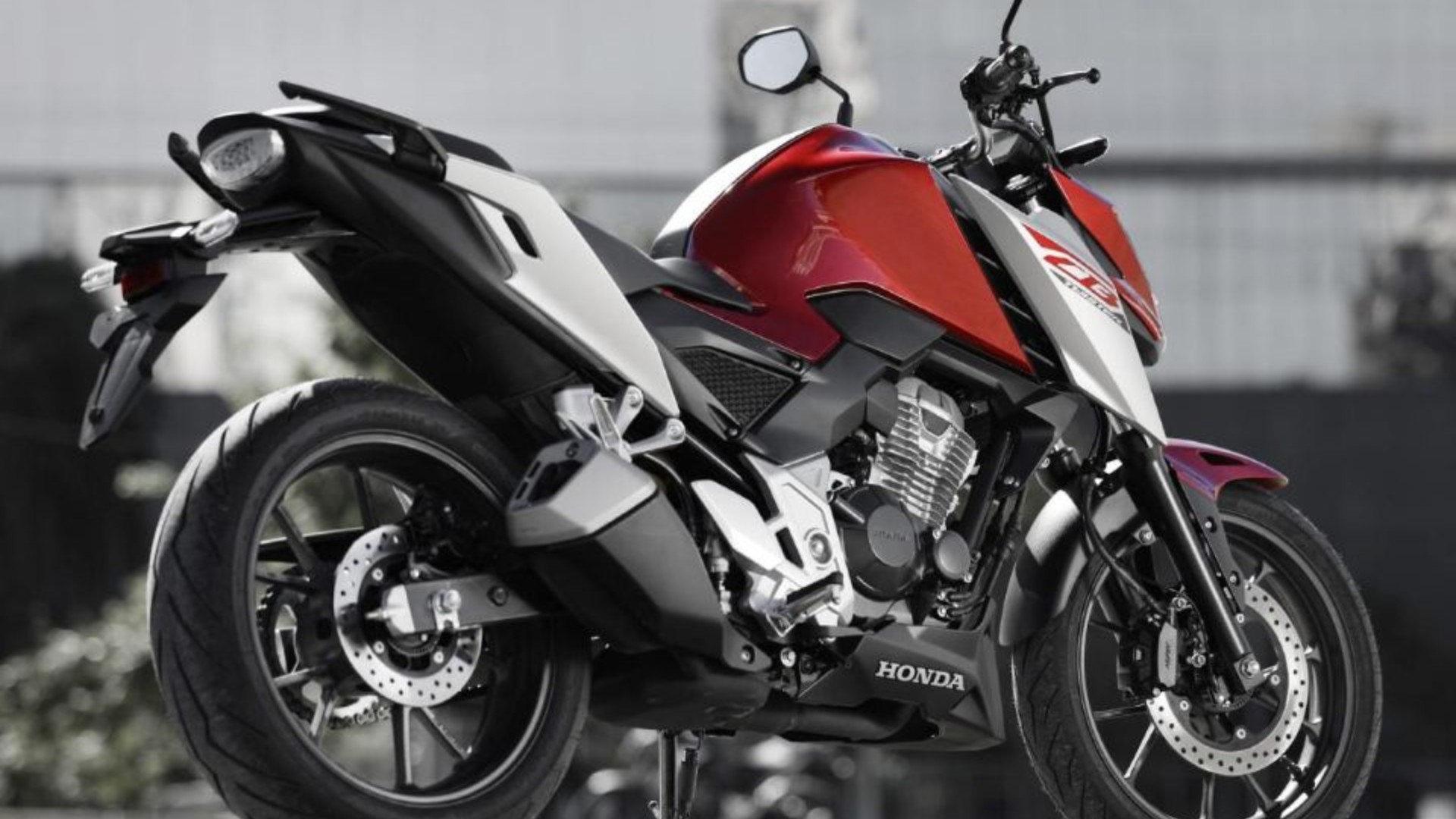
With a 293.5 cm³ engine and a range of up to 400 km with a 14.1-liter tank, the Honda CB 300F Twister 2026 has up to 24.7 hp, an initial price of R$ 25,150, and already exceeds R$ 29,000 in the Fipe Table.
-
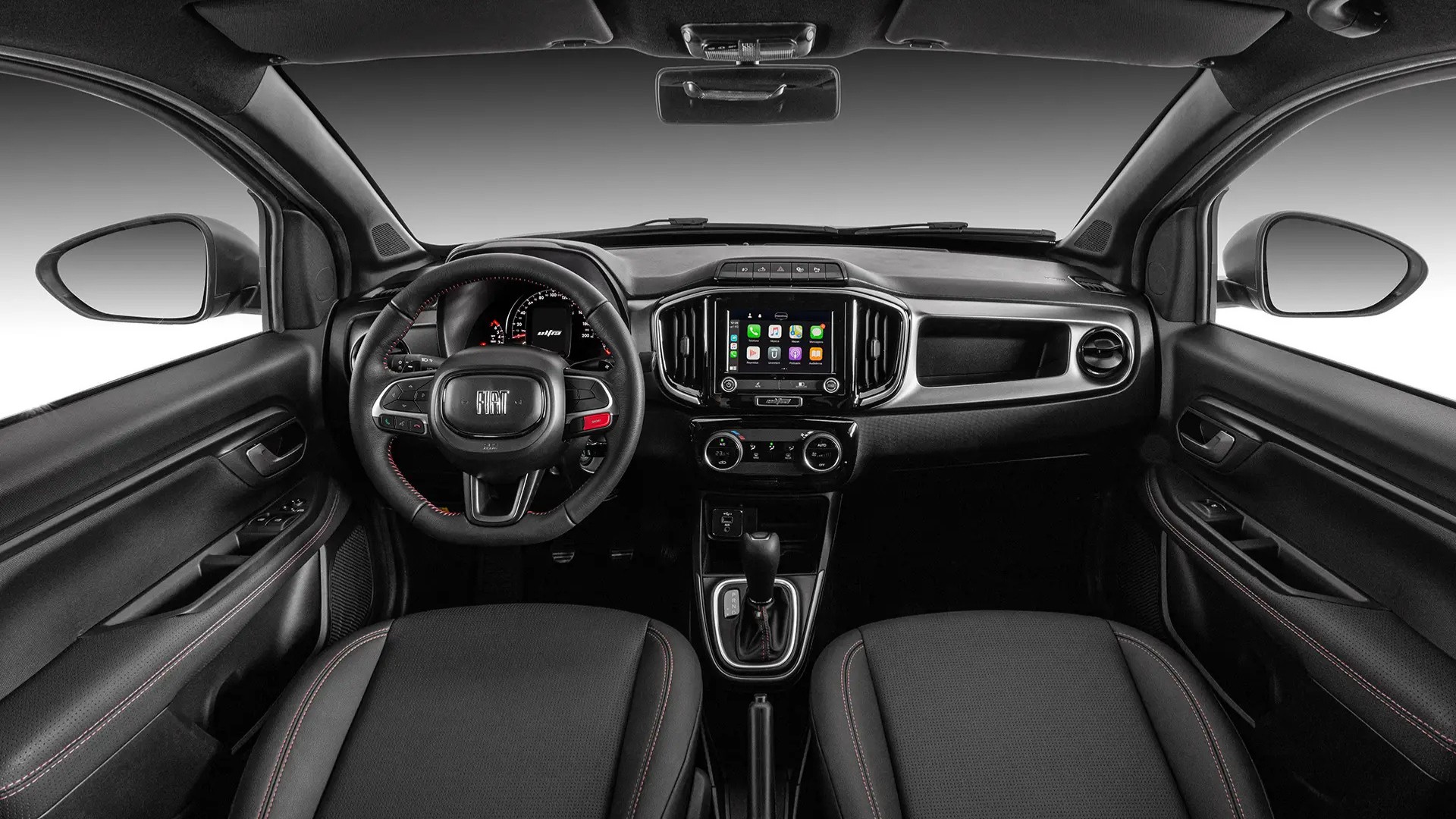
With a 1.3 engine, nearly 700 km of range, and Turbo 200, the Fiat model surpasses Polo, Tera HB20, and Onix, becoming the best-selling car in March; see the numbers for the Fiat Strada and others.
-
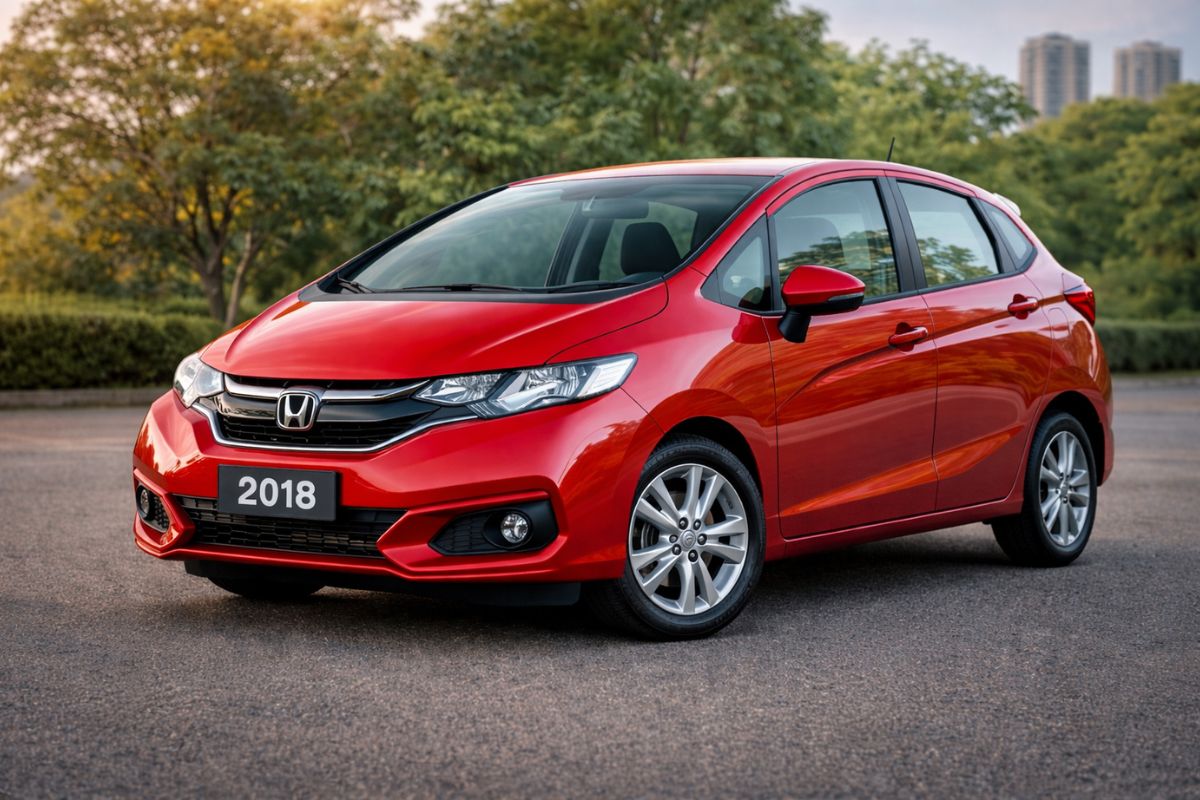
The Honda Fit has been discontinued for years, but the 2018 model is worth more today in the Fipe table than it cost brand new, proving that this used car, valued with a 1.5 i-VTEC engine and Magic Seat, only increases in price.
-
Volkswagen unveiled the 2027 Atlas with a 282-horsepower EA888 turbo engine, a 15-inch screen, massage seats, and a completely new interior to finally elevate the three-row SUV built on the MQB platform to a new level.

In the current market, the analysis of the model has shifted from configuration choices to requiring increased attention to provenance, condition, and maintenance history.
End Of Toyota Yaris Production And Effects On The National Market
Toyota confirmed the end of Yaris production intended for the Brazilian market in December 2024, amid the brand’s repositioning and preparations for the arrival of new models.
The factory in Sorocaba, in the interior of São Paulo, maintained production of the vehicle for export, while domestic sales were gradually closed as stocks were reduced.
As a result, the Yaris is no longer an option for zero-kilometer purchase in the country, but it continues to be present in the secondary market.
Industry experts point out that in these cases, going off the shelf does not eliminate demand but changes decision-making criteria, which now focus on the relationship between price, condition of the vehicle, and maintenance history.
Consumption Of The 1.5 Flex Engine And Official Data From Inmetro

The Yaris’ naturally aspirated 1.5 flex engine is often associated with consumption figures close to 15 km/l.
According to data from the Brazilian Vehicle Labeling Program by Inmetro, versions of the Yaris equipped with this engine and CVT registered road consumption with gasoline around 14.9 km/l, varying by body type and specifications.
These figures are obtained from standardized laboratory tests and serve as a comparative reference between models.
Agencies and entities in the sector highlight that real consumption may vary according to factors such as type of route, traffic, driving style, maintenance, and vehicle conditions.
Nonetheless, the data helps to contextualize the positioning of the Yaris among compact vehicles equipped with naturally aspirated engines.

How The CVT Transmission Influences Comfort And Efficiency
The CVT transmission present in the Yaris operates through continuous variation of gears, a characteristic that directly influences the car’s behavior in accelerations and recoveries.
In urban environments, this type of transmission tends to prioritize smoothness, keeping the engine at appropriate revolutions for the pace of driving, according to technical descriptions adopted by the industry itself.
On highways, the logic of operation seeks to maintain the RPM in lower ranges during constant speed, which can contribute to energy efficiency.
Maintenance specialists emphasize, however, that the performance and durability of the system depend on following the scheduled revisions and using the correct fluid as indicated by the manufacturer.
Annual Costs And Financial Planning For Used Vehicles
Buying a Yaris 2024 as a used vehicle involves projecting fixed and variable expenses.
Recurring costs include IPVA, insurance, fuel, and preventive maintenance.
The tax amount depends on the rate defined by each state and the vehicle’s assessed value, while insurance varies based on the driver’s profile, region, and model version.
For refueling, the flex system allows switching between ethanol and gasoline, a decision that is usually based on the price relationship in each locality.

Items such as tires and brakes are accounted for based on natural wear, influenced by usage and road conditions.
Scheduled Servicing And Toyota Maintenance Policy
Toyota announces in its official channels periodic servicing programs with pre-defined prices for certain usage periods, a practice adopted to provide predictability for the consumer.
For the Yaris, prices vary according to mileage, time of use, and services included at each stage.
However, it was not possible to confirm, from consulted official sources, the uniform application of the amount of R$ 399 for Yaris 2024 servicing.
The manufacturer states that additional services may be charged if needs outside the scope of basic servicing are identified, which reinforces the importance of consulting the current table at the time of service.
Internal Space Of The Yaris And Family Use

The internal space of the Yaris meets the expected dimensions of a compact, with hatch and sedan versions aimed at urban use and short to medium family trips.
Assessment of passenger comfort and trunk capacity depends on the usage profile and specific needs of each driver.
Sector analysts often emphasize that comparisons with compact SUVs should consider structural differences, such as ground clearance, driving position, and load volume.
In the case of the Yaris, the analysis tends to focus on the efficiency of internal space utilization within the proposal of the segment.
Resale Of The Toyota Yaris After Going Off The Shelf
The discontinuation of the Yaris does not prevent resale but modifies market behavior.
Buyers tend to value maintenance history, overall condition, and documentation, while sellers need to provide clear data to justify the asking price.
Market consultants indicate that, in discontinued models, liquidity is directly linked to transparency about maintenance and conservation.
In this scenario, when evaluating a Yaris 2024 today, what should weigh more in the decision: the monthly usage cost or the ease of future negotiation based on proven history?









Seja o primeiro a reagir!