





 Portuguese
  English
  Spanish
 5 min of reading
  0 comments


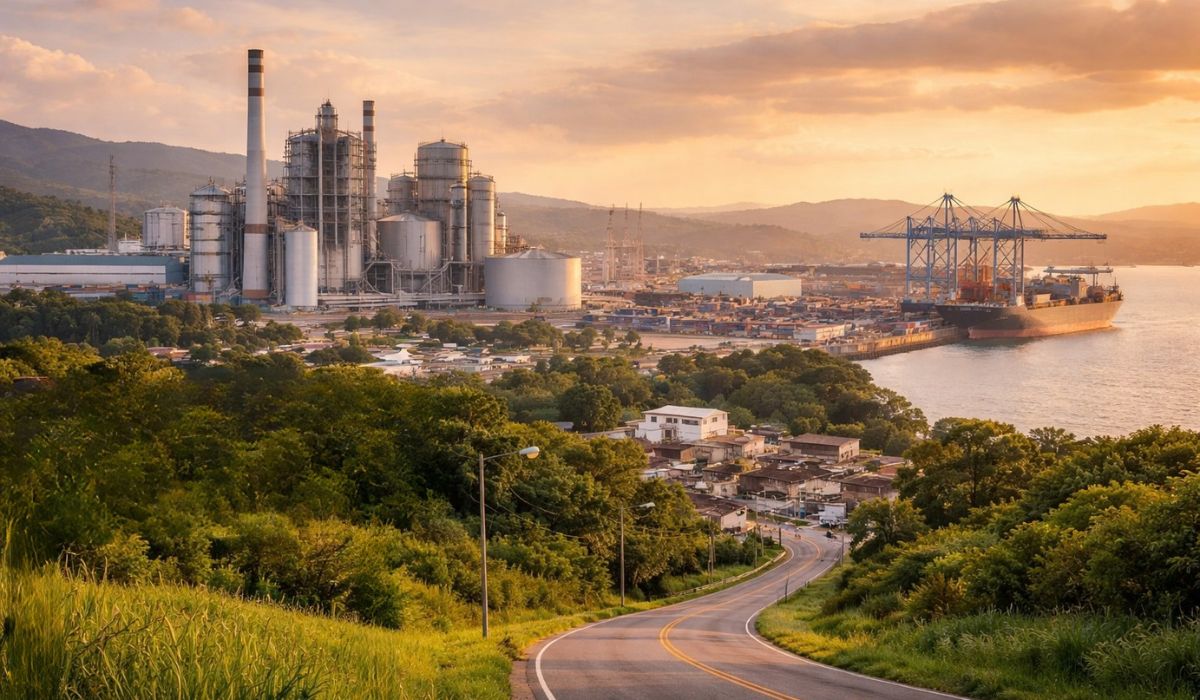
A Gaucho Municipality of Just Over 12 Thousand Inhabitants Entered the Radar of the Pulp Industry with a Billion-Dollar CMPC Project That Combines Factory and Port Logistics and Still Depends on Environmental Stages and Internal Approval.
A Gaucho municipality with just over 12 thousand inhabitants is expected to receive a large industrial investment linked to the pulp sector.
The Chilean CMPC has advanced in stages considered relevant to enable the installation of a new factory in Barra do Ribeiro, in the Metropolitan Region of Porto Alegre, in a project announced by the company as an investment of around R$ 24 billion.
The venture is called Project Nature and aims to establish a unit with a capacity of 2.5 million tons per year of eucalyptus pulp.
-
Historic bankruptcy of Centauro shocks the market, and the century-old company puts more than 500,000 products, machines, and complete infrastructure up for online auction.

-
New shoe factory in Ceará is expected to create 400 jobs and strengthen the local economy.
-
No one imagined it, but a mixture of sawdust with a mineral that fights fires surprises scientists with a result that changes the course of fire-resistant construction.
-
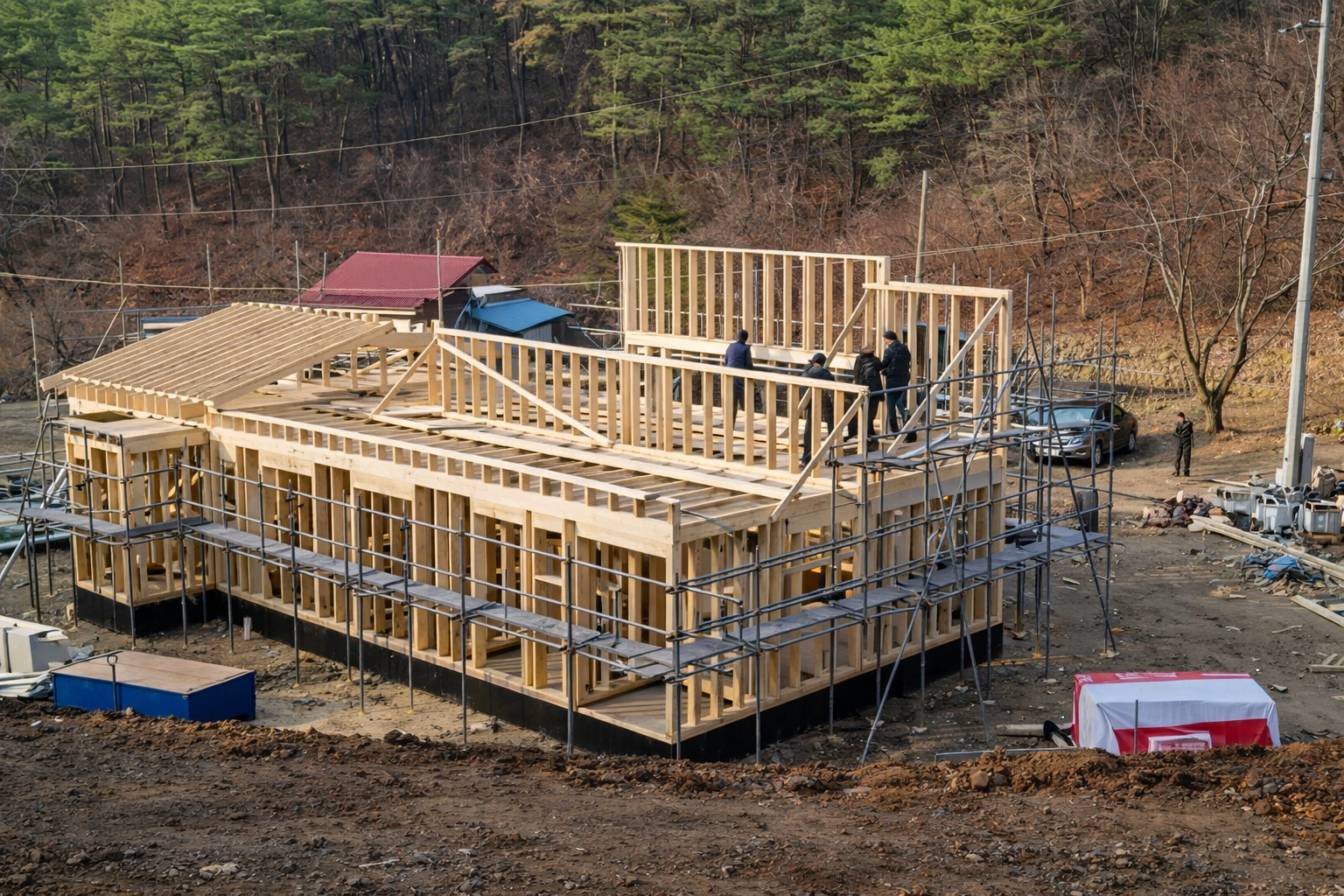
From empty land to a high-end house, wooden construction uses a lightweight system, metal structure for the foundation, ventilated ceramic cladding, and special windows to create an efficient and comfortable living space throughout the year.
In addition to the industrial plant, the plan includes a logistics structure for export, with a dedicated port terminal and contracts related to the expansion of maritime transportation.
Private Use Terminal at the Port of Rio Grande and Export Logistics
In the most recent communications about the project, CMPC informed that it had formalized the concession of an area and the construction of a Private Use Terminal (TUP) at the Port of Rio Grande, in the southern part of the state.
The measure was announced in public agendas that brought together representatives from the federal government, the state government, and port administration.


According to the Ministry of Ports and Airports, the planned terminal includes storage capacity of approximately 194 thousand tons and was presented with the potential for handling up to 9 million tons per year starting from the 11th year of operation.
According to the department, the structure was designed to allow the operation of two ships at the same time.
The port authority of Rio Grande do Sul reported that the TUP project involves an investment of R$ 1.5 billion and was associated with the expectation of generating one thousand direct jobs related to the terminal.
In a statement issued by Portos RS, the General Director of Pulp at CMPC Brasil, Antonio Lacerda, stated that the concession is “a very significant and fundamental step” for the execution of Project Nature.
In the information released by the company, the logistics front appears as one of the central parts of the budget.
According to executives interviewed by specialized media, the port structure and contracts related to vessels amount to approximately R$ 3 billion within the total planned investment.
Environmental Licensing and Approval by the CMPC Council
Despite the progress in contracts and infrastructure, the company has indicated that the final investment decision still needs to go through the board of directors.
CMPC links this step to obtaining environmental licenses, which, according to the company, are in the final analysis phase in Rio Grande do Sul.
In interviews reproduced by industry publications, Antonio Lacerda stated that the company is “in the final phase of approvals” and needs the environmental licenses to forward the decision to the board.
The information was attributed to the executive in reports from Valor Econômico and subsequent coverage.
Regarding the timeline, CMPC has maintained, in public statements, the expectation of completing the terminal’s works by mid-2029.
The company also informed that the start of industrial operations would occur about two months later, with entry into operation in the second half of 2029, if the planned stages are fulfilled.
Protocol of Intentions, Investment of R$ 24 Billion and Job Projections
The project gained traction in the state following previously announced agreements.
In April 2024, the government of Rio Grande do Sul and CMPC signed a protocol of intentions to guide the licensing process and the technical studies of the venture.
At the time, the state government described the investment of R$ 24 billion as one of the largest private investments ever announced in RS.

According to the government’s official communication, the estimate presented at that time was for approximately 12 thousand jobs during the construction and about 1.5 thousand direct and indirect vacancies when the plant enters operation.
These numbers were disclosed as projections associated with the project, and not as confirmed hires.
Pulp Factory in Guaíba and Forest Base in Rio Grande do Sul
CMPC already operates a pulp factory in Guaíba, in the Metropolitan Region of Porto Alegre, in addition to a forest base in the state.
In institutional materials and public communications related to the topic, the company and the state government reported that the Guaíba unit has an annual capacity of around 2.4 million tons.
When addressing operational viability, the company stated that it already has sufficient planted wood to supply both the future unit and the existing operation in Brazil for five years.
CMPC has also cited forest planning as one of the points of the project, alongside the industrial and logistical fronts.
The formation of a skilled workforce appears as another highlighted step by the company.
The company reported employing around 6.5 thousand direct and indirect workers in the country and stated that this number could exceed 10 thousand after the new plant goes into operation.
According to CMPC, partnerships with local institutions are being structured for professional training.
Price of Pulp, Global Supply, and Competitiveness of Brazilian Production
The advancement of Project Nature occurs in a context of fluctuations in the global pulp market, with changes in price and supply.
In statements attributed to executives and reproduced by industry outlets, CMPC related recent fluctuations to factors such as increased installed capacity and movement of integrated units in China.
In those statements, the company maintained that pulp produced in Brazil remains competitive.
This is an assessment presented by the company itself, in interviews and communications, and which is usually considered by companies in the sector when discussing production costs, logistics, and access to external markets.
For Barra do Ribeiro, the announcement was presented by authorities and the company as a landmark due to the scale of the investment and the potential to drive services and hiring throughout the construction.
The city has an estimated population of just over 12 thousand inhabitants according to IBGE, which helps explain why the project has been closely monitored by local and state leaders.
The municipality is about 60 kilometers from Porto Alegre, in a region with road connections to the coast and the Port of Rio Grande, a route cited as strategic in the logistical design of the project.






-

-

-

-

-

-

12 pessoas reagiram a isso.