





 Portuguese
  English
  Spanish
  5 min of reading
  6 comments


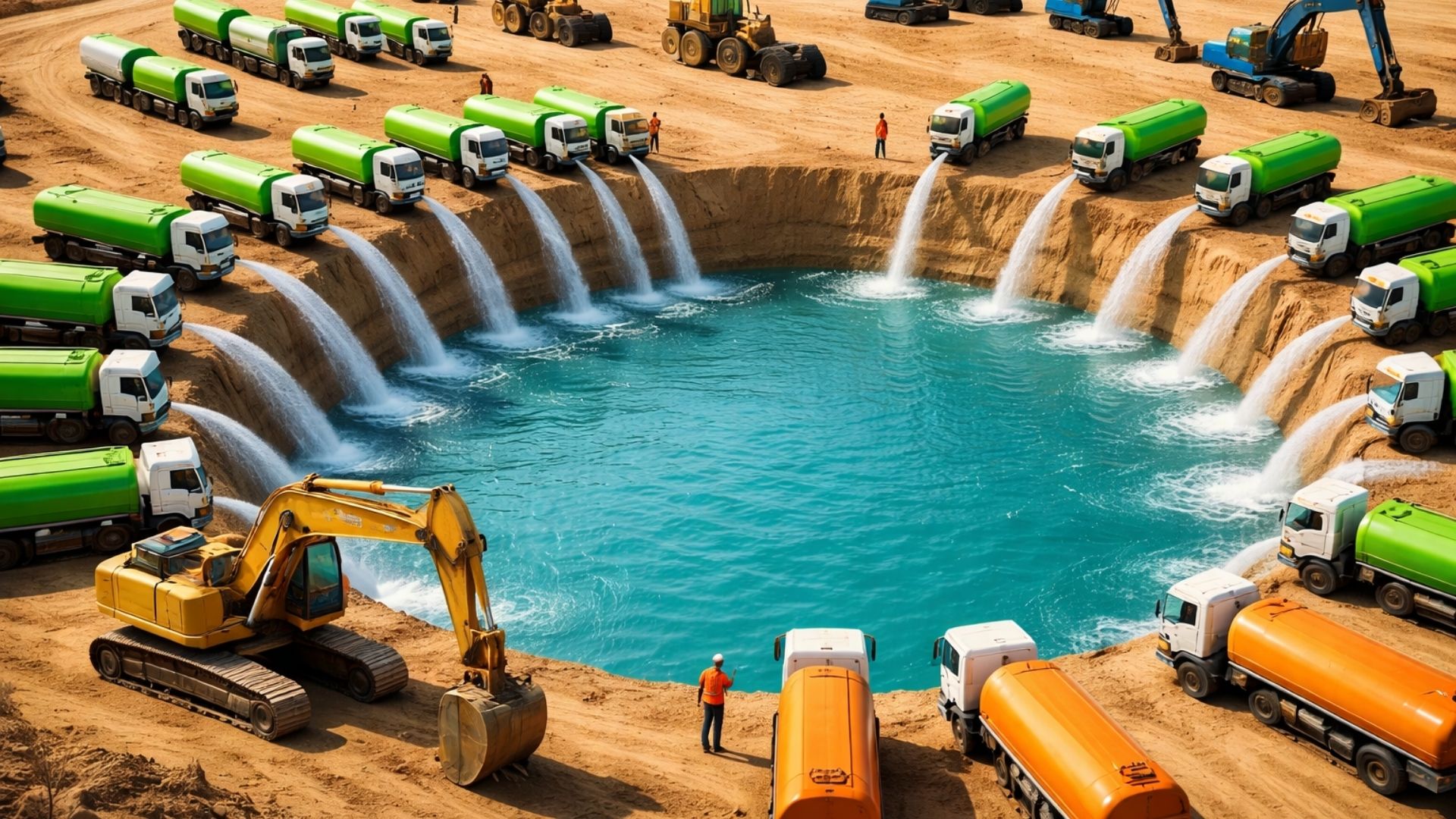


The Israeli Water System Connects Northern Sources to Arid Areas, Integrates Mediterranean Desalination, and Reorganizes Water Distribution on a National Scale, With Direct Impact on Urban, Agricultural Supply, and Water Scarcity Management in Regions Near the Negev Desert.
Israel has structured, over decades, a national water infrastructure system aimed at transporting water from the wetter northern regions to areas with greater scarcity, including zones near the Negev Desert.
At the center of this arrangement is the National Water Carrier, known internationally as the National Water Carrier, an integrated network of about 130 kilometers in its main axis.
The system comprises open channels, tunnels, pressurized pipelines, reservoirs, and pumping stations that connect water sources from the north to the national distribution network.
-
Created by George Lucas with over $1 billion, a futuristic museum in the shape of a spaceship with 1,500 curved panels is about to open in Los Angeles and will house one of the largest private collections of narrative art in the world.

-
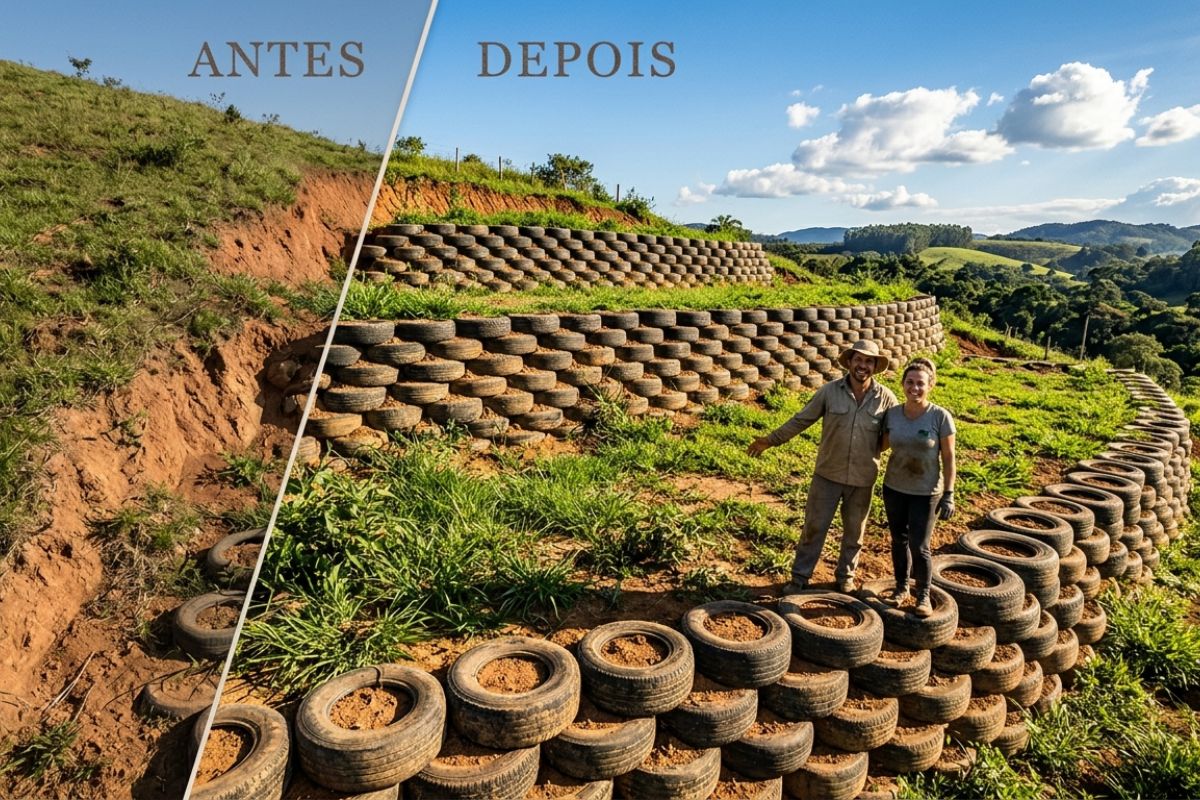
Couple shows how they built a retaining wall on their property using 400 old tires: sloped land turned into plateaus, tires are aligned, filled, and compacted with layers of soil, with grass helping in support and at almost zero cost.
-
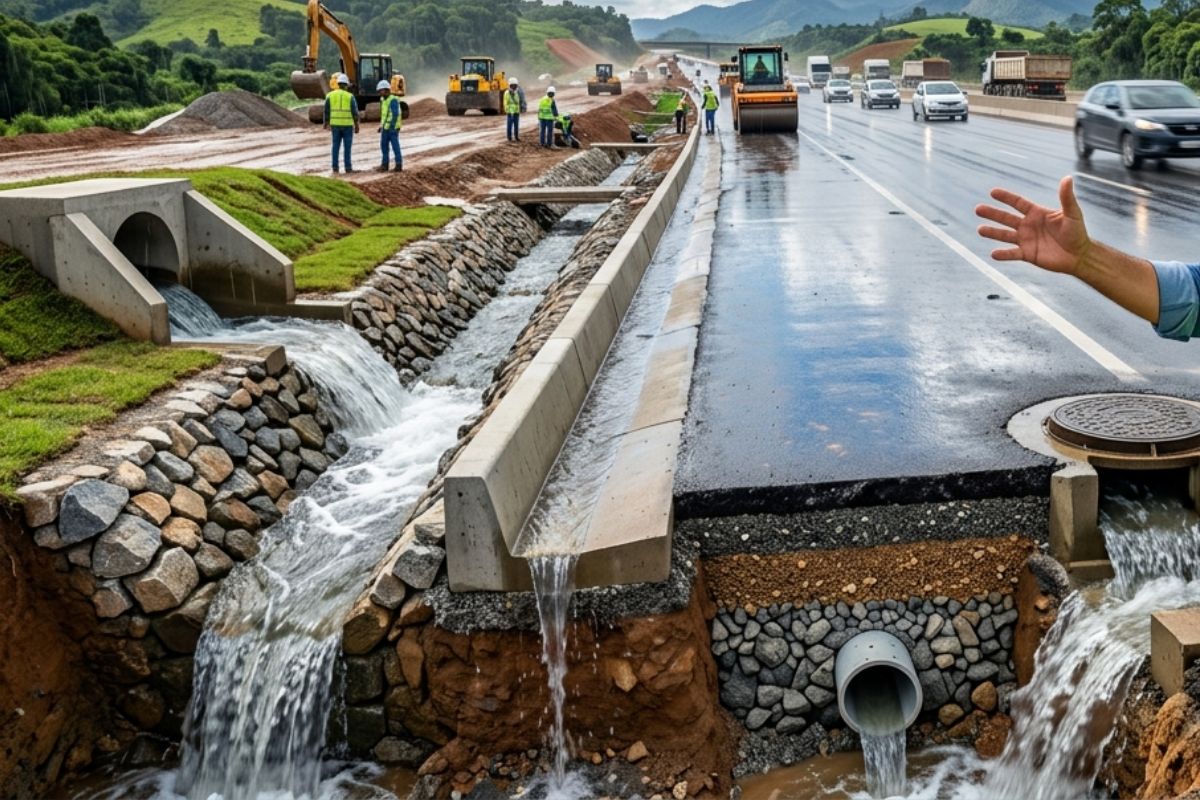
Engineer explains drainage during the rainy season: the difference between surface water and deep water, ditches, gutters, and water outlets on the road, as well as drains and drainage mattresses, to prevent erosion, aquaplaning, and flooding at the construction site today.
-
With 55 floors, 177 meters in height, a 15-meter walkway between the twin towers, ventilated facade, and 6,300 m² of leisure space, Ápice Towers already has one tower completed and another nearly at the top.


The project’s design dates back to the early 1950s, with construction starting in 1953 and completion recorded in 1964.
At that time, it was the largest civil engineering project ever undertaken in the country, with an estimated cost of approximately 420 million Israeli liras, according to official records from the period.
The initiative responded to a structural need: to deal with irregular rainfall, reduce pressure on aquifers, and ensure a stable supply for a growing population and agriculture, a strategic sector in the formation of the State.
Planned Water Infrastructure to Cross Arid Regions

Although often described as an “artificial river,” the National Water Carrier does not correspond to a natural watercourse excavated in the desert bed.
It is a water transfer infrastructure, designed to transport large volumes of water across the territory, combining open-air segments and underground stretches.
Water resource specialists often highlight that the image of a river flowing through the desert is partly due to the presence of large open channels.
One of the most cited examples is the Beit Netofa valley canal, about 17 kilometers long, built with an oval base to adapt to the local soil geological characteristics.
Seen from above, this type of structure creates the visual impression of a continuous band of water crossing arid and agricultural areas.
Along the route, the system integrates with regional branches, such as the Yarkon-Negev axis, responsible for supplying water to localities in the center and south.
Its operation depends on strict control of flow, pressure, and quality, as failures in gates, pumps, or reservoirs can compromise the supply of entire municipalities or extensive agricultural areas.
Water Redistribution and Effects on the Israeli Territory

The implementation of the National Water Carrier occurred within a context of strong concern for water security.
The available natural sources, such as rivers and aquifers, faced clear limits in light of demographic and agricultural expansion.
Historical documents indicate that, in the early years of operation, most of the transported water was intended for irrigation, while urban consumption grew gradually.
Over time, this proportion changed.
Data from Israeli agencies show that domestic and urban use began to represent an increasing share of the demand, reflecting changes in the country’s demographic and economic profile.
Still, the infrastructure allowed sustainable agricultural projects in regions less favored by rainfall, as long as associated with rational water use techniques.
In this context, Israel began to be cited in international studies as one of the countries that invested most in localized irrigation systems, like drip irrigation.
According to researchers in the field, the adoption of these technologies aimed to reduce losses by evaporation and infiltration, common in dry climate environments, and maximize the use of each cubic meter transported.
Mediterranean Desalination Changes the Supply Matrix
Starting in the 2000s, the Israeli water system underwent a significant inflection with the expansion of desalination plants along the Mediterranean coast.

Primarily based on reverse osmosis, these plants started converting seawater into potable water on an industrial scale.
Reports from industry institutions indicate that, with the operation of five large plants, desalination began to account for a significant share of urban supply.
In certain years, official estimates indicate that more than 60% of the water consumed in the country originated from the Mediterranean, reducing reliance on natural sources during prolonged drought periods.
The process involves multiple technical stages, including pre-treatment, fine filtration, and continuous control of parameters such as salinity and pressure.
After the salt is removed, the water undergoes remineralization, with chemical adjustments to meet potability standards and compatibility with the network.
Only then is it incorporated into existing reservoirs and transport systems.
Real Dimension of the National Water Network
Part of the confusion surrounding the scale of the project arises from the overlap of different data.
While the National Water Carrier is about 130 kilometers in its main axis, the water network operated in the country is much more extensive.


The state-owned company Mekorot, responsible for much of the operation, reports managing approximately 13 thousand kilometers of pipelines, in addition to hundreds of pumping stations, reservoirs, and treatment units.
Sector researchers emphasize that these figures refer to the complete distribution network, not a single continuous channel.
Still, the overall infrastructure is often cited as one of the most complex in the Middle East, both for the diversity of sources and for the level of integration between transport, treatment, and end use.
New Flows and Recent Adjustments in the Water System
In recent years, the system has also started to operate in reverse of the original direction.
In 2025, Israel began pumping desalinated water into the Sea of Galilee, the country’s main natural freshwater reservoir, with the declared aim of replenishing its levels after drought periods.
Water sector authorities presented the initiative as part of a long-term strategy for system stabilization.
This movement illustrates how desalination has ceased to be merely a supplementary source and has begun to play a central role in the management of water resources.
For analysts in the field, the infrastructure built over decades now allows for flexibility that did not exist in the early phases of the National Water Carrier.
In this context, the expression “river created in the desert” serves as a visual summary of a more complex process: not the creation of a natural course, but the implementation of a network capable of continuously conveying water through regions where natural availability is limited.
Given climate pressures and growing demand, to what extent can this model sustain Israel’s water balance in the coming decades?






Bueno, en este caso no los va a bombardear la otan, como hicieron con las obras de Gadafi
Sería bueno que se tiren los **** q asesinan a palestinos
Ублюдок-это ты.
Contratar tecnología israelí para la Patagonia colaborando en la transferencia de conocimiento.