





 Portuguese
  English
  Spanish
  4 min of reading
  0 comments


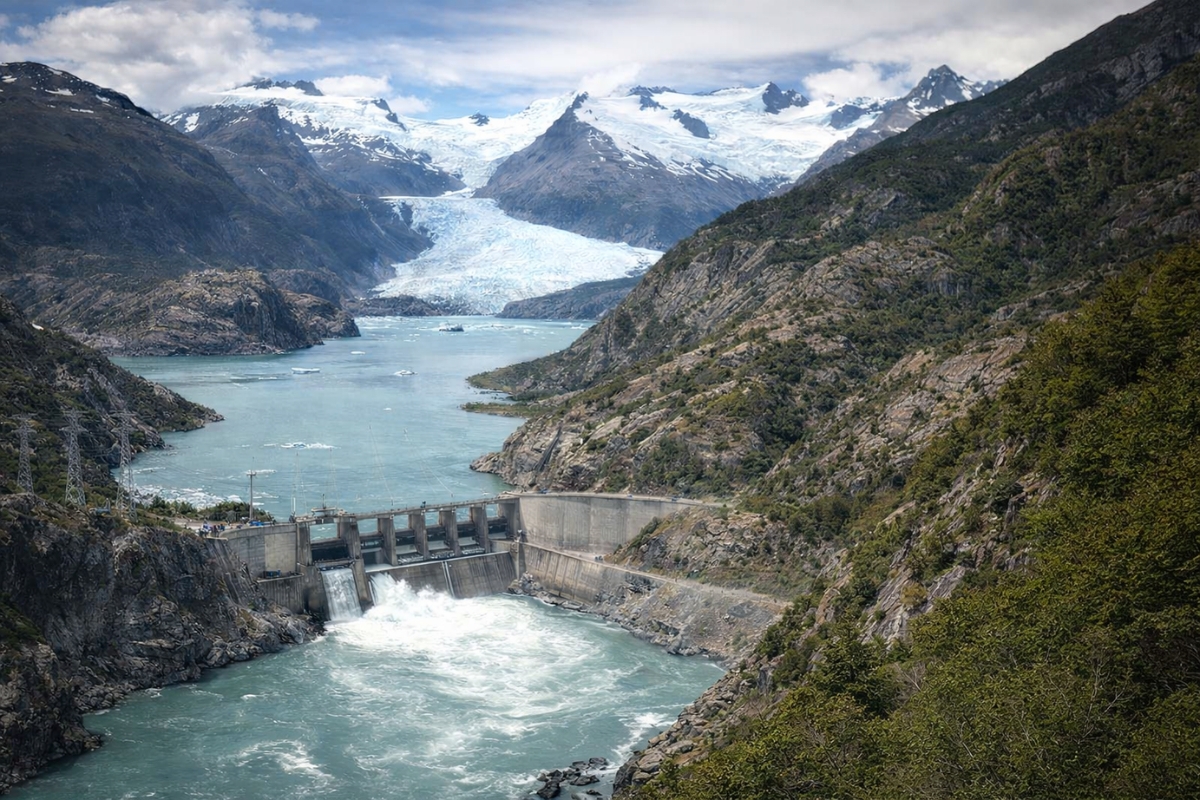
The Combination Of Accelerated Melting And Hydropower Megaprojects Can Generate Energy In The Short Term And Risk Water Scarcity And Revenue Later
Patagonia has become a warning for those who look only at today’s water volume and forget what happens when the ice runs out.
The melting can even increase the flow for a time, but this bonanza consumes the solid reserve that would sustain the rivers in the future.
In this scenario, a project like HidroAysén clashes with the climatic reality and the financial horizon of decades.
-
Created by George Lucas with over $1 billion, a futuristic museum in the shape of a spaceship with 1,500 curved panels is about to open in Los Angeles and will house one of the largest private collections of narrative art in the world.

-
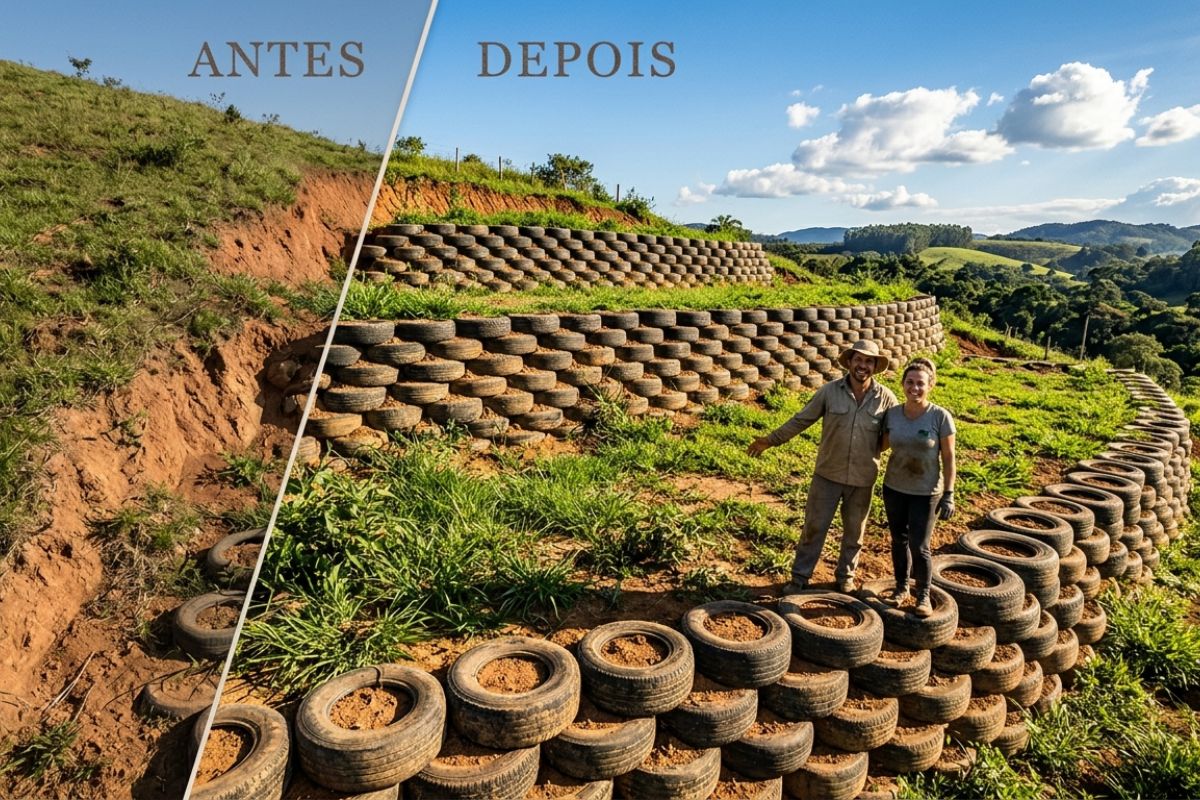
Couple shows how they built a retaining wall on their property using 400 old tires: sloped land turned into plateaus, tires are aligned, filled, and compacted with layers of soil, with grass helping in support and at almost zero cost.
-
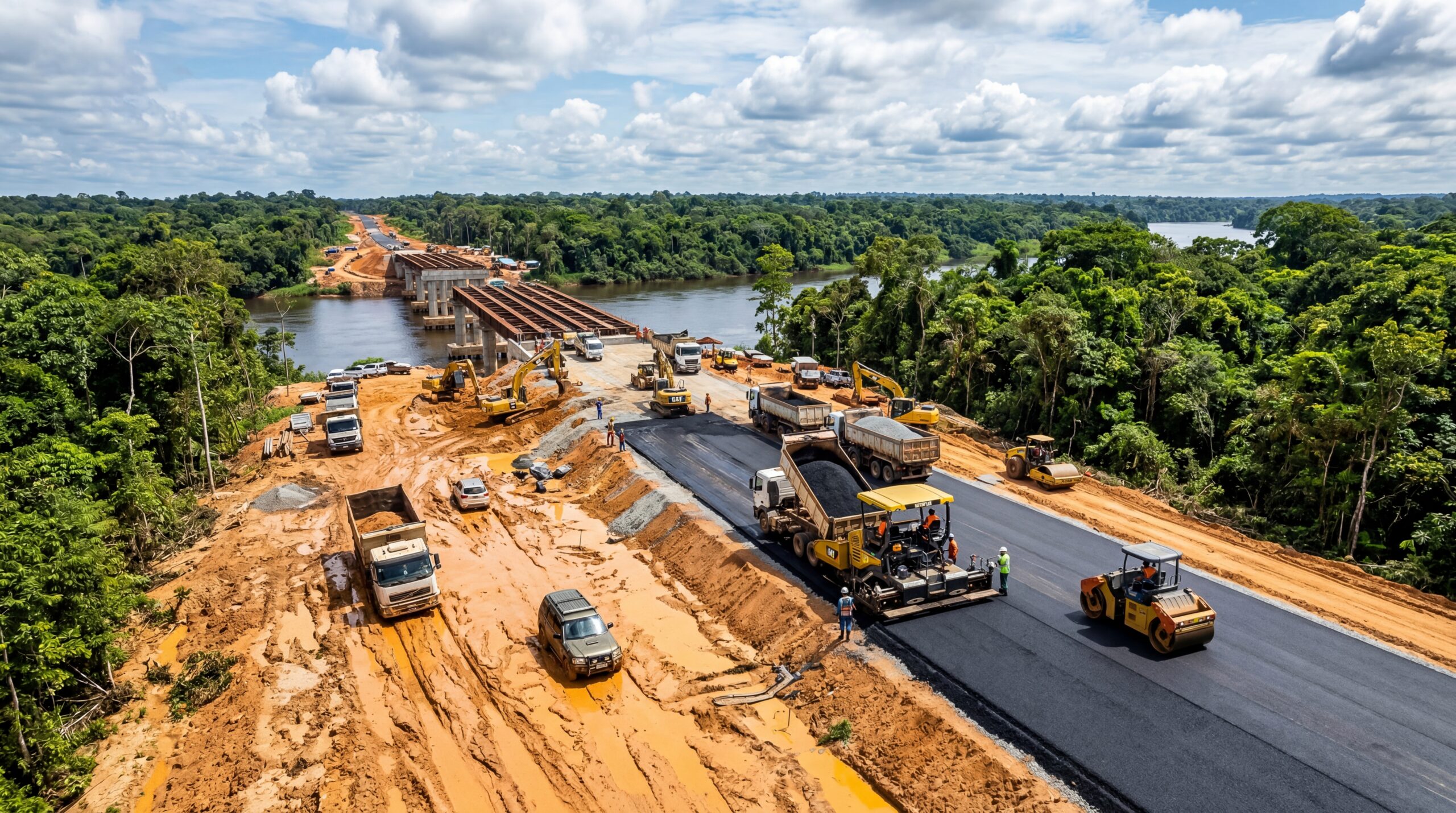
Engineer explains drainage during the rainy season: the difference between surface water and deep water, ditches, gutters, and water outlets on the road, as well as drains and drainage mattresses, to prevent erosion, aquaplaning, and flooding at the construction site today.

-
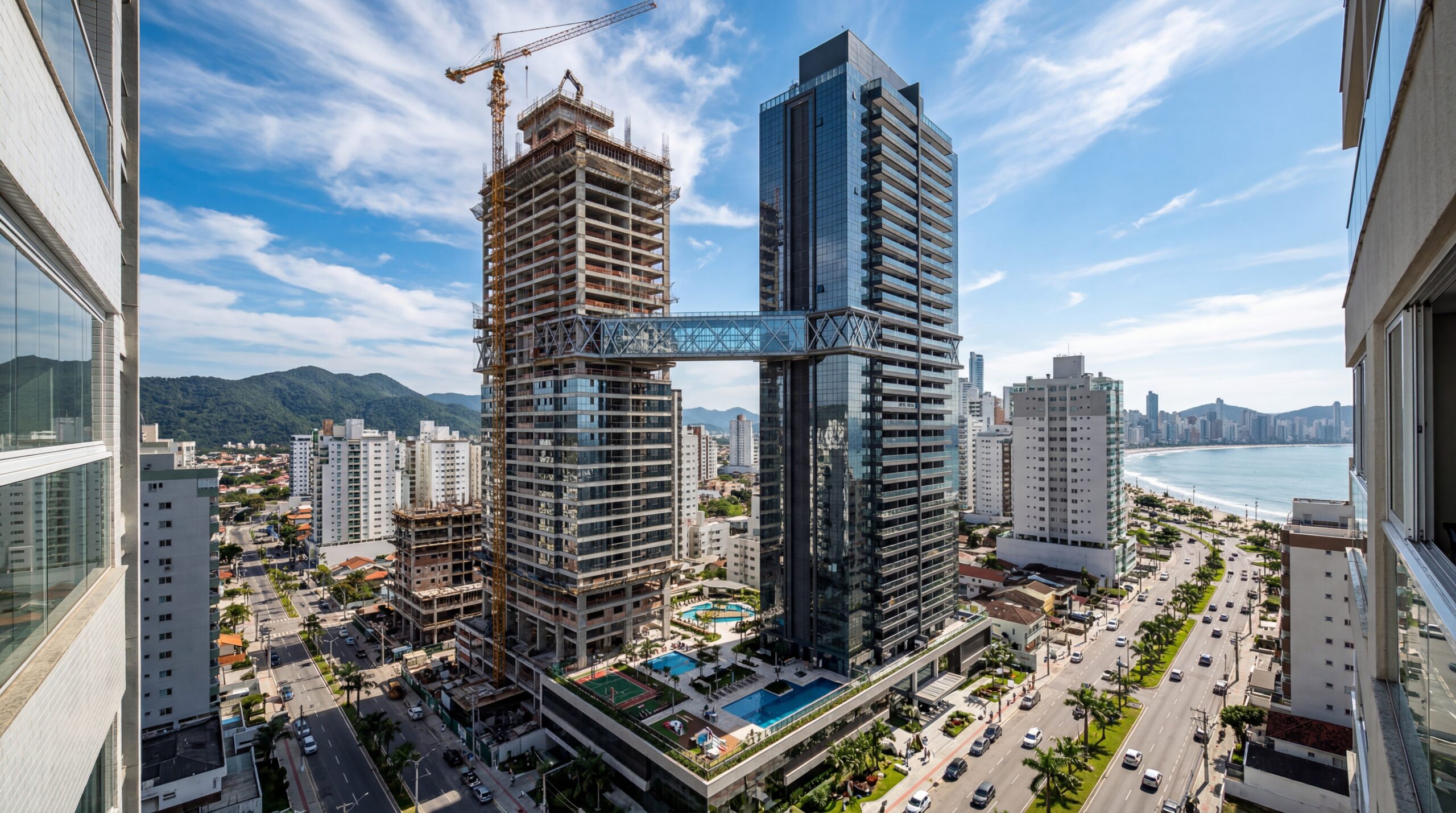
With 55 floors, 177 meters in height, a 15-meter walkway between the twin towers, ventilated facade, and 6,300 m² of leisure space, Ápice Towers already has one tower completed and another nearly at the top.

Patagonia Is Losing Ice Faster And This Changes The Behavior Of The Rivers
Patagonia is among the regions of the planet where glacier retreat occurs rapidly, with increasing volume losses over the past decades.
It’s not just the higher temperature. The melting season has become longer, which increases water availability now but accelerates ice depletion.
When the solid reserve diminishes, what seemed like abundance can turn into instability, with rivers becoming more erratic and less predictable.
HidroAysén Planned 5 Dams And Capacity Of 2,750 MW On The Baker And Pascua Rivers

The HidroAysén plan called for five dams on the Baker and Pascua rivers in the Aysén region.
The estimated installed capacity was 2,750 MW, which was equivalent to about 15% to 20% of Chile’s electrical demand at that time.
To make the system feasible, the design involved flooding thousands of hectares and installing more than 2,000 km of transmission lines through areas of high landscape and ecological value.
The “Bonanza Effect” Of Melting Can Deceive Hydropower Planning
In mountainous regions with ice, a pattern emerges: for a few decades, melting accelerates and increases flow, creating a phase of bonanza.
Then, with less ice available, input decreases and rivers become more erratic, with greater fluctuations throughout the year.
For a hydropower plant, this affects the capacity factor, which is how much the plant can generate in practice compared to the maximum it could produce.
Revenue Projected For 40 To 50 Years May Drop When Flow Starts To Fail

Plants are planned with a long horizon, often of 40 to 50 years, because the investment depends on decades of operation to break even.
When flow increases in the beginning, generation may seem excellent, raising revenue expectations.
The problem arises when flow begins to decline and irregularity increases, reducing generated energy and creating a difficult-to-compensate gap later.
Sediments And Siltation Can Reduce The Reservoir Before The End Of The Project
The retreat of glaciers also alters the sediment load. In the short term, more fine material may reach the reservoirs.
This accelerates siltation, which is the accumulation of sediments that reduces the useful volume of the reservoir before the end of the project’s life.
In basins like Baker and Pascua, factors such as landslide instability, changes in water quality, and pressure on fishing, tourism, and livelihoods connected to free rivers and lightly altered landscapes come into play.
In 2014, The Chilean Government Canceled HidroAysén After Protests And Legal Disputes
In 2014, after years of protests and legal disputes, the Chilean government revoked the environmental authorizations of HidroAysén.
The debate involved impacts assessed as underestimated on ecology, communities, and the landscape of Patagonia.
At the same time, the advancement of renewables like solar and wind in the Atacama Desert and more demanding climate scenarios diminished the appeal of megaprojects reliant on glaciers that are rapidly receding.
The Lesson For New Hydropower Projects Is Simple: Melting Ice Is Not A Guarantee Of Constant Water
Hydropower planning in glacial areas needs to include the peak melting moment and the subsequent drop in flows.
Without this, there is a risk of oversized infrastructure, with performance below expectations and difficult-to-recover costs.
This type of project also tends to face the risk of stranded assets, when an investment loses value before the expected end because the context has changed, whether due to water, climate, or economic viability.
Patagonia demonstrates how accelerated melting, megaprojects, and long-term finances can come into conflict.
The practical message is clear: today’s water does not guarantee tomorrow’s energy, and the cost of ignoring this may appear long before the end of the project.









-

-

-

-

-

9 pessoas reagiram a isso.