





 Portuguese
  English
  Spanish
  4 min of reading
  25 comments


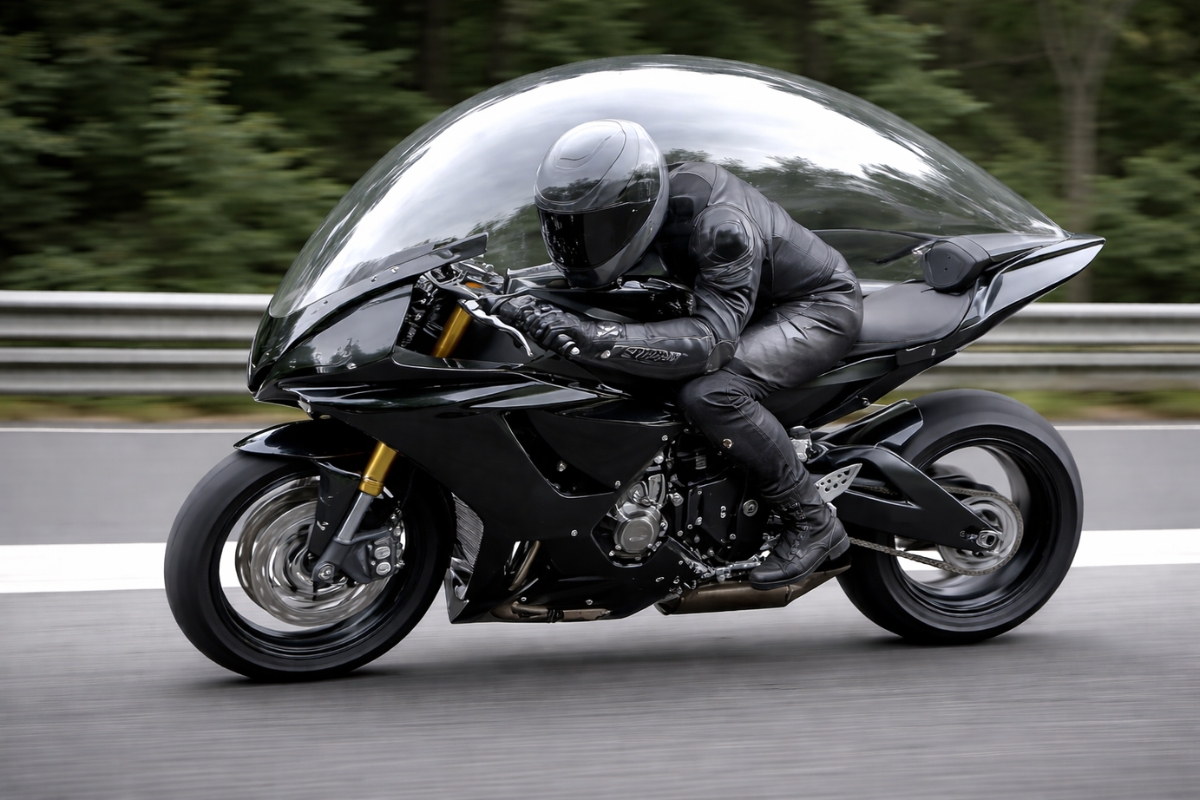


Frontal Structure Creates Direct Physical Protection for the Rider and Alters the Relationship with Wind and Water on the Road
In a closed work environment, a common motorcycle undergoes a transformation that completely changes its interaction with the weather. A rigid and transparent cover is manually built and installed at the front of the vehicle, creating a continuous barrier between the rider and the external environment.
The process does not involve electronic systems or internal engine modifications. All changes occur through form, material, and assembly. The result is a visually dominant structure, integrated with the motorcycle’s design and clearly engineered to face direct rain and headwind.
What stands out is not just the final result, but the journey to it. Each stage reveals manual effort, repetition of gestures, and careful control of the material, showing how a physical adaptation can redefine the everyday use of a vehicle.
-
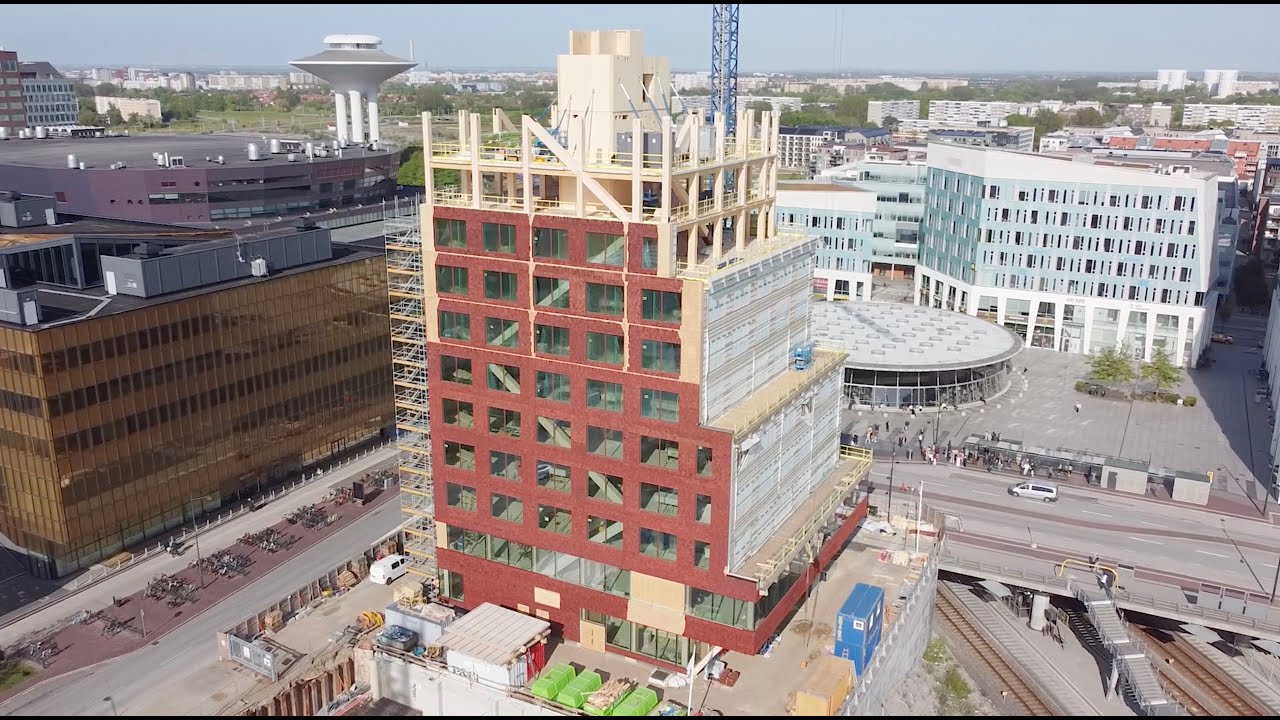
In Sweden, a 51-meter tower was built almost entirely of wood, without a concrete structural core and with solar panels integrated into the facade, using CLT and laminated beams to challenge the dominance of steel and concrete in modern buildings.
-
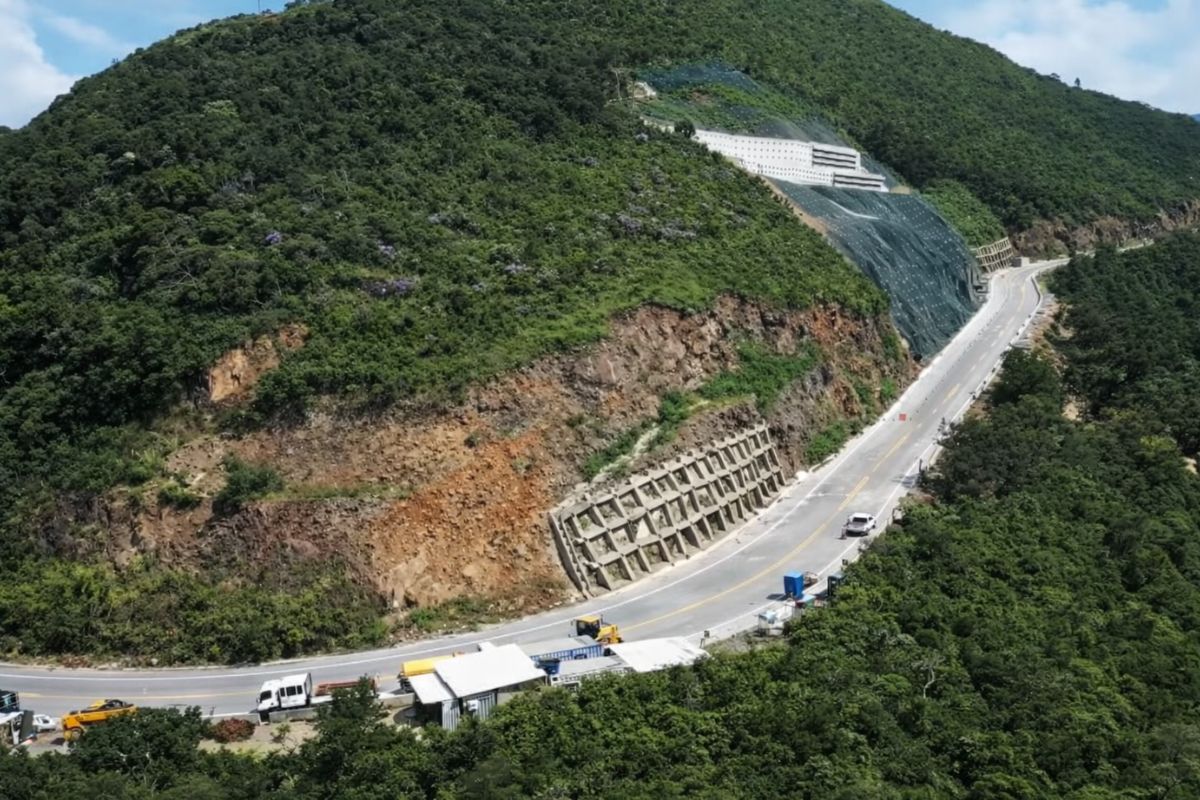
The section of Serra da Rocinha on BR-285 is now open in Timbé do Sul: 50 m tensioned curtains and top-down technique stabilize the slope, with a stairway duct controlling the water.
-
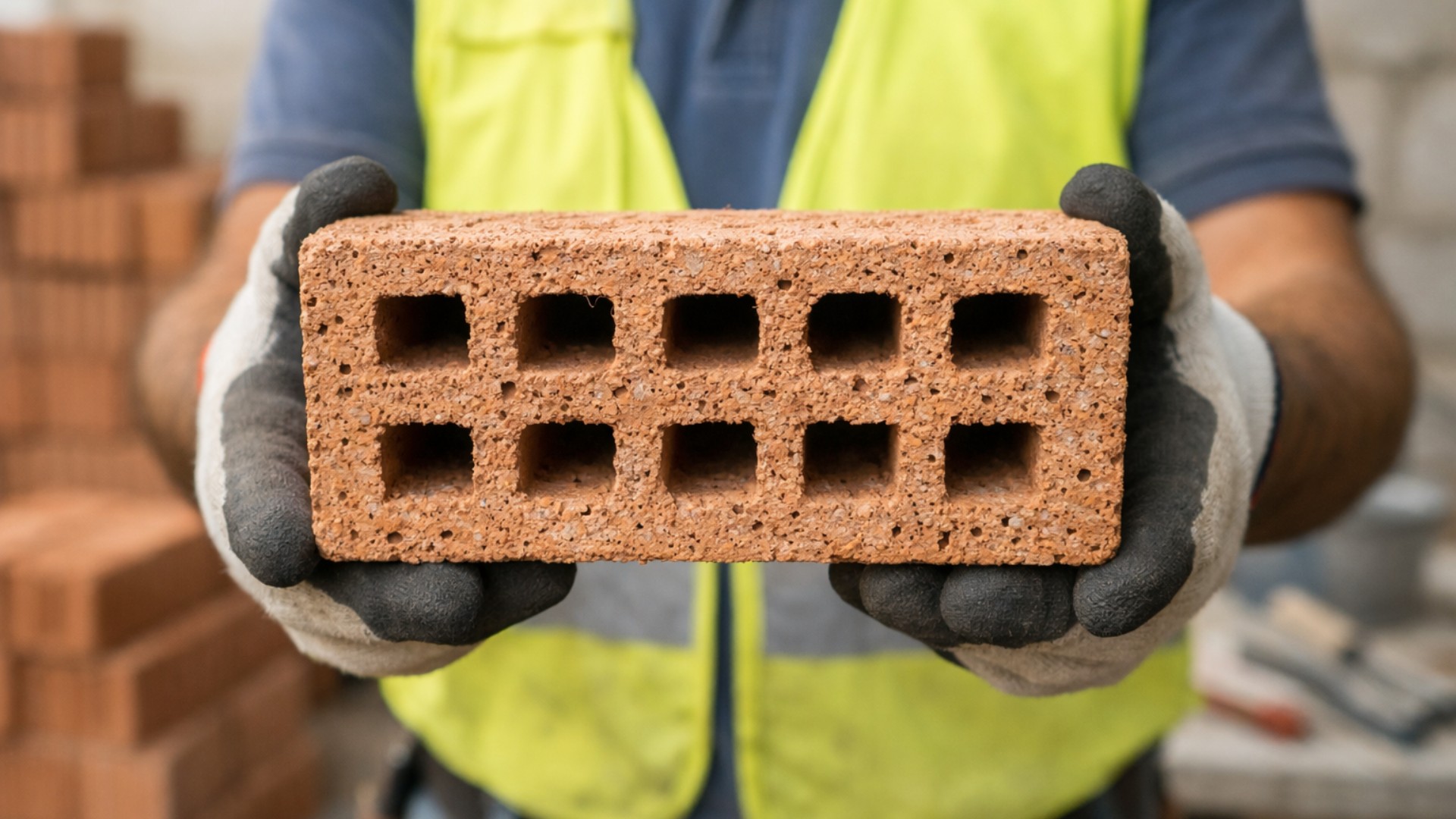
Scientists use sawdust mixed with clay to create a lighter brick, promising efficient thermal insulation and impressing by transforming waste into a solution for construction.
-
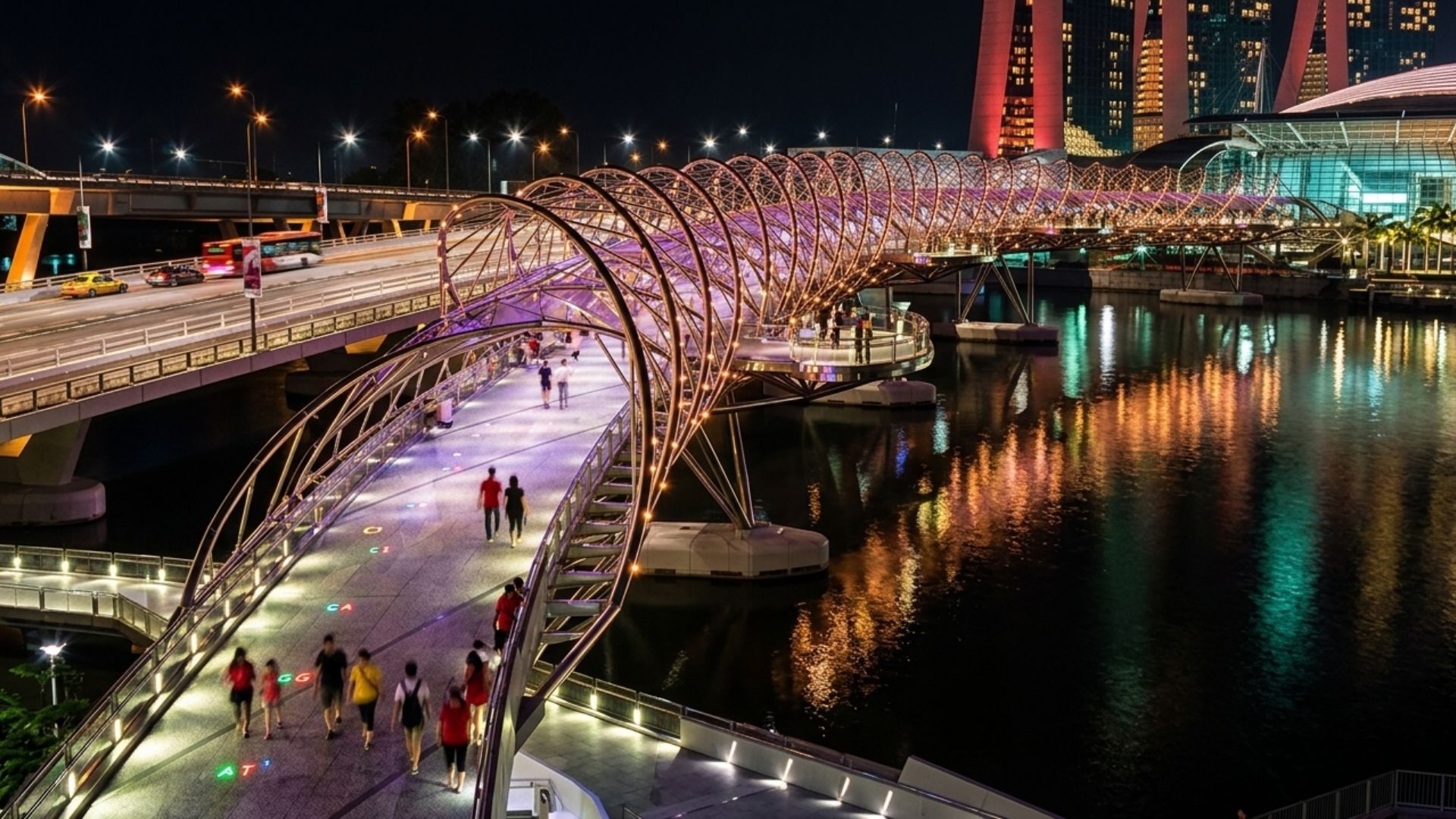
With a DNA shape, this bridge in Singapore draws attention in modern architecture and surprises tourists by transforming a simple crossing into an unforgettable visual experience in the urban heart.
Handcrafted Mold Defines the Volume and Reach of the Front Protection

The starting point of the project is the construction of a voluminous mold made from a solid, lightweight-looking material. The piece is crafted directly on a workbench, occupying nearly the entire frontal width of the motorcycle.
The shaping occurs through scraping, application of putty, and constant sanding. Hands traverse the surface repeatedly, adjusting curves and eliminating irregularities until a continuous and symmetrical volume is formed.
This mold is not just a visual reference. It defines the height, tilt, and depth of the cover, determining how much of the rider will be protected and what space will be available for handlebar movements.
Heating the Transparent Material Allows Controlled Shaping

With the mold ready, a large transparent sheet begins to be prepared. The material has a smooth, reflective surface, indicating a rigid plastic used in structural applications.
The sheet is heated in a distributed manner, with constant movements to avoid irregular deformations. Gradually, the material loses rigidity and becomes pliable without losing visual integrity.
This control of heating is crucial. If the material heats too much, it loses shape. If heated too little, it won’t adapt to the mold. The right point ensures sufficient flexibility for the next step.
Shaping Creates a Seamless Unique Piece

At the moment of shaping, the heated sheet is positioned directly over the mold. Pressure is applied uniformly, causing the material to follow every curve of the solid base.
The descent occurs gradually. The sheet adjusts to the previously defined volume, creating a continuous surface that covers the entire planned frontal area.
The result is a unique piece, with no visible divisions or joints. This characteristic reduces weak points and reinforces the visual rigidity of the cover.
Cutting and Finishing Ensure Precise Fit on the Motorcycle

After cooling, the molded piece is removed and taken back to the workbench. The excess edges are marked and cut precisely, defining the final contour of the cover.
Holes are also made at strategic points for fastening with screws and metal supports. Each point is visually aligned to avoid excessive tension on the transparent material.
The finishing removes burrs and residues, keeping the surface clean and clear. This care directly influences the rider’s visibility during operation.
Fastening Integrates the Structure with the Mechanical Set

The cover’s installation occurs directly on the motorcycle. Metal supports are positioned near the chassis and the frontal area, creating stable anchoring points.
The screws are tightened gradually, with constant checks. The movement of the handlebars is tested multiple times to ensure that the new structure does not limit steering or interfere with controls.
With the fastening completed, the motorcycle now has a solid frontal physical barrier that moves naturally with the front assembly.
Final Adjustments Refine Use in Adverse Conditions
Before completion, small adjustments are made. Screws are re-tightened, angles corrected, and gaps eliminated to reduce vibrations during use.
The work requires a bent posture, repeated effort, and attention to detail. The space around the motorcycle is confined, making each adjustment even more careful.
The final result is an integrated modification that alters the riding experience without modifying visible internal components or the rider’s basic position.
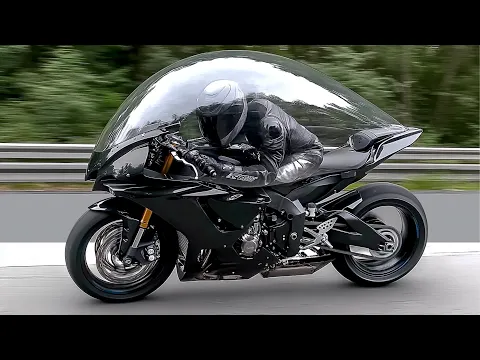

Throughout the entire process, the most decisive factor is the precise shaping of the transparent sheet over a well-defined mold. Form and fit determine the efficiency of protection and the stability of the assembly.
This adaptation shows how direct physical solutions, based on manual work and understanding of the material, can transform the relationship between motorcycle and environment. The impact lies in the reduction of the rider’s exposure and the enhancement of the vehicle’s use in rain and strong wind situations.







Nenhum corpo aguenta tanto tempo na mesma posição durante uma viagem longa de moto, imagina o incomodo de uma viagem longa
Além do vídeo sobre está montagem ser antigo a foto da capa não tem nada a haver com que realmente foi criado!!!!!
Neste caso o motociclista é obrigado a ficar nessa posição até no semáforo. 😬😂😂😂😂