





 Portuguese
  English
  Spanish
  2 min of reading
  0 comments



Shanghai Gigafactory Became One of the Largest Electric Vehicle Factories in the World, With Daily Production of Thousands of Units
Tesla operates one of the largest and most efficient car factories on the planet in China. The Shanghai Gigafactory, located in the city of Shanghai, produces hundreds of thousands of electric vehicles per year and has established itself as one of the main industrial hubs for the automaker worldwide.
The Chinese plant stands out for its production scale, high level of automation, and industrial pace that few factories can match.

Where It Is and Why This Factory Is Strategic
The Gigafactory is located in the Lingang Free Trade Zone in Shanghai, one of the most modern industrial regions in China. The location offers:
-
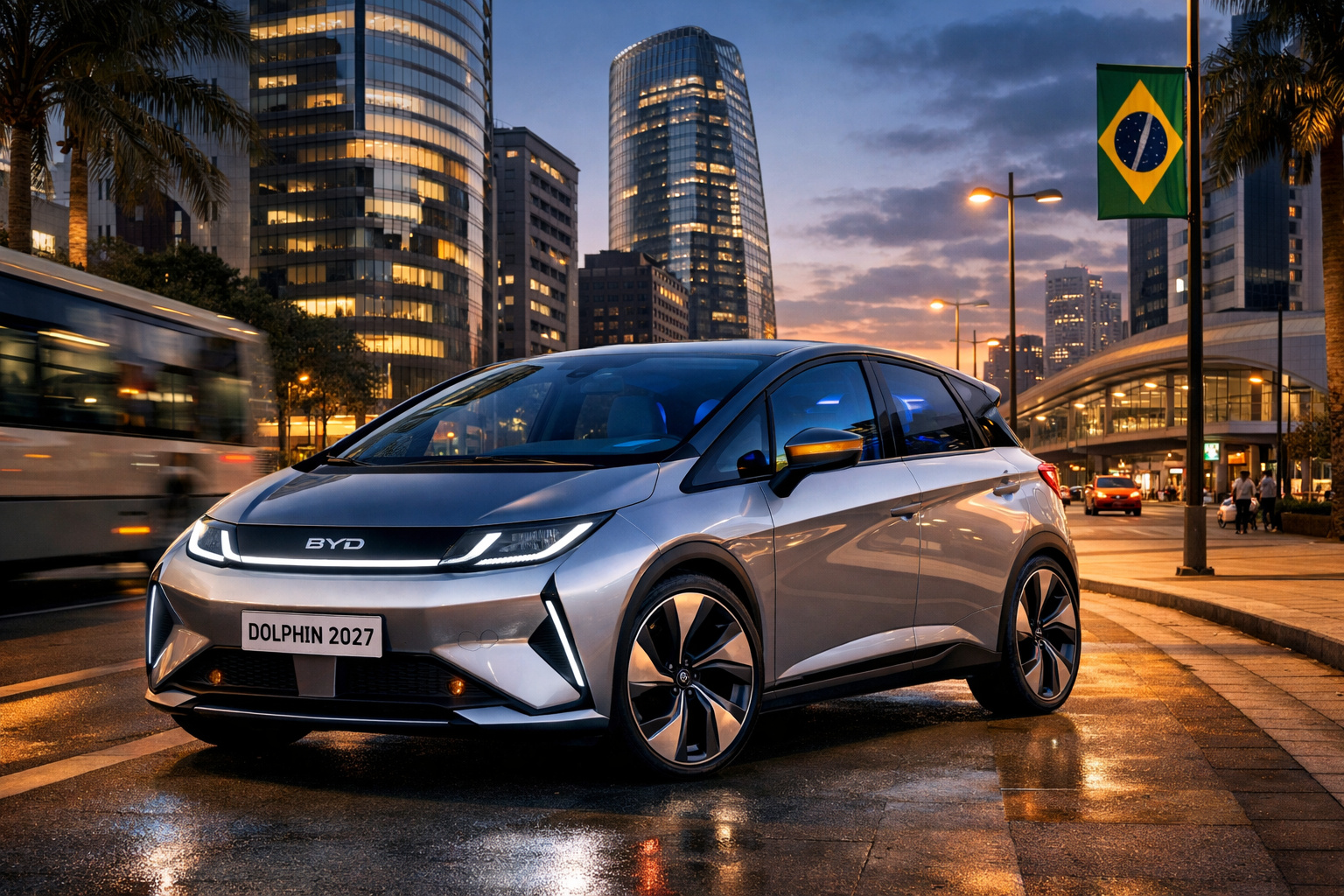
BYD Dolphin 2027 gains more power, increases in size, changes interior, and abandons controversial feature to face new competition in Brazil.
-
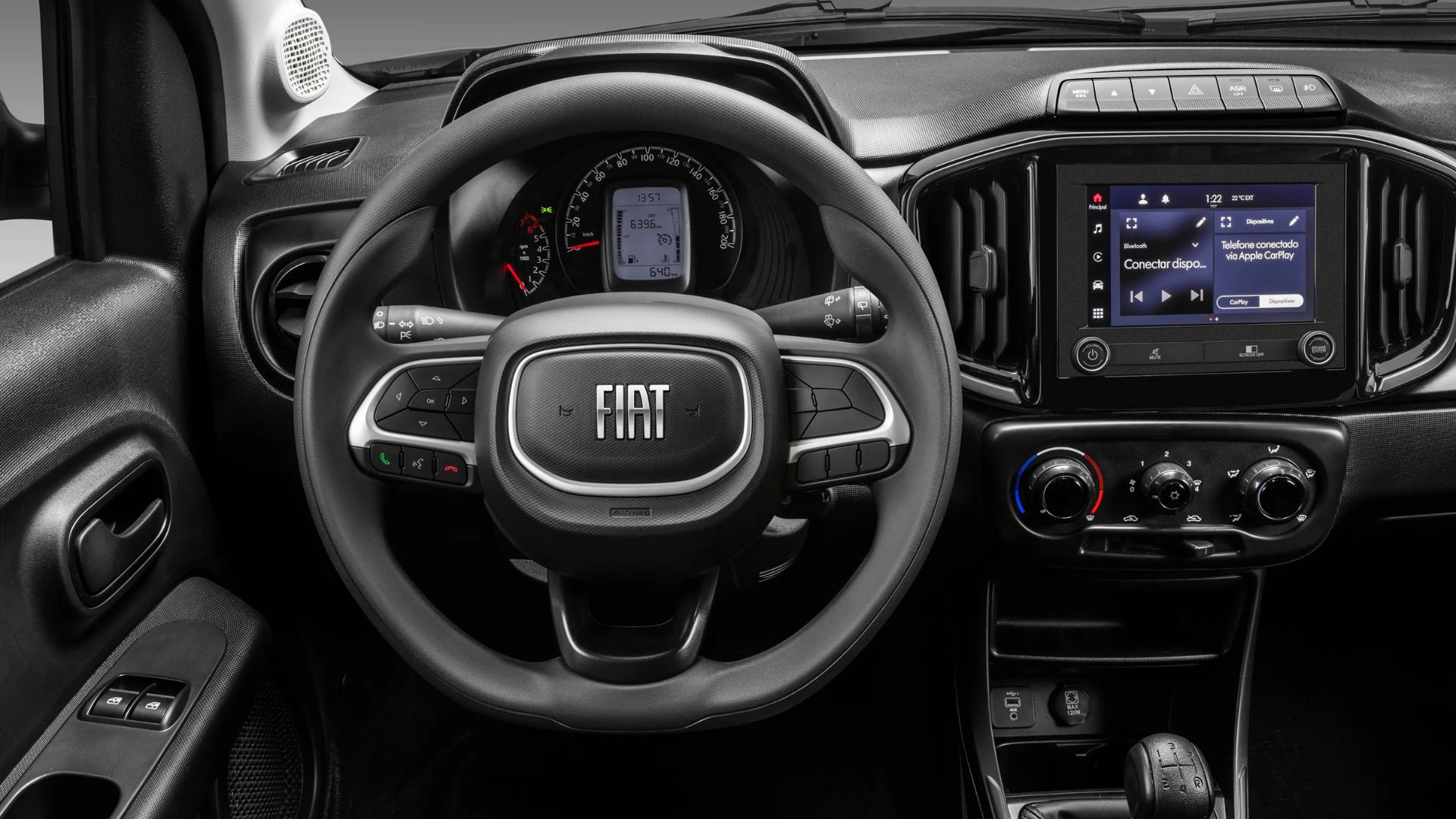
With a 1.0 engine producing 75 hp and costing less than R$ 70,000, Fiat’s car returns to the podium as the cheapest in the country; a temporary promotion for the 2026 Like version reduces the price of the Fiat Mobi.
-
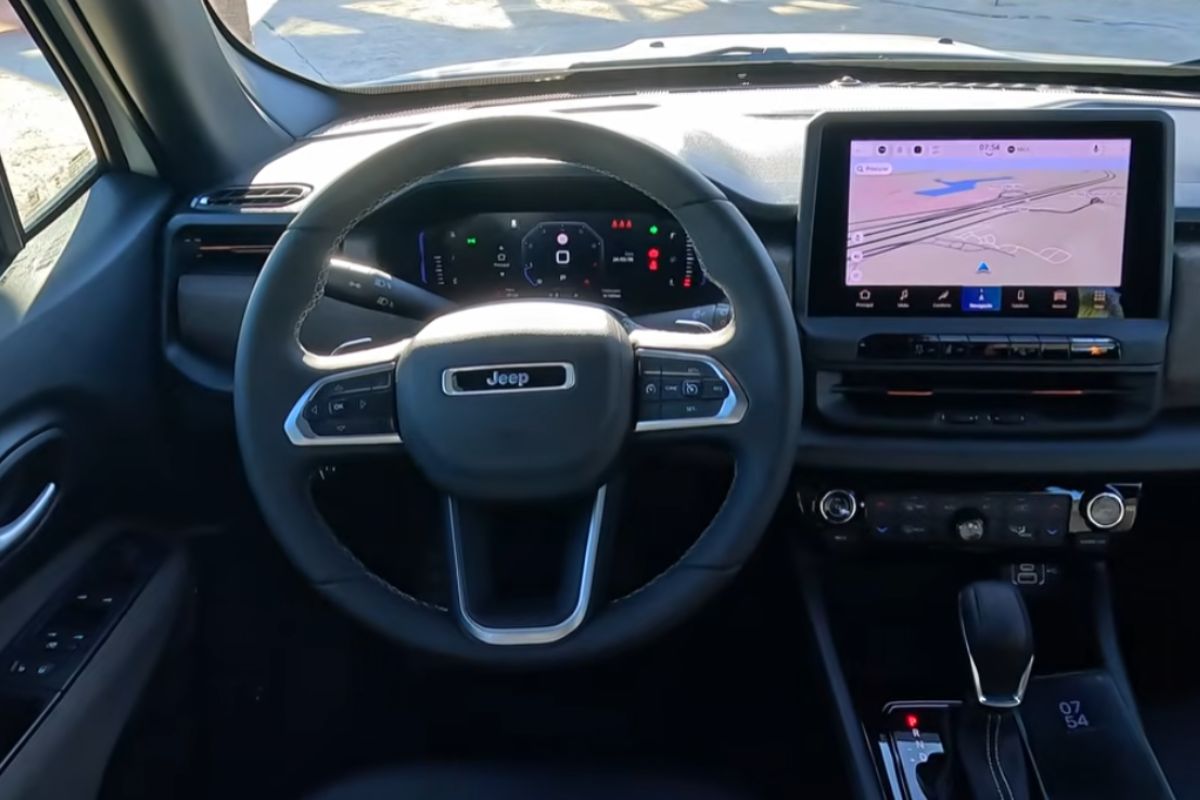
With a mild hybrid system of 48 V, 176 hp and a price of R$ 175,990 in the Sahara version, the new Jeep Renegade changes mostly on the inside, improves slightly in fuel consumption, and remains almost the same car.
-
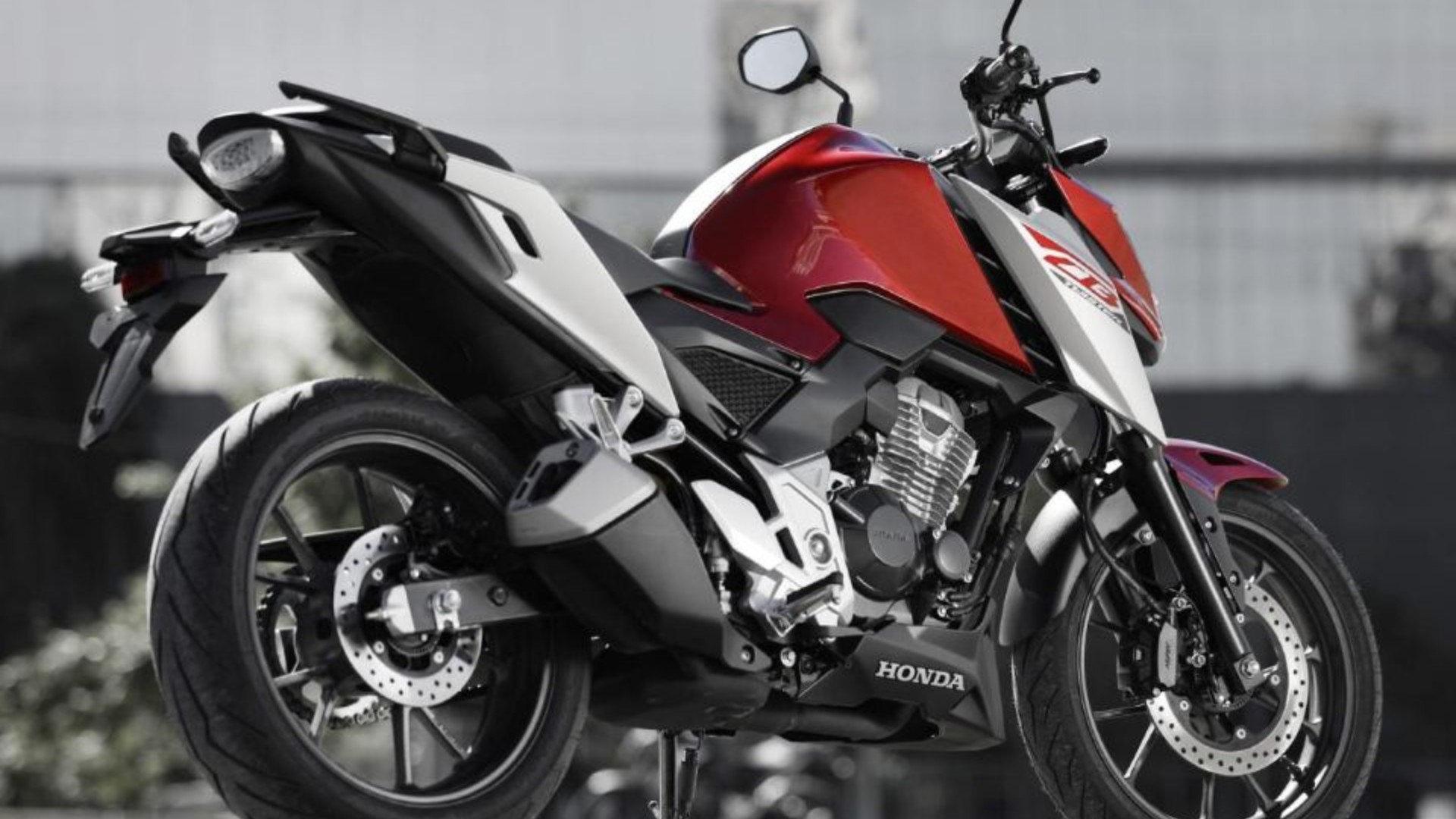
With a 293.5 cm³ engine and a range of up to 400 km with a 14.1-liter tank, the Honda CB 300F Twister 2026 has up to 24.7 hp, an initial price of R$ 25,150, and already exceeds R$ 29,000 in the Fipe Table.

- integrated logistics,
- proximity to ports,
- fast access to battery and component suppliers.
This allows the factory to operate with lower costs and greater speed, making it essential for supplying the Asian and European markets.
How Much the Factory Produces: Impressive Numbers
Data released by Tesla and international agencies indicate that the Shanghai Gigafactory:
- has an annual capacity of over 750,000 vehicles,
- can produce more than 2,000 cars per day during peak periods,
- accounts for a significant portion of Tesla’s global exports.
For comparison, many Brazilian factories produce between 150,000 and 250,000 vehicles per year, highlighting the difference in industrial scale.
Automation and Speed Explain Productivity
The Chinese plant is highly automated, with:
- robotized assembly lines,
- digital integration of processes,
- optimized internal logistics.
This model reduces costs, increases production predictability, and allows Tesla to quickly adjust volume according to market demand.
China vs. Brazil: Difference in Industrial Scale
While the Shanghai Gigafactory operates with an annual production close to 1 million vehicles, Brazil maintains factories focused on regional markets with lower volumes, primarily aimed at the domestic market.
The difference is not only in the physical size of the plant but also in the industrial strategy, which in China prioritizes scale, export, and technological integration.








-

-

2 pessoas reagiram a isso.