





 Portuguese
  English
  Spanish
  4 min of reading
  0 comments


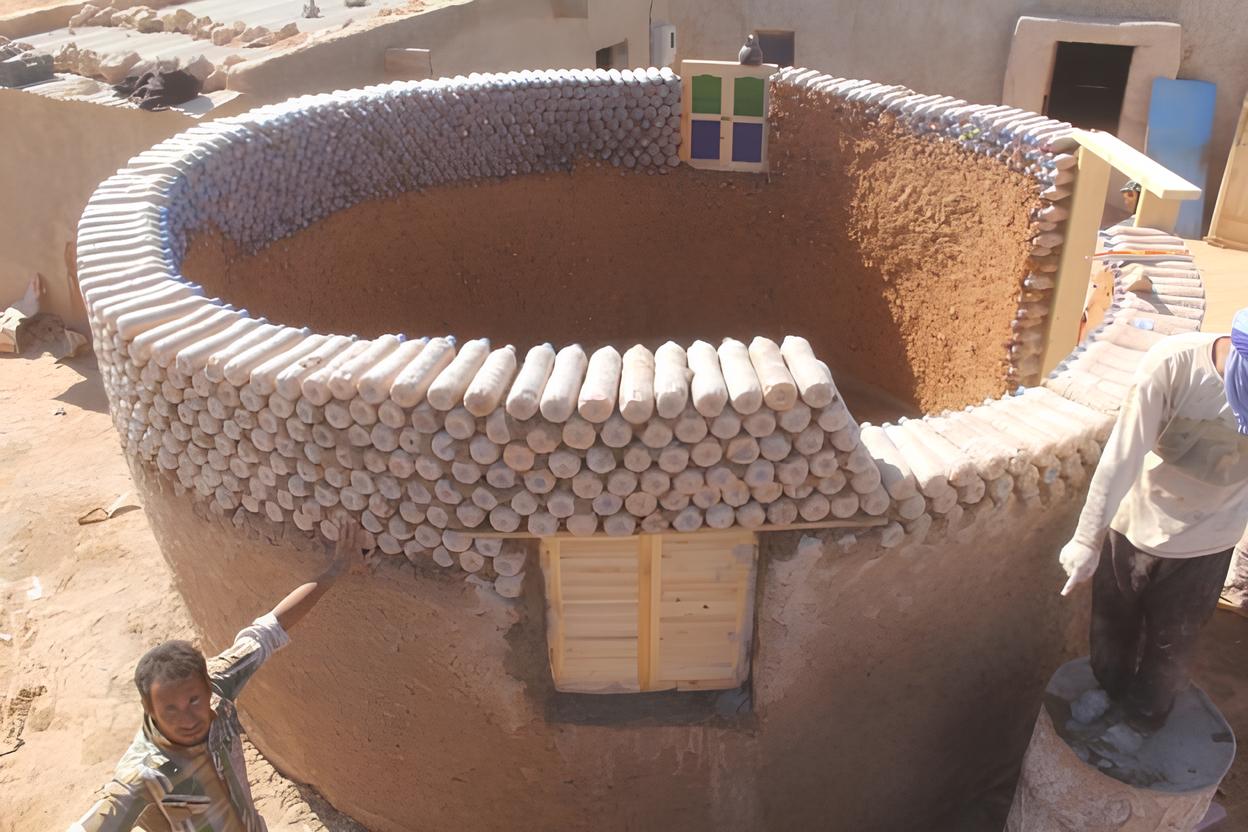
PET Bottles Filled With Sand Form Strong Walls With Good Insulation And Low Cost, And Are Emerging As A Sustainable Alternative To Clay Bricks.
Wall Made With PET Bottles? The advancement of sustainable construction has revealed solutions that, just a few years ago, would have seemed unlikely within the sector. Among these innovations, one technique has caught the attention of engineers, architects, and researchers: the use of PET bottles filled with sand to build walls with structural and thermal performance that rivals and in some cases surpasses traditional clay bricks. This approach, which already appears in social projects, university studies, and prototypes for affordable housing, demonstrates how a common waste product can be transformed into a durable, resistant, and very low-cost building material.
Although there is still no comprehensive regulation for the direct substitution of bricks, the results of tests conducted in universities and technical institutes show that PET walls have real potential for future applications, especially in sustainable projects, community works, and low-budget constructions. What was once seen only as an experimental idea is beginning to gain legitimacy as research progresses and tests confirm increasingly robust performance.
How The Technique Works: The “Brick” Made From A Bottle That The World Discards
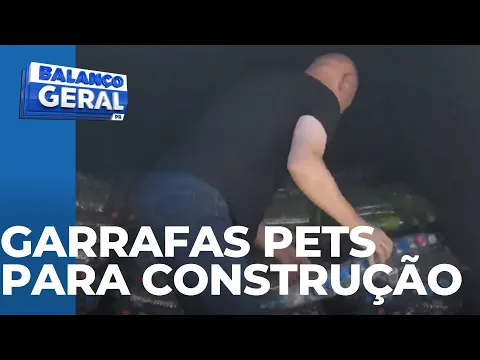
The methodology is simple but extremely efficient. The PET bottles are filled with dry, compacted sand.
-
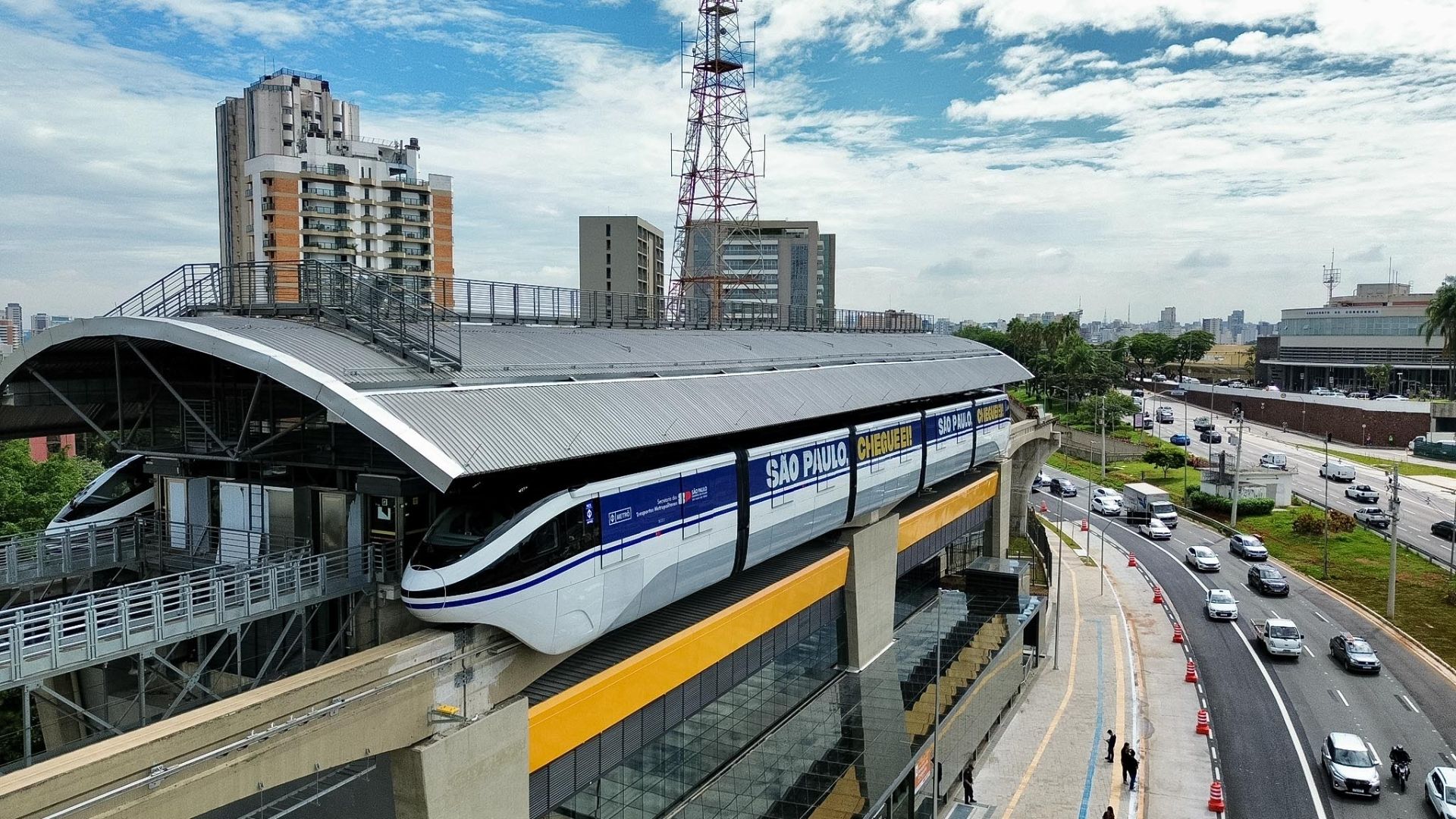
The project that was supposed to be ready for the 2014 World Cup in Brazil debuted with a 12-year delay and nearly R$ 6 billion invested: the Line 17-Gold of the São Paulo monorail opened with reduced hours and is only expected to operate fully in October.
-
Neither the Pyramids nor the Great Wall of China, this gigantic construction in Spain is the human mark on planet Earth that intrigues the most when seen in images from space.
-
Surrounded by cliffs, mist, and chilling stories, the ancient Hotel del Salto has been reborn as a museum while still unable to shake off its reputation as a haunted place.

-
This star-shaped fortified construction, hidden near the border of Spain, may be the largest fortress on the planet.



Then, they are arranged in rows like bricks and tied together with strong string or nets. Finally, everything is covered with a layer of mortar. The result is a structurally lightweight wall on the outside but surprisingly solid on the inside.
This “alternative brick” works because:
- the PET bottle acts as a permanent mold;
- the sand functions as compact mass, increasing resistance;
- the bottle distributed between layers creates internal zones of cushioning and insulation;
- the final system, filled with grout and mortar, forms a cohesive block.
In comparative tests, some PET walls have managed to withstand vertical loads that equal or even surpass certain types of low-density ceramic bricks, especially when the internal compaction is well executed.
This does not mean it completely replaces bricks in any project, but it demonstrates that there is real space for functional and low-cost applications.
Why Engineers Are Paying Attention To This Solution
The technical interest is associated with three main factors: performance, sustainability, and cost.
Surprising Resistance
Brazilian, Mexican, and Nigerian university studies have shown that filled PET bottles can achieve significant compressive loads, especially when integrated with appropriate mortars. This resistance comes from the combination of the rigidity of the bottle and the internal weight of the sand, which distributes stresses evenly.
Above-Average Thermal And Acoustic Insulation
The presence of air chambers around the bottle, combined with the internal density of the sand, creates a barrier that reduces both heat transfer and noise passage. Research indicates thermal efficiency superior to common bricks, which can result in more comfortable environments.
Extremely Low Cost
PET bottles are abundant in urban waste. Sand is easily found in almost any region. In many social projects, the cost of an entire wall made with PET is less than 20% of what would be spent on ceramic bricks, making this solution viable for low-budget housing.
Real Cases That Demonstrate The Potential Of The Technique
In different parts of the world, the technique has been applied in various contexts:
- Nigeria: Entire schools have been built with PET bottles filled with sand, creating low-cost, highly durable structures.
- Mexico: NGOs use the system to build affordable houses, with thermal performance above the local average.
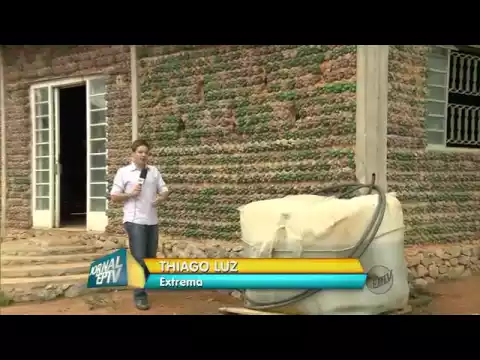
- Brazil: Universities and community projects have been developing prototypes that combine PET with reinforced mortar, demonstrating adhesion and stability suitable for small constructions.

Although it does not replace bricks in traditional commercial construction, the technique has proven to be promising as a sustainable and functional alternative for specific constructions.
Technical Advantages That Highlight The PET System
In addition to durability and insulation, the system presents additional benefits:
- drastically reduces the volume of discarded plastic waste;
- avoids the industrial burning process required to produce clay bricks;
- offers good resistance to lateral impact;
- creates “cushioned” walls that absorb vibrations;
- provides lower moisture absorption when properly coated;
- is an ideal solution for regions with low availability of traditional materials.
These factors explain why engineers and researchers are studying the potential of this technique as a low-carbon constructive alternative.
The Limitations: What Prevents Widespread Use
Like any innovation, there are important challenges:
- lack of technical regulation for regular constructions;
- need for trained labor to ensure uniform compaction;
- structural performance that still needs to be standardized through official testing;
- requirement for coating to protect the bottle from UV radiation.
Despite the limitations, the growing interest indicates that the system may gain more space in the future — especially in social, ecological, and low-cost works.
The Future Of The Technique: From Experimentation To Potential Global Solution
With the advancement of studies in sustainability and the increasing pressure to reduce the environmental impact of construction, the wall made with compacted PET is no longer viewed as a curiosity and starts to integrate a larger movement of structural innovation.
The combined use of recyclable materials, low-cost techniques, and hybrid solutions can transform this approach into a solid alternative for communities with limited resources.
If research continues to advance, the PET bottle, one of the most problematic wastes in the world, could become a key element in the sustainable construction of the future.








-

-

-

-

-

-

63 pessoas reagiram a isso.