





 Portuguese
  English
  Spanish
  3 min of reading
  0 comments


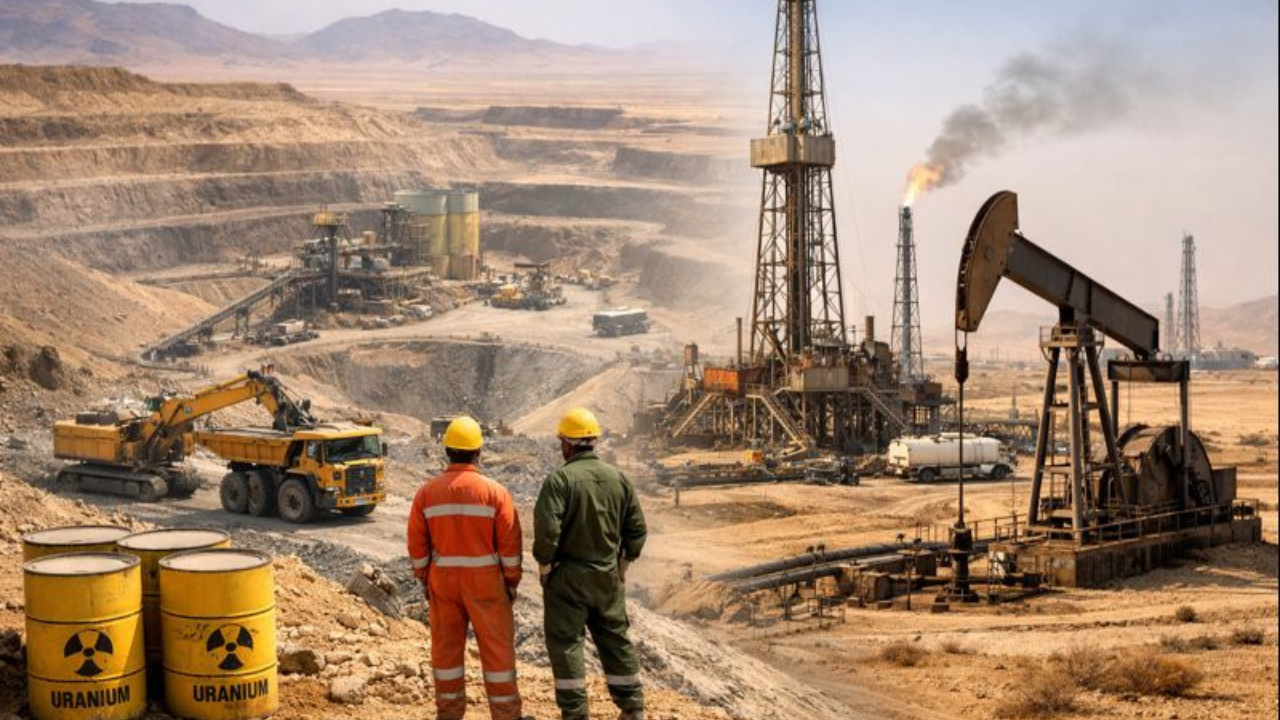
Economic Growth of Niger Puts the Country at the Top of African GDP with Nationalization of Natural Resources and Oil Advancement.
The economic growth of Niger reached a historical milestone in 2025. According to a report from the World Bank, the country recorded a 14.4% annual GDP increase, the highest rate in African GDP during this period.
The progress occurred in Niger over the past year, driven by structural changes in the economy, particularly in how the government began to manage its mineral, energy, and agricultural resources.
The outcome reflects a strategy based on nationalization of natural resources, contract revisions, and increased state participation, aimed at boosting internal revenues and reducing external dependencies.
-
France takes 129 tons of gold from New York, profits $15.1 billion, and raises alarms in Europe fearing to leave reserves under U.S. control.

-
35 medical entities criticize the MP that automatically renews driver’s licenses without fitness exams: they say that diseases do not show up in fines; Congress analyzes RNPC after 38,253 deaths and a cost of R$ 400 million directly to SUS.

-
Brazil secures a foothold in one of the largest markets in Africa, gaining authorization to sell 17 products to Ethiopia, including beef, pork, and chicken, as well as sugar, grains, and ethanol.
-
The government wants to release FGTS to pay off debts and is preparing a credit package with Union guarantees, discounts of up to 80%, and a possible block on bets, says Durigan; the announcement may come in the next few days.

Unlike previous cycles, the growth was not solely supported by an increase in production.
The Nigerien government undertook a deep reorganization of economic control over these sectors, altering concessions and beginning to negotiate its products based on international market parameters.
As a consequence, the country expanded its revenue-generating capacity and strengthened its economic autonomy.
African GDP: Niger Takes Economic Center Stage
The performance placed Niger at the center of the continental economic debate.
The African GDP, traditionally led by more diversified economies, has begun to see a historically peripheral country take a prominent position.
This result surpasses the record achieved in 2024 and signals a structural change, not just a cyclical one.
Furthermore, the increase in revenue allowed for greater fiscal predictability, strengthening public accounts and expanding the state’s investment capacity.
Meanwhile, analysts note that the model adopted by Niger breaks with previous practices that limited financial returns to producing countries, especially in the extractive sector.
Nationalization of Natural Resources Redefines Country’s Strategy
The nationalization of natural resources has become one of the central pillars of this economic transformation.
The government reviewed old contracts, increased state participation, and gained greater control over strategic production chains.
This change allowed the country to reduce dependence on unfavorable agreements and, therefore, capture a larger share of the value generated internally.
Additionally, the renegotiation of concessions increased transparency and aligned contracts with international practices.
As a result, the economic growth of Niger began to reflect real gains in economic sovereignty, and not just exported volumes.
Uranium Mining Boosts Revenue and Growth
The uranium mining has taken a central role in this new cycle.
Although Niger already had significant reserves, the country began to exploit this potential more directly after the processes of nationalization and concession revisions.
With control over extraction and commercialization, revenue consistently increased.
This advancement directly impacted the performance of the African GDP and strengthened the government’s finances, allowing for greater investment in infrastructure and public services.
Moreover, the adopted model differs from simple gross exports, as it seeks to capture more value throughout the production chain.
Oil Expansion Accelerates Foreign Currency Generation
Another decisive factor for the economic growth of Niger was the oil expansion.
In just over two years, oil production quadrupled, transforming the sector into a new strategic source of foreign currency.
This growth allowed the country to lower internal energy costs, improve the trade balance, and increase oil’s share in national revenue.
At the same time, the greater energy supply strengthened other sectors of the economy.
Therefore, the oil expansion not only boosted Niger’s African GDP but also contributed to greater economic stability.
New Economic Model Strengthens Niger’s Autonomy
By combining nationalization of natural resources, uranium mining, and oil expansion, Niger has built a more integrated and sovereign economic model.
The recent growth demonstrates that the reorganization of economic control can yield significant results when aligned with market policies and governance.
Thus, the country is now seen as a relevant case within African GDP, especially for economies seeking greater control over their strategic assets.
In summary, the economic growth of Niger not only redefines the country’s role on the continent but also raises a broader debate about sovereignty, development, and economic returns in Africa’s extractive sectors.





-

-

4 pessoas reagiram a isso.