





 Portuguese
  English
  Spanish
  5 min of reading
  0 comments


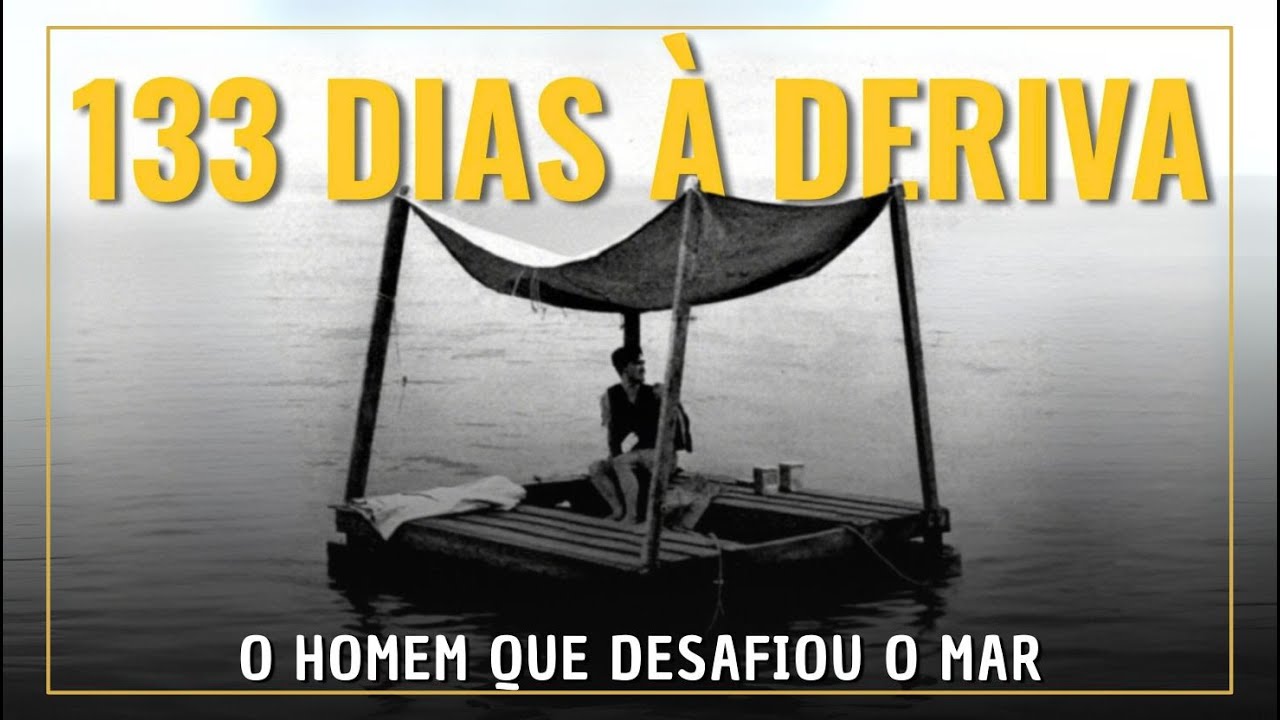
Castaway Survived 133 Days Adrift in the South Atlantic After Ship Was Torpedoed in World War II; True Case Entered the History of Human Survival.
On November 23, 1942, at the height of World War II, the British freighter SS Benlomond was sailing through the South Atlantic when it was hit by a German submarine. The attack was quick and devastating. Within minutes, the ship sank, taking almost the entire crew with it. Only one man managed to escape with his life: Poon Lim, a Chinese sailor working as an assistant on board. What followed was neither a quick rescue nor days of waiting.
Poon Lim spent 133 days completely adrift, alone, in a small lifeboat, facing scorching sun, tropical storms, extreme hunger, constant thirst, and the complete absence of human contact. His rescue would only happen months later, on the coast of Brazil, in April 1943.
Who Was Poon Lim and Why Was He on That Ship
Poon Lim had been hired as a civilian crew member in a context marked by strong racial discrimination. Many Chinese sailors were paid lower wages and had less access to emergency boats. However, this inequality ended up turning into an unexpected factor for survival.
-
Home environment can influence the brain, mood, and well-being: studies indicate an increase of up to 15% in productivity, a reduction of 12% in stress with plants, and a direct impact of the circadian rhythm on the 24 hours of the day.

-
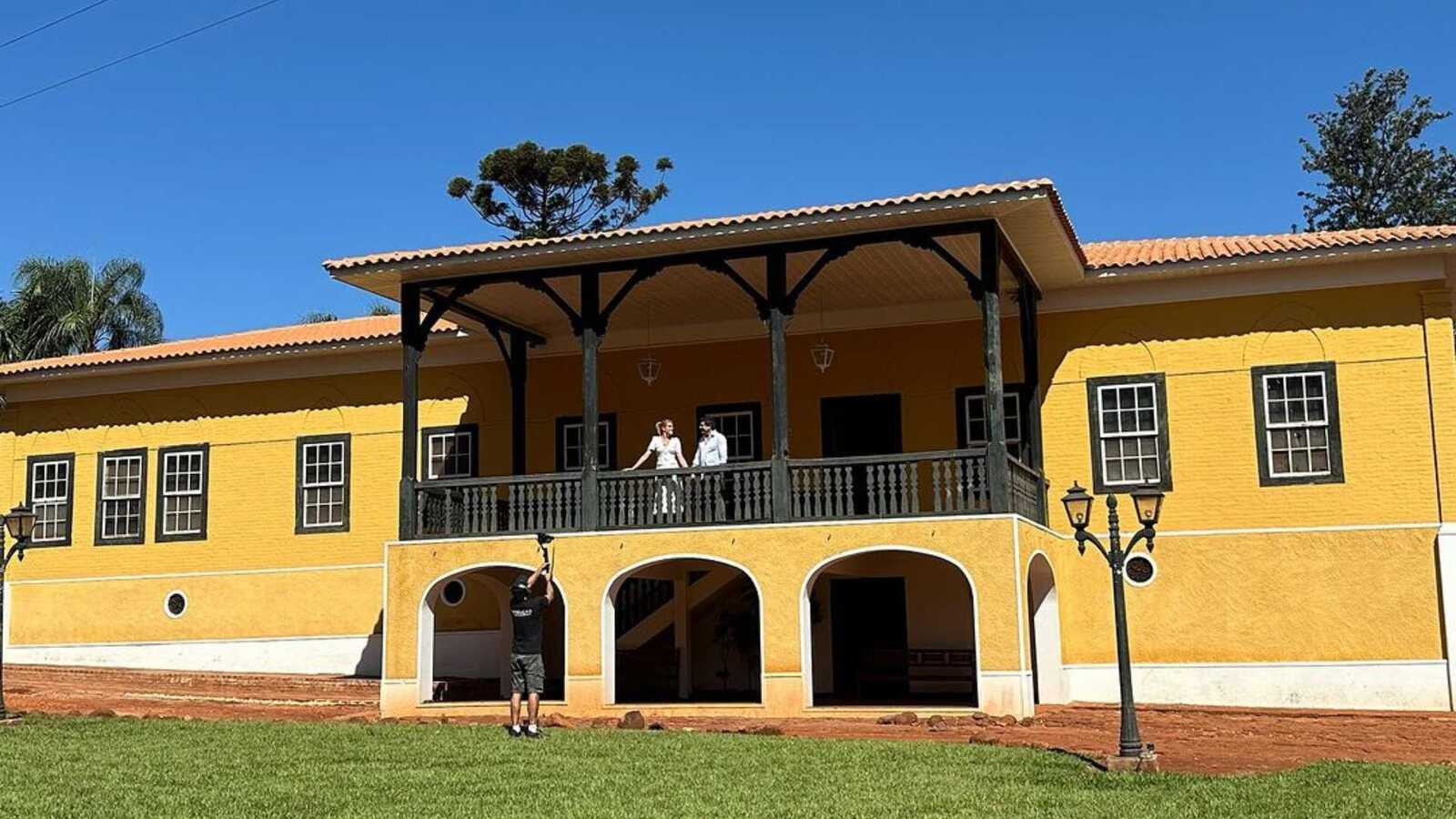
A Brazilian millionaire couple restores a farm over 150 years old in the interior of São Paulo and transforms the historic property with Portuguese tiles, antique furniture, and new spaces into a refuge that blends tradition, comfort, and sophistication.
-
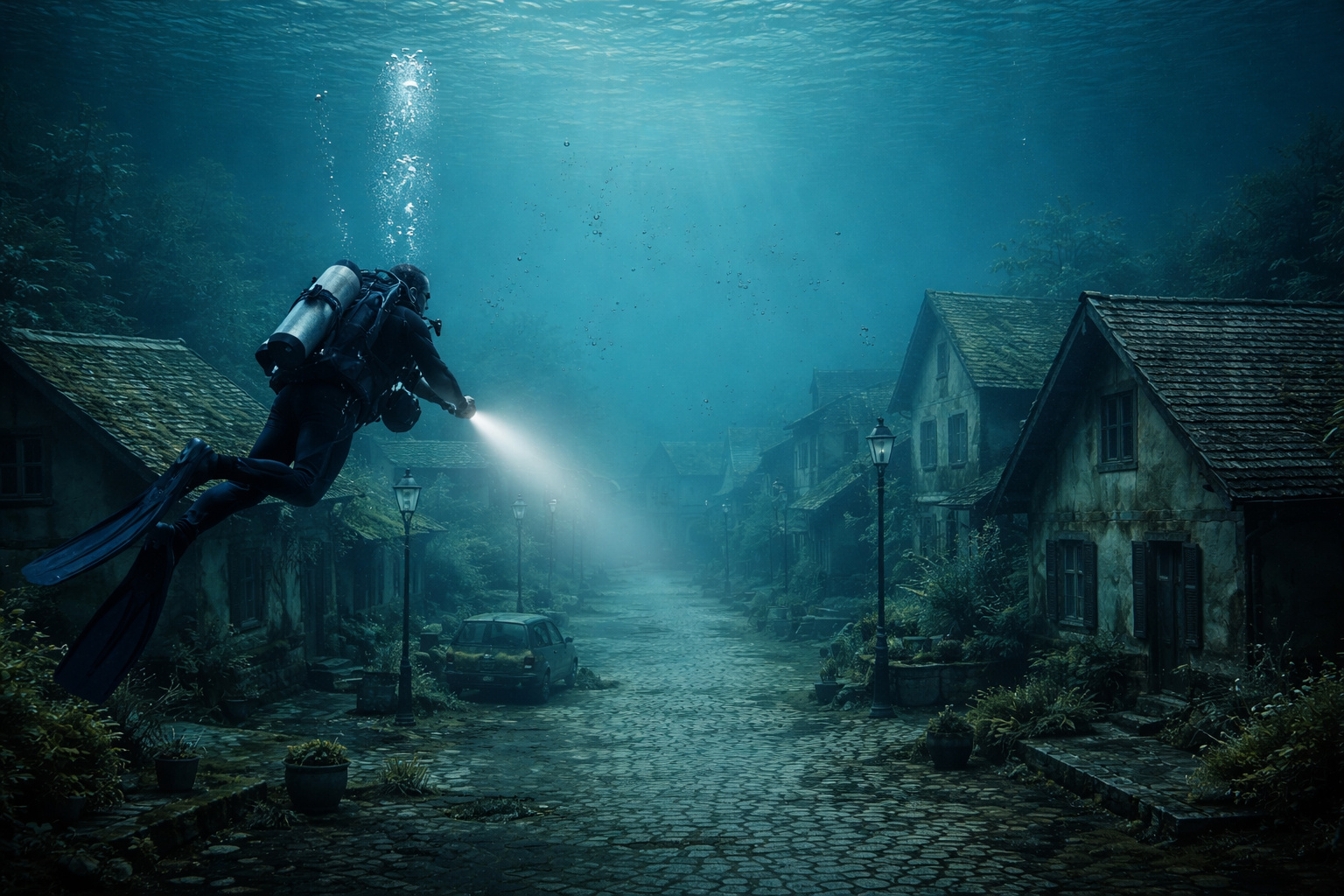
Submerged city in a lake in Minas reveals intact streets, preserved vehicles, and houses after more than 60 years, impressing divers.
-
Yellowstone has started to rise again in an area of the caldera, and the movement rekindles fears surrounding the U.S. supervolcano, as scientists monitor the deformation and try to understand what is happening underground.




Realizing that the ship was doomed, Lim managed to reach an individual lifeboat, minimally equipped, something many crew members didn’t even have time to do. This boat would be his only protection from the ocean for over four months.
What Was in the Lifeboat and Why It Was Decisive
The initial survival equipment was extremely limited. Poon Lim had access to only:
- A small amount of drinking water
- Some survival biscuits
- A little chocolate
- A tarp for sun protection
- A knife
- A life jacket
- A basic signaling kit
These supplies lasted only a few weeks. After that, his survival would depend solely on ingenuity, discipline, and adaptation to the marine environment.
How He Managed to Get Drinking Water in the Middle of the Ocean
The greatest threat was not hunger, but dehydration. In the ocean, drinking salt water speeds up death. Poon Lim quickly realized that his only chance would be to collect rainwater.
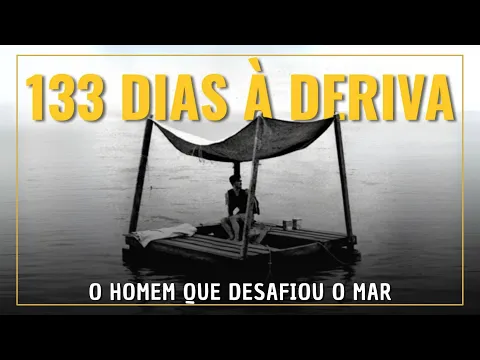
Using the tarp from the boat, he improvised a collection system, channeling the water into improvised containers. During dry periods, he rationed every sip, consuming minimal amounts per day to maintain vital functions.
This strategy was crucial: later studies showed that most deaths in prolonged shipwrecks occur from thirst, not hunger.
The Improvised Technique for Catching Fish and Seabirds
Once the initial food was exhausted, Poon Lim had to learn how to fish at sea, something for which he had no formal training. He dismantled wires from the boat and parts of the life jacket to create improvised hooks.
With this, he started catching small fish. In rare moments, he also managed to attract seabirds, which landed on the boat. He would catch them by hand, consuming the meat and using parts as bait.
To avoid illness, he let the fish dry in the sun, creating a rudimentary form of preservation. This practice reduced the risk of infections and allowed the food to last longer.
The Physical and Psychological Toll of 133 Days in Total Solitude
Surviving physically was already an extreme challenge, but the psychological aspect was equally brutal. For entire weeks, Poon Lim saw no ships, no airplanes, no other people.
The absolute silence, broken only by the sound of the waves, led to episodes of disorientation and mental exhaustion. To maintain his sanity, he created daily routines, establishing times to check the horizon, care for the boat, ration food, and observe the sky.
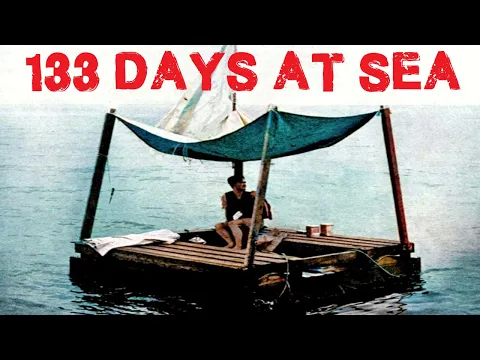
This behavior is now recognized by survival experts as an essential factor in preventing mental breakdowns in extreme situations.
Frustrated Rescue Attempts and the Constant Risk of Dying Invisible
During the drifting period, Poon Lim was sighted by ships, but he was not rescued. In some cases, the ships did not notice his signals; in others, they simply sailed on.
There are reports of a boat ignoring his pleas for help, possibly due to racial prejudice, something common at the time. Each frustrated attempt increased the risk of death, both physically and psychologically.
The Unexpected Rescue by Brazilian Fishermen
On April 5, 1943, after 133 days at sea, Poon Lim was finally rescued by Brazilian fishermen near the northern coast of Brazil, in the Pará region. Extremely thin, dehydrated, but conscious, he managed to walk to the beach after the rescue — an impressive feat after so long adrift.
Doctors were surprised by his overall condition. Despite severe weight loss, he showed no organ failure or serious infections, something extremely rare in such cases.
Poon Lim’s case officially entered history as one of the greatest individual survivals adrift ever recorded. To this day, his 133 days at sea are often cited in naval survival manuals, military courses, and academic studies.
His experience led to changes in maritime safety protocols, including improvements in survival kits, water collection systems, and psychological training for extreme situations.
What Poon Lim’s Story Reveals About Human Limits
More than a wartime episode, Poon Lim’s story is an involuntary experiment on the limits of the human body and mind. Without technology, communication, or guaranteed rescue, he survived using observation, adaptation, and self-control.
Decades later, his case continues to be studied as the ultimate example of human resilience in hostile environments, showing that, even in seemingly impossible conditions, survival can still depend on simple decisions, discipline, and creativity.
In the middle of the ocean, with no land in sight for months, Poon Lim proved that the greatest resource available was not the boat, nor the supplies, but the human capacity to adapt to the unimaginable.







-

-

-

-

-

7 pessoas reagiram a isso.