





 Portuguese
  English
  Spanish
  5 min of reading
  10 comments


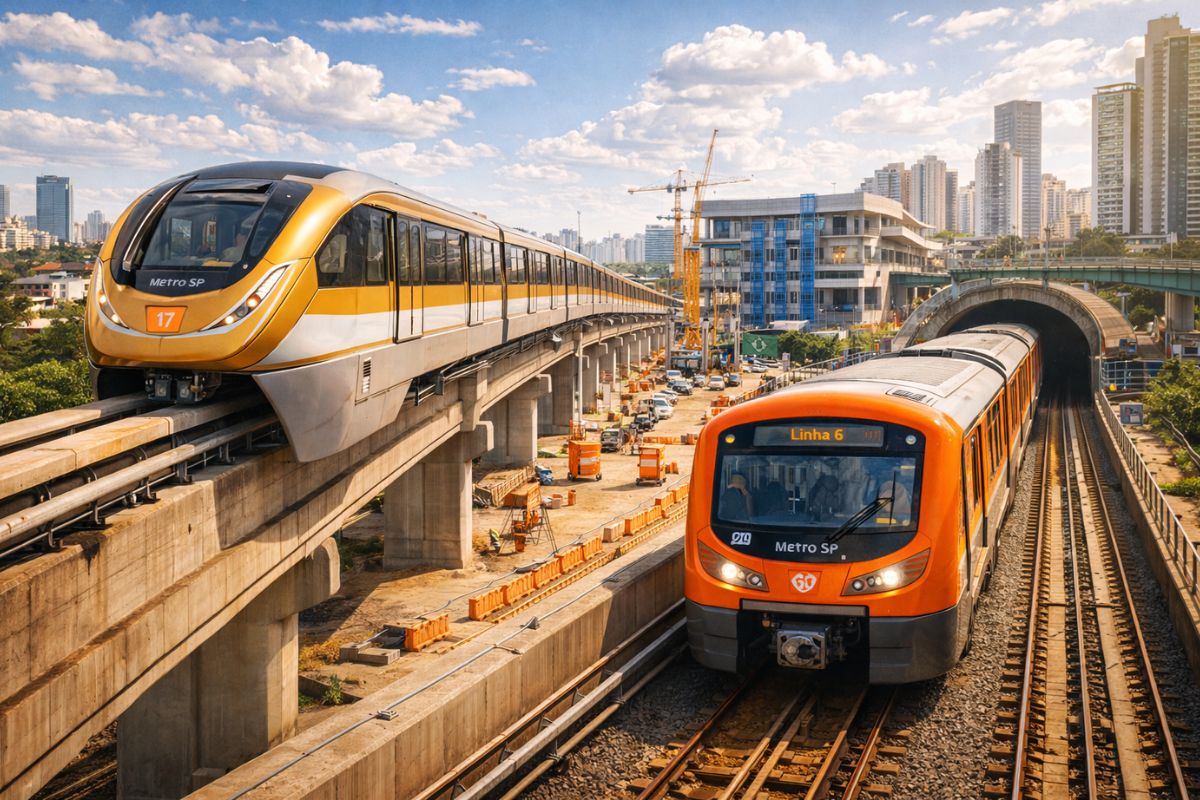


After Four Years Without Inaugurations, The SP Metro Bets on Line 17-Gold in Assisted Operation and 8 km of Line 6-Orange by October to Unlock Network Expansion
The SP metro is going through a historic drought: it has been four years since the network gained a single new station, despite the city’s growth and daily pressure on overcrowded trains. The last network expansion occurred on December 29, when the capital last saw the map of lines change. Since then, the expansion of the SP metro has become synonymous with delayed promises, revised schedules, and construction sites that seem to be stagnating.
However, in 2026, the scenario begins to change. If the timeline is met, the city is expected to receive almost 15 km of new tracks, split between the monorail of Line 17-Gold and the first segment of Line 6-Orange. The forecast is that Line 17-Gold will start assisted operation in March and that about 8 km of Line 6-Orange, between Brasilândia and Perdizes, will come into operation in October, marking the end of a long dry spell without inaugurations in the SP metro.
Four Years Without Expansion in The SP Metro
The SP metro network has not seen a new station in four years, a span long enough to host two World Cups and several unfulfilled delivery promises.
-
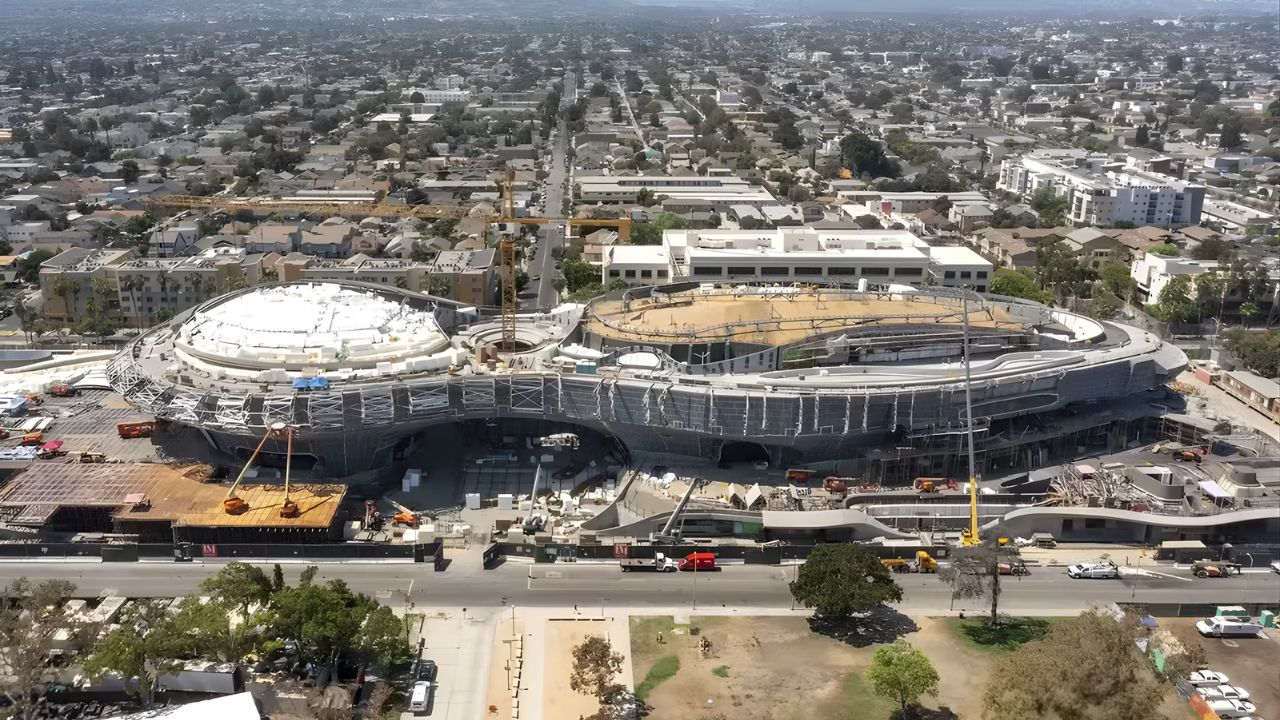
Created by George Lucas with over $1 billion, a futuristic museum in the shape of a spaceship with 1,500 curved panels is about to open in Los Angeles and will house one of the largest private collections of narrative art in the world.
-
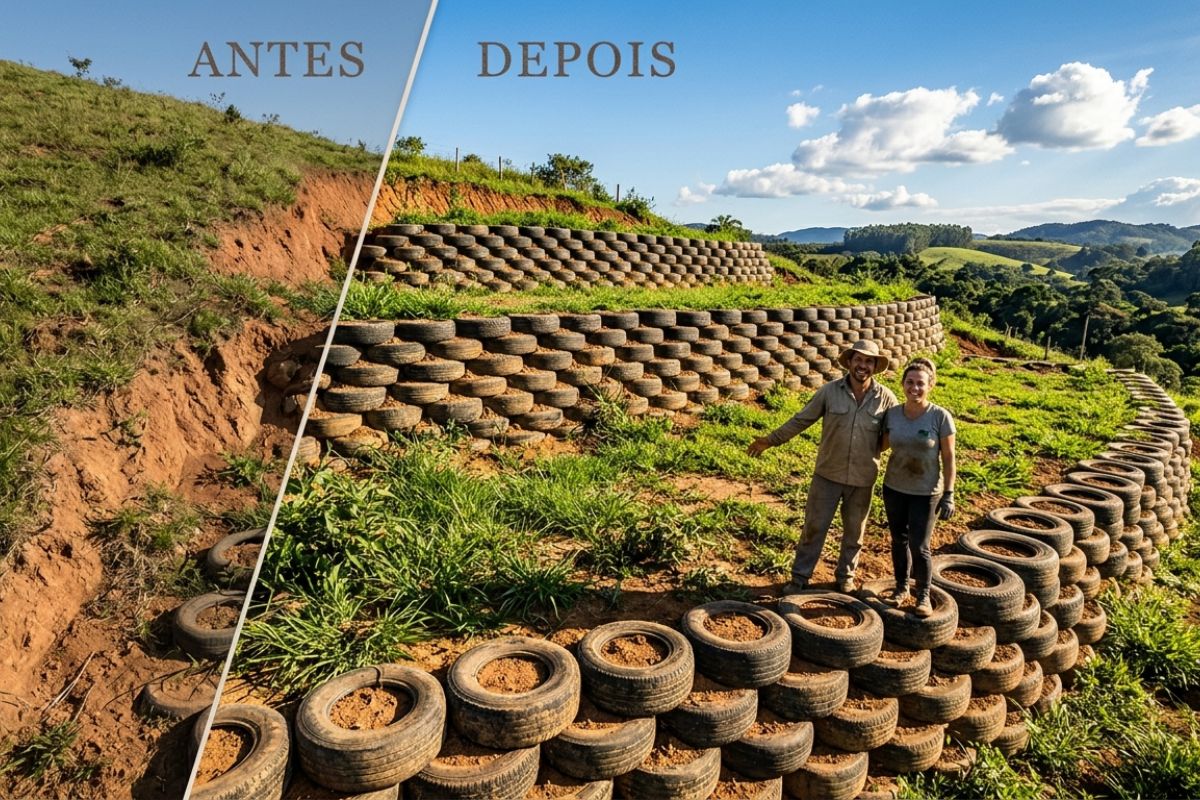
Couple shows how they built a retaining wall on their property using 400 old tires: sloped land turned into plateaus, tires are aligned, filled, and compacted with layers of soil, with grass helping in support and at almost zero cost.
-
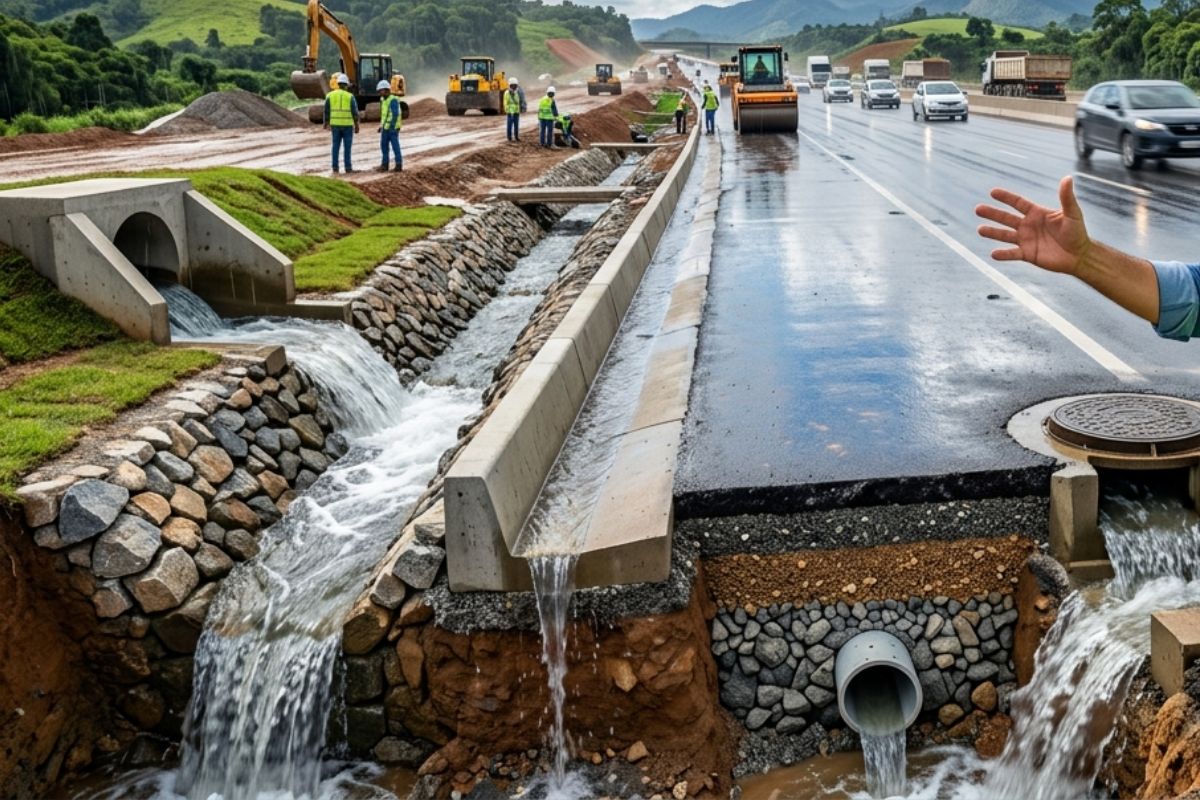
Engineer explains drainage during the rainy season: the difference between surface water and deep water, ditches, gutters, and water outlets on the road, as well as drains and drainage mattresses, to prevent erosion, aquaplaning, and flooding at the construction site today.
-
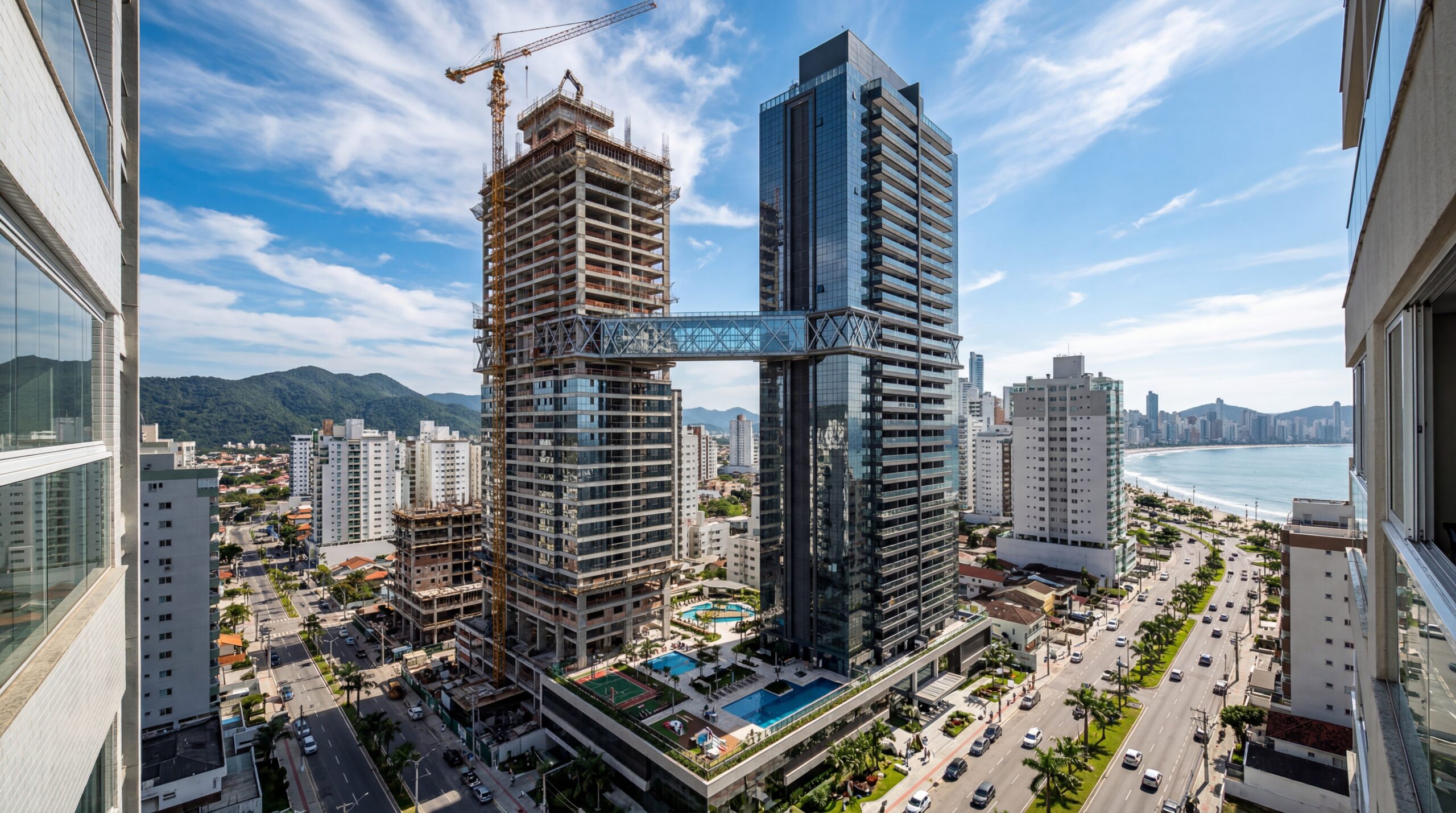
With 55 floors, 177 meters in height, a 15-meter walkway between the twin towers, ventilated facade, and 6,300 m² of leisure space, Ápice Towers already has one tower completed and another nearly at the top.

During this period, construction advanced in tunnels, yards, and stations, but nothing actually reached the passenger.
This “drought” has become a symbol of delay, especially in the case of Line 17-Gold, a monorail planned to serve strategic regions in the South Zone and connect to existing lines.
As the construction sites dragged on, the demand for transportation grew, and the SP metro had to squeeze the current system’s capacity to the maximum.
Line 17-Gold: Assisted Operation and the End of the Symbol of Delay
The turning point begins with Line 17-Gold. If there are no further surprises, the monorail operated by BYD is expected to welcome users in March, in assisted operation, that model where the service is limited, with reduced hours and permanent technical monitoring.
The official details are still modest, but the expectation is that the SP metro will initially operate the branch on a smaller route, probably on weekends, to test systems, rolling stock, and demand behavior.
Full commercial operation is expected for the second half of the year, when the service should gain more hours, more trips, and a true metro routine.
When Line 17-Gold is fully open to the public, the SP metro will gain about 6.7 km of new tracks, helping to ease commutes in areas that today depend on buses, cars, and inefficient connections to the rail network.
Line 6-Orange: 8 km Expected Between Brasilândia and Perdizes
The other great bet for 2026 is Line 6-Orange, one of the most anticipated projects of the SP metro. Granted to the Linha Uni consortium and led by Acciona, the complete line will have 15.3 km and 15 stations in the first phase, but the delivery will be staggered.
The current goal is to start operation in October on the segment between Brasilândia and Perdizes, with approximately 8 km and nine stations.
In practice, this means creating a new north-central axis in the SP metro network, shortening the distance between densely populated neighborhoods and the city center.
One setback has already been confirmed: the Maristela station, which was part of this initial package, is out of the 2026 plan and has been pushed to 2027, after facing several obstacles to get off the ground.
Even with this setback, the partial opening of Line 6-Orange is expected to be one of the main milestones of the SP metro this year.
Connection with the Network and Impact on Passengers’ Routine
To function properly, Line 6-Orange needs to connect to the existing network. The planned solution is a provisional connection in Água Branca, allowing integration with lines 7-Rubi and 8-Diamante, even before the construction of a new permanent station for these branches.
With this connection, the SP metro gains a new flow distribution corridor between the North Zone, the Perdizes region, and the surface line axis.
Line 6-Orange has high demand potential from day one, as it crosses densely populated areas with strong travel production for study, work, and services.
In the case of Line 17-Gold, the impact is more regional, but equally strategic. The monorail brings the SP metro closer to important hubs in the South Zone, shortening routes for those who currently make multiple transfers or rely solely on buses to reach other lines.
The Government’s Agenda and the Risk of New Delays
Behind the scenes, the discourse is one of optimism. There are several projects underway, and if Governor Tarcísio de Freitas delivers on his promises, the sequence of inaugurations in the SP metro should be much more dynamic in the coming years.
The major enemy, however, is known: “management bottlenecks” that result in stalled projects, re-hirings, additions, and long gaps without real network expansion.
It is exactly this history that has turned the monorail of Line 17-Gold into a symbol of delay and the SP metro into a stage of frustration for those who rely on high-capacity transport daily.
The combination of PPPs, large construction companies, and complex projects requires fine coordination. When this fails, the result shows at the turnstile: more years of waiting, without a single meter of new track delivered.
What’s at Stake for the SP Metro
If Line 17-Gold and Line 6-Orange meet their timelines, the SP metro will turn an important page.
Almost 15 km of new network in a single year represents a significant leap after four years of stagnation, paving the way for new expansions and reinforcing the idea that the city has resumed investment in structural transport.
It’s not just about kilometers and stations. Each new branch changes routes, shortens trips, and redistributes the pressure on lines that currently operate at their limits.
In a scenario of constant growth of the metropolis, the expansion of the SP metro ceases to be a luxury and returns to being a basic necessity of urban planning.
After so many deferred promises, 2026 will be a decisive test: can the SP metro finally transform construction into real rides for passengers, or will the city witness another chapter of delays and rescheduled dates?
In your daily life, which of these deliveries do you think will make a bigger difference: Line 17-Gold or the first segment of Line 6-Orange?
With information from Metro CPTM.








imaginem o Estado de SP com uma gestão ****-**** kkkkk… os trilhos antigos do metrô, estações e vagões seriam roubados pra bancar o Nine e sua **** satânica… essa raça sabe roubar recursos públicos com força total e o povinho ainda aplaude, jornalistas e mídia comprada aplaudem.
Parei de ler no “jejum histórico”… A Carla com certeza não conhece a história do metrô de SP. Dos anos 70 aos anos 2000 sem nem uma estação nova na capital
E o entorno das estações do monotrilho, como vai ficar? Tem estação que na saída o usuário da de cara com uma mini cracolandia.