





 Portuguese
  English
  Spanish
  4 min of reading
  0 comments


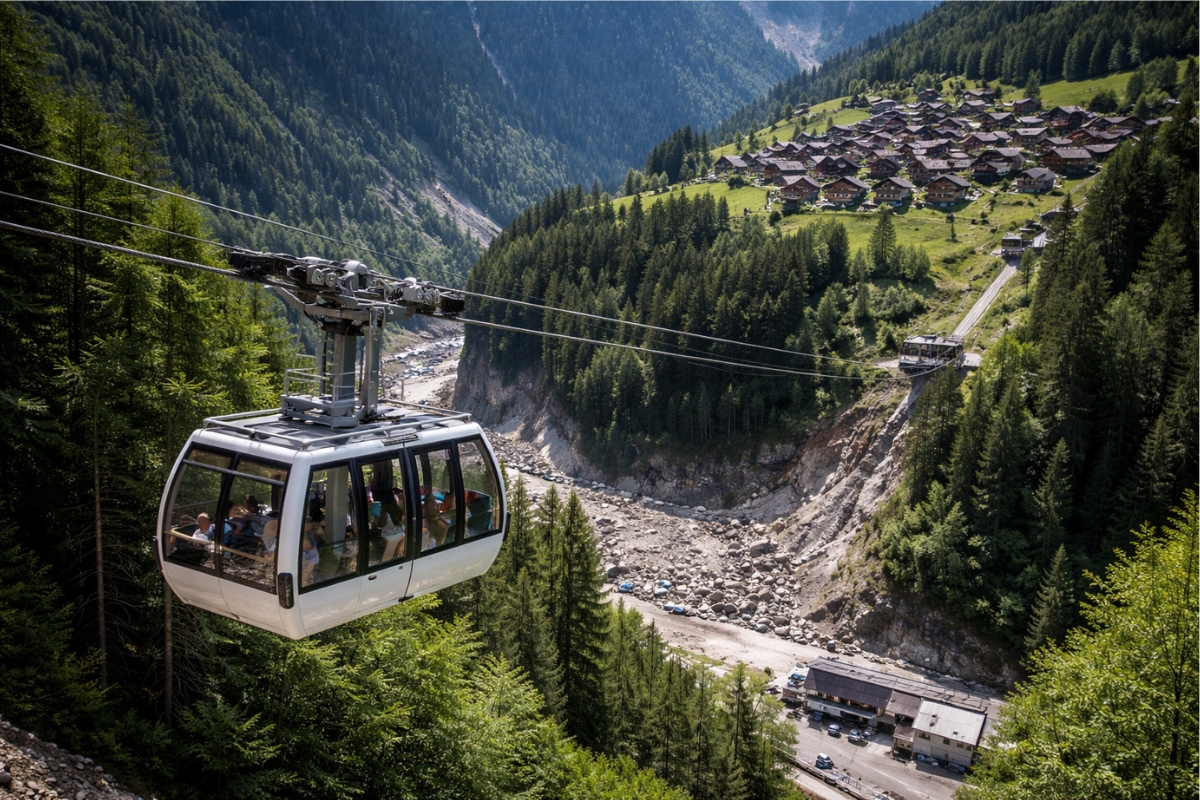
The Emergency Solution Connects Swiss Village in a Few Minutes, Allows Transport of People and Supplies, and Functions Until the Bridge is Rebuilt
Life in a mountain village in the Swiss Alps changed radically after landslides destroyed an essential bridge and left the community practically isolated. Without direct road access, residents needed to find a quick alternative to maintain daily commuting.
The answer came in the form of a community cable car built in just 5 months, capable of transporting people and food between the village and the nearest area with road access. The solution restored predictability to their routine and prevented prolonged isolation.
The system went into operation on February 17, 2025, shortening a journey that previously took almost half an hour along an unstable secondary road.
-
Home environment can influence the brain, mood, and well-being: studies indicate an increase of up to 15% in productivity, a reduction of 12% in stress with plants, and a direct impact of the circadian rhythm on the 24 hours of the day.

-
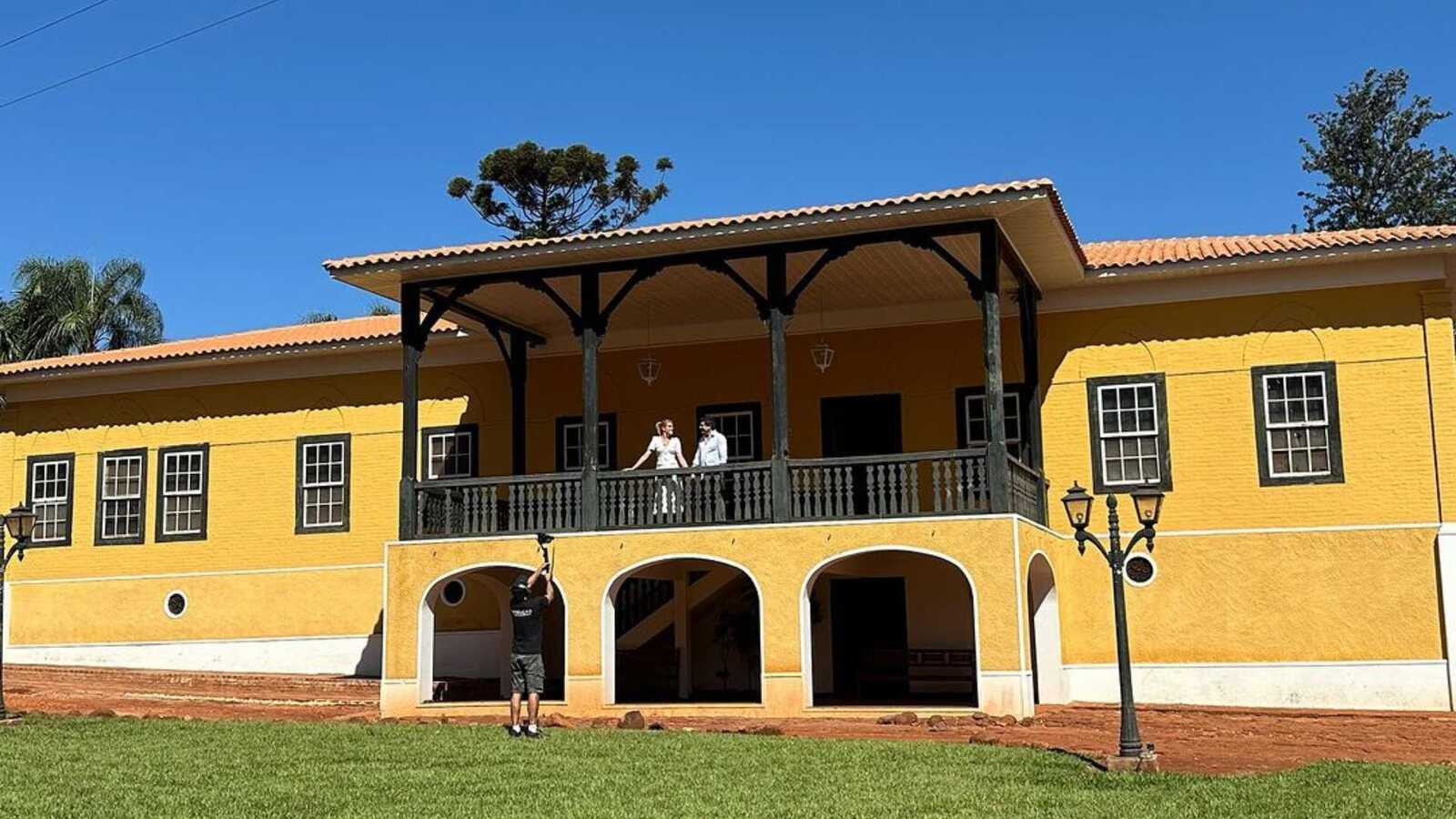
A Brazilian millionaire couple restores a farm over 150 years old in the interior of São Paulo and transforms the historic property with Portuguese tiles, antique furniture, and new spaces into a refuge that blends tradition, comfort, and sophistication.
-
Submerged city in a lake in Minas reveals intact streets, preserved vehicles, and houses after more than 60 years, impressing divers.

-
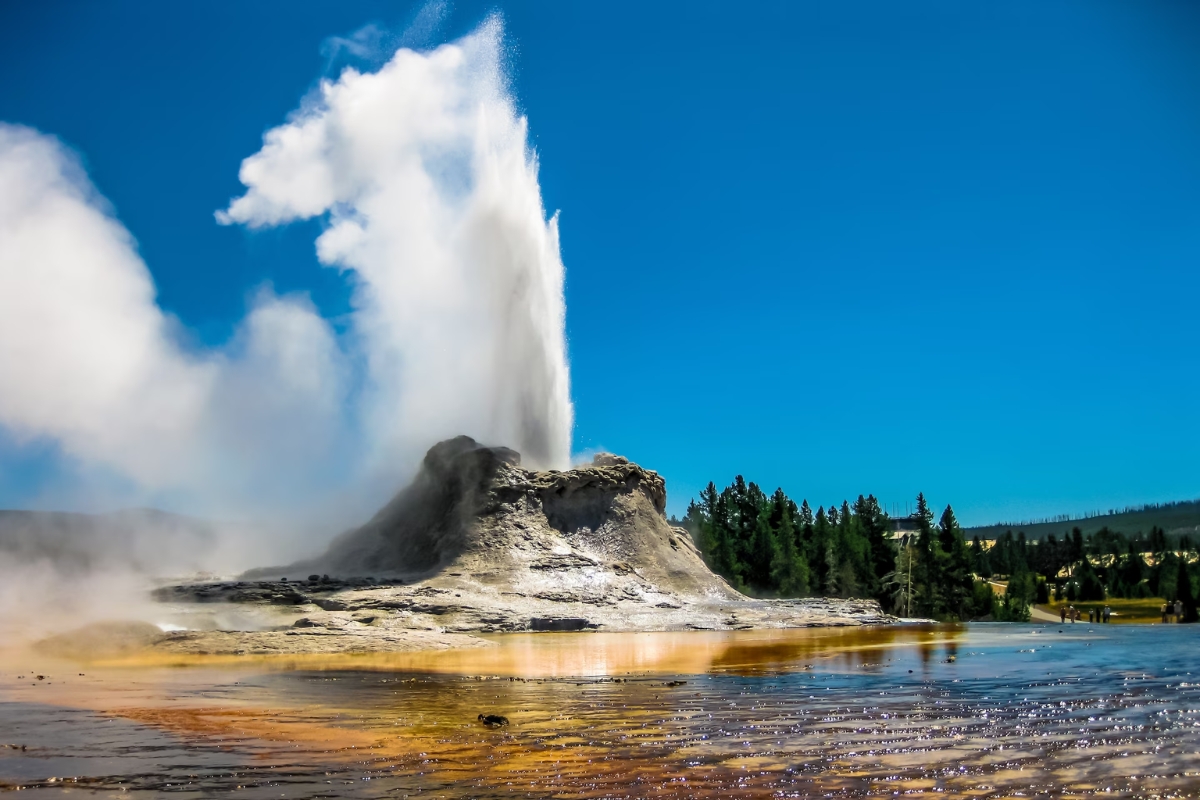
Yellowstone has started to rise again in an area of the caldera, and the movement rekindles fears surrounding the U.S. supervolcano, as scientists monitor the deformation and try to understand what is happening underground.

Heavy Rains Destroyed the Bridge and Left Sarreyer Practically Isolated
The heavy rains of the summer of 2024 caused landslides and debris flows in the Val de Bagnes, in the canton of Valais, hitting the bed of the Fregnoley River. The force of the water destroyed the bridge that connected the village of Sarreyer to the rest of the valley.
With the structure compromised, access became reliant on a longer forest road, subject to frequent closures and additional risks during winter. The situation affected essential movements such as school, work, shopping, and medical appointments.
In light of the risk of prolonged isolation, the community began seeking a solution that would work even with the unstable terrain.
An Aerial Link of 500 Meters Became a Replacement for the Destroyed Road

The cable car connects Champsec to Sarreyer via an aerial line of 500 meters in length. The trip takes about 5 minutes, drastically reducing the daily travel time for residents.
The system operates with a single cabin for up to 8 people per trip, functioning at set times and with free access. The lower station has parking and a direct connection to the regional bus transport.
Even with limited capacity, the aerial link ensures continuous circulation while the permanent solution is not completed.
Reinforced Foundations and Deep Anchors Ensure Stability in Unstable Area
The installation was designed as a temporary cable car, with an expectation of operation for several years. The set includes lower station, central support tower, and upper station, all anchored in robust foundations.
The structures use vertical piles, deep anchors, and massive concrete bases, allowing them to withstand constant stresses even in terrain affected by landslides. The anchoring of the main cable was designed to ensure continuous safety.
This type of solution reduces ground interventions and accelerates implementation in sensitive mountainous areas.
Reconstruction of the Bridge Will Take Up to 24 Months and Requires a More Complex Project
The reconstruction of the bridge requires a more elaborate project due to the geological conditions of the region. It is expected that the new structure will have about 100 meters of span, well above the previous bridge, with an estimated timeframe of 18 to 24 months.
The cable car was executed in a much shorter timeframe and began operating as an interim solution. It allows the community to continue functioning normally while the definitive project progresses.
The option also reduces risks during winter when direct interventions in the riverbed become more dangerous.
Daily Access Became Predictable Again for Residents, Students, and Workers

With the cable car in operation, residents have recovered reliable daily access again, including for children attending school and workers who depend on fixed schedules.
The transport of food and essential supplies has returned to regular occurrences, preventing prolonged isolation. The connection with buses at the lower station facilitates integration with other locations in the valley.
Even though temporary, the structure has brought stability to the local routine.
The Cable Car Should Operate Until the Bridge is Finished and Can Be Dismantled Afterwards
The cable car is expected to remain active until the new bridge is completed and opened to traffic. After that, the aerial structure may be dismantled or repurposed according to the decision of local authorities.
The experience illustrates how direct and well-designed solutions can keep communities active in the face of increasingly frequent extreme weather events in mountainous regions.
This case also reinforces that light and quick infrastructure can be crucial to prevent total isolation of small populations.







-

-

-

-

7 pessoas reagiram a isso.