





 Portuguese
  English
  Spanish
  4 min of reading
  1 comment


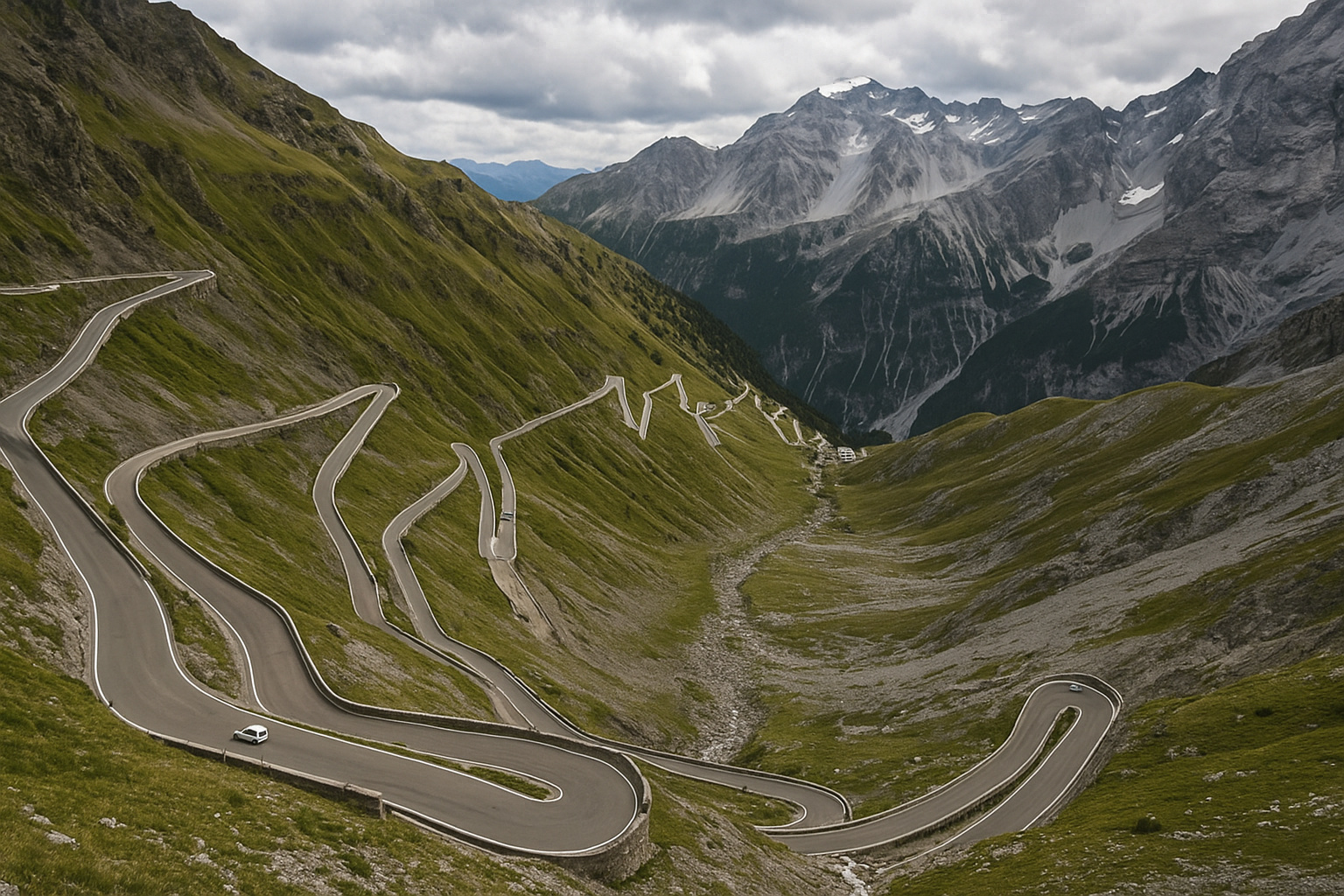


With 48 Hairpin Turns and 2,757 Meters in Altitude, the Passo Dello Stelvio Is One of the Most Iconic and Extreme Alpine Roads in the World, Demanding Absolute Skill from Drivers.
In the heart of the Italian Alps, among gray rock mountains, millennia-old glaciers, and valleys where the weather changes in minutes, there exists a road that has become the ultimate symbol of human daring in the face of one of the planet’s most challenging terrains. The Passo Dello Stelvio, inaugurated in 1825 during the Austrian Empire, is now considered the highest paved road in Italy and one of the most iconic alpine routes in the world.
With 2,757 meters in altitude, the Stelvio connects the province of Sondrio in Lombardy to the province of Bolzano in South Tyrol, traversing regions of extreme weather, hairpin turns, and icy cliffs that force drivers to maintain absolute attention. Over nearly 50 kilometers, the driver navigates 48 hairpin turns on the Lombardy side, forming a route so technical and challenging that it has become a reference for professional drivers, mountain engineers, and elite cyclists.
The Construction of an Impossible Route in the Midst of the European Empires Era
Designed by engineer Carlo Donegani, the Passo Dello Stelvio was conceived to be a strategic corridor between territories of the Austrian Empire. The project, completed in 1825, involved:
-
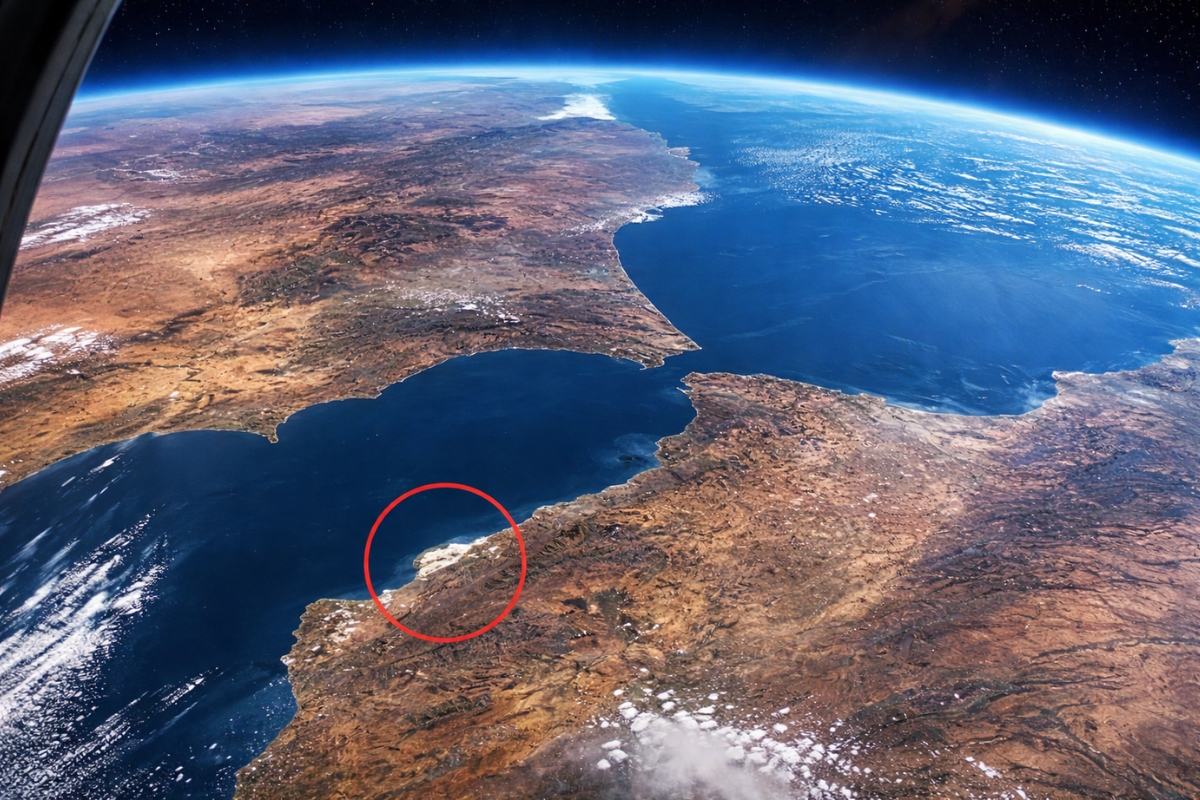
According to an analysis by NASA, only one human-made structure is visible from space, and it is not the Great Wall of China or the Pyramids of Egypt.
-
After 377 years of history, the Brazilian Army will have its first female general: Colonel Claudia Cacho has been promoted to brigadier general by Lula and will receive the sword and command baton this Wednesday in Brasília.

-
A Mercado Livre customer opened their package and found 32 resumes of people looking for jobs crumpled as protective paper inside the box, exposing names, addresses, documents, and phone numbers of dozens of candidates.

-
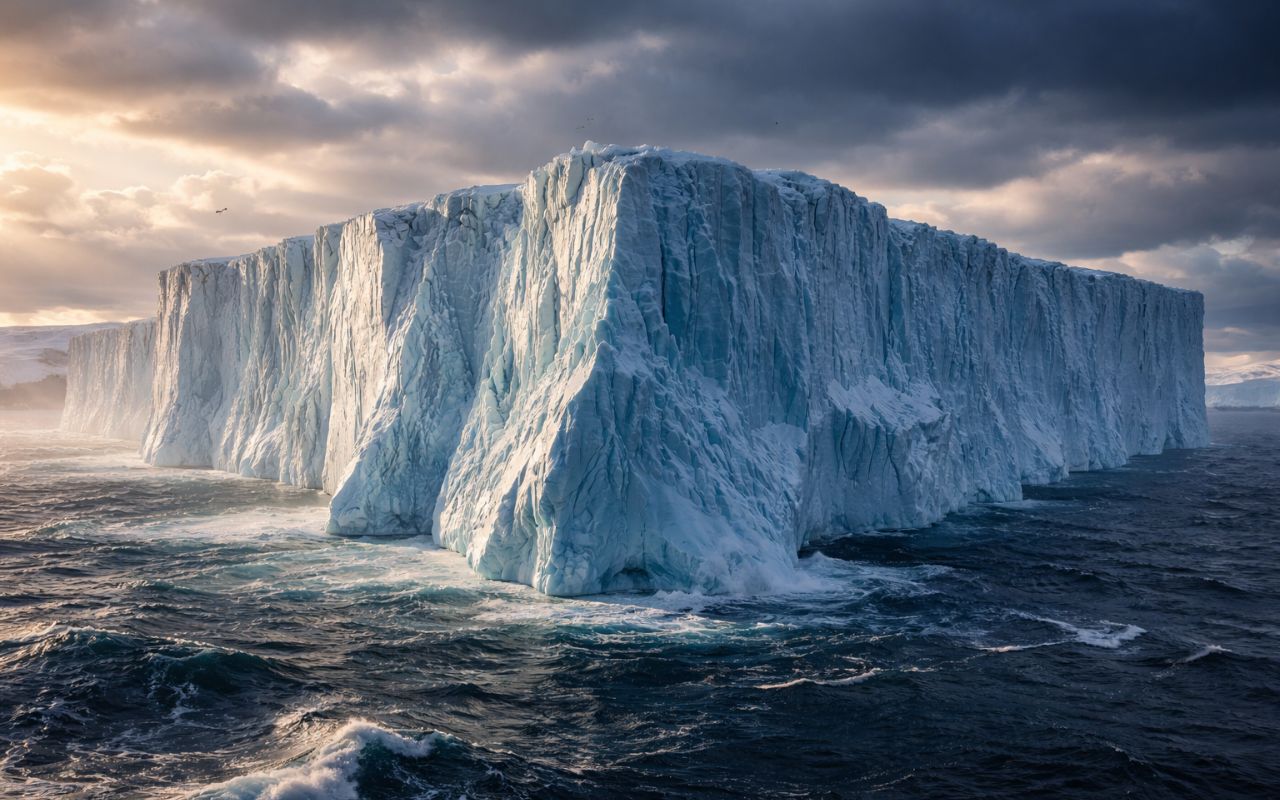
Iceberg A23a, one of the largest in the world, is undergoing accelerated collapse and may disappear: what explains the end of the ice giant?

- excavations in raw rock;
- retaining walls built stone by stone;
- cuts in unstable slopes;
- handcrafted road paving;
- workers exposed to extreme cold and avalanches.
The altitude and the constant risk of snow made the project one of the most complex ever undertaken in Europe in the 19th century. Many of the hairpin turns, built in an “elbow” shape, had to be excavated directly into the mountains.
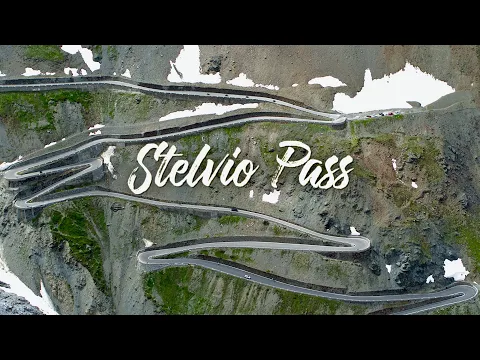

Even with modern improvements, much of the original structure remains intact — and still today challenges drivers with the same rigor as two centuries ago.
Unpredictable Weather, Permanent Ice, and Sudden Terrain Changes
The alpine geography makes Stelvio one of the most unstable places to drive. Drivers face:
- sudden temperature changes;
- the possibility of snow even outside winter;
- icy wind that reduces grip;
- constant shade on the steepest slopes;
- rapid visibility changes;
- slippery sections due to thin ice.
The Passo remains open only for a few months each year, typically from June to October, depending on weather conditions. For the rest of the time, it is blocked by snow, which can reach over 10 meters in depth in certain sections.
The persistent ice in the higher areas requires skill, especially on the narrow turns that rise in succession, in an almost vertical zigzag.
48 Hairpin Turns: The Section That Became a Legend
The Lombardy side of Stelvio is the most famous. There, the 48 hairpin turns, individually numbered, ascend the mountain like a giant staircase embedded in the rock. Each turn demands:
- precise braking;
- fine acceleration control;
- anticipation of the road;
- attention to motorcyclists and cyclists;
- mastery of the vehicle on steep climbs.
For experts in alpine driving, this sequence of turns has transformed the Stelvio into a “natural laboratory” for testing:
- braking;
- stability;
- traction;
- behavior on extreme inclines.
No wonder, car manufacturers like BMW, Porsche, and Alfa Romeo use the stretch for iconic campaigns, testing, and commercials.
Destination of the Most Prepared Cyclists in the World
The Stelvio is not just a challenging road for cars and motorcycles — it is also one of the most feared and revered sections of global cycling. It often appears in the Giro d’Italia, the most famous cycling competition in Italy, serving as a true “judge” of the event.
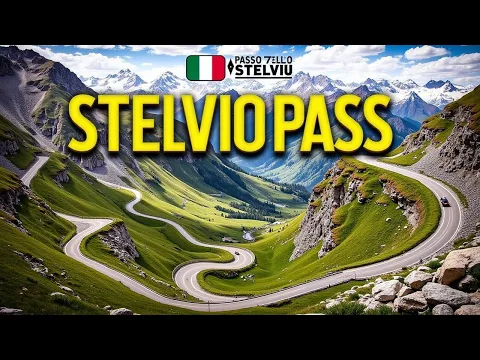
Cyclists arrive at the top exhausted after long slopes with an average incline of 7.6%, with sections reaching 14%. The altitude adds additional pressure: the thin air reduces oxygenation and accelerates fatigue.
At the top, the weather can change in minutes — intense sun can turn to fog, biting wind, or hail.
A Road That Offers One of the Most Dramatic Views of the Alps
Beyond the technical challenge, the Passo Dello Stelvio is known for offering one of the most stunning landscapes on the continent. Along the route, it is possible to see:
- glaciers dating back to the Ice Age;
- bluish slopes covered in ice;
- alpine valleys with dense forests;
- peaks over 3,000 meters;
- cliffs shaped by erosion;
- historical structures from the 19th century.
The combination of altitude, topography, and weather creates a cinematic setting that attracts tourists, photographers, motorcyclists, and athletes from all over the world.
Why the Passo Dello Stelvio Remains One of the Most Extreme Routes in Europe
Despite improvements, the road retains characteristics that make it a significant challenge:
- Extreme Altitude (2,757 m): Thin air affects driving and physical performance;
- Numbered Hairpin Turns (48 on the North Side): Demand absolute attention and complete mastery of the vehicle;
- Unpredictable Weather: Out-of-season snow, icy winds, and sudden changes make crossing difficult;
- Steep Slopes (up to 14%): Test the strength of engines and the skill of drivers and cyclists;
- Historical Structure: Much of the original construction has been preserved, maintaining its challenging character.
The Passo Dello Stelvio represents the perfect combination of historical engineering, extreme geography, and technical driving. Its 2,757 meters in altitude, hairpin turns, steep slopes, and sudden weather changes create a setting where experience, caution, and preparation are indispensable.
It is a road that not only connects two regions — it links two eras. Bridging tradition and adrenaline, history and challenge, the Stelvio remains one of the most remarkable and iconic routes ever built in the European mountains.





Exagero do autor do texto. Fiz o Stelvio nos dois sentidos em anos sucessivos. Lugar lindo, mas a estrada apenas exige atencao do motorista. Devagar e sempre se faz o Stelvio, uma estrada belíssimo. O resto é exagero de quem escreveu o texto.