





 Portuguese
  English
  Spanish
  4 min of reading
  1 comment


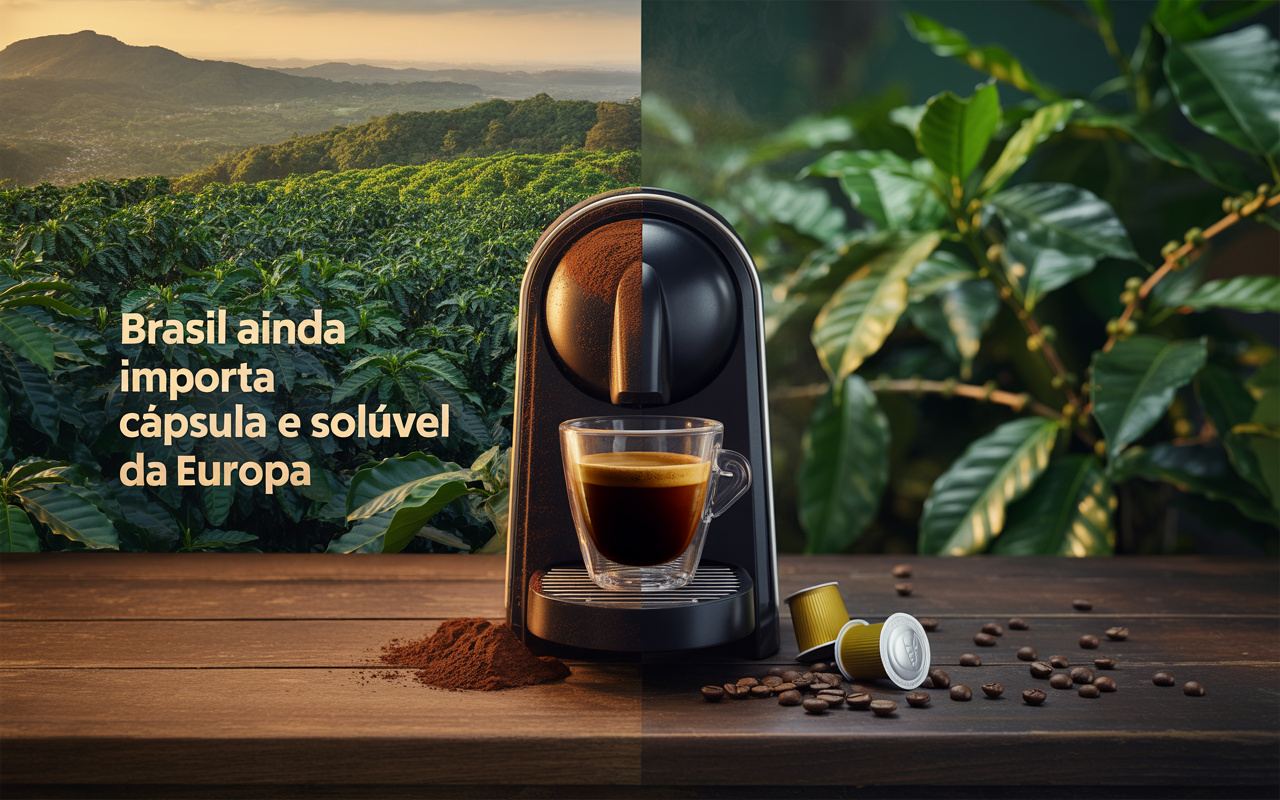


The Largest Coffee Producer in the World, Brazil Still Imports Coffee Capsules from Europe. This Contradiction Reveals a Lack of Industrialization and Dependence on Global Brands, Experts Say.
Coffee is a symbol of the Brazilian economy, responsible for more than a third of global production and for billions of dollars in exports every year. Brazil exports beans to over 120 countries and is the world’s largest supplier of green coffee. Still, amid the massive volumes that leave national ports headed for the United States, Germany, Italy, and Japan, there is a curious and little-known fact: Brazil also imports coffee.
In relatively small amounts, loads of instant coffee, industrialized capsules, and even some batches of green beans from specific regions arrive in the country. This apparent contradiction reveals much about the gaps in local industrialization, consumption habits, and the global dynamics of the coffee market.
Brazil as a Coffee Power
In 2024, Brazil exported more than 40 million bags of coffee, generating revenues exceeding US$ 8 billion. Minas Gerais, Espírito Santo, and São Paulo are the major production hubs, supplying both the domestic market and international giants like Starbucks, Nestlé, and Lavazza. This prominence makes the country an absolute reference in the sector, with logistical chains that engage thousands of producers, cooperatives, and trading companies.
-
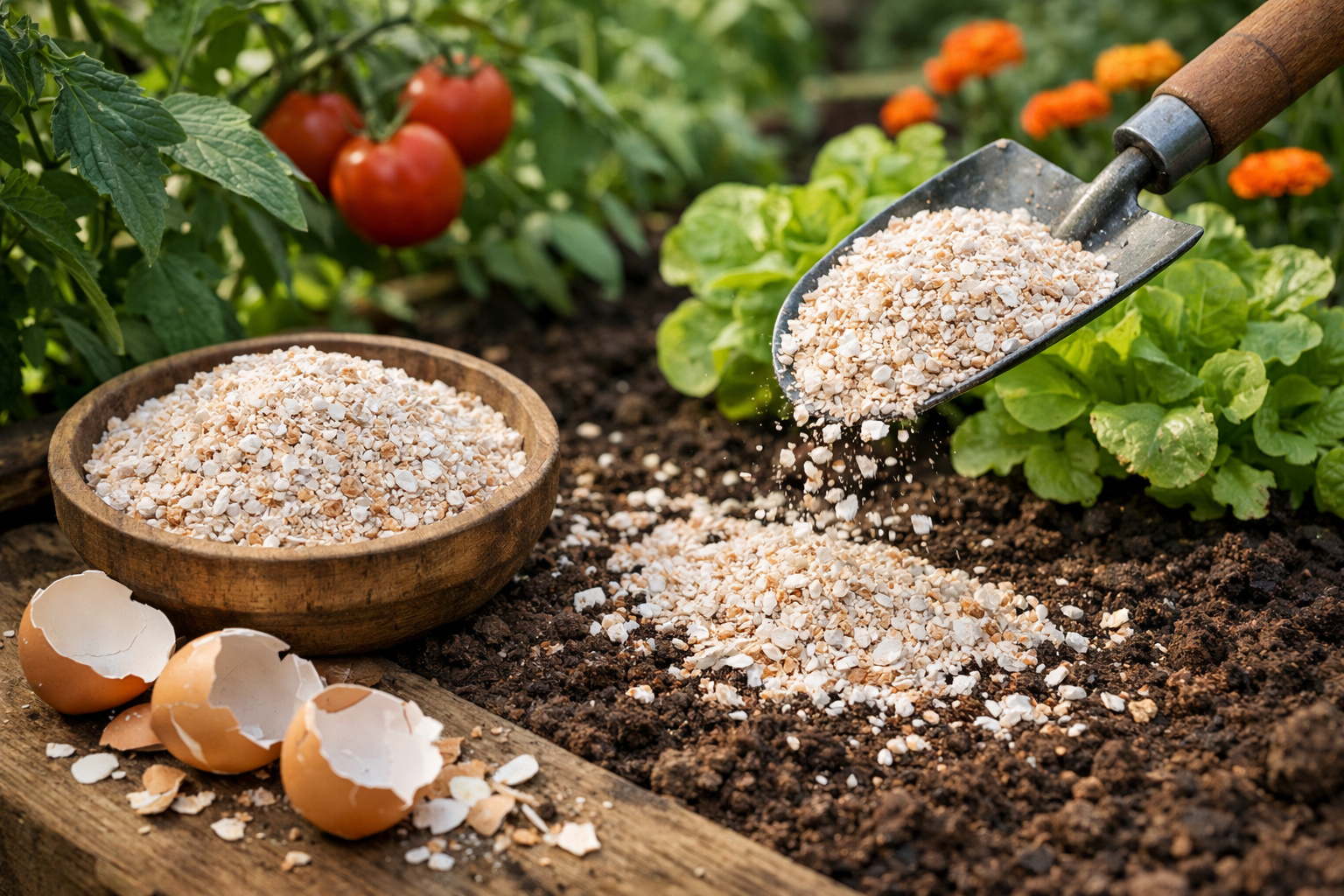
The eggshell that almost everyone throws away is made up of about 95% calcium carbonate and can help enrich the soil when crushed, slowly releasing nutrients and being reused in home gardens and vegetable patches.
-
This farm in the United States does not use sunlight, does not use soil, and produces 500 times more food per square meter than traditional agriculture: the secret lies in 42,000 LEDs, hydroponics, and a system that recycles even the heat from the lamps.

-
The water that almost everyone throws away after cooking potatoes carries nutrients released during the preparation and can be reused to help in the development of plants when used correctly at the base of gardens and pots, at no additional cost and without changing the routine.

-
The sea water temperature rose from 28 to 34 degrees in Santa Catarina and killed up to 90% of the oysters: producers who planted over 1 million seeds lost practically everything and say that if it happens again, production is doomed to end.




Most of these exports, however, are of green coffee (unroasted beans). This means the added value of the product ends up being captured in other countries, which roast, dissolve, capsule, and resell it at much higher prices.
This is precisely where the contradiction arises: while exporting colossal volumes of raw material, Brazil also imports industrialized versions of the same product.
Coffee Imports by Brazil
According to official foreign trade data, in 2023 Brazil imported US$ 112 million in coffee (HS 0901), including some batches of green and roasted beans, as well as industrialized products.
In 2024, it recorded about US$ 3.6 million in instant coffee and extracts (HS 21011110), mainly from Europe.
Among the largest exporters to Brazil are countries like Switzerland, Italy, and Germany, home to major global capsule and soluble coffee industries.

These imports cater to specific niches of internal consumption, especially premium coffees, special blends, or global brands that insist on maintaining the same flavor standard in all countries. This is the case with capsules like those from Nespresso or instant coffee from established brands that do not have local production.
Why Import If Brazil Already Produces?
The explanation for this contradiction lies in three main factors:
Industrial Technology and Global Standardization – Some companies maintain centralized production lines in Europe, ensuring that the capsule sold in Brazil is identical to those in France or the US.
Premium Segment and Marketing – Consumers seeking international brands are willing to pay more for “foreign” products, even if the raw material is originally Brazilian.
Lack of Productive Density – Despite leading agricultural production, Brazil still focuses on exporting green beans. Large-scale industrialization that generates higher added value mainly occurs in other countries.
Impact on the Domestic Market
Although imported volumes are small compared to exports, they carry symbolic weight. They show that Brazil, even being a agricultural powerhouse, still depends on industrialized products from abroad in certain niches.
In the domestic market, this dynamic creates a curious scenario: Brazilians pay high prices for imported capsules made, often, with beans produced in Minas Gerais or Espírito Santo.
This means that part of the wealth generated by the crops ends up being appropriated in the industrialization process abroad.
Opportunity for the National Industry
Experts in the sector see this contradiction as an opportunity. The Brazilian market for capsules and instant coffees grows year after year, driven by urbanization and the search for convenience.
It is estimated that capsule consumption grew by more than 10% per year over the last decade. This opens the door for local industries to expand their participation, reducing dependence on imports and capturing more added value.
Some companies are already investing in this segment, launching capsules compatible with popular machines and expanding instant coffee lines. However, competition with international giants, which have strong marketing and brand power, remains unequal.
What This Contradiction Reveals
The importation of coffee by Brazil, even on a small scale, reveals a recurring pattern of the Brazilian economy: exporting low added value commodities and importing more expensive industrialized products. It is the same logic that repeats in oil (exports crude, imports derivatives) and in other productive chains.
In the case of coffee, this reality is compounded by a cultural issue. Domestic consumption still favors traditional ground coffee, while premium and convenient niches (like capsules) are dominated by global brands. The result is a timid presence of the national industry in higher-margin segments.
To change this scenario, experts point out that Brazil needs to invest more in industrialization, innovation, and international marketing.
The image of a supplier of quality coffee already exists, but there is still a need to consolidate the country as a leader in higher value-added products.
Meanwhile, the contradiction remains: the largest coffee producer in the world still needs to import capsules and instant coffees from Europe, paying more for products made with its own beans.










Pelo que sei a Nestle já fabrica e está investindo mais em cafe em capsulas na cidade mineira de Montes Claros .