





 Portuguese
  English
  Spanish
  4 min of reading
  0 comments


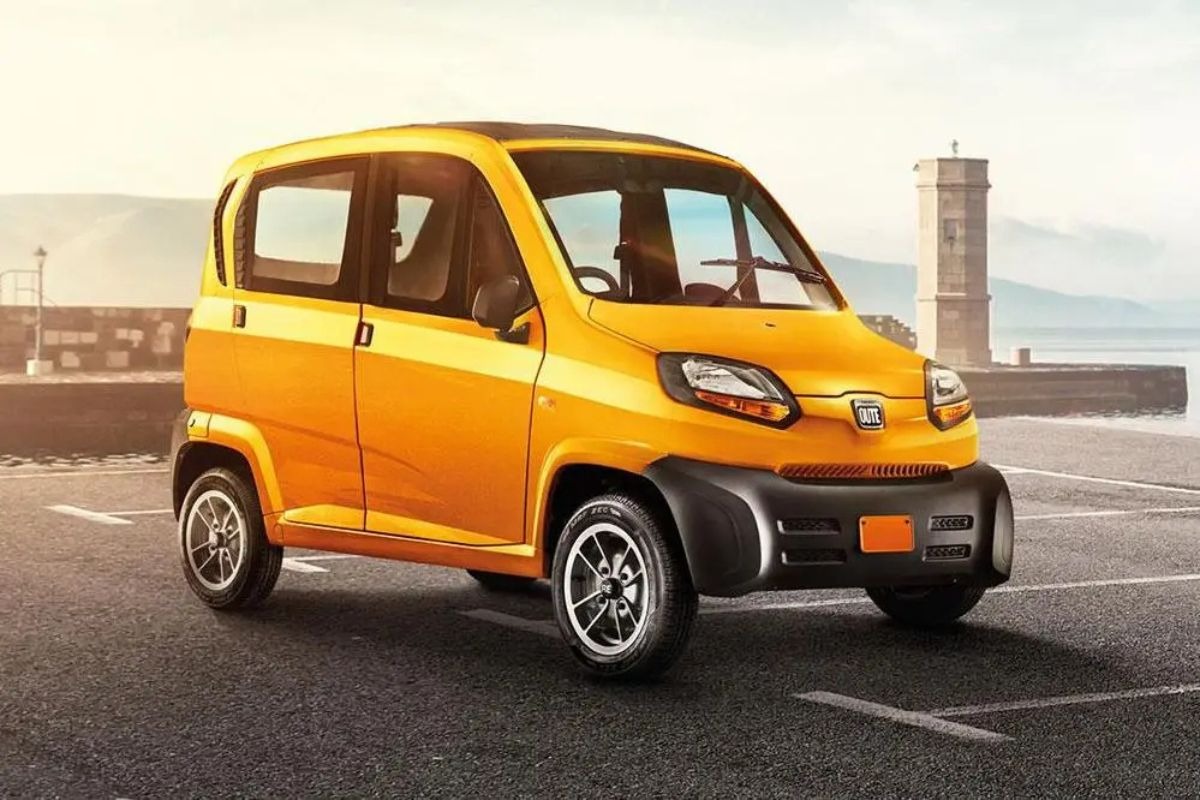
Vehicle Officially Emerged In 2013, But Took Many Years To Hit The Streets; In Brazil, It Is Still Far From Being A Reality
While in Brazil Bajaj is still taking its first steps selling exclusively motorcycles, in India the manufacturer has an interesting product that challenges traditional definitions of the automotive industry. This is the Bajaj Qute, a compact vehicle that is not quite considered a conventional automobile, but also goes beyond a simple tricycle.
Initially classified as a quadricycle, the model uses a motorcycle engine and was developed to meet a specific demand: to provide a safer and cheaper alternative to the traditional rickshaws that dominate urban transport in several Indian cities.
Officially presented in 2013, the Qute took years to hit the streets. Its production only began in 2017, initially aimed at export, and only in 2019 did it start being sold in the Indian market. The delay was not technical but regulatory.
-
Less than a Tera TSI, up to 710 km of range and charging in 9 minutes: the new BYD Song Ultra expands the Chinese brand’s bet on increasingly faster, more technological, and competitively priced electric SUVs.

-
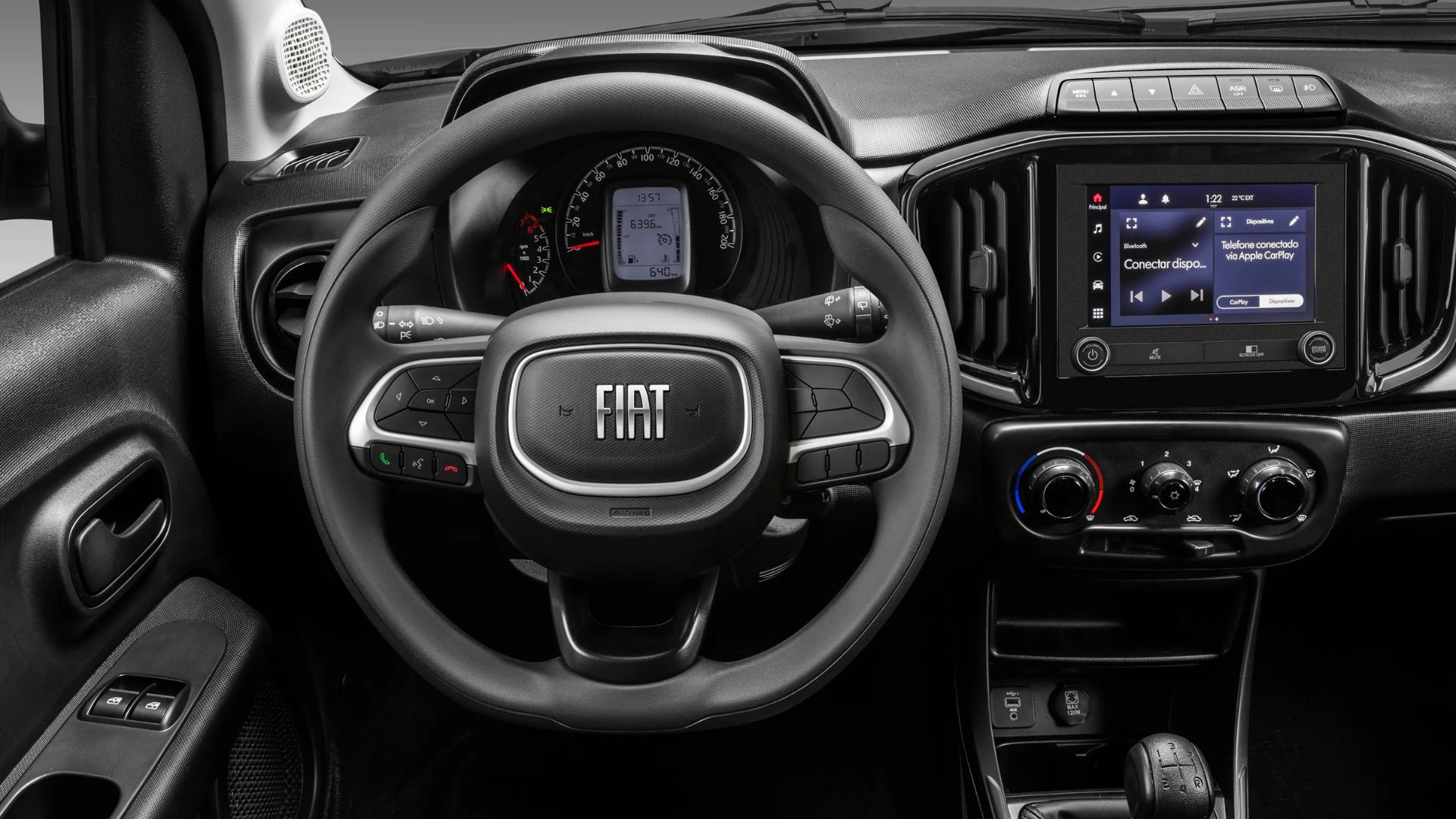
With a 1.0 engine producing 75 hp and costing less than R$ 70,000, Fiat’s car returns to the podium as the cheapest in the country; a temporary promotion for the 2026 Like version reduces the price of the Fiat Mobi.
-
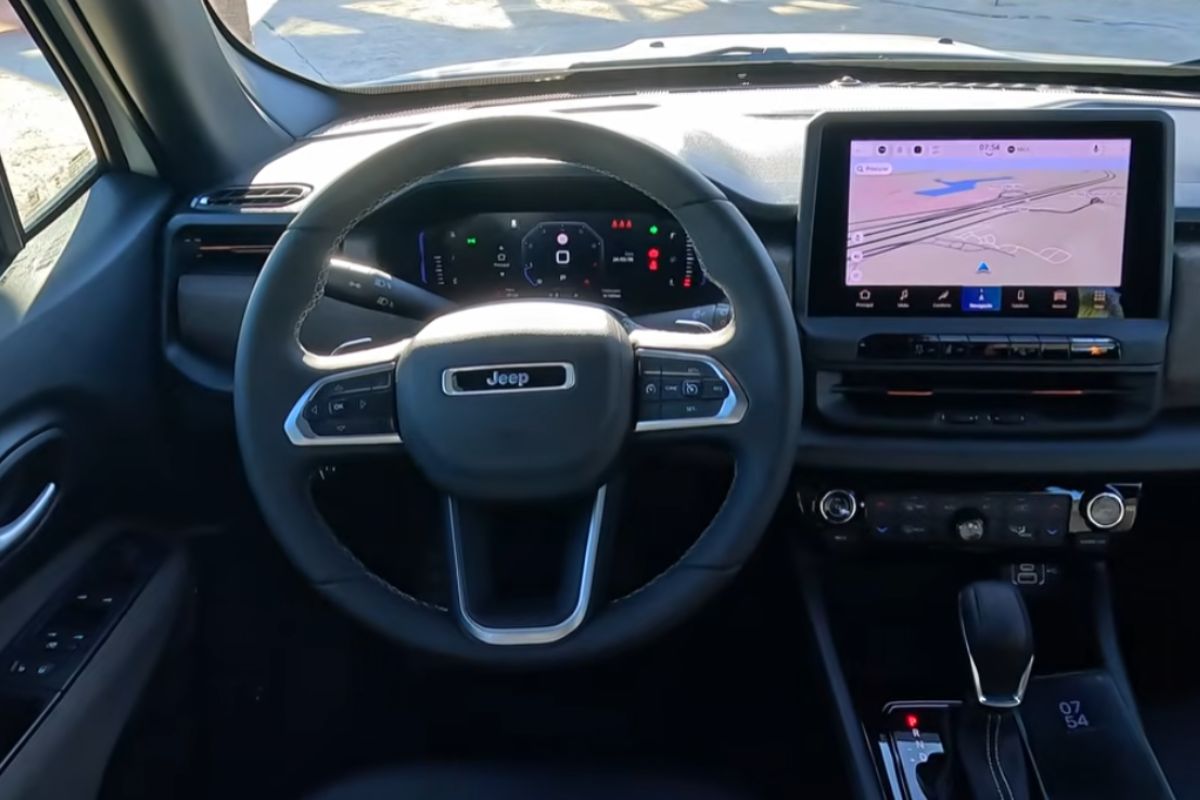
With a mild hybrid system of 48 V, 176 hp and a price of R$ 175,990 in the Sahara version, the new Jeep Renegade changes mostly on the inside, improves slightly in fuel consumption, and remains almost the same car.
-
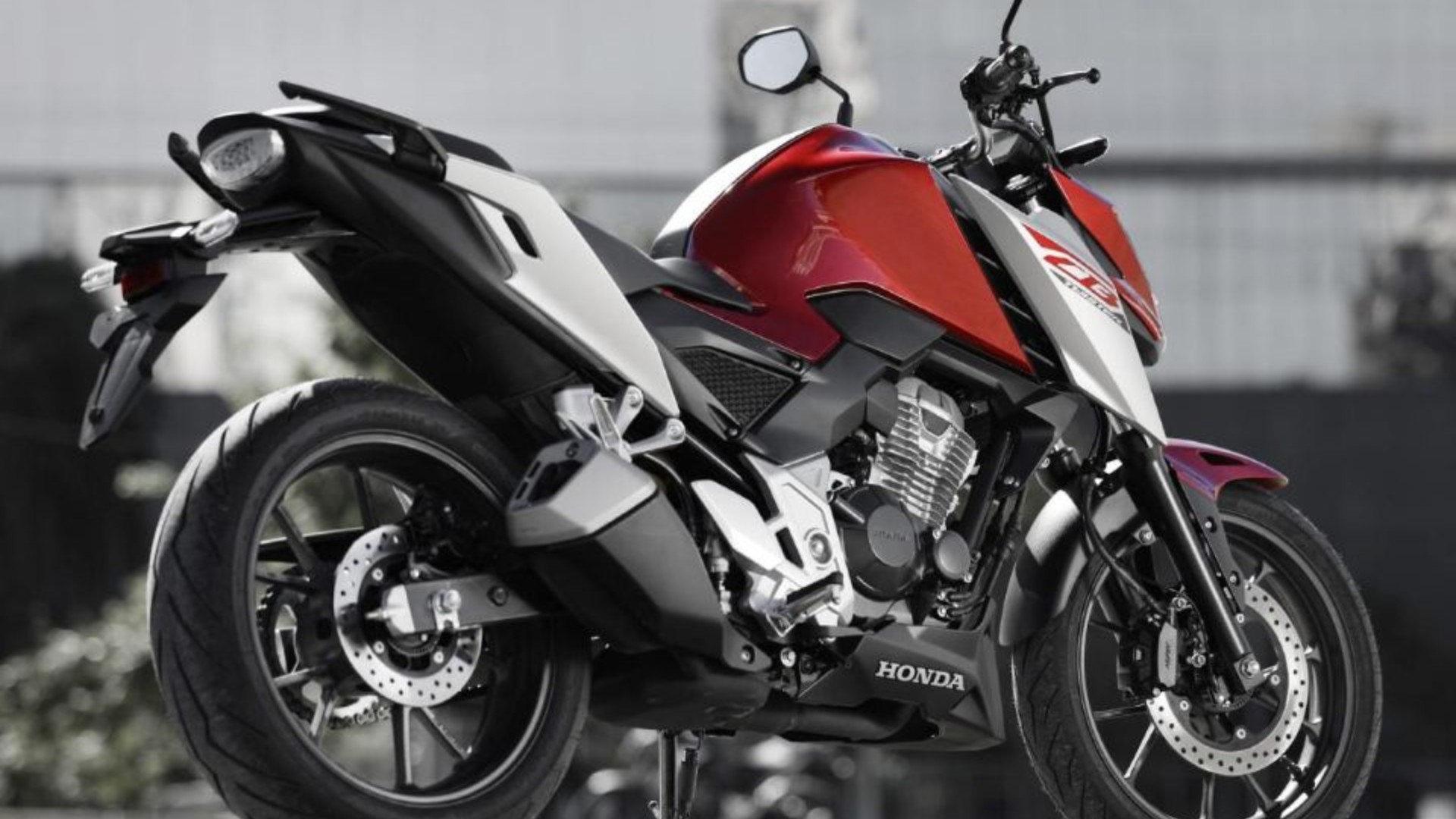
With a 293.5 cm³ engine and a range of up to 400 km with a 14.1-liter tank, the Honda CB 300F Twister 2026 has up to 24.7 hp, an initial price of R$ 25,150, and already exceeds R$ 29,000 in the Fipe Table.

Bajaj Is The First Indian To Meet Safety Standards In Europe
The launch depended on the approval of the Indian government for the model to be registered as a quadricycle, a category that imposes different requirements than those applied to passenger cars. And the effort paid off: the Bajaj Qute became the first vehicle manufactured in the country capable of meeting the safety standards required for quadricycles in Europe.
According to a report from Quatro Rodas magazine, the project had the support of giants in the global automotive industry, such as Renault and Nissan, and was born with a clear goal: to gradually replace rickshaws, popular vehicles that can be motorized tricycles or even human-powered.
Although Bajaj itself continues to manufacture this type of transport, the Qute emerges as an evolution of the concept, offering doors, a closed structure, and some level of protection for passengers, something nonexistent in most traditional rickshaws.
From a construction point of view, the Bajaj Qute bets on simplicity. Weighing around 400 kilograms, the vehicle measures 2.75 meters in length, 1.31 meters in width, and 1.65 meters in height.
In turn, the low weight is the result of using a tubular chassis covered by plastic bodywork, a solution that reduces costs and facilitates maintenance. Despite its tiny dimensions, the model offers a front trunk with a capacity of up to 20 kilograms and an internal compartment of 191 liters, sufficient for small urban loads.
However, the mechanical set also follows this minimalist logic. Thus, the Qute is equipped with a 217 cc gasoline single-cylinder engine, installed at the rear, delivering 20 horsepower and working together with a five-speed automated transmission.
The maximum speed is limited to 70 km/h, compatible with its urban proposal, while the declared fuel consumption is impressive: about 35 km per liter. There are also versions powered by LPG and CNG, with power reduced to 14 horsepower, especially designed for markets where the use of gas is encouraged by public policies.
How Much Does The New Indian Car Cost

In India, the price is one of the major attractions: the Bajaj Qute costs about $2,900, roughly R$ 19,000 in direct conversion. Moreover, the price is only slightly higher than that of a rickshaw from the same brand, sold starting at $2,800. Even so, the cost-effectiveness has not translated into commercial success in the domestic market. In the last five years, just over 3,600 units have been registered in the country.
Interestingly, the performance outside India is quite different. Exports total over 31,500 units, with destinations such as Turkey, Ghana, Egypt, Guatemala, and Mexico. In many of these markets, the Qute is seen as an intermediate solution between motorcycles and automobiles, especially for commercial use, urban taxis, or transport in areas with limited infrastructure.
With the proliferation of electric microcars in China, it is difficult to claim that the Bajaj Qute is the cheapest vehicle in the world. Still, it occupies a unique space in the global market by combining affordability, low consumption, and a proposal focused on basic urban mobility.
For now, there is no indication that the model will be offered in Brazil, but its existence reveals how different economic and urban realities shape alternative solutions for individual and collective transport.








-

-

4 pessoas reagiram a isso.