





 Portuguese
  English
  Spanish
  8 min of reading
  20 comments


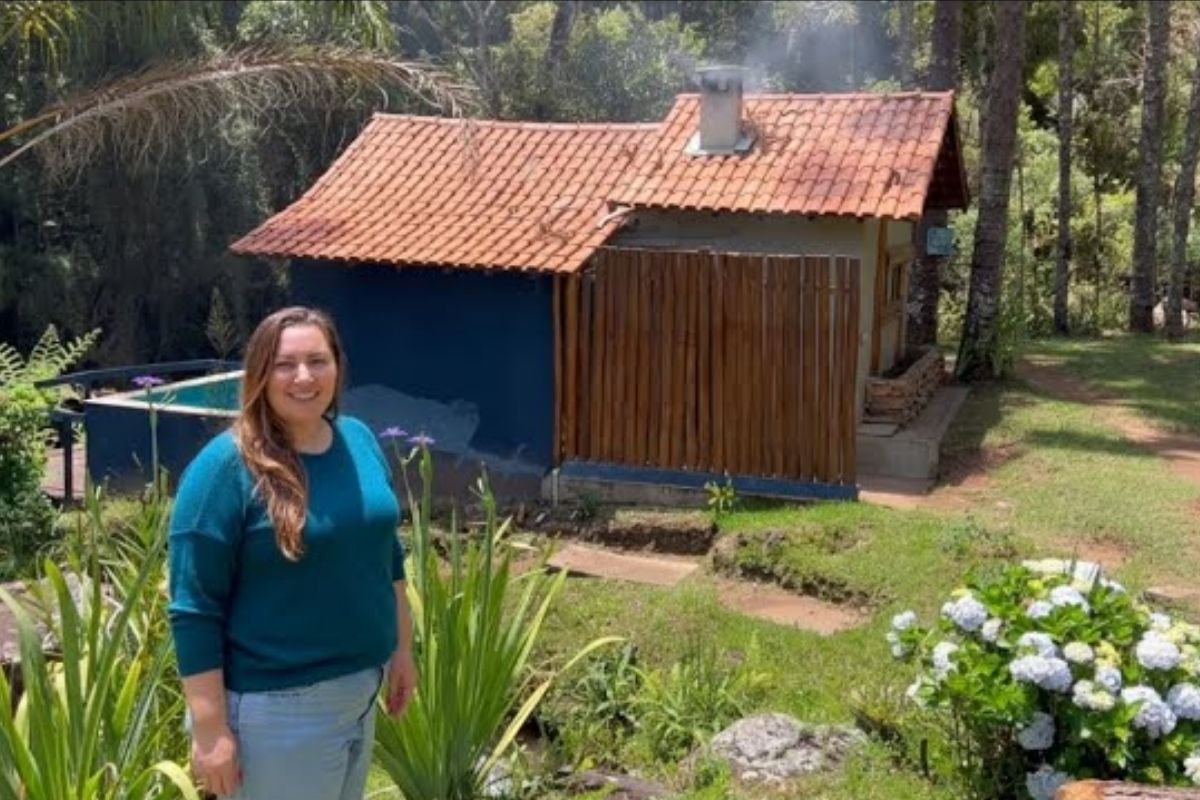


When An Engineer Leaves The City For The Serra Da Mantiqueira, She Generates Her Own Energy With A Waterfall, Recycles Almost All Waste, And Takes Care Of A Refuge Surrounded By Preserved Forest, Free-Roaming Animals, And Abundant Clean Water.
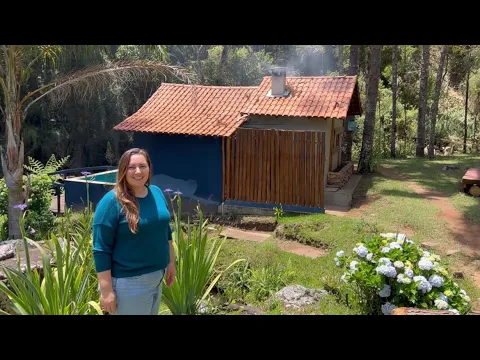
When an engineer leaves the city and decides to live at 1,500 meters above sea level, amid araucarias, icy rivers, and seven waterfalls, the change is not just one of postal code, but a change in life logic. Samara, an electrical engineer graduated in Itajubá, was born on the São Paulo coast, lived in large cities like São Paulo and Santos, spent time abroad, but it was in the Serra da Mantiqueira, in Delfim Moreira, that she truly recognized herself. She has been living at Fazenda Boa Esperança for seven years, an area of 211 hectares where about 30 has some occupation and the rest is protected forest and water, with chickens, ducks, peacocks, fish, and horses roaming free.
At the same time, the journey shows that an engineer leaves the city without giving up her profession. After a period entirely dedicated to farming, she returned to engineering thanks to the home office that consolidated during the pandemic.
Today she works remotely for an energy company while coordinating the farm’s routine, operating the small hydroelectric plant, managing waste, and welcoming visitors seeking rest, nature, and a different pace of life.
-
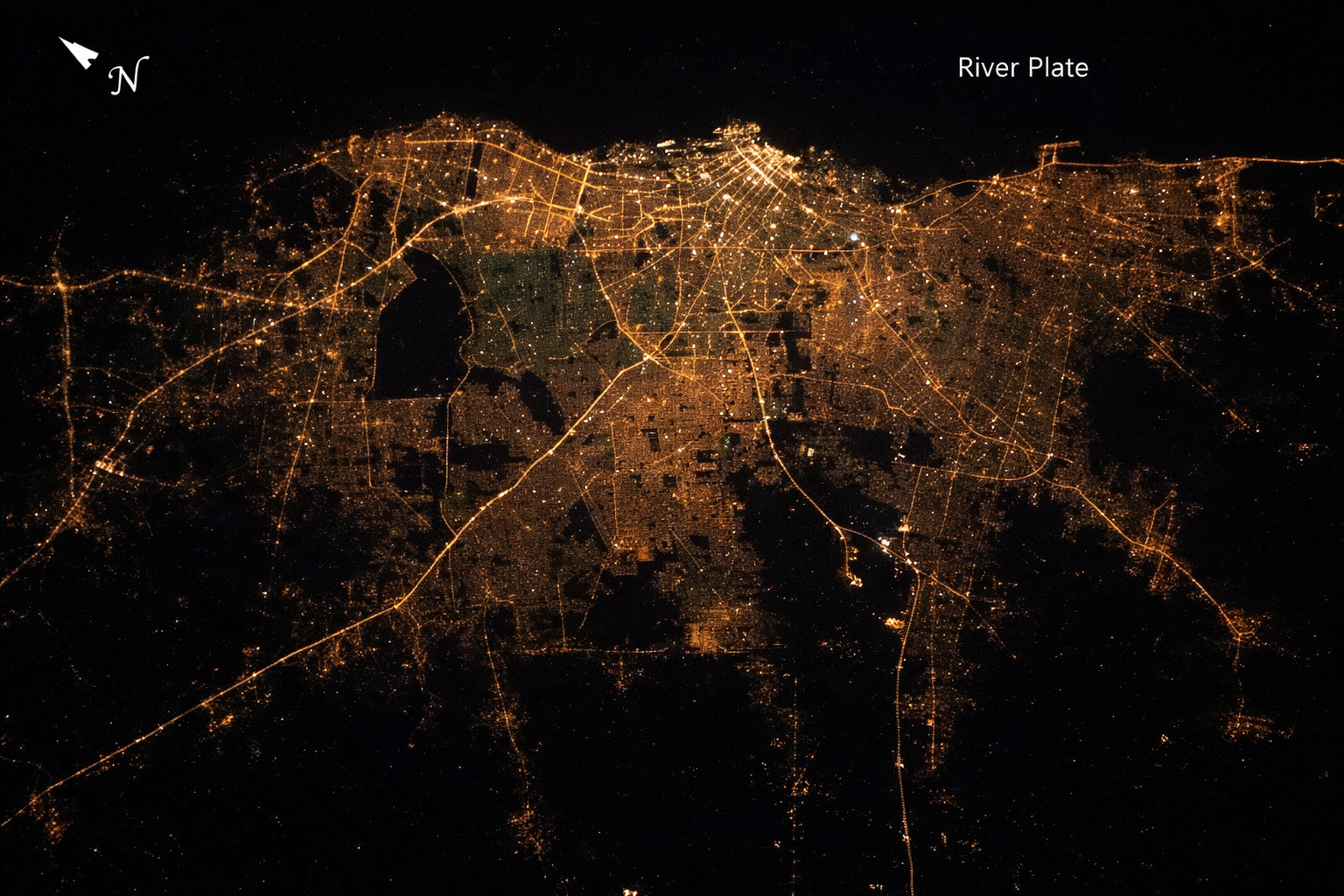
From space, Buenos Aires appears as a colossal spot of light surrounded by kilometers of darkness, revealing at a single glance the exact boundary between the metropolis and the countryside, seen from 400 km altitude.
-
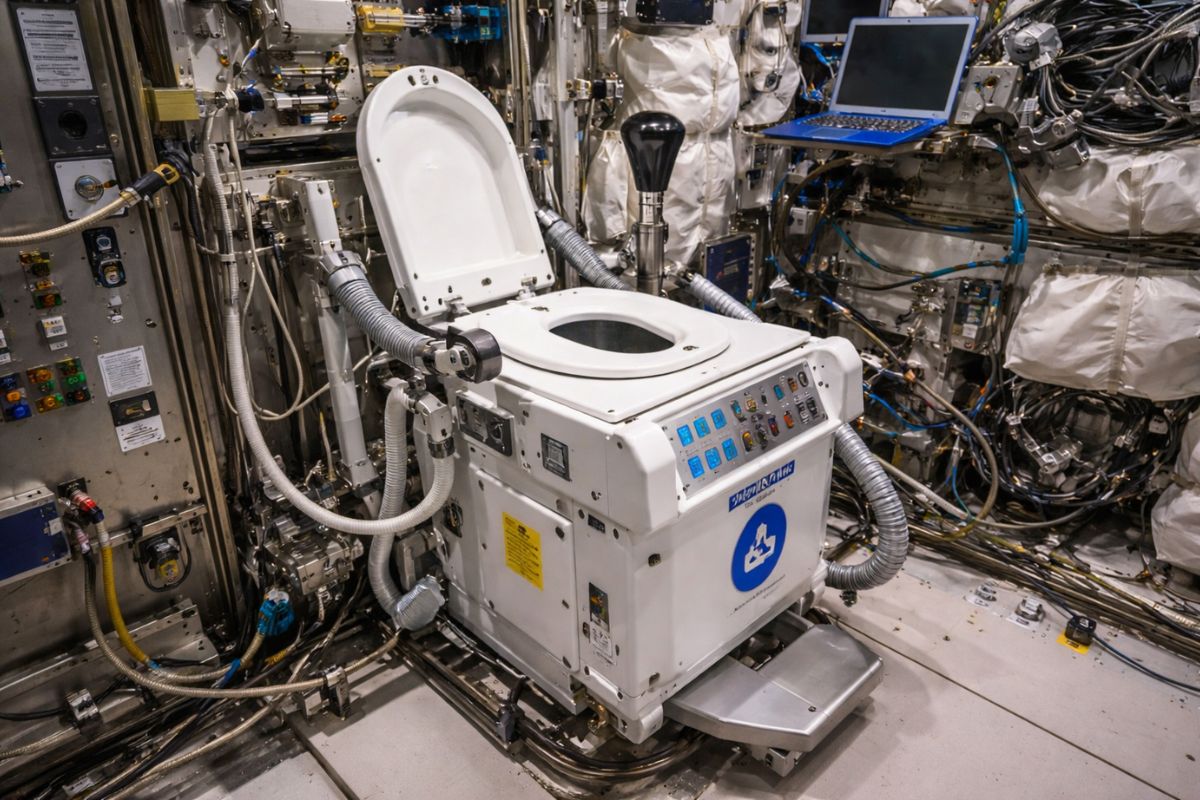
NASA spent over 118 million reais to build a single bathroom that works in zero gravity, and it has just gone to space on the first crewed mission to the Moon in more than 50 years.
-
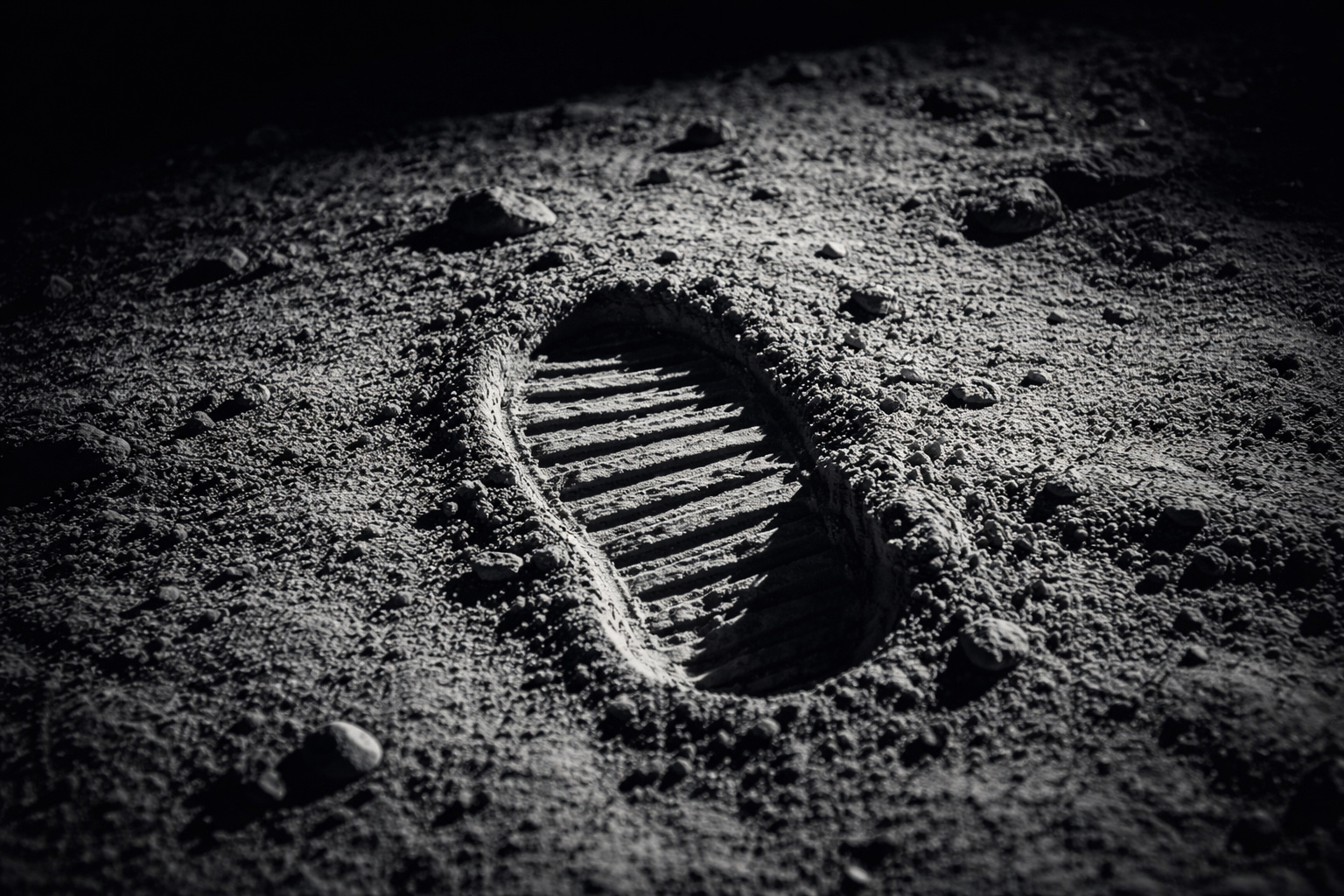
Man never set foot on the Moon? 5 scientific proofs confirm that humanity has been there and definitively dismantle conspiracy theories.
-
The Brazilian Army will adopt humanoid robots to test the concept of future combat, says a website, surprising everyone, but later revealing that it was all just an allusion to April Fool’s Day.


When An Engineer Leaves The City And Chooses The Serra Da Mantiqueira
The story begins on the São Paulo coast, in São Vicente, passes through Santos, São Paulo, two years of life in Ireland, and travels through Europe. In 2002, Samara arrives in Itajubá to study electrical engineering and it’s there that she discovers the Mantiqueira.
She mentions that she identified more with the mountain range than with any large city she has lived in, both for the climate and for the lifestyle.
After years between urban life and travel, she returns to the region and starts visiting the place that is now Fazenda Boa Esperança.
The first visit was around 2007 or 2008. Fifteen years later, the enchantment turned into a permanent home. Seven years ago, the engineer left the city and settled on the farm, taking on not just a house, but an entire territory of forest, water, trails, and physical labor.
She describes life on the farm as full of challenges, but repeats that it is worth every one of them. The air is purer, the water is from a spring, the cost of living is simpler, and the sense of purpose is greater.
As she walks around the property, Samara shows the lake, chicken coop, trails, and waterfalls with the naturalness of someone who knows every stone, every spring, and every corner that needs care.
Energy That Flows From The Waterfall And Powers The Entire Farm

If an engineer leaves the city, electricity no longer comes from the urban grid. At Boa Esperança, all the electricity used on the farm is generated right there, with the power of water. Right behind the house, a strong waterfall, Boa Esperança, cascades over the rocks, and a portion of that water is diverted through a green channel to the powerhouse.
Inside the small shed, a simple setup does the job. Water, captured higher up, flows down the pipes, moves the turbine, activates the generator, and immediately returns to the riverbed a few meters downstream.
The project was designed to have the least possible impact on the watercourse, taking only a fraction of the flow and returning everything to the river. No large dams, large reservoirs, or drying rivers.
The small hydroelectric plant was designed over twenty years ago in partnership with the university where Samara studied, Unifei.
She came to know the project as a student and today is responsible for the operation and maintenance of the plant. When something goes wrong, she is the one who enters the powerhouse, listens to the sound of the generator, analyzes panels, and gets the system working again.
The farm operates in an off-grid scheme. The utility’s grid only exists as a backup for any unforeseen events.
When there is excess energy, Samara uses it to heat the water in the pool and sauna by the river. The same waterfall that frames the backyard is, therefore, a source of beauty, leisure, and clean energy for the property.
Waste That Does Not Go To The Landfill And Becomes Food, Recycling, And Compost
Since 2017, Samara decided that it wouldn’t make sense to live in a paradise of clean water and send bags of garbage to a distant landfill. Since then, the farm has practically stopped sending waste to the landfill. She estimates that around five tons of waste per year are no longer buried away from there, thanks to a simple, disciplined, and precise system.
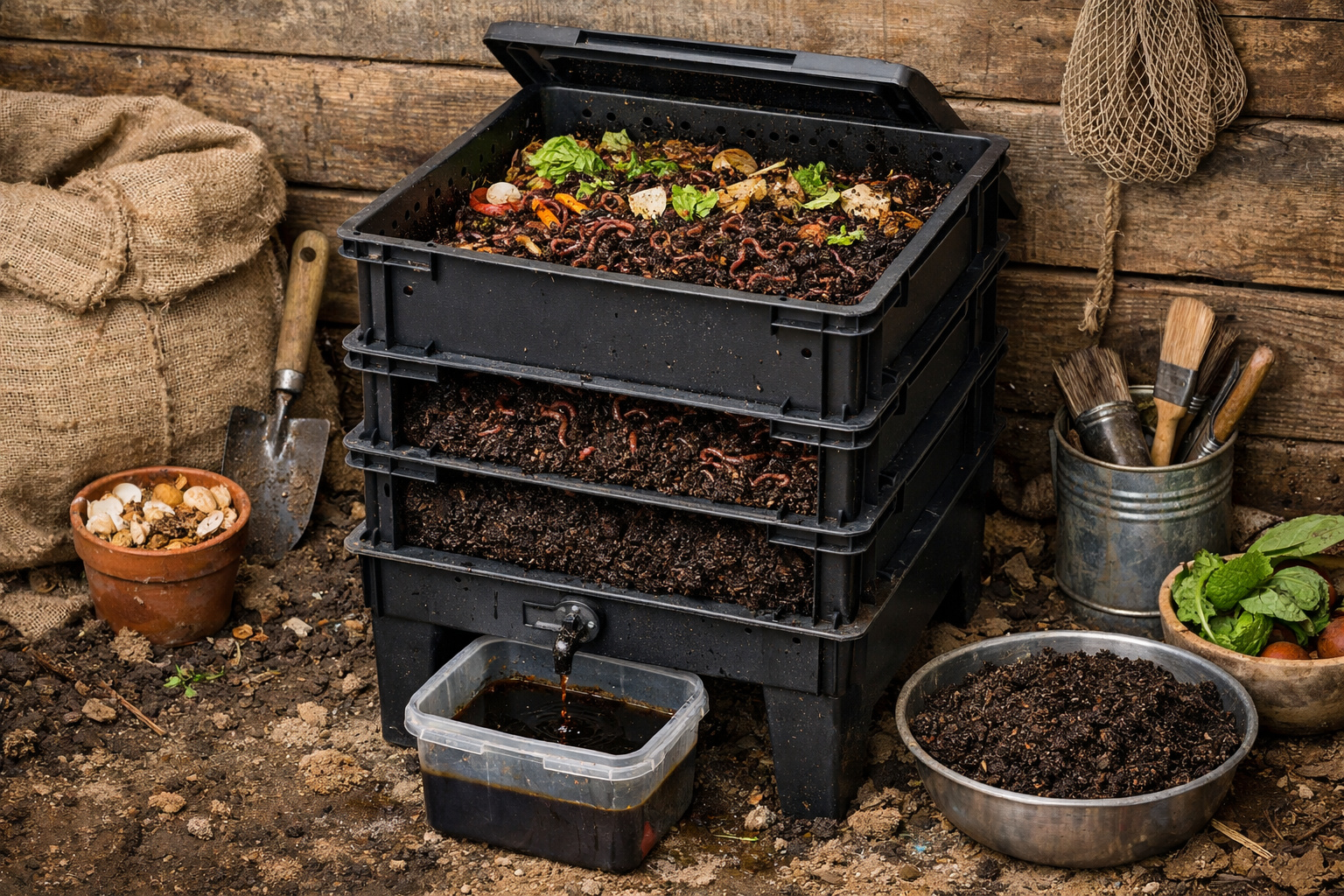
The first step is to separate what is organic. Food scraps from the residences and the restaurant do not go into black bags; they go to the chicken coop, for the animals.
Chickens, ducks, and other critters peck, eat, and help make use of what, in any city, would just be waste. What remains after that goes to the compost, where it becomes rich soil used to fertilize plants and gardens.
The recyclables follow another flow. Glass, plastics, paper, cardboard, long-life packaging, everything is washed before being stored.
The clean materials are separated into large bags, by type, in a shed away from the chalets and restaurant. When the bags are full, a recycler from the region of Delfim Moreira comes to collect the material and provide proper disposal.
Only a minimal fraction of dirty waste remains, such as toilet paper and cigarette butts, which are still burned.
Samara knows this is not ideal, but she reminds that the volume is very small after removing everything that serves as food for the animals and everything that can be recycled or composted. She emphasizes that the goal is to improve this aspect over time, creating a specific solution for this last fraction.
Free Roaming Animals, A Vibrant Lake, And Surrounding Forest

Another pillar of the routine is the way animals are managed. On the farm, 100% of adult animals live freely, without cages or permanent stalls.
Chickens, ducks, cats, dogs, horses, and even the peacock Abelardo roam freely around the area near the main house. Only the chicks, more vulnerable to cold, hawks, and accidents, are kept in protected nurseries until they grow up.
The lake in front of the house, which used to be a hole overgrown with weeds and a snake breeding ground, was restored without poison.
The solution was to put grass carp to eat the vegetation and keep the water clear. Today there are catfish, large carp weighing two or three kilos, and some tilapia being tested. Fishing there is sport fishing, done more for fun than necessity.
Surrounding the farm, there is a chicken coop under renovation, nurseries for chicks, a camping area by the river, a restaurant that operates on weekends, wooden chalets named after planets, and trails leading to waterfalls.
In total, there are seven waterfalls bordering the property, as well as a wood-fired sauna by the river, with a spring water pool and a view of the forest.
Of the total 211 hectares, Samara estimates that only about 30 have some type of occupation. The rest is forest that she is keen on preserving, including areas of araucaria that yield ample amounts of pine nuts between April and June.
Some of that production supplies the restaurant with dishes based on pine nuts, from kibinho to recipes with meat.
When An Engineer Leaves The City, But Does Not Leave Engineering
For five years, after an engineer leaves the city to live on the farm, Samara remained completely away from professional practice, focused on learning about the land, animals, water, and the very structure of Boa Esperança.
This time served to understand the logic of farming, organize waste, restore the lake, monitor the plant’s operation, and open space for lodging and camping.
The pandemic was the turning point that allowed her to reconcile the two worlds. The company she works for today was 100% in-person until 2020. With the onset of the home office, the possibility of hiring professionals who do not live in the same city as the headquarters opened up.
That’s how Samara formally returned to engineering, working from the living room of her home on the farm and connecting her laptop to energy coming from her own waterfall in the backyard.
She says she is happy to be able to practice a profession she enjoys, in the field in which she graduated and earned a master’s degree in energy engineering, without having to give up life in the mountains.
The farm still demands daily work with animals, trails, maintenance, reception, and logistics, but now it’s combined with exercise in engineering in a hybrid model that was previously impossible.
Refuge Open For Those Who Want To Breathe Outside The City
Boa Esperança is not just the home of the family and animals. Over the years, the place has opened as a refuge for those who want to “escape the madness of life” for a few days.
There are chalets for couples and families, camping areas by the river, a restaurant that operates on weekends and holidays, a sauna, trails to waterfalls, and a routine that mixes the smell of firewood, the song of thrushes, the peacock’s calls, and the sound of falling water.
Professors and students from universities like Unifei and Unicamp visit the small hydroelectric plant to learn practically how to measure flow, calculate drops, and make a low-impact project work for decades.
Guests seek the place to rest, walk, swim in the river, and feel a bit of what it is like to live where an engineer leaves the city and reorganizes her time around nature.
Samara says she notices in the expressions of those who arrive and those who leave that contact with the river, waterfalls, and free-roaming animals makes a real difference in the mood and health of those who pass through. The farm has become not just a home, but also a life project and a space for quiet healing for those coming from the city.
In your case, if you had the chance to follow the path of this story where an engineer leaves the city, would you have the courage to trade urban routine for life in a sustainable refuge in the Serra da Mantiqueira?





Yooo siii x ke la vida en ese lugar es más saludable en todos los aspectos
Excelente opção de vida
Conserteza até moraria lá se podesse.
Si viviría allí en la naturaleza