





 Portuguese
  English
  Spanish
  6 min of reading
  3 comments


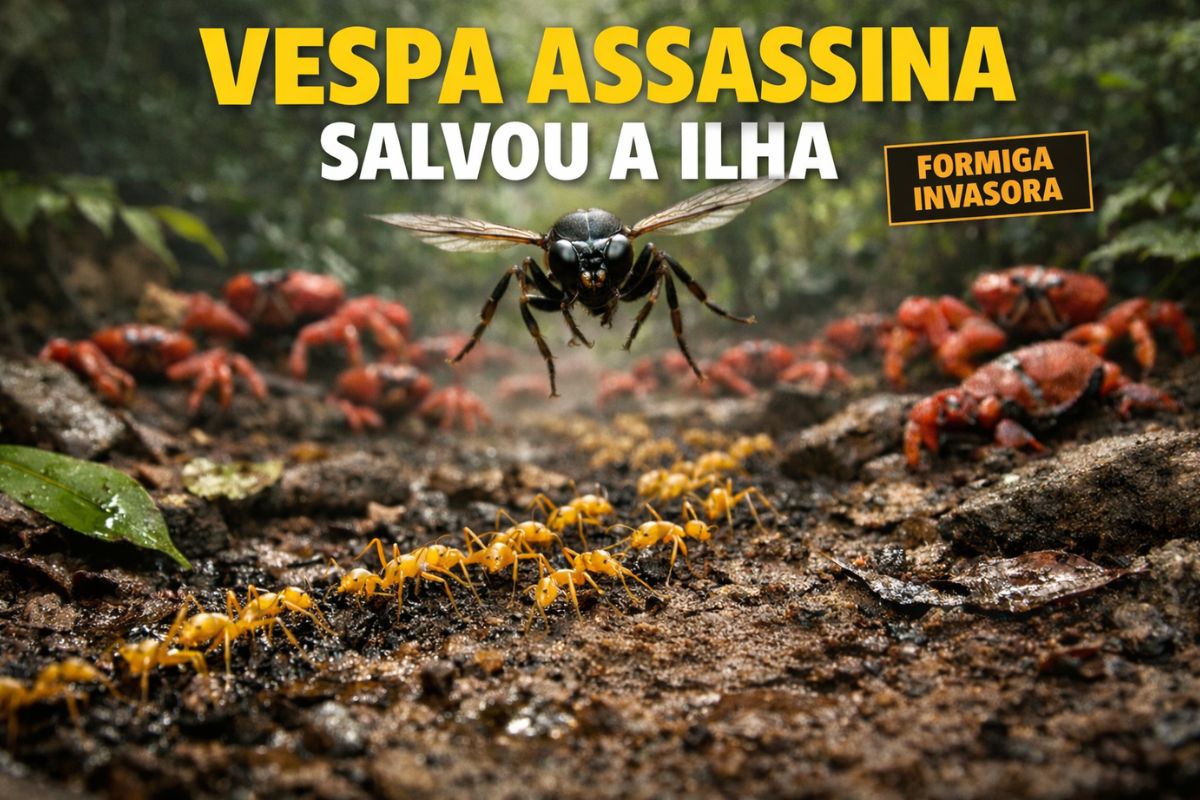


On Christmas Island, An Invasive Ant Devastates Red Crabs Until Scientists Use A Murder Wasp In Biological Control To Try To Restore The Balance Of Nature.
On the remote Christmas Island, an invasive ant that arrived hitching a ride on human cargo nearly erased one of the planet’s most famous natural spectacles: the migration of millions of red crabs to the sea. For years, the plague took over the forest, attacked everything that moved, and transformed the landscape into a scenario of ecological collapse.
When it seemed there was no way out, scientists turned to an extreme solution. Instead of just trying to kill the invasive ant with poison, they decided to release a parasitic wasp, nicknamed the murder wasp, to restore the balance of nature. From that moment on, the island became a large living experiment in biological control.
The Island of Crabs and the Arrival of The Invasive Ant

Christmas Island is known for the stunning sight of red crabs crossing roads, yards, and forests toward the ocean to breed.
-
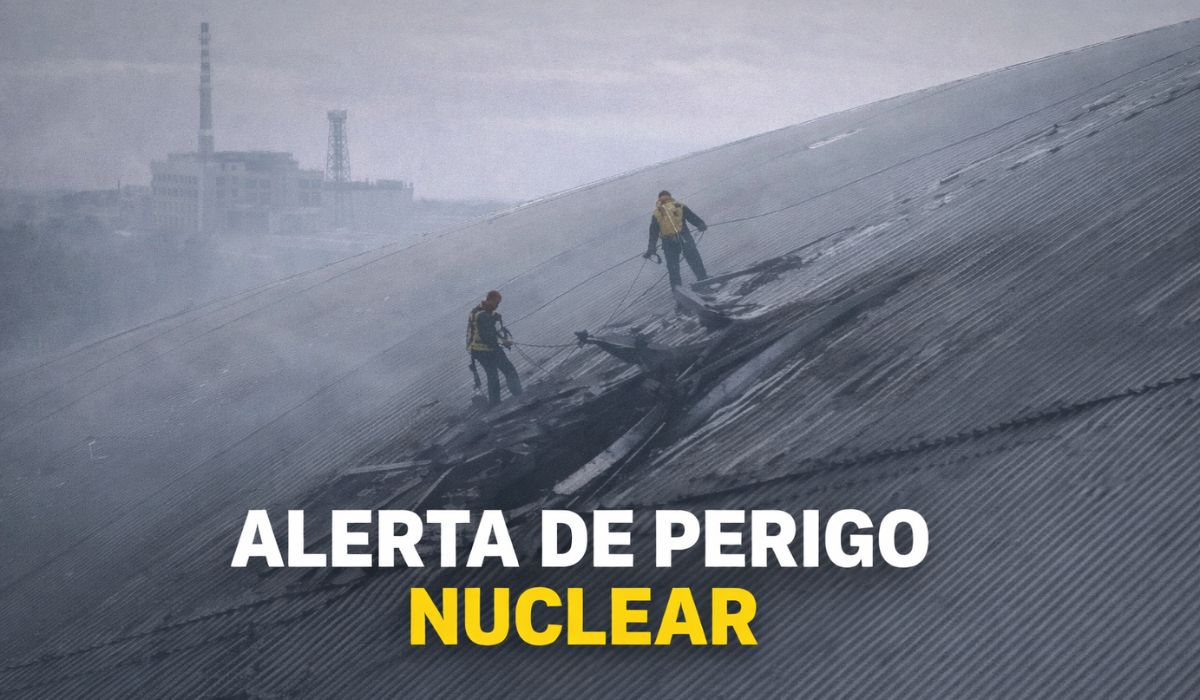
The gigantic steel shell built to contain Chernobyl for a century has been pierced by a drone, exposing a critical system and creating a hole that could cost over 500 million euros to repair.
-
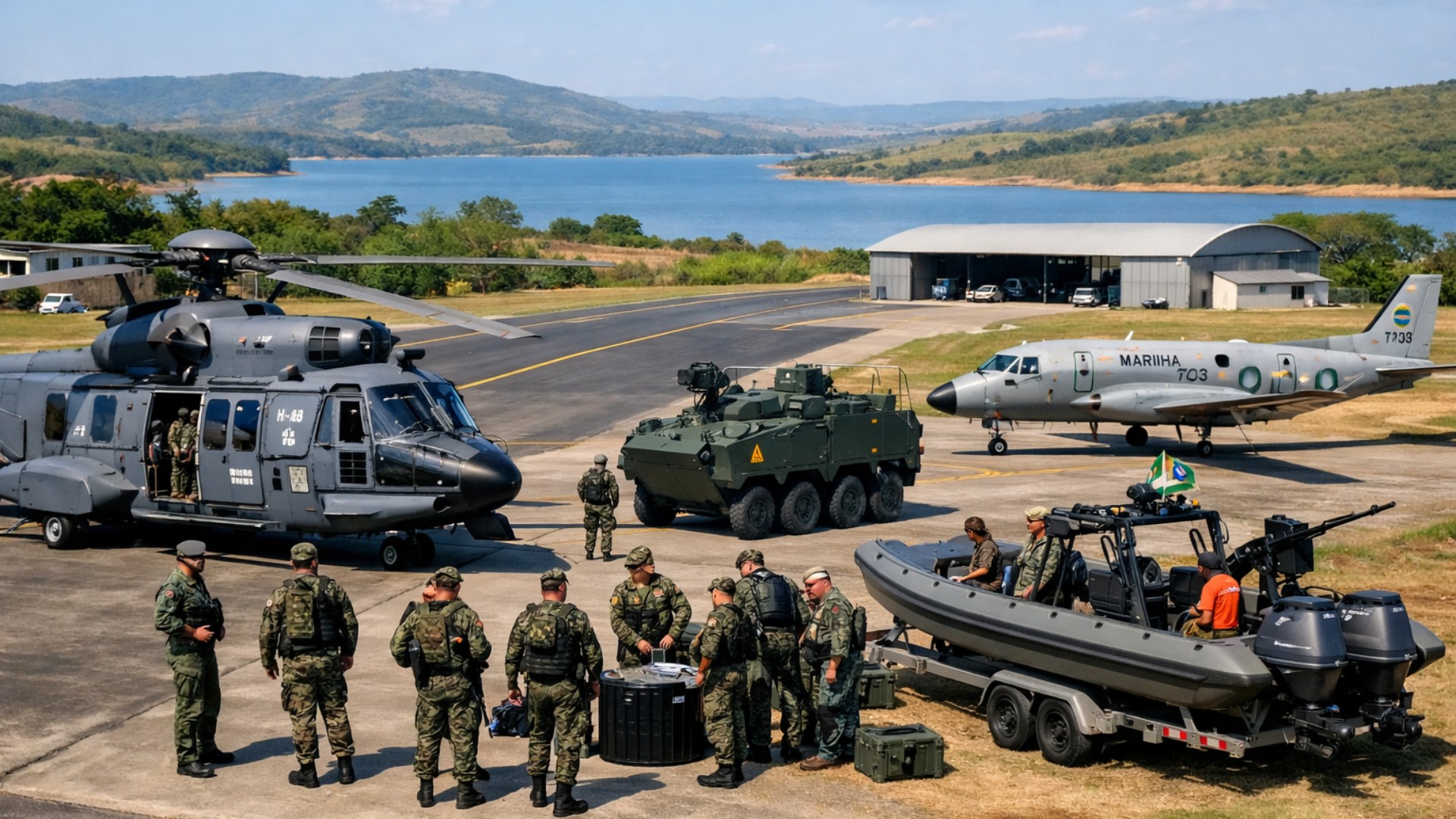
Brazilian Navy reaches a new level by taking over an airport with a 1,600-meter runway used by 1,800 military personnel and autonomous attack drone testing.
-
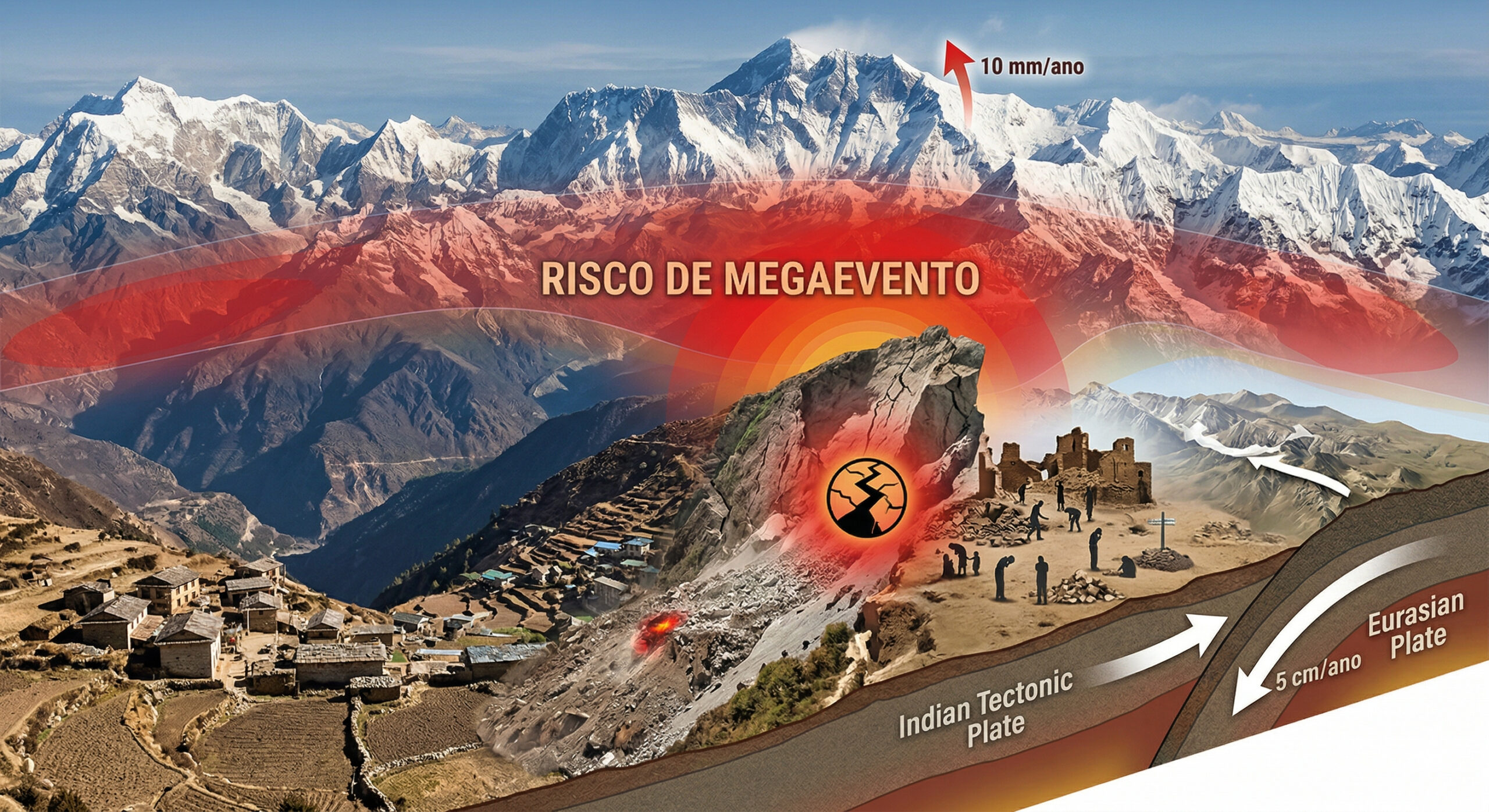
The Himalayas continue to grow to this day, with tectonic plates advancing 5 cm per year, mountains rising up to 10 mm annually, and the 2015 earthquake that killed 9,000 people may have increased the risk of an even larger seismic mega-event.
-
At an altitude of 400 km by astronauts from the International Space Station, Paris transforms at night into a golden mesh so precise that it reveals the outline of the Seine River, avenues, and entire neighborhoods like a luminous map drawn over the Earth.

Millions of crabs would emerge from their burrows simultaneously, forming a true moving red carpet. It was a symbol of ecological balance and the power of nature.
This balance began to crumble when an invasive ant arrived hidden in ships loaded with goods. Small, aggressive, and highly adaptable, it spread silently across the island, forming supercolonies in the soil and covering trunks and branches with endless trails. For a time, hardly anyone noticed what was happening.
How The Invasive Ant Turned The Island Into A War Zone
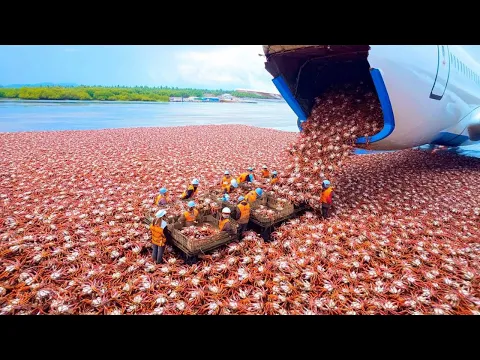

As it occupied the island, the invasive ant came to dominate the forest floor and even the tree canopies. When the red crabs crossed these areas during their migration, they entered directly into the territory of the plague. The invasive ants swarmed over the crabs, attacking their eyes, joints, and sensitive body parts, eventually blinding and immobilizing the animals.
In just a few years, stretches that had once been red corridors of life turned into fields covered with empty shells. The problem was not just visual.
The crabs helped to clean the soil, control leaves and seeds, and maintain the forest’s balance. Without them, the ground became overloaded with accumulated organic matter, native plants lost space, and opportunistic species began to take over. The invasive ant did not just kill crabs; it dismantled an entire gear of the ecosystem.
When Killing The Plague Doesn’t Solve The Problem
In the face of the destruction caused by the invasive ant, the initial response was the most obvious: using poisons, baits, and different types of direct control to try to reduce the population of the plague. In small areas, results did appear, but on the scale of an entire island, the supercolonies reorganized too quickly.
It was at that moment that some researchers began to ask another question. Would the only strategy be to keep killing or was there a specific enemy in nature capable of controlling the invasive ant in a more intelligent way?
From this doubt, teams began to search, outside the island, for organisms that coexisted with the same species of ant in balance in other environments.
The Murder Wasp That Attacks The Invasive Ant From Within

The studies led to a small parasitic wasp specialized in attacking precisely the type of invasive ant that had taken over Christmas Island.
Instead of attacking in groups, this wasp acts individually. It lands on ant trails, chooses a worker, and injects an egg inside the insect’s body. On the outside, the ant continues walking. On the inside, everything changes.
While the ant keeps working, the wasp larva develops, consuming the inside of the host’s body. At the end of the process, the invasive ant dies, and the young wasp emerges ready to repeat the cycle on another ant.
It is an extremely specific control strategy and, therefore, was tested very carefully before being applied on Christmas Island. Scientists needed to ensure that the wasp would only attack the invasive ant without putting other native species at risk.
After many tests, came the decisive moment: the controlled release of the murder wasp in areas where the invasive ant was dominant. Nothing explosive happened at the time. But over the following weeks and months, the behavior of the invasive ant colonies began to change.
When The Invasive Ant Loses Control Of The Island
With the murder wasp attacking relentlessly, the supercolonies of the invasive ant lost stability. Trails that were once clearly organized became twisted, full of gaps, with ants abandoning food along the way. The structure of that “perfect army” gradually began to disintegrate.
The result was not a total extermination, but something more subtle. The murder wasp began to function as a natural brake, preventing the invasive ant from growing unchecked.
As the density of ants increased, the wasp had more targets and multiplied. When the population decreased, the pressure from parasitism eased. This continuous dance helped prevent new supercolonies from taking over the entire island again.
With the pressure from the invasive ant decreasing in various parts of the forest, native plants began to recover, insects reappeared, and birds returned to occupy areas they had abandoned. Gradually, Christmas Island ceased to be a permanent war zone.
The Return of The Crabs and The Rebalancing of Nature

One of the most notable signs of recovery was the gradual return of the red crabs. In regions where the murder wasp had been operating for a longer time, groups of crabs began to cross the forest again without being immediately decimated by the invasive ant. Instead of graveyards of shells, the moving red carpet reappeared.
With each new migration season, more crabs were able to reach the sea to breed and return to the forest afterward.
Roads were once again closed during certain periods to protect the passage of the animals, something that had nearly disappeared during the height of the invasion. With the crabs back, the soil became cleaner, more aerated, and more alive, helping the forest breathe again.
It is important to remember that the invasive ant has not disappeared completely from Christmas Island. Small populations still exist and need to be monitored.
But now they coexist with the murder wasp and a stronger ecosystem, instead of dominating everything alone. What has changed is the balance of forces.
What The Story Of The Invasive Ant Teaches About Ecological Balance
The trajectory of the invasive ant on Christmas Island shows how a species accidentally brought by humans can profoundly disrupt an entire environment. At the same time, it also shows that the solution is not always to eliminate everything with quick fixes. Sometimes, restoring balance means reintroducing the natural enemies that were missing, in a planned and responsible way.
The use of the murder wasp was a bold decision that required long studies and risk assessment. Even so, it opened an important door: to think of pest control not just as extermination, but as rebuilding relationships between species that maintain the system in balance.
In the end, the story of the invasive ant on Christmas Island is a reminder that every human intervention on the planet brings chain effects. Reversing those effects may be possible, but it almost always requires time, care, and a good dose of humility before nature.
And you, after learning this story, do you think using a murder wasp to control an invasive ant is a necessary solution or too great a risk to the balance of nature?







𝐸𝑙𝑒𝑠 𝑝𝑜𝑑𝑒𝑟𝑖𝑎𝑚 𝑡𝑒𝑟 𝑚𝑎𝑡𝑎𝑑𝑜 𝑐𝑜𝑚 𝑣𝑒𝑛𝑒𝑛𝑜 𝑝𝑜𝑟𝑞𝑢𝑒 𝑎 𝑣𝑒𝑠𝑝𝑎 𝑝𝑜𝑑𝑒𝑟𝑖𝑎 𝑖𝑟 𝑛𝑎𝑠 𝑐𝑖𝑑𝑎𝑑𝑒𝑠 𝑒 𝑐𝑜𝑚𝑜 𝑖𝑟𝑖𝑎 𝑎 𝑠𝑜𝑙𝑢𝑐̧𝑎̃𝑜? 𝑃𝑜𝑟 𝑚𝑖𝑚 𝑒𝑢 𝑖𝑟𝑖𝑎 𝑚𝑎𝑡𝑎𝑟 𝑐𝑜𝑚 𝑣𝑒𝑛𝑒𝑛𝑜
Já tinha assistido na TV a migração desses caranguejos. Achei incrível.
Dá-se para fazer um paralelo com o que nós estamos fazendo no planeta. É uma crueldade tremenda !
Dificilmente leio uma matéria completa, mas esta me interessou, por isso consegui completar a leitura.
Materia interessantíssima,nos convida a reflexão em várias frentes.O “Equilíbrio” é a tônica, a diversidade é a sabedoria organizacional da natureza.Este é um planeta perfeito,oriundo de uma perfeição maior.Quanto mais estudarmos e a maturidade se fizer em cada ser,maravilhoso será o nosso futuro.