





 Portuguese
  English
  Spanish
  4 min of reading
  0 comments


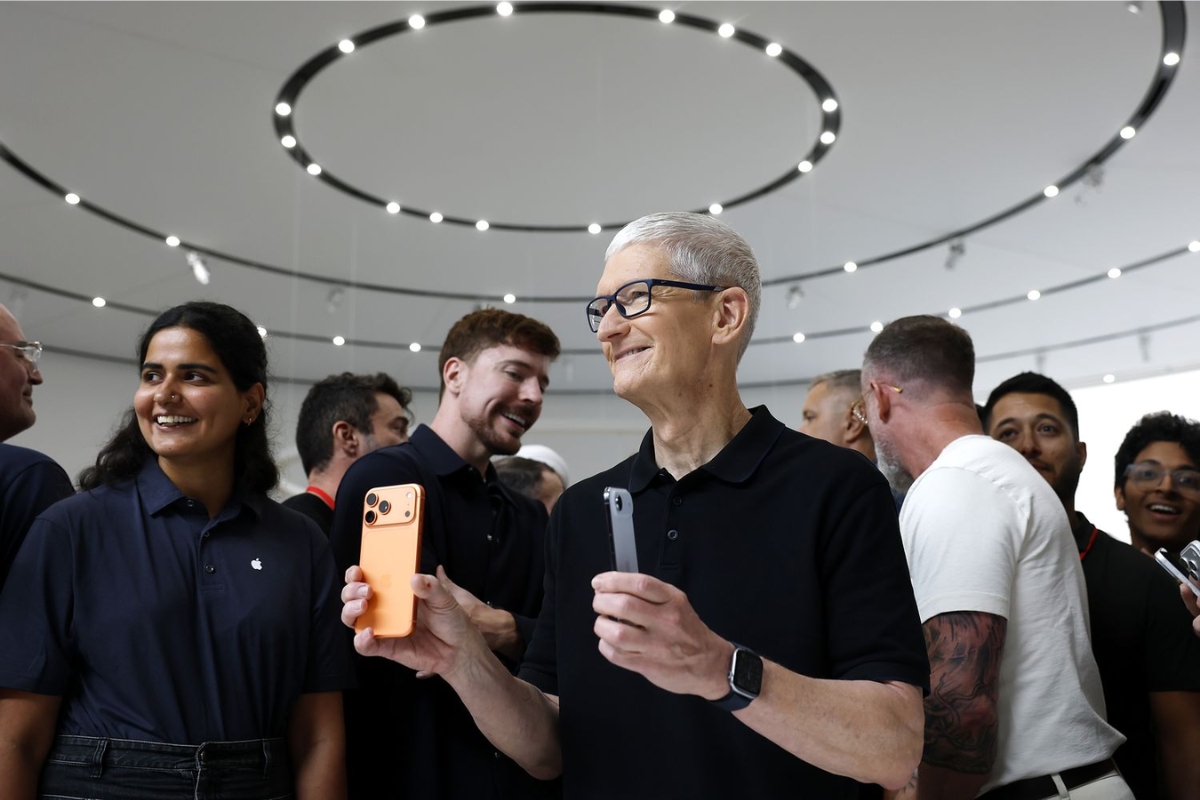
Council Accelerates Continuity Plan and Places Artificial Intelligence and App Store at the Center of Decisions
Apple has begun the search for a successor to Tim Cook at the helm of the company, opening a new cycle of expectations regarding leadership and strategy. The company is nearing a market value of USD 4 trillion, a level that increases attention on changes at the top.
The internal context also weighs heavily. Last month, Apple confirmed the departure of four high-ranking executives, including the head of artificial intelligence, which strengthens the interpretation of reorganization and competition for priorities. A transition of this magnitude usually disrupts teams and the delivery pace.
The most sensitive point lies in the balance between tradition and urgency. Apple has built an advantage in hardware, system integration, and ecosystem, but now topics like artificial intelligence and App Store protection dictate the user experience and new forms of digital consumption.
-
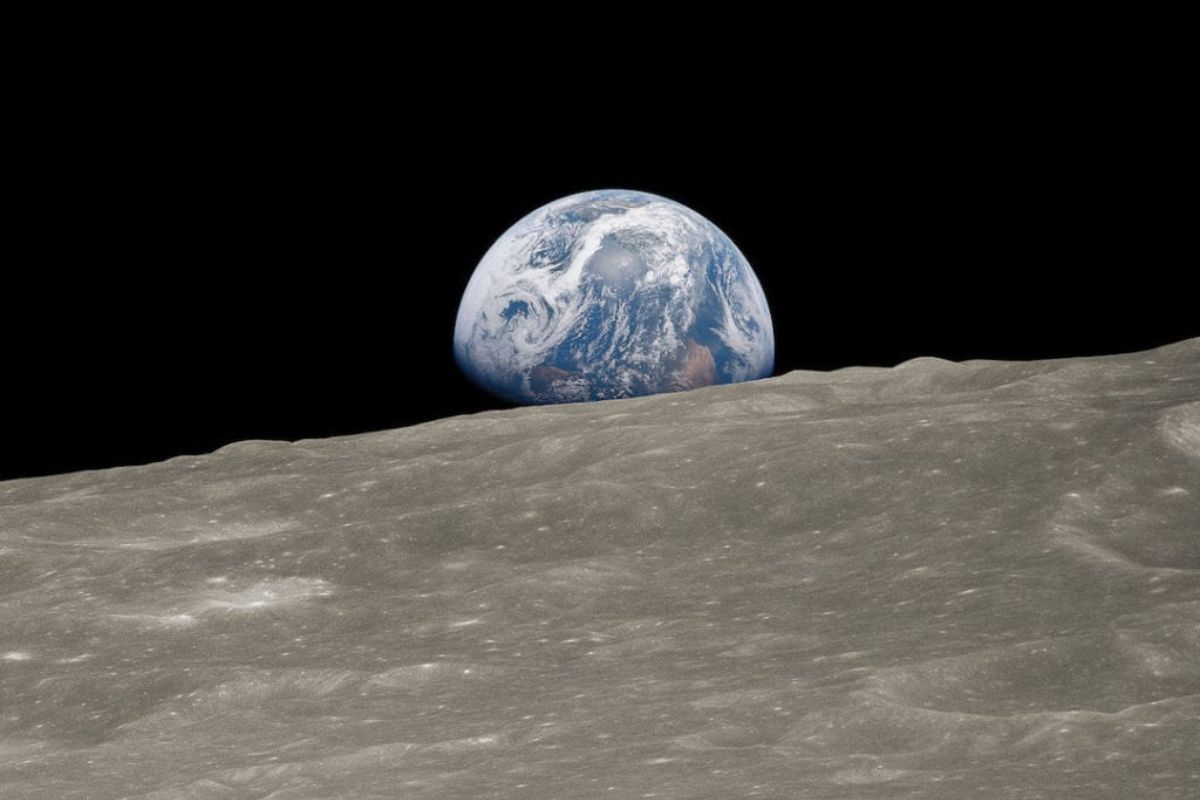
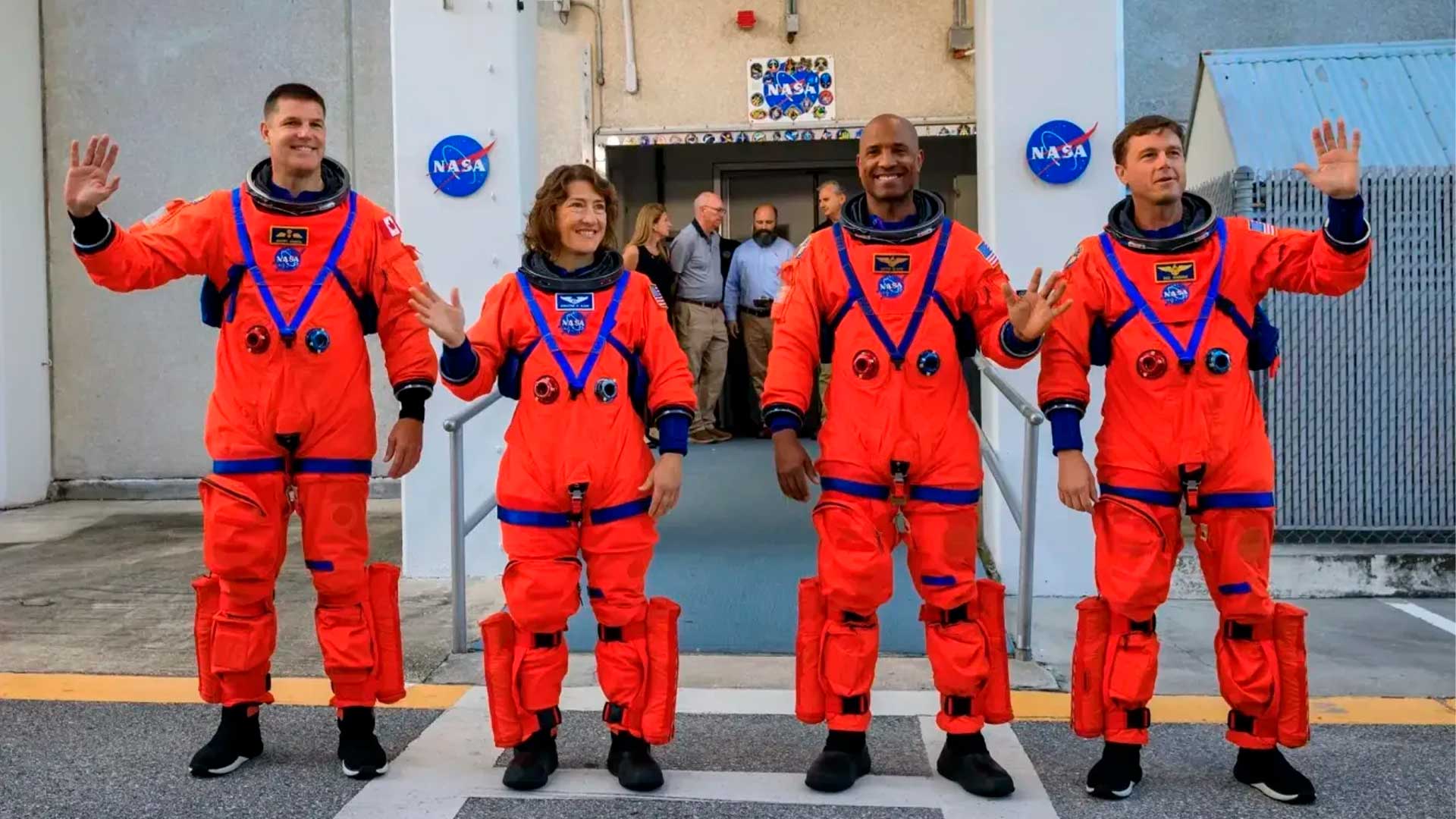
Four humans are flying towards the Moon inside the Orion capsule launched by the SLS rocket, and on April 6, Artemis II will disappear behind the far side of the Moon without communication with Earth for nearly an hour.
-
Worlds covered by water, atmospheres filled with hydrogen, and the possibility of life beyond Earth: ocean planets are rewriting the map of cosmic search and forcing scientists to rethink where to look.

-
Argentina achieves the unimaginable after more than 110 years and reintroduces the largest native herbivore of South America to the Chaco to restore a lost link in nature.

-
Returning to the Moon now costs a billion-dollar bill and reignites the competition between the USA and China for science, technology, and rare minerals on lunar soil.

Market Value of USD 4 Trillion Increases Demand for Continuity
Getting close to USD 4 trillion reinforces the challenge for any future CEO. This level creates pressure to maintain growth and clarity of direction, as the company is valued not only for its products but also for its service ecosystem.
This scenario also explains why the succession occurs at the peak of Apple’s strength. Planning the transition with the company strong reduces the risk of hasty decisions and allows for alignment of vision, culture, and medium-term strategy. At the same time, it increases the board’s responsibility in choosing who will sustain performance.
The choice connects directly with technology. Artificial intelligence has advanced rapidly and influences usage habits, productivity, and service integration, and Apple needs to decide how to compete in this space without losing differentiation.
Cook’s Legacy Includes USD 275 Billion in China and Training of 28 Million Workers
An important part of Tim Cook’s management was the consolidation of operations in China, with significant investments and training of over 28 million workers linked to manufacturing. This scale helps explain why industrial efficiency and integration still count as strong assets for the company.
Apple engineers worked directly with suppliers to raise technical standards and create requirements that were previously difficult to achieve. This amplified the region’s industrial capacity and strengthened practices that demand rigorous coordination and stable processes.
This legacy reminds us that succession involves not only strategic vision but also operational execution. Maintaining quality, deadlines, and integration in a global chain is an essential part of business continuity.
Departure of Executives and Decision-Making Climate
The departure of four high-ranking executives in one month, including the head of artificial intelligence, usually indicates a rearrangement of priorities. In technology companies, such changes can accelerate restructurings and alter the leadership of critical projects, affecting timelines and technical decisions.
This type of movement also impacts talent retention. When there is an expectation of leadership change and high turnover at the top, experienced professionals may seek opportunities with competitors, and the company needs to demonstrate clear direction to keep teams engaged, especially in strategic areas.
At the same time, reorganization can be positive if it reduces noise and concentrates decisions closer to the product, promoting internal alignment and efficient execution.
AI Focused on Privacy and On-Device Processing Creates Advantages and Limitations
Apple has structured its artificial intelligence strategy with a focus on privacy and on-device processing, limiting data collection and reinforcing user protection. This approach preserves control over personal information and sustains a promise that many users value.
This choice, however, may impose practical limits. The restriction on data reduces the space for larger models compared to competitors that rely more on cloud processing and data collection, as seen with other rapidly evolving AI solutions.
The impact on the business appears when AI interfaces change how users access applications and services. If users resolve tasks directly in assistants, this could pressure the App Store model and alter how people interact with the traditional ecosystem.
John Ternus and Craig Federighi Symbolize Different Directions for Apple
Among potential candidates, John Ternus emerges as one of the key figures. He led hardware engineering and the transition of the Mac to Apple silicon, reinforcing performance and platform integration. This background positions him as an option to maintain a technical focus on hardware.
Ternus also faced an episode with keyboards that required repair programs, a reminder of how design decisions can impact user experience and product reputation.
On the other side, Craig Federighi oversees software and a significant portion of the artificial intelligence efforts within the company, influencing development directions and recent reorganizations of assistants and intelligent features. This positions him as an option oriented toward software and AI.
The dispute between profiles represents a concrete decision: to reinforce dominance in hardware or to position software and artificial intelligence as main levers, with direct reflections on user experience.
With Apple nearing USD 4 trillion and changes at the top, the choice of the next CEO is likely to define priorities for the next cycles. Market attention will focus on how the company balances privacy, advancements in AI, and protection of the App Store ecosystem, without losing the ability to deliver solid and integrated products.









-

-

2 pessoas reagiram a isso.