





 Portuguese
  English
  Spanish
 3 min of reading
  0 comments



Aquaculture in Amapá Advances with Partnerships That Expand Technologies, Training, and Integrated Management, Uniting Embrapa, Senar, and Sepaq in Structuring Actions for the Sector
Aquaculture in Amapá gained new momentum with the union of research centers, funding agencies, and training institutions during the VI Aquaculture Seminar, held in Macapá on November 26 and 27, according to an article published.
The meeting brought together specialists, technicians, and producers to present structured agendas involving technologies for tambaqui, Amazonian shrimp, and tracajá, as well as new fronts for professional training and health diagnostics.
Among the announced initiatives were agreements signed by Embrapa Amapá with the National Rural Learning Service (Senar/AP) and the State Secretary of Fisheries and Aquaculture (Sepaq), expanding the reach of projects funded by Sudam and Fapeap and ensuring technical support from researchers and analysts.
-
The water that almost everyone throws away after cooking potatoes carries nutrients released during the preparation and can be reused to help in the development of plants when used correctly at the base of gardens and pots, at no additional cost and without changing the routine.

-
The sea water temperature rose from 28 to 34 degrees in Santa Catarina and killed up to 90% of the oysters: producers who planted over 1 million seeds lost practically everything and say that if it happens again, production is doomed to end.

-
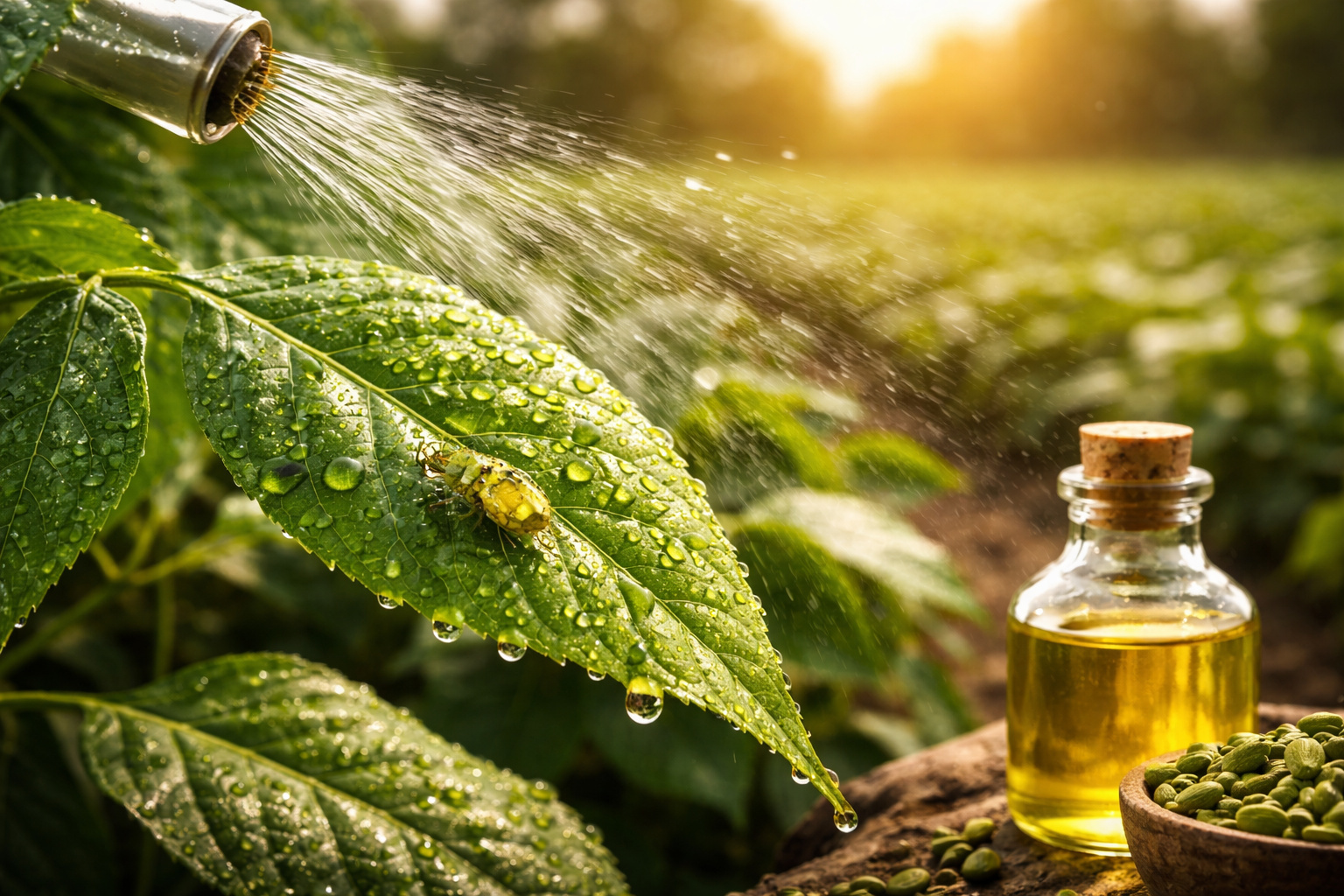
An Indian tree that grows in the Brazilian Northeast produces an oil capable of acting against more than 200 species of pests and interrupting the insect cycle, gaining ground as a natural alternative in soybean, cotton, and vegetable crops.
-
The rise in oil prices in the Middle East is already affecting Brazilian sugar: mills in the Central-South are seeing their margins shrink just as ethanol gains strength.


The opening of the event highlighted the importance of coordinated work, with interim general head Jô de Farias Lima emphasizing that direct collaboration with the productive sector facilitates the transfer of validated solutions from laboratories to the daily lives of rural communities and the metropolitan area of the capital.
Professional Training and Qualification of Producers With Sustainable Management
One of the formalized agreements envisages two years of activities focused on improving the Amazonian shrimp chain, including diagnostics of local initiatives, installation of Technological Reference Units, and training actions in good practices.
This set of initiatives aims to guide small and medium entrepreneurs towards management models that combine sustainability, economic performance, and environmental regulation.
The superintendent of Senar/AP, Francisco Rocha, reported that technical visits to larva producers in the municipality of Mazagão showed potential for expanding small producers’ access to technologies developed by Embrapa, strengthening the productive base of the state.
With the presence of extension agents, fish farmers, and fishing communities, the seminar covered topics such as nutrition, health, reproduction, and management, with contributions from professionals from Embrapa, Sebrae Amapá, the State Secretary of the Environment, and the State University of Amapá.
Network of Productive Innovation and Technological Observatory
The initiatives from Embrapa also reached Sepaq, which signed an agreement aimed at structuring a network of competencies focused on innovation and business development in the sector.
The plan establishes goals for four years, including training programs in fish, shrimp, and turtles, as well as the creation of biofactories, technological units, and an observatory for monitoring new handling methodologies.
The Deputy Secretary of Sepaq, Vinícius Melo, highlighted that the state has about 17,000 active fishermen and an annual per capita fish consumption of around 25 kg, reinforcing the importance of scientific solutions applied to the local reality.
In this context, aquaculture in Amapá emerges as a strategic axis to increase income and ensure the supply of responsibly cultivated products, aligned with regional socioeconomic demands.
Integrated Management and Innovation in Animal Health
On the second day of activities, the seminar focused discussions on nutrition, alternative feeding, and good practices, with participation from researchers from Embrapa and faculty from Ueap.
Topics such as turtle farming, feeding based on Amazonian fruits, and feeding management were detailed with a focus on practical application on properties.
The discussions progressed to sanitary aspects, with Professor Thales Passos de Andrade from the State University of Maranhão presenting recurring challenges in crustacean farming and guidance to enhance efficiency in diagnosing diseases.
In the same vein, researchers from Unifap and Embrapa addressed the use of antimicrobials, anti-monogenetic strategies, and the application of essential oils in parasite control, reinforcing the need for integrated approaches.
These debates consolidate guidelines that strengthen aquaculture in Amapá and expand technical references for producers, technicians, and institutions involved.






Seja o primeiro a reagir!