Portuguese
  Spanish


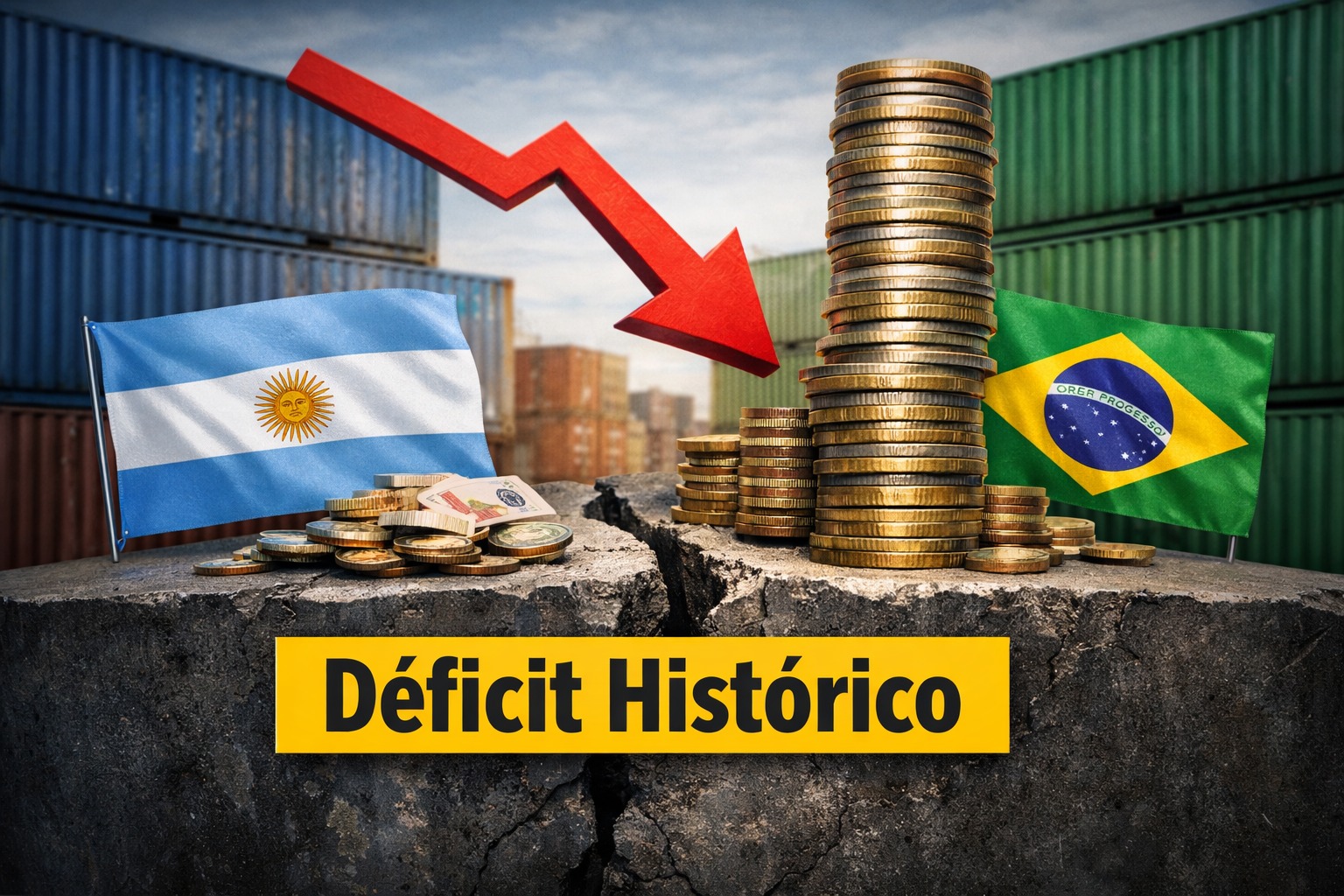


The Closure of 2025 Confirms the Largest Trade Deficit for Argentina with Brazil in Eight Years, Totaling US$ 5.2 Billion, Resulting from a 31% Rise in Brazilian Imports, a 5% Drop in Argentinian Exports, and Strong Weight of the Automotive Sector in the Bilateral Imbalance
Trade between Argentina and Brazil Closed 2025 with a Deficit of 5.2 Billion Dollars for Buenos Aires, the Largest in Eight Years, According to INDEC, Reflecting an Increase in Imports and a Decrease in Exports.
Record Deficit and Change in Trade Flow
The Negative Result Stemmed from the Growth of Argentine Purchases of Brazilian Products and the Decline in Sales to the Brazilian Market. The Movement Exposed an Imbalance Between the Two Largest Economies in the Southern Cone, with a Direct Impact on the Commercial Balance in Buenos Aires Throughout the Year.
The Opening of Imports, After Years of Restrictions, Contributed to the Initial Improvement of the Argentine Economy and Increased Imports of Goods Made in Brazil by Approximately 31%. This Advance Expanded the Volume Purchased in Different Segments, Putting Pressure on the Bilateral Balance.
-
Family Quietly Transforms Old Sawmill into $700 Million Business, Opens 25 Stores in Two Years Across 22 Brazilian States

-
Couple Sold Their Home to Save Business, Now Run Platform Handling $180 Million Monthly and Managing Over 51 Million Listings
-
Brazil’s 2026 Tax Refund: Record 9.58 Million Filers in Largest Payout Ever, But a Key Detail on Priority Recipients Draws Nationwide Attention

-
Itaú Alters Hybrid Work Model, Increasing Office Days from 2028, Prompting Employees to Adjust to New Routine



Slide in Exports and Effect on Balance
On the Other Hand, Argentine Exports to Brazil Decreased by Approximately 5% in Volume and Value. The Combination of More Imports and Fewer Sales Aggravated the Deficit, Widening the Gap Between What Each Country Buys and Sells in This Trade Relationship.
Official Data Indicates That the Shrinkage of Exports Contributed Significantly to the Final Result, Deteriorating the Balance Throughout 2025 and Reinforcing the Negative Trend Observed at the Close of the Year.
Weight of the Automotive Sector
The Automotive Sector Was One of the Main Vectors of the Imbalance. It Concentrates Argentine Purchases of Brazilian Goods and Recorded a Strong Increase in Imports, While Local Production Faced Difficulties in Competing and Reducing Shipments to Brazil.
The Pressure Came from Domestic Demand for Durables and Capital Goods That the Local Industry Could Not Supply Alone, Stimulating the Entry of Vehicles, Parts, and Brazilian Machinery into the Argentine Market.
Policies, Bilateral Relationship, and Prospects
Despite the Distant Political Relationship Between Lula and Javier Milei, Brazil Remained Argentina’s Main Trading Partner and a Relevant Destination for Its Shipments, Even with Recent Discrepancies.
Exchange and Trade Changes, Such as a More Favorable Real to the Peso and Greater Clarity in Cost Calculations, Along with Access to Foreign Currency with Fewer Barriers, Influenced the Flow. For 2026, Preliminary Projections Indicate a Still High Deficit, with Possible Moderation if There Is Adjustment of Expectations and Supply.