





 Portuguese
  English
  Spanish
  6 min of reading
  0 comments



Live Coverage of Argentinian TV Shows Surprise with Skyscrapers, Luxury Cars, Stringent Security and High Urban Standards in Balneário Camboriú, Identified as a Symbol of Brazilian Economic Power
A stroll along the waterfront of Balneário Camboriú, in Santa Catarina, became a topic of television in Argentina after extensive live coverage by the channel C5N, which presented the city as a destination capable of surprising even seasoned tourists.
The broadcast, marked by spontaneous comments and interviews with Argentine visitors and residents, revealed the visual impact, urban standards, and cost of living perceived by those arriving for the first time at the seaside resort.
The First Impression: “The Dubai of South America”
Right at the beginning of the coverage, Argentinian journalists admit skepticism when hearing the frequent comparison between Balneário Camboriú and Dubai.
-
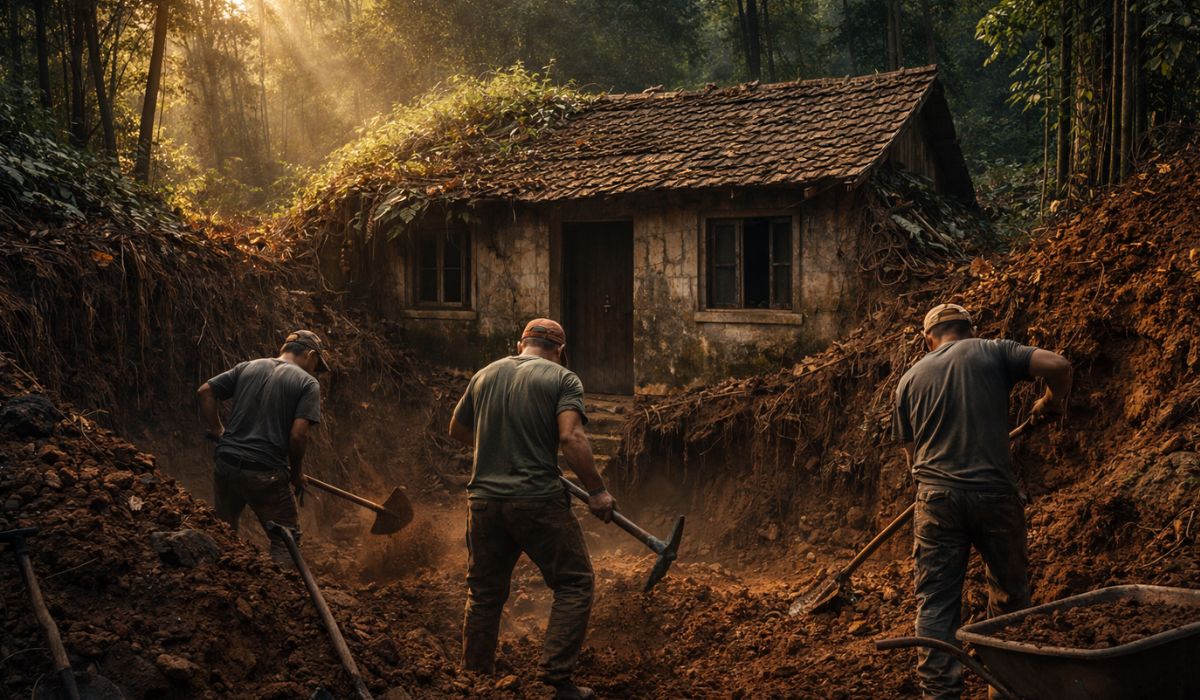
A promise made to their father led three men to unearth a forgotten house that had been swallowed by time for over 70 years, in a story of memory, abandonment, and reconstruction that seems straight out of a movie.
-
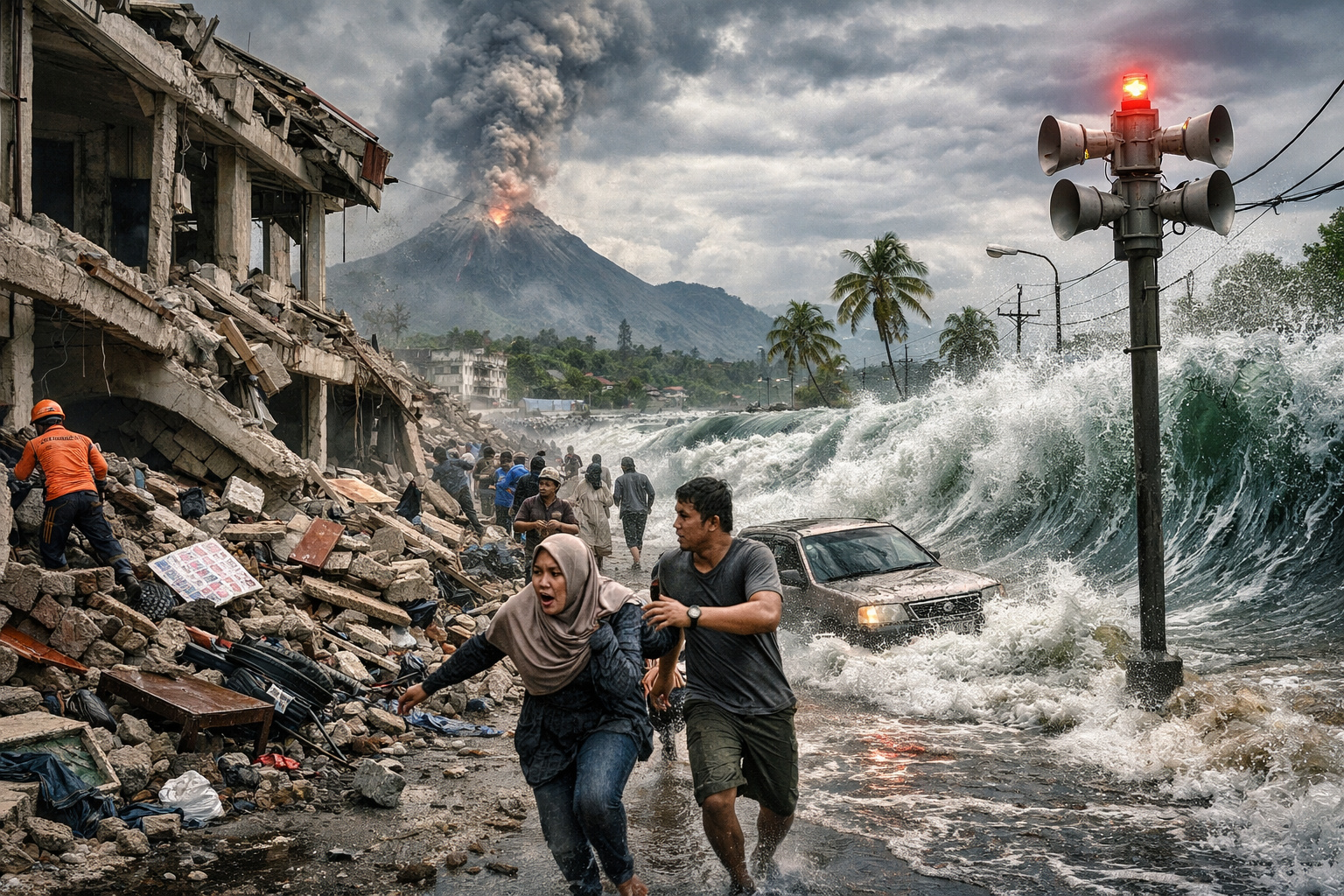
A strong earthquake in Indonesia affects houses and schools, causes panic, triggers a tsunami alert, and records a rise in sea level of up to 30 centimeters in some areas.
-
The Argentine government celebrates the lowest poverty rate in 7 years, but experts warn that the methodology has changed, real wages have fallen, unemployment has risen, and the number of people on the streets of Buenos Aires has increased by 57% since Milei took office.

-
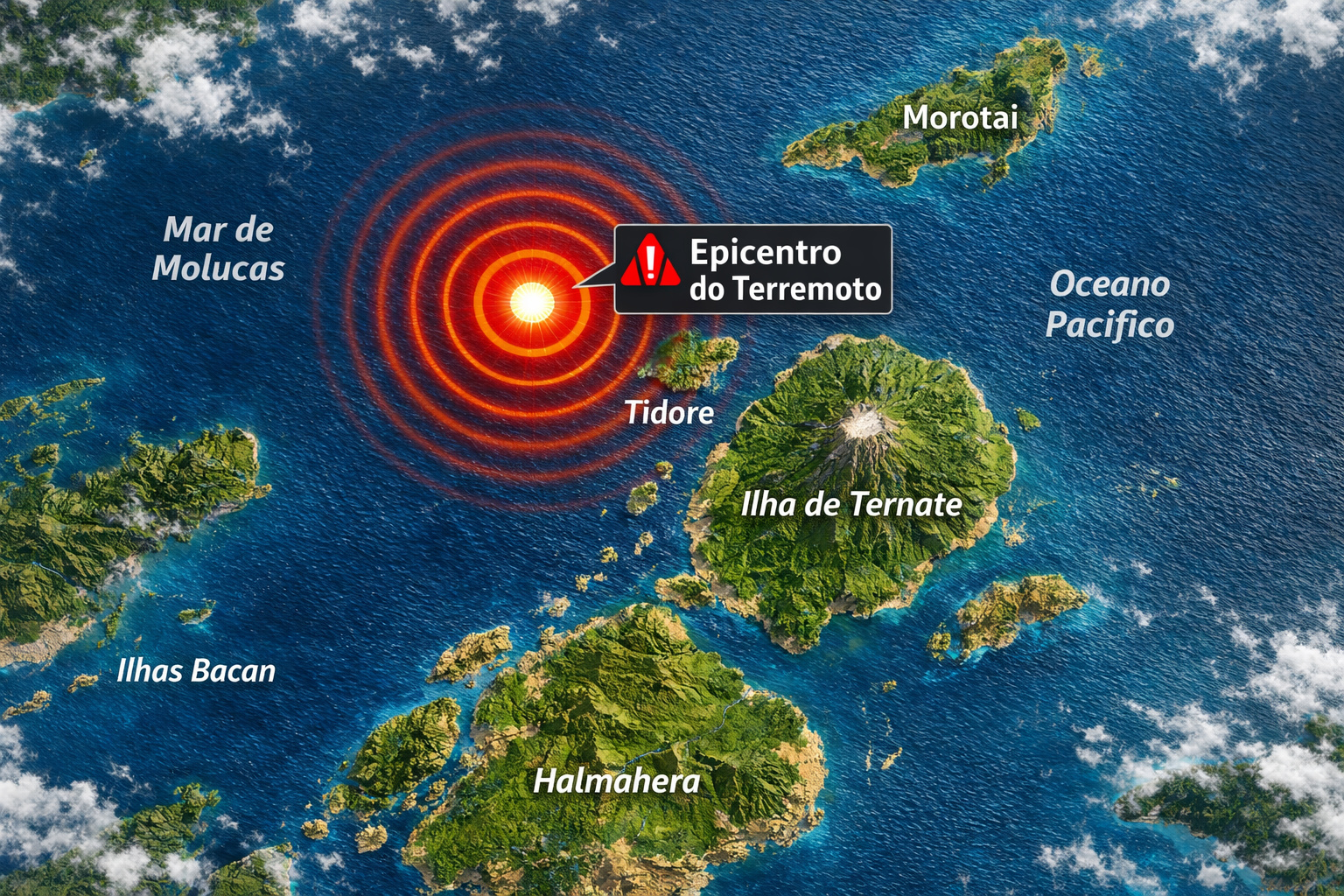
7.8 magnitude earthquake in Indonesia frightens the population, triggers tsunami alert, and hits an island with over 200,000 inhabitants this Thursday.

The reaction changes live, in front of images of tall buildings lined along the waterfront, cruise ships docked just meters from the sand, and a densely urbanized beachfront.
The expression “te caés de espalda” summarizes the visual shock caused by the architectural ensemble, described as unusual by South American standards.
The reporters emphasize that, unlike large Argentinian port cities, the cruise ship in Balneário Camboriú can be seen up close, almost integrated into the urban scenery. This proximity reinforces the sensation of an international city organized for high-end tourism.
Skyscrapers, Modernity and Sense of Wealth
Throughout the broadcast, verticality appears as a central element. The buildings, all facing the sea, draw attention for their height, modern design, and concentration in a relatively compact space.
According to the journalists, this is a level of modernity rarely found in South American cities, especially when compared to other traditional destinations in Brazil.
The urban landscape is directly associated with the idea of investment and capital. The constant presence of luxury cars – Ferraris, Lamborghinis, Porsches, and other high-value models – is repeatedly cited as an indicator of the city’s economic profile. For the C5N team, observing which vehicles circulate the streets is a way to “understand the city.”
Security, Rules and Visible Enforcement
Another point that sparks surprise is the level of enforcement. Police officers patrolling the sand on ATVs, cameras spread throughout the city, and strict rules of coexistence are mentioned as differentiators.
An example highlighted in the broadcast is the fine for taking dogs to the beach, which can reach around 950 reais, applied immediately in case of violation.
This control is interpreted as part of a more rigid and organized urban model, contrasting with the informality observed in other Brazilian seaside resorts.
For the journalists, it is “another league,” with its own standards of order and cleanliness.
Wide Beach, Structure and Collective Use of Space
The Central Beach, the main focus of the images, is described as wide, clean, and well-equipped. Trash bins distributed along the waterfront, organized sand, and constant foot traffic reinforce the perception of urban care.
The reporters compare the size of the beach to sections of the Argentine Atlantic coast, such as Necochea, highlighting the familiarity of the space for Argentine tourists.
There are observations about the collective use of the environment: runners, cyclists, electric scooter users, and rollerbladers share the same area, especially along the bike path that runs the entire length of the beach. This coexistence is pointed out as a sign of efficient urban planning.
Bike Path, Mobility and Outdoor Living
The continuous bike path impresses the C5N team. According to the journalists, it is an extensive structure, well-signaled and integrated into the waterfront, allowing safe and constant mobility.
The flow of bicycles, people running, and engaging in physical activities reinforces the image of a city oriented towards well-being and leisure.
The contrast with other Brazilian cities, including Florianópolis, is cited numerous times. While Floripa appears simpler and more popular, Balneário Camboriú is presented as sophisticated, more expensive, and with a distinct urban profile.
Prices, Consumption and Comparisons with Argentina
A significant part of the coverage is dedicated to prices. The team asks about prices for churros, drinks, chair and umbrella rentals, as well as meals in seaside restaurants. A simple churro, for example, costs around 10 reais, while drinks range from 15 to 30 reais, depending on the location.
In restaurants, seafood dishes designed for two people can reach prices above 200 reais. Still, the journalists mitigate the cost by reminding viewers that the portions are generous and that consumption occurs in establishments with a direct view of the sea.
The frequent comparison is with Mar del Plata, where similar prices can be found in well-located restaurants.
Gastronomy, Pizza and Craft Beer
The team also visits pizzerias and bars to understand the average cost of an informal meal. Large pizzas, with different toppings, range from 149 to 180 reais, depending on the category.
Craft beers and imported labels appear as common options, with prices considered accessible when converted to Argentine pesos.
This assessment leads the presenters to conclude that Balneário Camboriú is more expensive than Florianópolis, but not necessarily unaffordable.
The cost is associated with the level of urban investment and the profile of the audience that the city attracts.
Who Lives in Balneário Camboriú
One of the most revealing moments of the broadcast is the interview with a young Argentine woman who lives in the city and works in a local aquarium. She reports earning between 3,000 and 4,000 reais per month and states that by sharing rent and expenses, she manages to maintain a good quality of life with just one job.
According to her account, the rent for a simple apartment ranges from 1,000 to 1,700 reais. The interviewee highlights that she can afford housing, food, clothing, and still enjoy the city’s leisure, something that, according to her, has become more difficult in Argentina.
Her choice for Balneário Camboriú, she explains, came after a tourist visit that sparked her desire to stay.
Luxury, Aesthetics and Behavior
The C5N journalists also comment on people’s behavior on the streets. The presence of branded clothing, imported perfumes, and a fitness-oriented body aesthetic are described in a humorous tone.
According to them, even those who go out for a run seem “well-dressed,” reinforcing the image of a city where appearance and consumption are part of everyday life.
This aspect contributes to the perception of Balneário Camboriú as an aspirational space, associated with financial success, urban discipline, and a sophisticated lifestyle.
A Destination That Has Made a Leap in Level
Throughout the coverage, the team recalls that Balneário Camboriú, along with Florianópolis, has always been one of the favorite destinations for Argentinians. The difference, according to the comments, is that the city has undergone an intense process of modernization and investment, elevating its standards and prices.
The implicit conclusion of the broadcast is that Balneário Camboriú has ceased to be just a popular seaside resort to establish itself as a high-end urban center on the Brazilian coast.
For the Argentine audience, the city appears as a symbol of contrast: luxury amidst regional crisis, organization in a continent accustomed to informality, and an urban model that awakens admiration — and curiosity.









Seja o primeiro a reagir!