





 Portuguese
  English
  Spanish
  5 min of reading
  0 comments


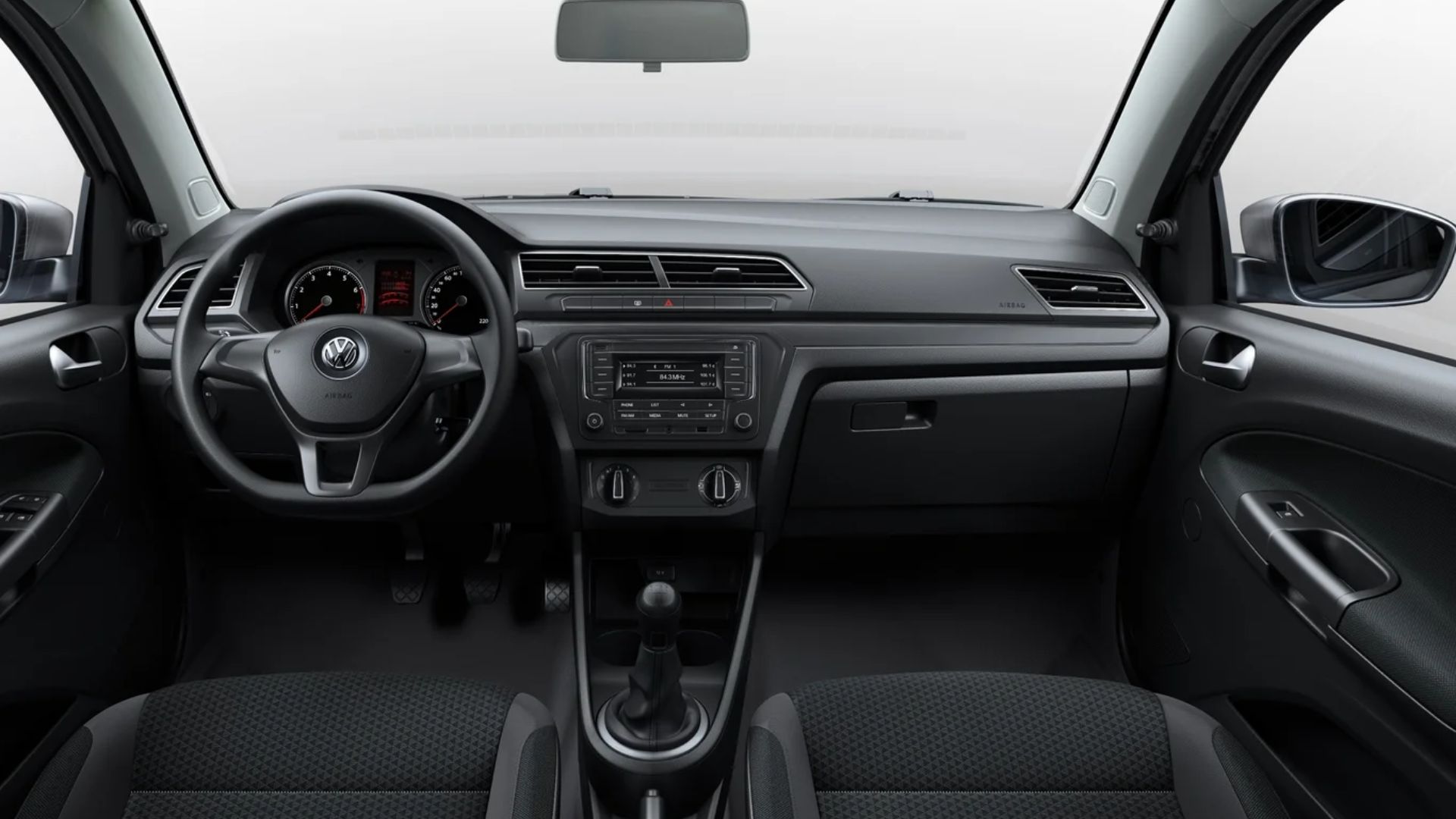
Volkswagen Hatchback Combines Economical Engine, Affordable Maintenance Costs, and Good Demand in the Used Market, Maintaining Relevance Even After Discontinuation. Check Out the Main Details and Prices of the Gol MPI 1.0.
The Volkswagen Gol MPI 1.0 remains among the most sought-after used hatchbacks in the country due to its combination of affordable price, EA211 three-cylinder engine, and competitive fuel consumption averages, reaching 14.5 km/l on the highway with gasoline.
On buy and sell platforms, there are listings starting from R$ 36,990, a price that varies depending on the version, mileage, and condition.
EA211 1.0 Engine: Performance and Handling
The update made in the 2017 line marked the adoption of the EA211 1.0 aspirated 12V, the same used in the Up, replacing the old four-cylinder.
-
Less than a Tera TSI, up to 710 km of range and charging in 9 minutes: the new BYD Song Ultra expands the Chinese brand’s bet on increasingly faster, more technological, and competitively priced electric SUVs.

-
With a 1.0 engine producing 75 hp and costing less than R$ 70,000, Fiat’s car returns to the podium as the cheapest in the country; a temporary promotion for the 2026 Like version reduces the price of the Fiat Mobi.
-
With a mild hybrid system of 48 V, 176 hp and a price of R$ 175,990 in the Sahara version, the new Jeep Renegade changes mostly on the inside, improves slightly in fuel consumption, and remains almost the same car.
-
With a 293.5 cm³ engine and a range of up to 400 km with a 14.1-liter tank, the Honda CB 300F Twister 2026 has up to 24.7 hp, an initial price of R$ 25,150, and already exceeds R$ 29,000 in the Fipe Table.

The flex three-cylinder delivers 82 hp at 6,250 rpm with ethanol (75 hp with gasoline) and 10.4 kgfm of torque at 3,000 rpm, working with a five-speed manual transmission.
The adjustment favors short and precise shifts, contributing to a good response in urban use without penalizing fuel economy.
Gol 1.0 Consumption: City and Highway Numbers
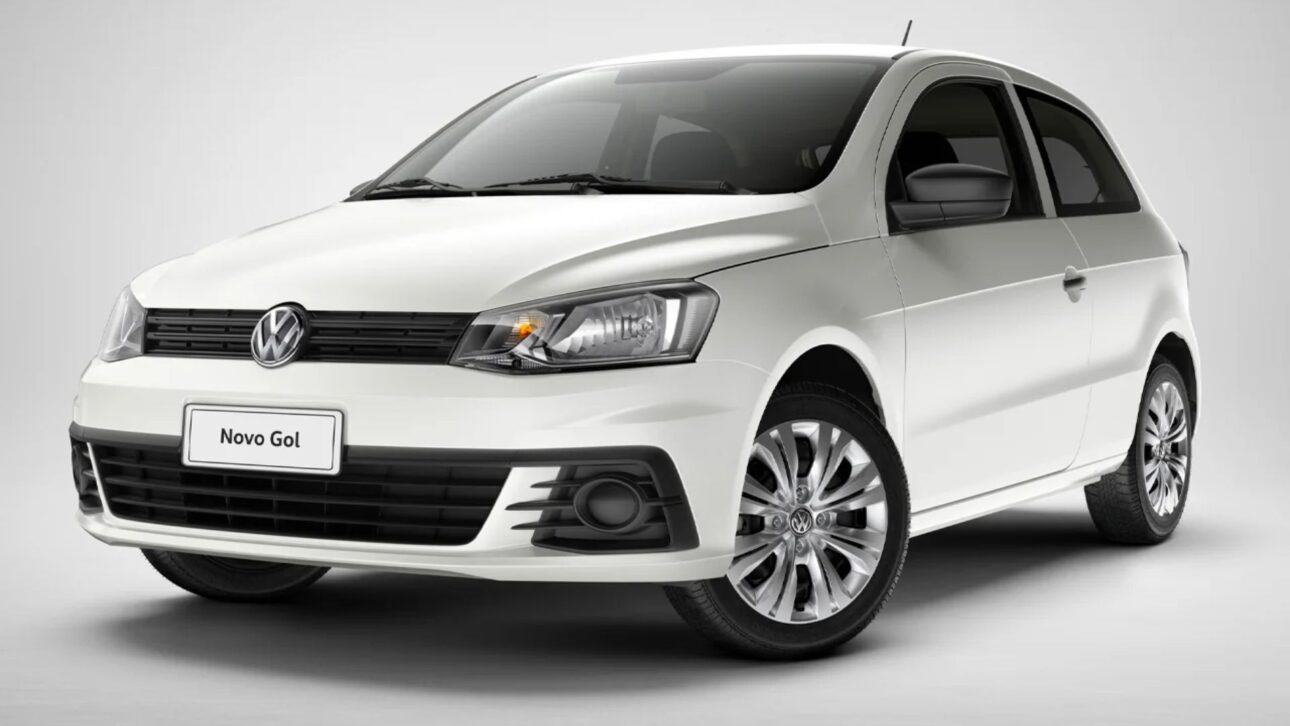
In tests and data released for the 2017 line, the Gol achieves 12.9 km/l in the city and 14.5 km/l on the highway with gasoline.
With ethanol, the averages are 8.8 km/l (urban) and 10.3 km/l (highway).
These results placed the hatch among the most efficient compacts in the segment at the time, reinforcing the proposal for daily use with controlled fuel costs.
Trendline 1.0 Equipment
The Trendline configuration is the most common with the 1.0 engine.
Among the standard items, the car comes with air conditioning, power steering, electric front windows, height-adjustable driver’s seat, central locking, and internal trunk release.
In terms of safety, it meets the mandatory package with front airbags and ABS brakes.
These elements ensure a comfort and safety standard consistent with the segment, without high additional costs.
How Much Does a 2017 Gol Cost Today
In the used market, it is possible to find 2017 specimens listed “around R$ 36.9 thousand“, especially in units with higher mileage.
In general, the reference table (Fipe) indicates values in the range of R$ 41 thousand to R$ 45 thousand for the 1.0 versions of the same year, serving as a benchmark for negotiation.
The difference between the asking price in the ad and the reference value usually reflects the vehicle’s history, number of owners, documented maintenance, and any repairs.
While some ads with lower prices catch attention, it is worth observing details that influence the purchase, such as tires, interior condition, and bodywork, in addition to checking for administrative pending issues.
When the history is in order, the Gol tends to preserve liquidity, as it brings together stable demand and a wide availability of parts.
Maintenance and Availability of Parts
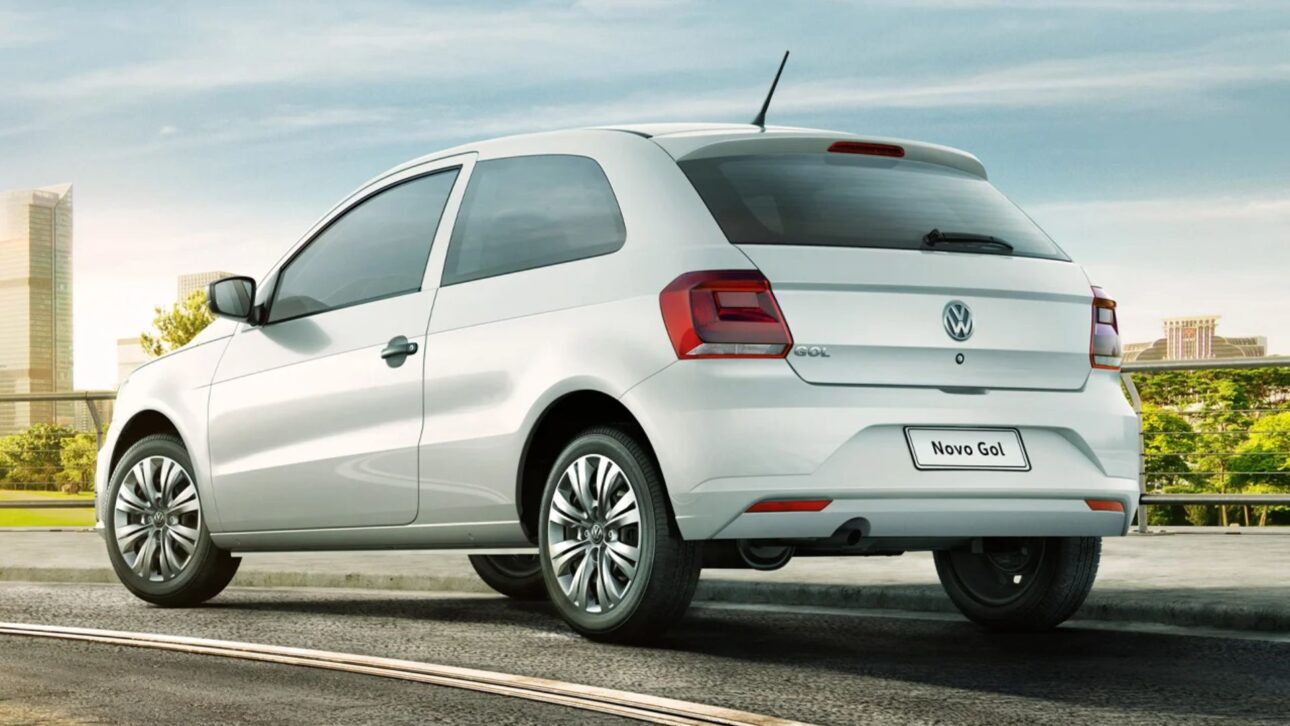
Another factor that sustains the good demand for the Gol MPI is its relatively low maintenance cost and the availability of components in the independent network.
Service routines follow values aligned with the average of compact hatchbacks, and wear parts — pads, filters, belts, and shock absorbers — are easily found.
This structure reduces the time of immobilization in workshops and favors those who use the car daily.
How the End of Production Impacted the Used
The discontinuation of the Gol occurred on December 23, 2022, ending a cycle of over four decades of production in the country.
The exit of the zero-km did not reduce interest in the used model; on the contrary, it kept the hatch as a rational alternative for those seeking economy and practicality in a familiar project.
In market terms, the retirement of the model consolidated the maintenance of stable prices among used vehicles, especially in versions with the EA211 engine starting from 2017.
What to Observe Before Closing the Deal
In addition to the basic checks of documentation and accidents, it is advisable to test the functioning of the manual transmission and the idling regularity of the three-cylinder engine, which should be quiet and with minimal vibrations.
Checking warning lights on the dashboard, noises in the suspension, and the functioning of the air conditioning helps to avoid immediate expenses.
In electronics, check locks and windows, as well as the trunk lid release from inside.
Although the Gol is recognized for its robustness, a record of preventive maintenance increases the predictability of future costs.
Items such as belts, spark plugs, wires, and fluids with timely replacements indicate care from the previous owner.
In the after-sales, the presence of specialized suppliers and many workshops familiar with the mechanical set facilitates potential interventions and can reduce budgets.
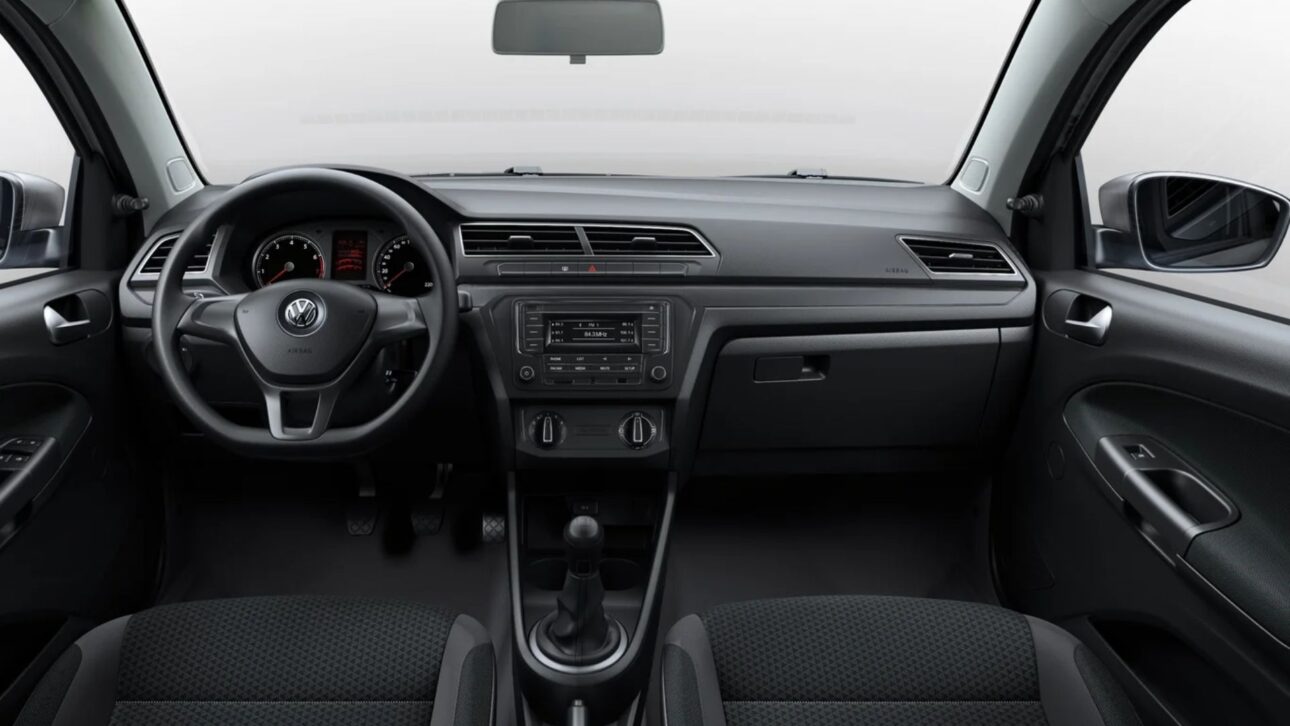
Why the Gol MPI 1.0 Remains in Evidence
Even without the appeal of more modern connectivity features found in newer hatchbacks, the Gol MPI 1.0 brings together objective attributes: controlled consumption, adequate performance for urban use, abundant parts supply, and liquidity in the market.
The Trendline version package meets the essential needs of comfort and safety, and the EA211 mechanics have kept the car competitive in delivering power and efficiency for the category.
These characteristics explain why the model remains among the top options for those needing an easy-to-maintain and economical used vehicle for daily use.
With this profile in mind, the choice tends to be rational: it is worth prioritizing a unit with a reliable history, a price consistent with the Fipe, and timely maintenance, even if the entry price is slightly higher.
In practice, the fuel economy combined with predictable maintenance offsets the difference over time, especially for those who drive a lot in the city.
Given this scenario, will your decision weigh more on consumption, purchase price, or maintenance costs over time?







-

-

-

-

-

21 pessoas reagiram a isso.