





 Portuguese
  English
  Spanish
  5 min of reading
  0 comments


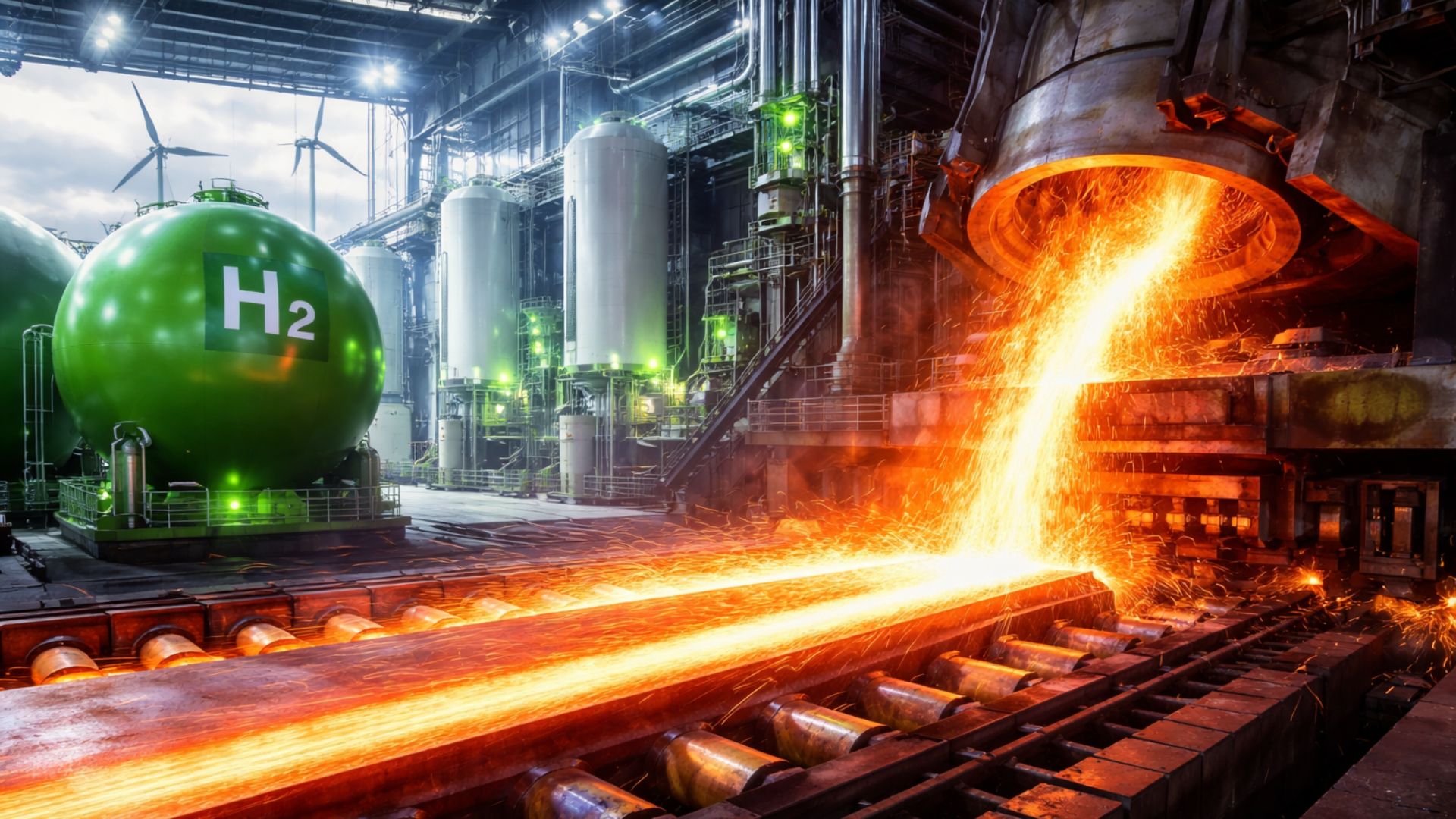
Axia Energia’s Initiative with GIZ in Brazil Invests in Low-Carbon Steel, Green Hydrogen, and Renewable Energy to Reduce Emissions, Transform the Steel Industry, and Strengthen the Sustainable Energy Transition.
Axia Energia has formed a strategic partnership with GIZ to install the first national plant dedicated to producing low-carbon steel using green hydrogen, based on renewable energy. According to a report published by Agência Eixos and other outlets on Thursday (5), the initiative positions the country prominently in the global debate on energy transition, industrial sustainability, and long-term competitiveness.
Axia Energia and GIZ Lead Strategic Partnership for Low-Carbon Steel
From the outset, the project was structured to go beyond laboratory tests. The goal is to develop a sustainable production model at a commercial scale, capable of significantly reducing the use of fossil fuels in the steel sector, one of the highest emitters of greenhouse gases in the world.
The cooperation between Axia Energia and GIZ occurs within the framework of the develoPPP program, created by the German government to support companies investing sustainably in emerging countries. The funding is provided by the Federal Ministry for Economic Cooperation and Development of Germany (BMZ), internationally recognized for promoting projects aligned with the global climate agenda.
-
The world could operate on clean electricity by 2050, but a study indicates that this would require up to 20 TW of renewable energy, more than 9 million hectares for solar, and strong cooperation between countries.

-
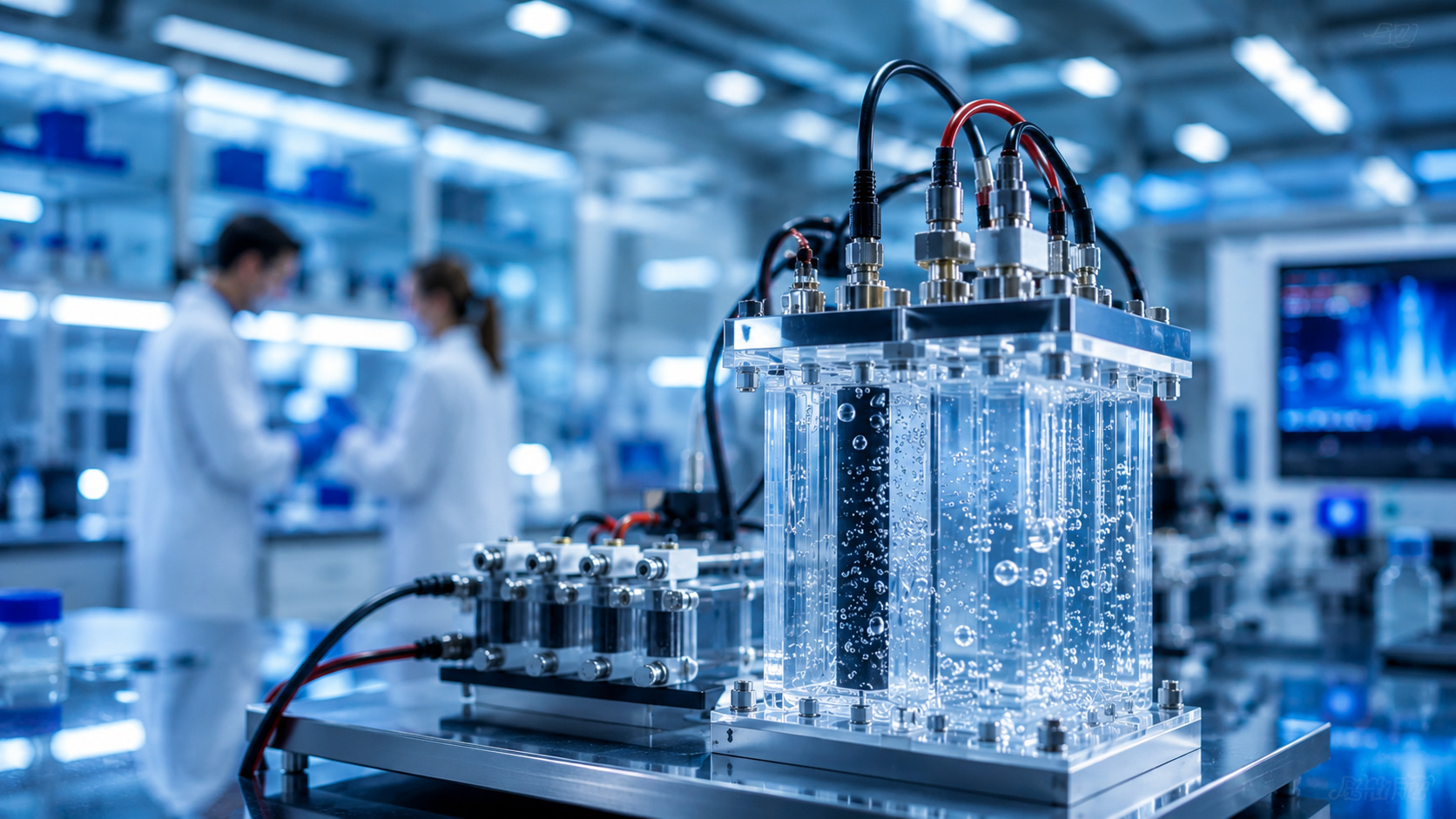
New catalyst developed by scientists in the USA enhances the performance of water electrolysis without using platinum, reducing operational costs and expanding the potential of green hydrogen as a strategic alternative for industries, heavy transportation, and clean energy generation.
-
China implements basalt fibers tested on the Moon to contain the desert’s advance in 1 million hectares, and the program surprises scientists worldwide.
-
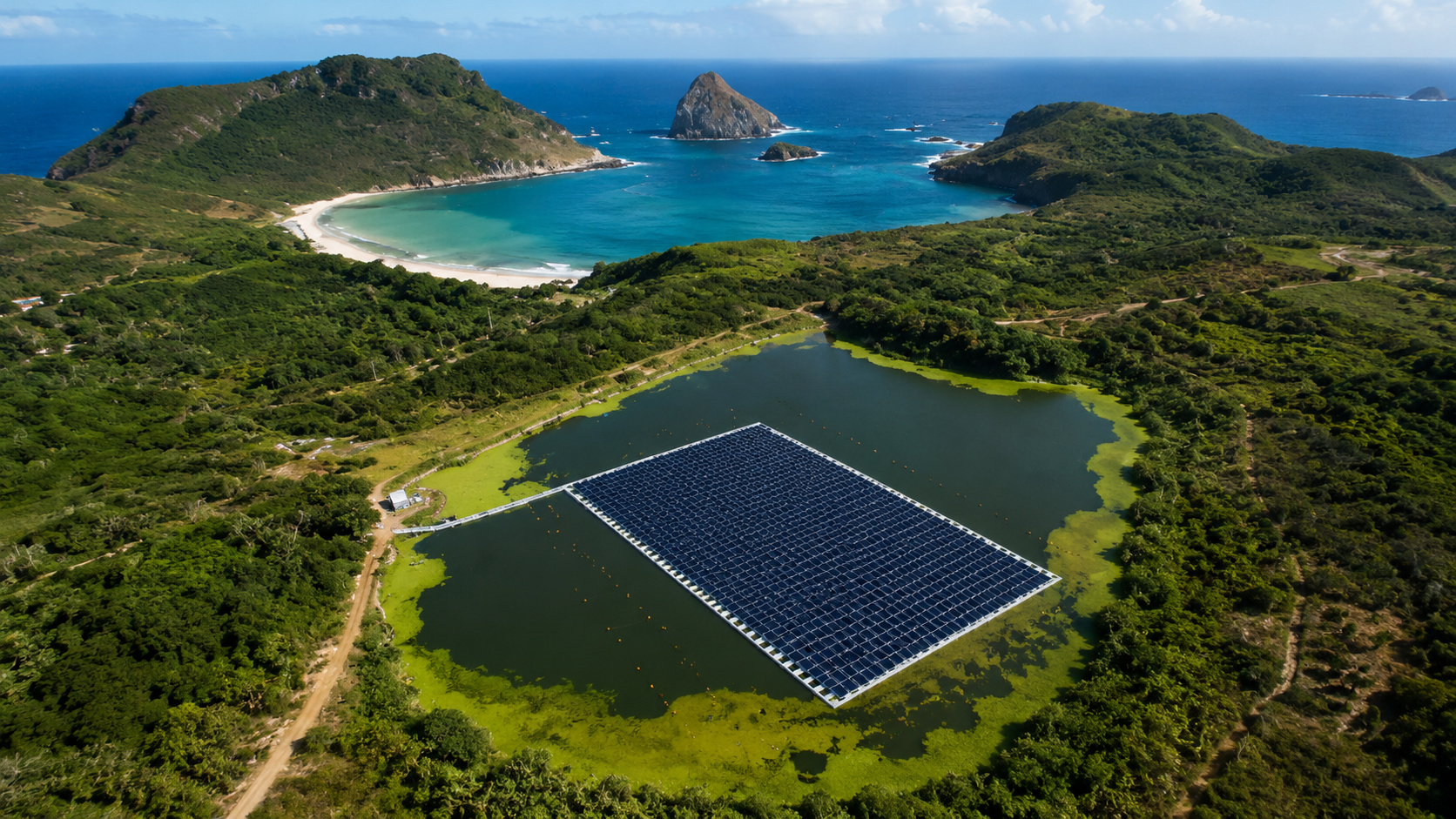
Fernando de Noronha begins unprecedented energy transformation with a R$ 350 million solar plant that promises to replace diesel generation and change the island’s sustainable future by 2027.


The agreement provides for the construction of the first Brazilian plant dedicated to producing low-carbon steel from green hydrogen, as well as structural actions for the sector. Among them are strengthening industrial infrastructure, professional qualification of the production chain, and discussions of methodologies for certifying low-emission steel.
This is a milestone for the national industry, as it connects technological innovation, international cooperation, and sustainable industrial policy in a single project.
The Importance of Low-Carbon Steel for the Global Energy Transition
Low-carbon steel has become a priority in the climate strategies of various countries. This is because traditional steelmaking heavily depends on coal and natural gas, particularly in the process of reducing iron ore, resulting in high carbon dioxide emissions.
According to data from the International Renewable Energy Agency (IRENA), the steel industry accounts for about 7% of global CO₂ emissions. This figure highlights why the transformation of the sector is considered essential for meeting the goals of the Paris Agreement.
In this context, initiatives like that of Axia Energia in partnership with GIZ gain strategic relevance. Reducing emissions in heavy industry has a direct effect on the global climate balance, and can serve as a reference for similar initiatives.
Green Hydrogen as a Technological Solution for the Steel Industry
Green hydrogen is produced from water electrolysis, a process that uses electricity to separate the H₂O molecule into oxygen and hydrogen. When this electricity comes from renewable energy, the result is a fuel with zero direct carbon emissions.
In the project led by Axia Energia and GIZ, the installation of a green hydrogen plant with a capacity of up to 10 MW is planned. This hydrogen will be integrated into the steelmaking process, completely or partially replacing fossil sources, such as coal or natural gas. The innovation lies in the industrial application at a commercial scale, not just in the technology itself.

Renewable Energy as Brazil’s Competitive Base
The economic viability of green hydrogen directly depends on the cost and availability of renewable energy. In this regard, Brazil has a significant comparative advantage. The Brazilian electricity matrix is predominantly renewable, with a strong participation of hydropower, in addition to the consistent growth of solar and wind energy.
This context allows projects like that of Axia Energia and GIZ to advance with lower carbon intensity and greater energy predictability. Renewable energy is no longer just an environmentally friendly input; it becomes a factor of industrial competitiveness.
Moreover, the integration between clean generation and basic industry creates opportunities for regional development, attracting investments and generating qualified jobs.
Axia Energia, GIZ, and Strengthening the Sustainable Production Chain
The partnership is not limited to the installation of the industrial plant. One of the pillars of the project is the strengthening of the production chain, including technical training, supplier development, and creation of regulatory references.
The discussion about low-emission steel certification is particularly relevant. In international markets, environmental traceability and proof of emissions reduction are increasingly demanded, especially in the European Union.
In this regard, the joint action of Axia Energia and GIZ helps prepare the Brazilian industry for a scenario of greater environmental rigor, reducing commercial risks and expanding access to premium markets.
Economic and Environmental Impacts of Low-Carbon Steel in Brazil
The production of low-carbon steel from green hydrogen generates impacts that go beyond emissions reduction. From an economic perspective, the project can:
- Increase the competitiveness of Brazilian steel;
- Stimulate national technological innovation;
- Attract investments aligned with the ESG agenda;
- Contribute to mitigating regulatory risks associated with carbon emissions.
From an environmental perspective, the replacement of fossil fuels represents a concrete advance in industrial decarbonization, contributing to the climate commitments made by Brazil in international forums.
A New Horizon for the Steel and Renewable Energy Industries
Axia Energia’s initiative in partnership with GIZ signals a structural change in how heavy industry can develop in Brazil. By integrating renewable energy, green hydrogen, and low-carbon steel, the project can establish a new standard for industrial production.
More than a technological innovation, it is a long-term strategy. Brazil demonstrates that it can align economic growth, sustainability, and international prominence, especially in an increasingly accelerated context of global energy transition.
For companies, investors, and policymakers, the message is clear: the future of steelmaking lies in decarbonization, and initiatives like this show that the country has real conditions to lead this movement with relevance to global impact.




Be the first to react!