





 Portuguese
  English
  Spanish
  3 min of reading
  8 comments


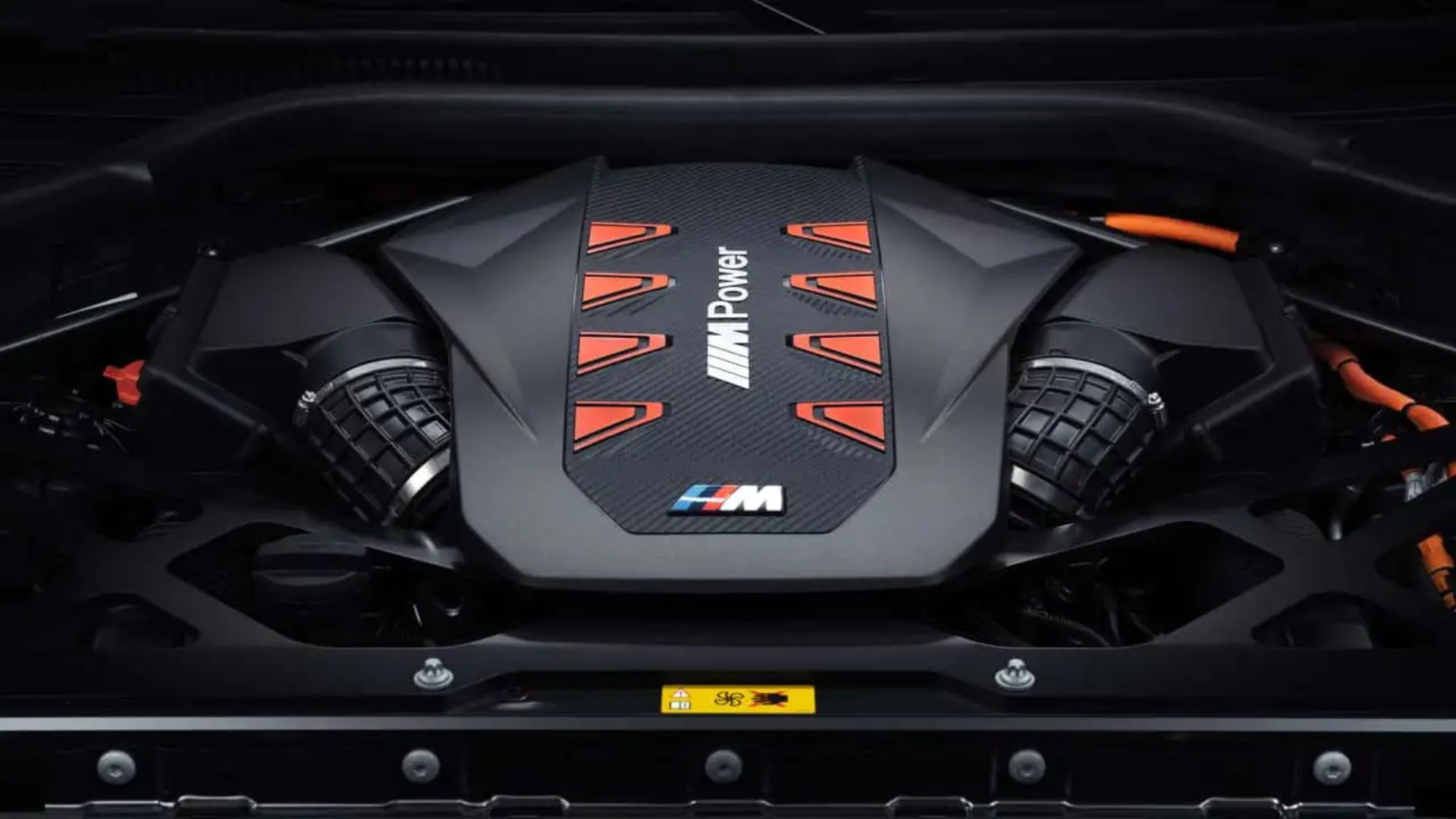


Not Promising The End Of Gasoline Engines, Manufacturer Bets On Alternative Fuels Like HVO100 And Prepares New Hybrid Drives To Comply With European Regulations
While competitors backtrack on their electric goals, BMW maintains its dual strategy and reinforces the importance of combustion engines, which are still in development at its factory in Austria and are considered vital to financially support the transition to electric cars.
BMW reaffirmed its commitment to combustion engines as an essential part of its long-term strategy. In an interview with the German newspaper Automobilwoche, Klaus von Moltke, manager of the Steyr plant in Austria, stated that these engines not only remain in production but continue to be the financial pillar of the company.
The Steyr plant manufactured 1.2 million engines in the last year and is adapting its models from three to eight cylinders to meet the new Euro 7 standards. Furthermore, the manufacturer is investing in testing alternative fuels like HVO100, a hydrogenated vegetable oil that can reduce CO₂ emissions by up to 90% compared to conventional diesel.
-
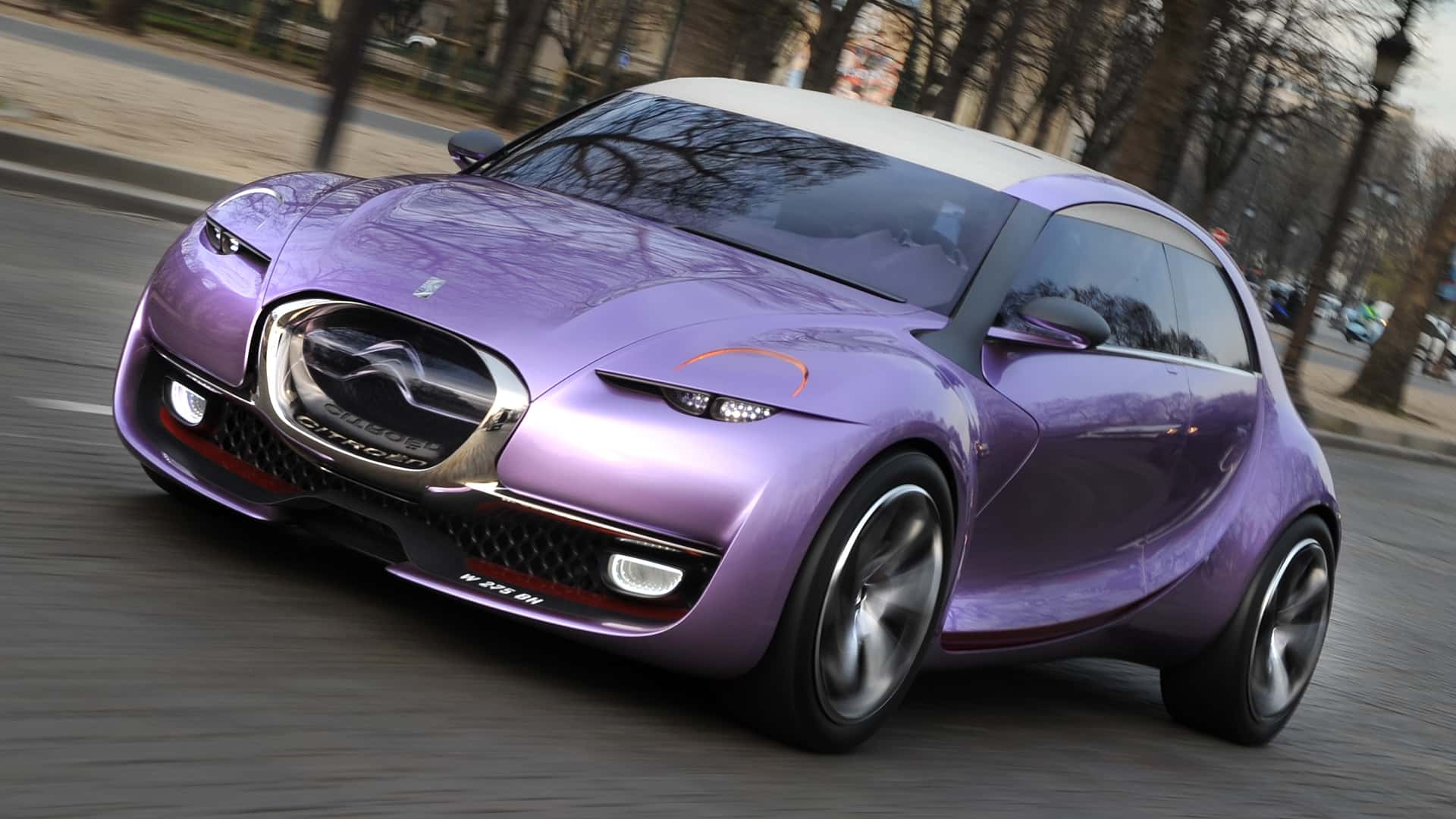
After decades out of the spotlight, Citroën is preparing to bring back the legendary 2CV as a low-cost electric vehicle, betting on the revival of one of the most popular cars in history and aiming to enter the race for affordable compact cars.
-
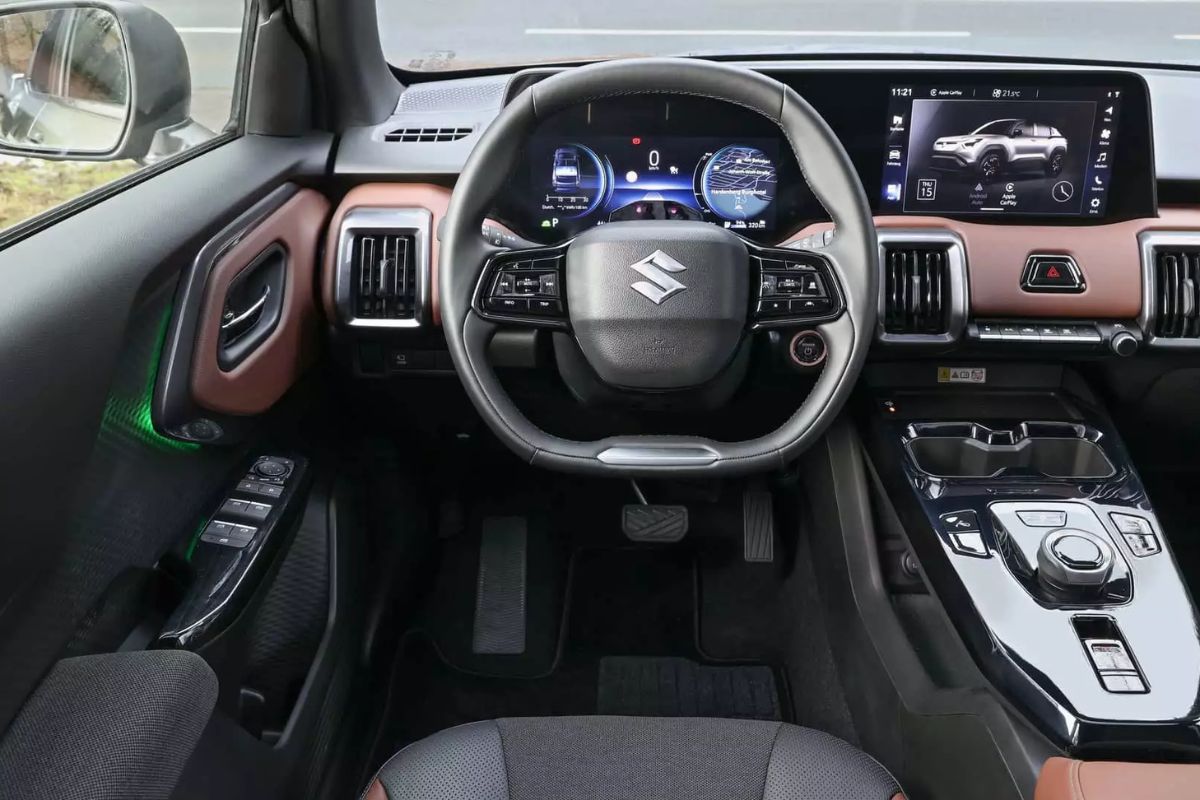
The 2026 electric Vitara arrives in Brazil and proves that Suzuki is not leaving: 4×4 traction, 184 hp, 61 kWh LFP battery, 293 km range, R$ 259,000, and a trunk capacity of 224 L.
-
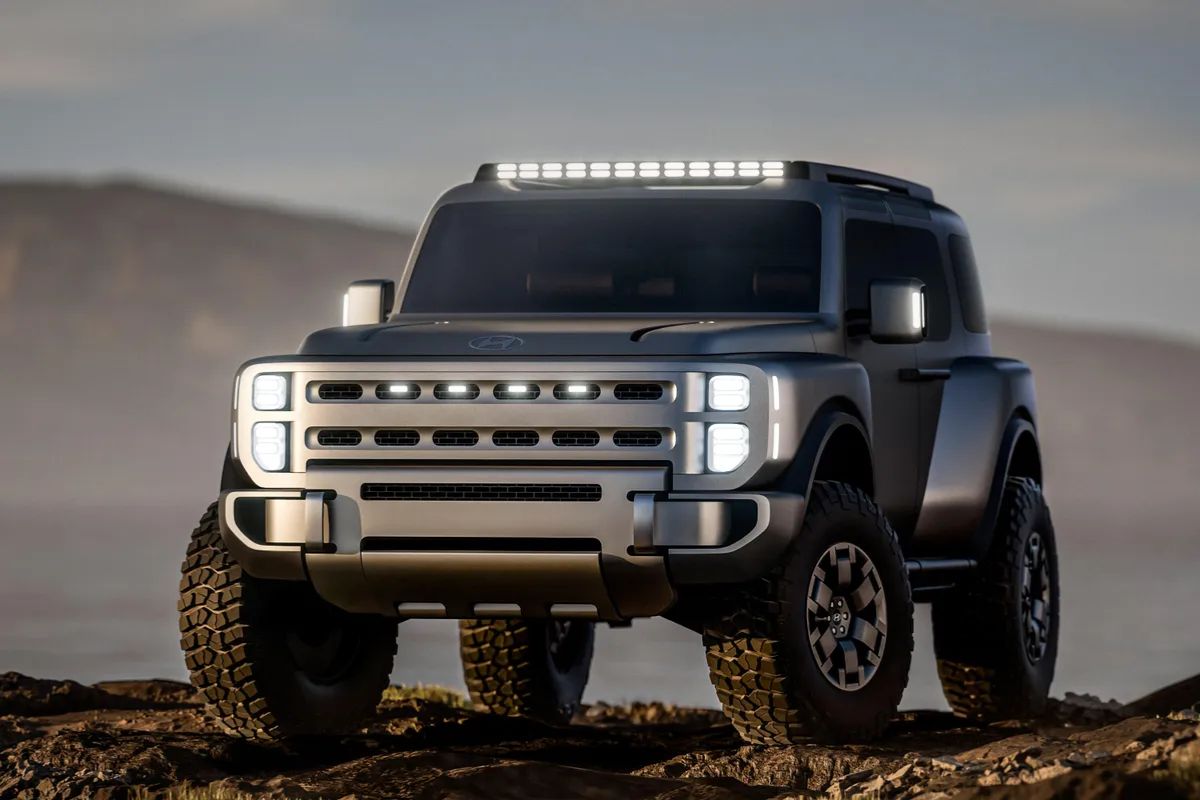
Hyundai has unveiled the Boulder, a square SUV with a body-on-frame design, 37-inch mud tires, and carriage-style doors that seems to be made to take on the Ford Bronco and the Scout Traveller in the United States.
-
The Toyota Hilux is R$ 75.5 thousand cheaper and bets on the 2.8 turbodiesel engine with up to 204 hp and 50.9 kgfm to catch up with the VW Saveiro, which leads with 4,472 sales.

According to von Moltke, this fuel is already being used in diesel vehicles produced in Germany before being sent to dealerships. In addition to its environmental efficiency, HVO100 offers technical advantages, such as better cold starting performance and lower risk of microbial contamination.
Combustion And Electric Engines Coexist Side By Side
While maintaining its bet on traditional drives, BMW is also advancing in the development of electric vehicles. The Steyr plant has started experimental production of sixth-generation electric motors, which will equip models from the new Neue Klasse line, including the new iX3, which is set to debut in September.

Series production of the iX3 will begin at the end of 2025 at the new plant in Debrecen, Hungary. The manufacturer estimates that by the end of the decade, half of its global sales will consist of electric vehicles. In 2024, these models represented 17.4% of the group’s sales, including the Mini and Rolls-Royce brands.
Despite the growth, the goal of reaching 50% market share by 2030 requires significant progress. In the first quarter of 2025, electric vehicles accounted for 19% of deliveries, signaling optimism on the part of the German manufacturer regarding the pace of consumer adoption.
Freedom Of Choice And Adaptation To Standards
Asked about the possible ban on the sale of new combustion vehicles in the European Union starting in 2035, von Moltke was cautious. According to him, BMW’s role is not to predict political decisions but to prepare for all possible scenarios and maintain delivery capacity in any situation.
The company also confirmed the development of new combustion sports models. A new M3 with a six-cylinder inline engine is in production, likely with some level of electrification. The M5 will maintain the V8 engine, now integrated with a plug-in hybrid system to meet stricter emission standards.
The information was disclosed by the specialized portal Motor1, based on an interview published by the German newspaper Automobilwoche. The report highlights BMW’s strategic position in the face of the challenges of automotive sector electrification while maintaining its traditional foundation of drives.







Os elétricos se não criarem alternativas p/ as baterias, seram eles a poluição do futuro, um estudo interessante NO BRASIL, busca a partir do hidrogênio se obter um combustível alternativo, zero emissão de co2 e água como resíduos, esse será de fato o futuro p/ energia.
Muitos comentários NADA A VER!!
Carro elétrico é a **** da vez, até CEO de empresas globais automobilísticas afirmam isto!!
O que a Europa Ocidental tem a oferecer com suas normas ambientais. Eles gostam muito de se meter na guerra dos outros, boicotar produtos estrangeiros. Se acharaem os tais. Criaram essas normas onde o resto do mundo segue inclusive o Brasil. Nosso país é continental, onde as normas deveriam ser outras. Eles não tem mais nada a oferecer e querem empurrar o carro elétrico goela abaixo pro mundo. Sequer a matriz energética deles se sustenta, precisam da Rússia para se aquecer.