





 Portuguese
  English
  Spanish
  4 min of reading
  0 comments


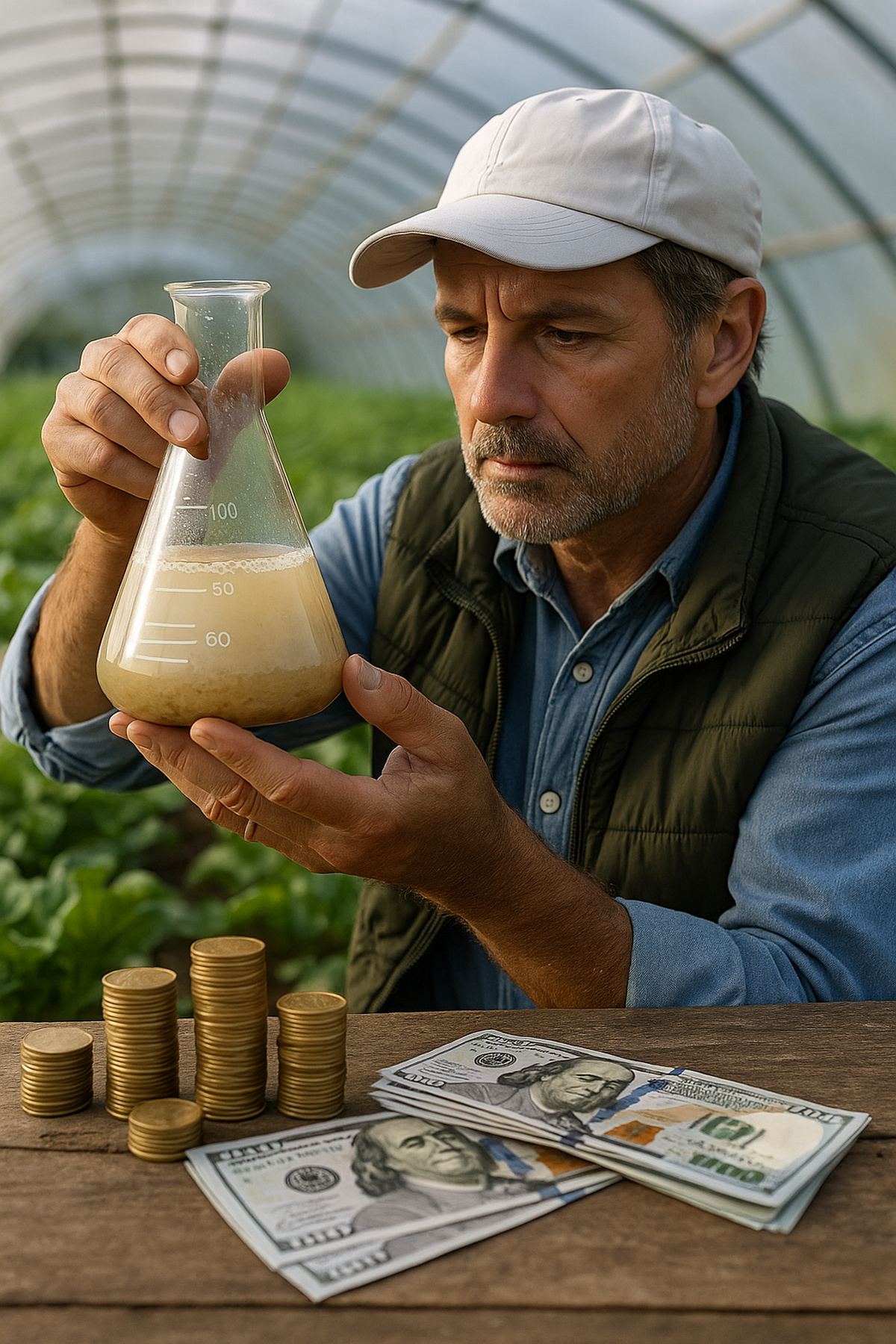
Public Bank Launches Unprecedented Program With Technical Support from Embrapa and Resources from the Socio-Environmental Fund to Strengthen Cooperatives and Boost Sustainable Production in the North and Northeast.
The National Bank for Economic and Social Development (BNDES) announced on August 26, 2025, during the Semiárido Show, in Petrolina (PE), the launch of BNDES Bioinputs. Additionally, the initiative promises to transform the Brazilian countryside, promoting sustainability and productive autonomy.
The proposal will allocate R$ 60 million in non-reimbursable resources to cooperatives and rural associations to produce and multiply bioinputs on an industrial and semi-industrial scale. Thus, the project aims to reduce costs, stimulate agroecological transition, and increase productivity in family farming.
According to the BNDES president, Aloizio Mercadante, the program is fundamental for the country’s food and nutritional security. He emphasized that the initiative reinforces rural income, expands access to sustainable inputs, and values clean agricultural practices.
-
The government is considering a temporary subsidy for cooking gas following the spike in oil prices due to the war in Iran and warns about the impact of 20% of imports on the prices paid by families.

-
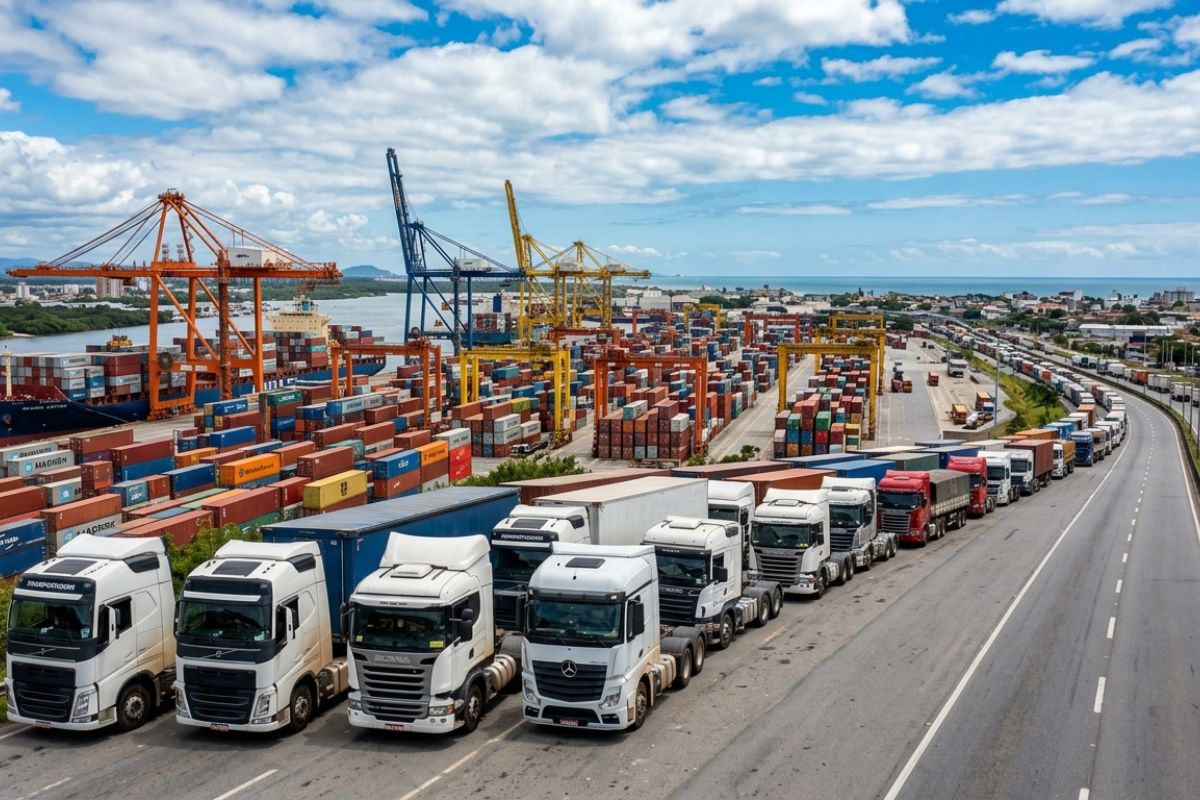
The lack of truck drivers in the country is already halting shipments and threatening deadlines: 88% of transport companies are unable to hire, with an average of eight trucks idle, and the port complex of Itajaí is now feeling the impact.
-
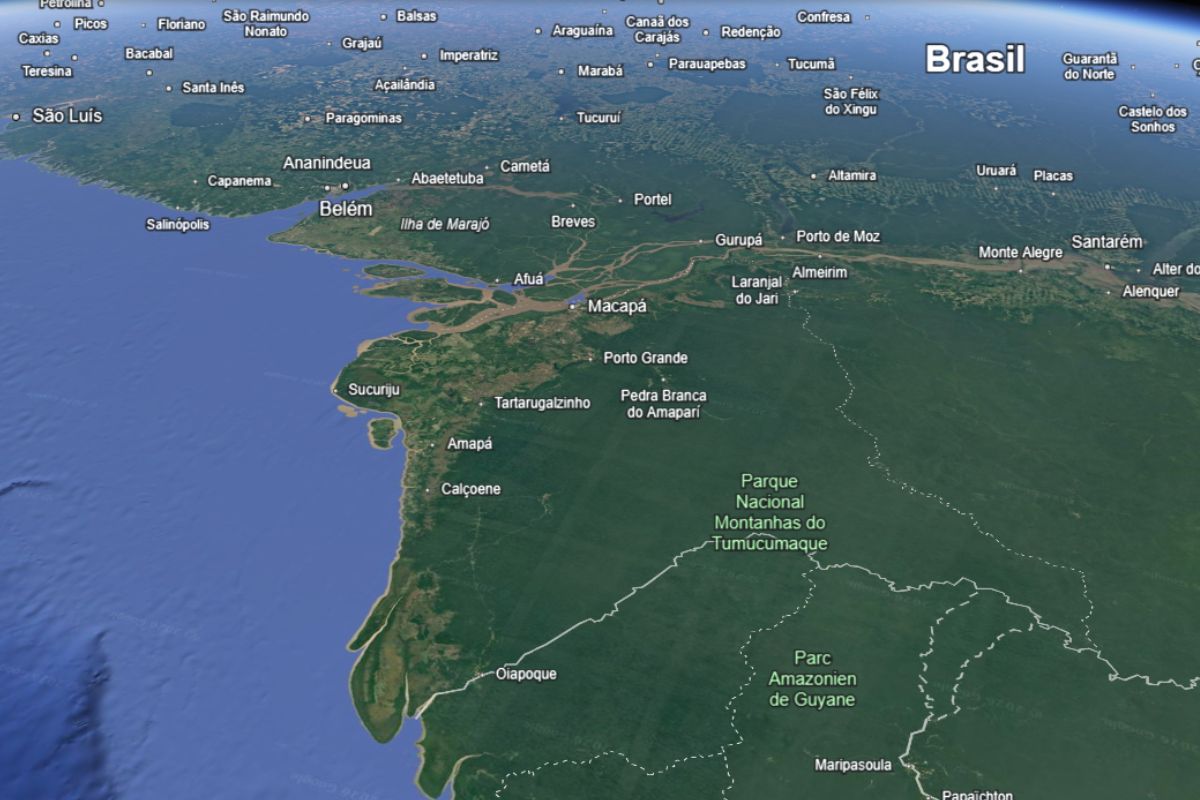
Petrobras is about to transform a forgotten city in the far north of Brazil into the capital of oil: Oiapoque is already feeling the effects even before the first drop of oil comes out from the seabed.
-
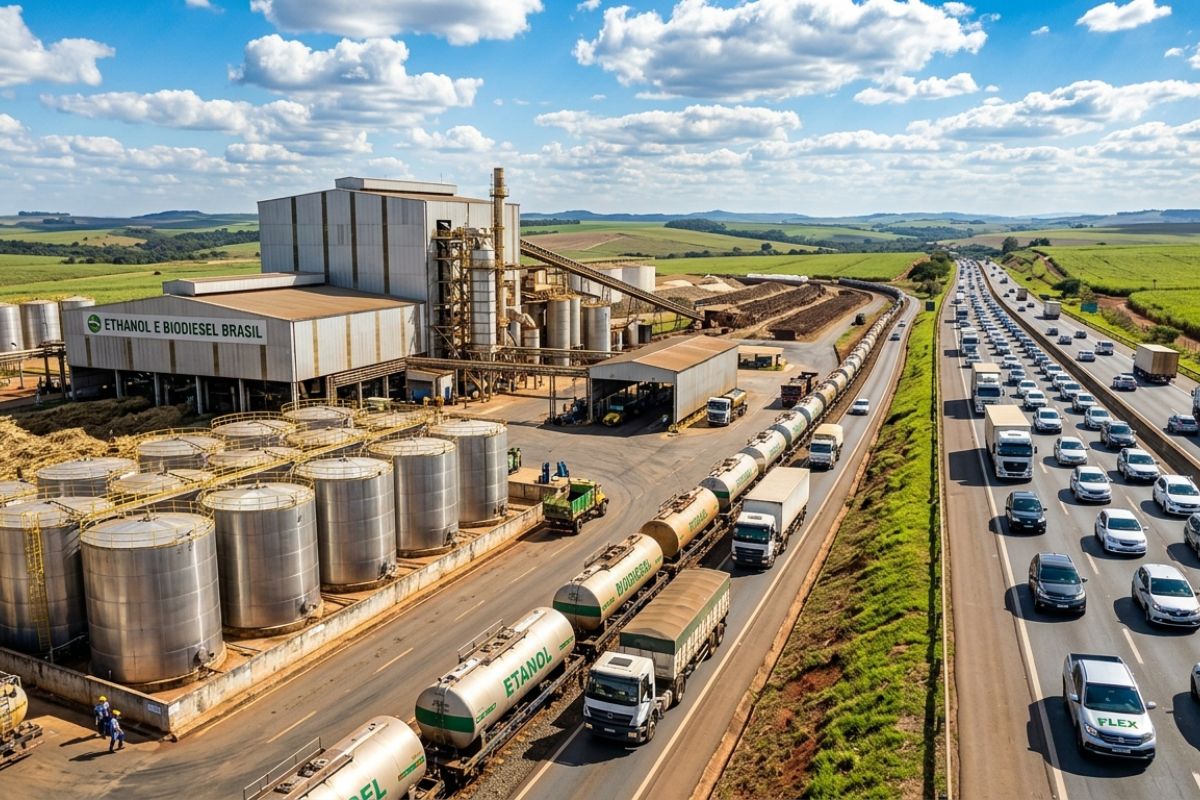
The Economist says that Brazil has a secret weapon in the oil war during this crisis: ethanol, biodiesel, and flex-fuel vehicles. With Petrobras holding costs, fuel prices are rising 10% to 20% here, compared to 30% to 40% in the USA.

Strategic Partnership Between BNDES and Embrapa Strengthens Ecological Production
The BNDES Bioinputs was created with technical support from Embrapa and financing from the bank’s Socio-Environmental Fund. Thus, the action combines scientific research and regional development, promoting innovation applied to the countryside.
According to Celina Tura, head of the Department of Productive Inclusion and Education at BNDES, the national public call is already open on the Client Portal. In this way, cooperatives and associations can submit projects with a minimum investment of R$ 5 million.
Furthermore, the resources will finance own productive units, for the exclusive use of cooperators. Thus, communities will have technological autonomy, local production of inputs, and greater control of the production chain. The program prioritizes the North and Northeast regions, which have a strong agricultural vocation, but still face dependence on imported chemical products.
What Are Bioinputs and Why Do They Represent the Future of the Countryside?
Bioinputs are products of biological origin, such as microorganisms, plant extracts, enzymes, and insects, capable of improving plant growth and replacing chemical pesticides.
These compounds are recognized by Embrapa for having low environmental impact and high agronomic efficiency. Therefore, they help to preserve the soil, reduce toxic residues, and boost sustainable productivity.
Among the categories supported by the program are inoculants, bio-stimulants, microorganisms, and insects for biological control, in addition to bio-fertilizers made from plant biomass and organic waste.
Consequently, the use of these products strengthens cleaner agricultural systems, reduces dependence on chemicals, and increases climate resilience of the crops.
Support Criteria and Financial Structure of the Program
The BNDES Bioinputs can finance up to 90% of the total value of each project, limited to R$ 5 million per CNPJ, according to the size and financial capacity of the applicant.
On the other hand, projects above R$ 10 million will have a participation of up to 50%, requiring counterpart of own or raised resources. Thus, the bank ensures financial feasibility and transparency at all stages.
Cooperatives and non-profit associations can participate, according to Law No. 11.326/2006, which defines family farming. Additionally, the program allows partnerships between entities, as long as one of them is the project leader and responsible for the technical and financial execution.
With this, BNDES ensures clear governance and efficient management of public resources, reinforcing the commitment to sustainability and productive inclusion.
Expected Impacts and Transformation in the Brazilian Countryside
With the BNDES Bioinputs, the bank aims to strengthen family farming, generate rural income, and stimulate the production of healthy food. Thus, the program promotes replicable models and adaptable to regional conditions, becoming a national reference.
Furthermore, the initiative integrates biotechnology and sustainability, consolidating Brazil as a protagonist in the ecological transition. The technical support from Embrapa and the funding from the Socio-Environmental Fund create a favorable ecosystem for innovation and green productivity.
In general, the project reduces dependence on chemical inputs, values agroecological practices, and brings the countryside closer to scientific research. Therefore, the BNDES Bioinputs positions itself as a strategic pillar of the new Brazilian rural economy.
Based on these advances, Brazil reinforces its role as a leader in agricultural sustainability. However, the inevitable question arises: is the country really prepared to fully embrace this new era of bioinputs?







Seja o primeiro a reagir!