





 Portuguese
  English
  Spanish
  5 min of reading
  0 comments


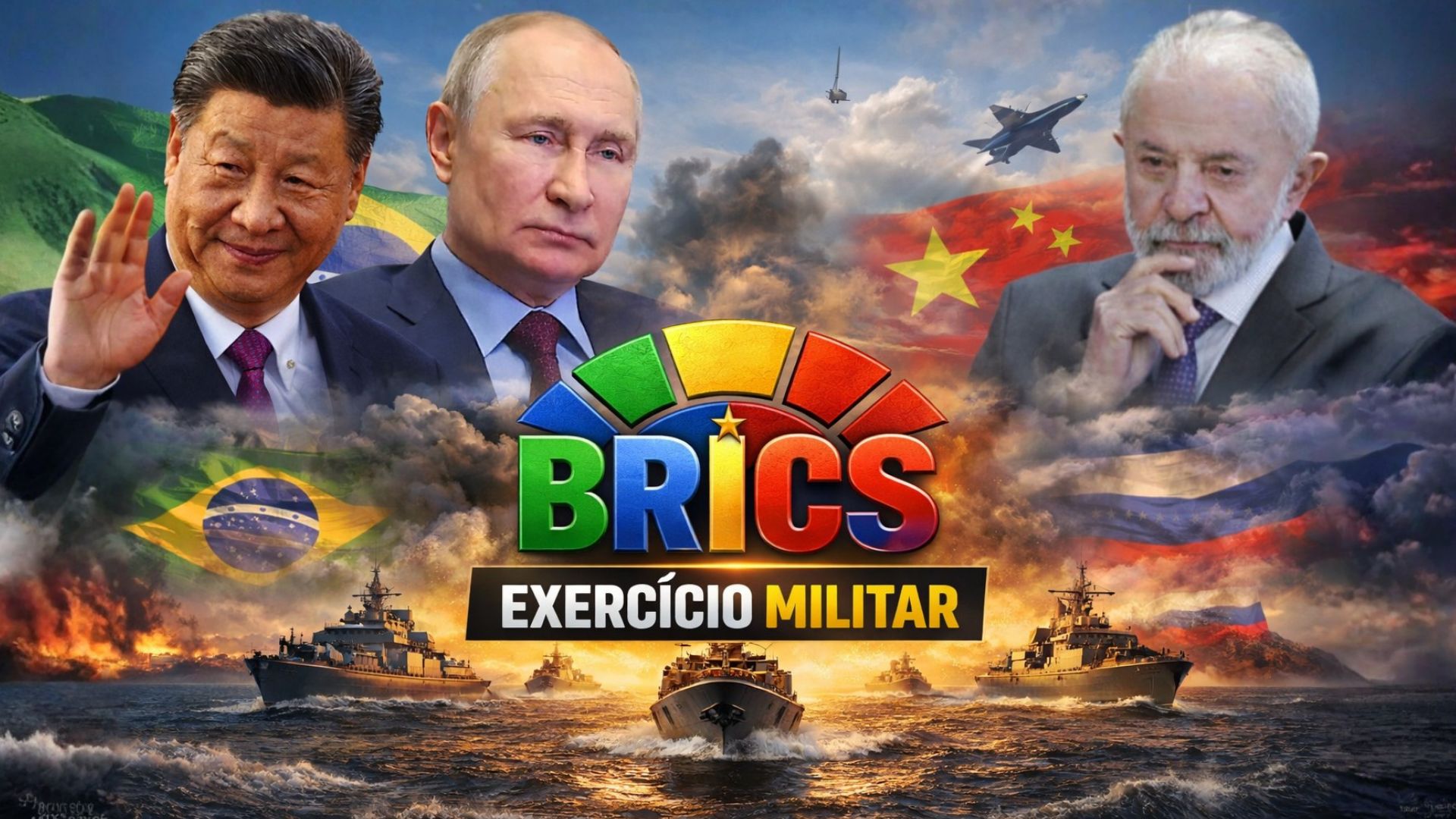
China-Led Naval Exercise in South Africa Increases BRICS Visibility Amid Diplomatic Tensions and International Debate on Maritime Security, Military Cooperation, and Geopolitical Impact on Global Trade Routes.
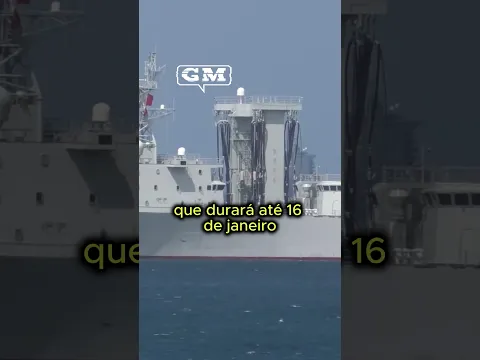
The BRICS group of countries enters a new chapter of military cooperation this week with the start of a joint naval exercise in South African waters, led by China.
Named “Will for Peace 2026,” the operation is scheduled to take place from January 9 to January 16, 2026, and involves ships and crews from navies associated with the so-called “BRICS Plus,” according to a statement from the South African government and reports from international agencies.
The initiative comes at a time of diplomatic tension between Pretoria and Western governments, particularly the United States, and reignites the debate on how far BRICS, created as a political and economic articulation, can expand its role in the field of security and defense.
-
Spain challenges the USA and closes its airspace for operations against Iran, raising global tension and provoking the threat of a trade rupture.
-
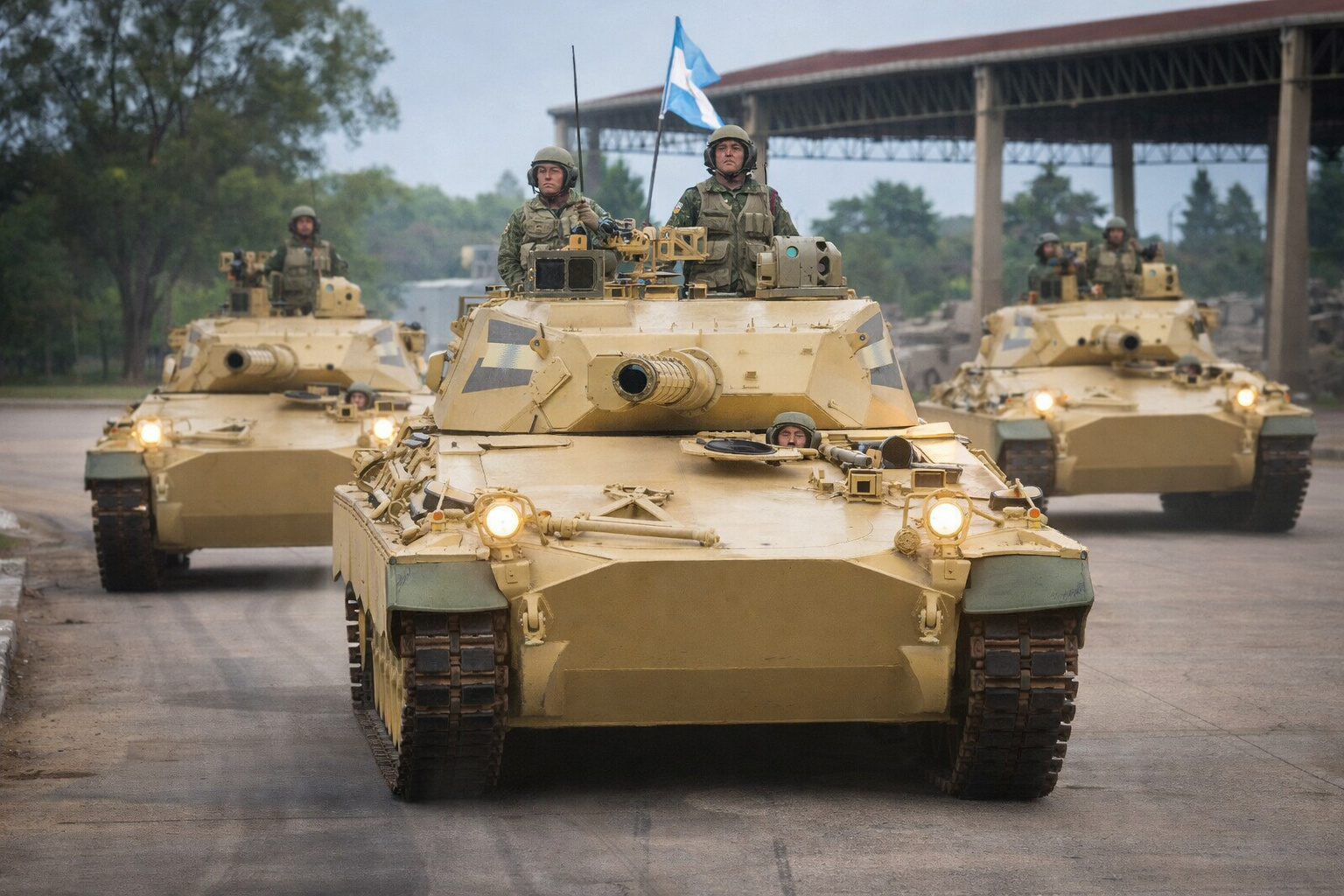
While no other country manufactures tanks in Latin America, Argentina activates the TAM 2C-A2 and raises a curiosity about the technological lag in the region.
-
A Russian ship with 730,000 barrels of oil has just arrived in Cuba while Mexico negotiates fuel sales through private companies: the communist island is desperately seeking alternatives after losing its supply from Venezuela due to American military action.
-
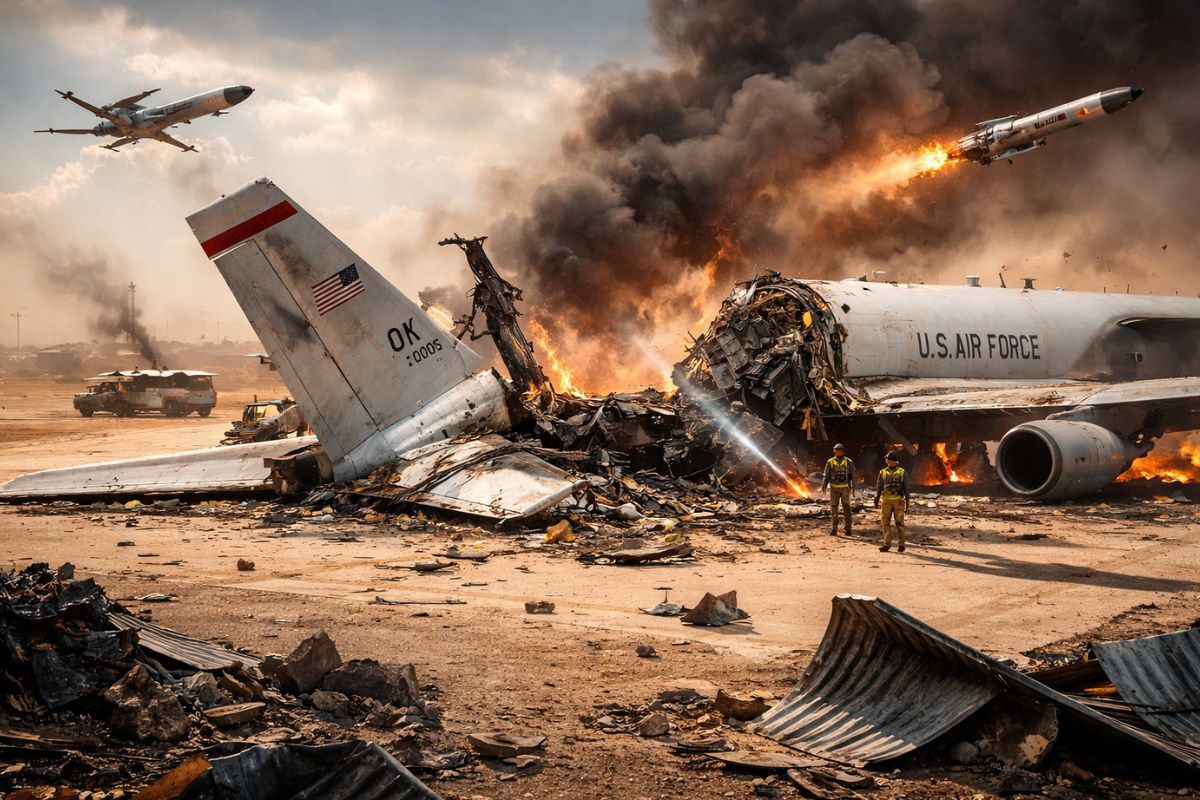
Iranian drones and missiles destroyed a 270 million dollar American spy plane in Saudi Arabia, splitting the E-3 Sentry aircraft in half and injuring 12 military personnel in an attack that exposes the vulnerability of U.S. bases in the Persian Gulf.

South African authorities state that the announced focus is technical and operational, emphasizing maritime security and interoperability.
“Will for Peace 2026” Exercise and Its Stated Objectives
The South African Ministry of Defence announced on December 30, 2025, that the exercise will be conducted off the country’s coast, under Chinese leadership, with participation from BRICS Plus nations.
The statement describes a program focused on joint maritime security operations, interoperability training, and “maritime protection” activities in simulated scenarios.
According to the official communication, the involved countries jointly defined the exercise theme, presented as a collective commitment to protecting trade routes and improving shared procedures at sea.

Meanwhile, international outlets reported on the arrival of Chinese, Russian, and Iranian vessels to South African ports and waters before the start of the maneuvers, as well as the mobilization of the host Navy.
Participating Countries and Information Gaps
Although the exercise is publicly presented as an activity of the “BRICS Plus,” not all BRICS members have been confirmed as part of the operation.
Specialized publications covering defense in South Africa reported, in the days leading up to the start of the training, that the participation of countries like Brazil and India was unclear and may not occur.
What is documented by statements and vessel observations, according to international agencies and newspapers, is the presence of units from China, Russia, and Iran in the region, along with South Africa as the host country.
In some cases, reports note that South African and Chinese authorities did not formally detail the complete list of participants in public documents, although the movement of vessels has been tracked by journalists and analysts.
Strategic Importance of South Africa for Maritime Trade
The South African coast occupies a strategic position in global maritime traffic by concentrating routes that connect the Atlantic and the Indian Oceans, directly impacting the flow of cargo and energy between continents.
It is in this context that official South African statements point to the protection of trade routes and coordination in maritime security as declared objectives of the exercise.
By choosing South Africa, the organizers also reinforce the logic of training away from traditional operating zones of some of the involved navies.
This type of displacement, in itself, is a tool of naval diplomacy: it projects the capability to operate at long distances and increases engagement with coastal countries in areas considered sensitive for international trade.
Planned Activities During the Naval Exercises
South African authorities describe the training as inter-agency and multinational, with practical exercises in coordination among ships, communications, boarding procedures, and responses to maritime incidents.

International reports indicate that the program includes, at least in theory, simulations related to navigation safety, cooperation against maritime crimes, and coordinated actions aimed at protecting routes.
However, so far, there is no indication in official statements that this is a “secret operation” or a mission with hidden goals.
On the contrary, the exercise was previously announced by the South African government, with a set date and public justification, and has received international media coverage.
Political Repercussions and Internal and External Criticisms
The conduct of the exercise has fueled criticisms both inside and outside South Africa.
Opposition parties, such as the Democratic Alliance, questioned the political cost of hosting maneuvers with countries under sanctions and accused by Western governments of destabilizing actions, as well as demanding transparency regarding participants and objectives.
Abroad, the movement has also been interpreted as a sign of increasing alignment of Pretoria with BRICS partners amid geopolitical disputes.
Recent reports noted that the exercise was postponed from November 2025 to January 2026 due to scheduling conflicts with G20-related events in South Africa.
The combination of postponement, presence of foreign ships, and diplomatic clashes has contributed to increase the visibility of the issue and make the exercise a point of friction in public debate.
Brazil’s Role in BRICS and Limits of Confirmed Participation
Brazil is one of the founders of BRICS and has historically advocated for South-South cooperation, increased trade among emerging nations, and reforms to global governance mechanisms.
Still, as far as public sources can confirm regarding the “Will for Peace 2026” exercise, there is no secure evidence that the Brazilian Navy is participating in the maneuvers in South Africa.
Institutionally, the country maintains a prominent role in the group through its diplomatic efforts and also through the New Development Bank, known as the “BRICS Bank,” chaired by former president Dilma Rousseff.

However, Dilma does not represent the Brazilian government in the political leadership of the bloc; her role is at the helm of the multilateral financial institution based in Shanghai, while President Luiz Inácio Lula da Silva is the main Brazilian authority in BRICS coordination.
This difference matters because the naval exercise has been portrayed by critics as a sign of the “militarization” of the bloc, while official communications insist on the character of training and maritime security.
Without public confirmation of Brazilian participation, any conclusion about Brazil’s direct involvement in the maneuvers must be limited to what is documented.
Previous Exercises and Debate on BRICS Military Activity
The “Will for Peace 2026” operation marks another edition of exercises involving, at least, China, Russia, and South Africa in South African waters, with records of similar maneuvers in previous years.
This undermines the idea that this is the “first military movement” associated with BRICS, although the presence of new participants and the political context may give the event a different weight in the diplomatic arena.
With the exercise underway and the list of participating countries still treated incompletely in public communications, the lingering question is how BRICS will balance its economic and diplomatic identity with security initiatives that are inevitably interpreted as displays of power.







-

-

-

13 pessoas reagiram a isso.