





 Portuguese
  English
  Spanish
 3 min of reading
  0 comments


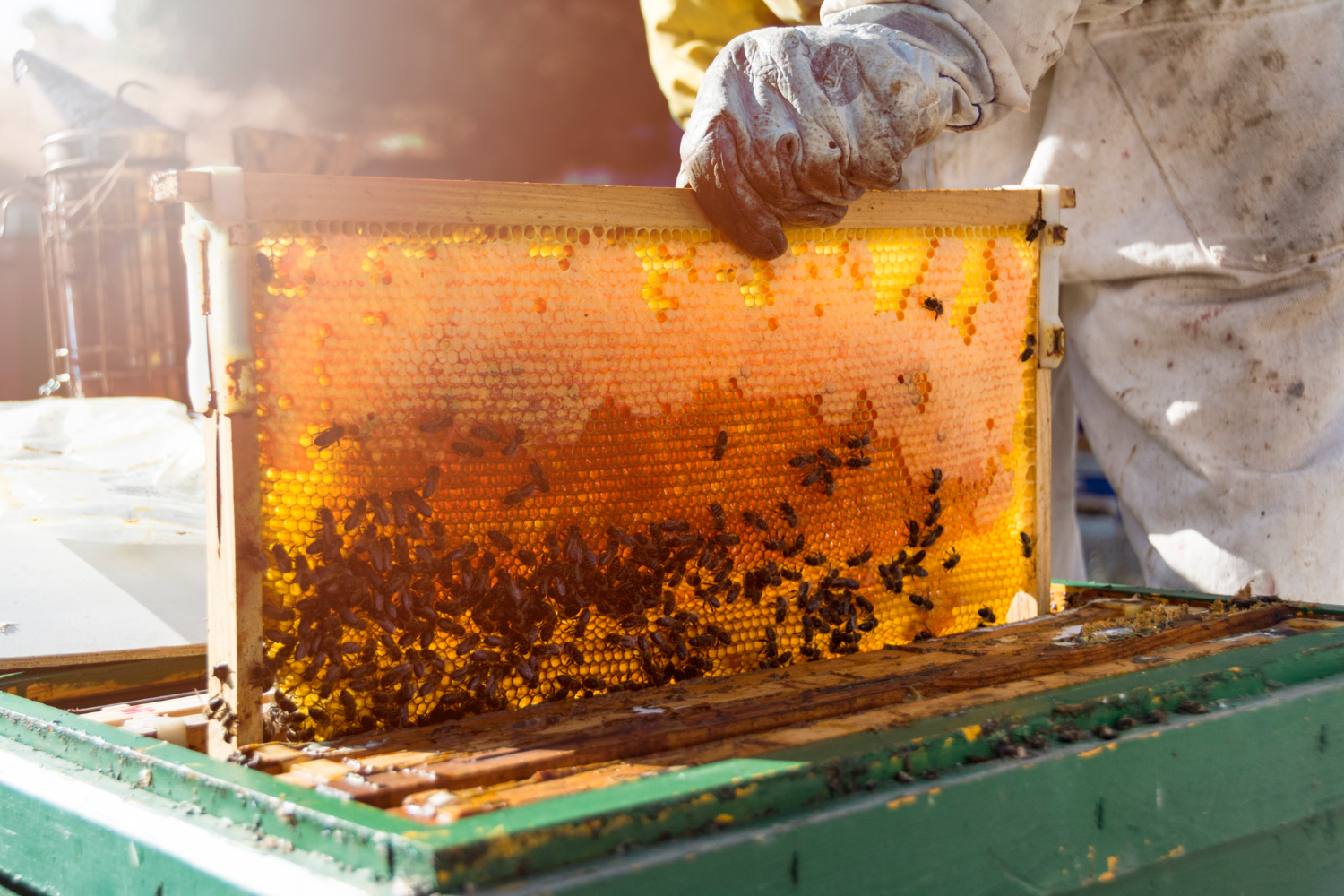
The Growing Role of Beekeeping in Minas Gerais in the Upper Jequitinhonha Generates Income, Expands Honey and Propolis Production, and Strengthens Partnerships That Support Small Producers
Beekeeping in Minas Gerais has strengthened the work routine of rural families in the Upper Jequitinhonha, especially in Couto Magalhães de Minas, where joint actions increase income and create new opportunities, according to a report published.
The region, marked by financial challenges for the acquisition of equipment and difficulties in commercialization, found a turning point in 2015 with the start of a partnership that brings together Emater-MG, Municipal Department of Agriculture and Environment, Codevasf, and the Association of Beekeepers of Couto Magalhães de Minas (Apicouto).
Since then, approximately 100 producers have been receiving assistance, training, and technical support.
-
Rain gains strength in April, potentially exceeding 150 mm, placing the North, Northeast, and the coasts of the South and Southeast at the center of the heaviest forecast of the week.

-
A fish that survives out of water, crawls on land until it finds another river, and whose female lays 80,000 eggs at once is infesting rivers and lakes in Brazil, and no one can stop this invasion.

-
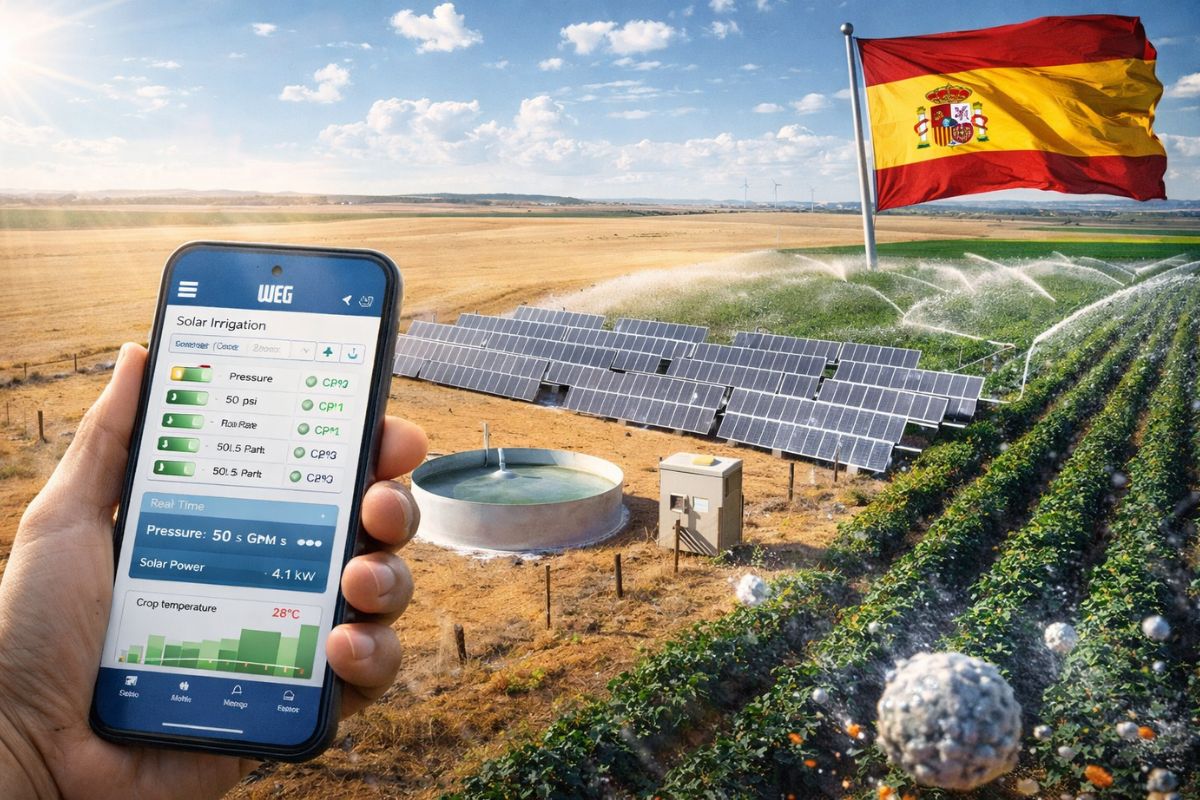
WEG took its technology to Spain to create a solar irrigation system that operates independently without needing an electrical grid, and now farmers control everything remotely via their mobile phones.
-
The US faces a meat crisis with fires, pests, and strikes, consumption rises and supply falls to the lowest level since 1952, creating a billion-dollar opportunity for Brazilian exports to grow in 2026.


The initiative seeks to enhance the local bloom, diversify production, and ensure more stable conditions for those who rely on the activity.
The experience of figures like André Marcos da Silva, president of Apicouto for over a decade, illustrates how collective work has avoided waste, expanded the market, and reinforced the quality of products offered at fairs in the municipality and neighboring cities.
Sustainable Honey Production in the Upper Jequitinhonha
The expansion of honey and propolis production is directly linked to access to inputs and specialized guidance.
Emater-MG provides guidance on organic management, preservation of native vegetation, and diversification of blooms, while Codevasf distributes kits through incentive programs aimed at the sector.
The result is reflected in the increase in the number of beehives and the consolidation of the activity as a local source of income.
Only among the 20 members of Apicouto, more than 400 Africanized bee hives ensure a continuous supply and stimulate the search for new markets.
Beekeeping in Minas Gerais reinforces how the production chain has been structured with institutional support.
A good example is the case of Osvaldo Aparecido de Meira, from Apiário Paineira, who found financial stability after receiving equipment to continue working.
Certified Green Propolis
The strengthening of the production chain also involves technical qualification and collective organization to ensure products with added value.
Green propolis, highly sought after for its specific characteristics of the region, stands out as an important element to increase producers’ income. Beekeeping in Minas Gerais demonstrates its role in improving commercialization.
Extension worker José Dilson Pereira Coelho explains that the geographical conditions of the Upper Jequitinhonha contribute to honey with unique flavor and aroma, reflecting local biodiversity, which opens doors for buyers in different markets.
Small-Scale Family Beekeeping
The direct involvement of families has turned the sector into a regional reference. Small producers, once limited by lack of resources, now participate in fairs, increase dialogue with buyers, and organize themselves to meet growing demand.
The impact of beekeeping in Minas Gerais in ensuring technical support, safety in practices, and active participation of partnering institutions is highly relevant.
Secretary Assis Antônio Vieira highlights that the sector has become one of the main generators of jobs and income in the municipality, result of actions that unite training, environmental preservation, and economic development.
Beekeeping in Minas Gerais continues to stimulate sustainable production and strengthen the local economy.









-

-

-

6 pessoas reagiram a isso.