





 Portuguese
  English
  Spanish
  5 min of reading
  0 comments


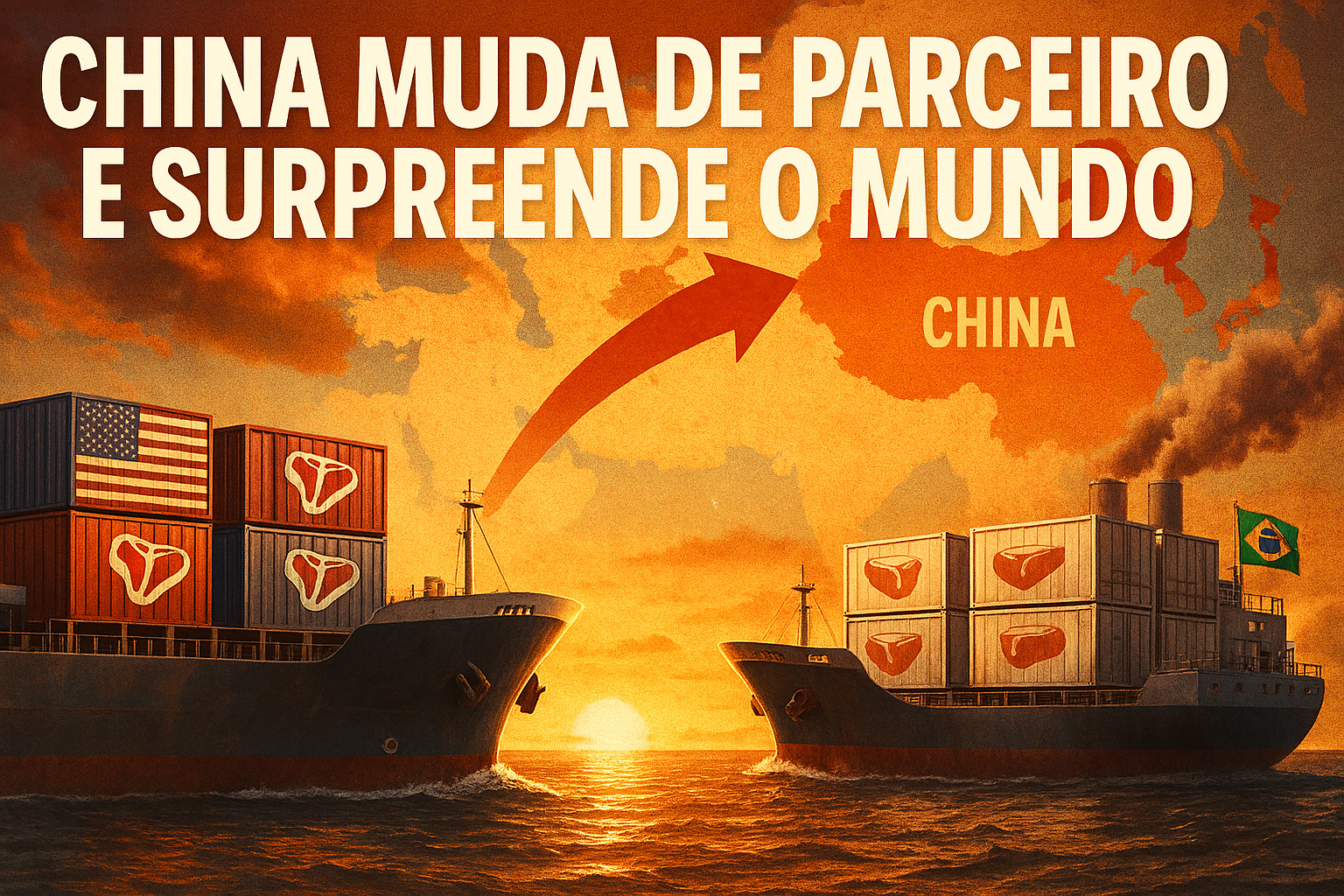
After Trade Tariffs Between The USA And China, American Beef Exports To China Fall To Zero And Australia Takes Global Leadership, Earning US$ 6.6 Billion.
For years, the United States was one of the main suppliers of beef to the vast Chinese market. The growing demand for animal protein in the world’s second-largest economy transformed the trade between the two countries into a billion-dollar cog in the global agribusiness. Until 2018, U.S. shipments to China moved about US$ 120 million per month, consolidating a partnership that seemed unshakeable.
But what began as a stable trade relationship quickly unraveled with the escalation of the trade war between Washington and Beijing. The tariffs imposed by the USA on Chinese products generated immediate retaliations. In response, China drastically increased tariffs on American beef, cutting off trade flow and literally driving the value of exports to the Asian country to zero.
With the Chinese market — the largest in the world in terms of meat consumption — suddenly open, another giant entered the scene and came out on top: Australia.
-
The Ukraine war exposes the strength of the M113 armored vehicle amid modern warfare with military drones.

-
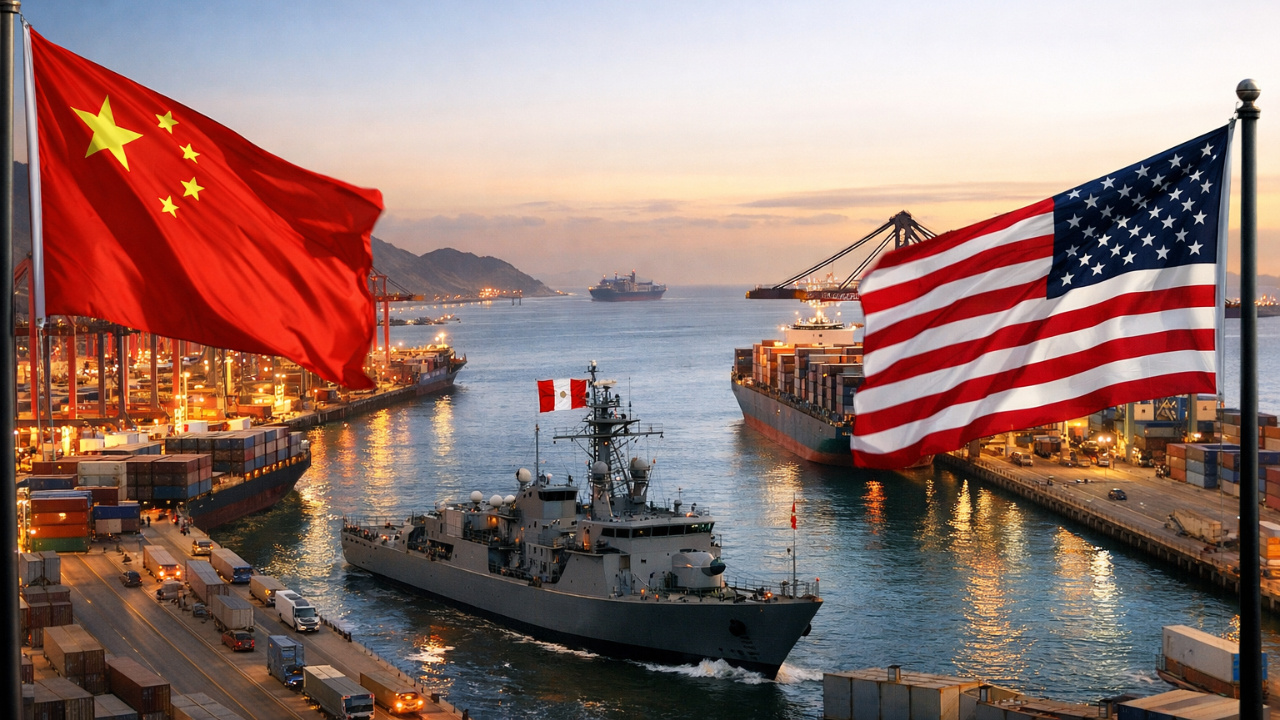
Maritime geopolitics: China and the USA compete for strategic ports in Peru.
-
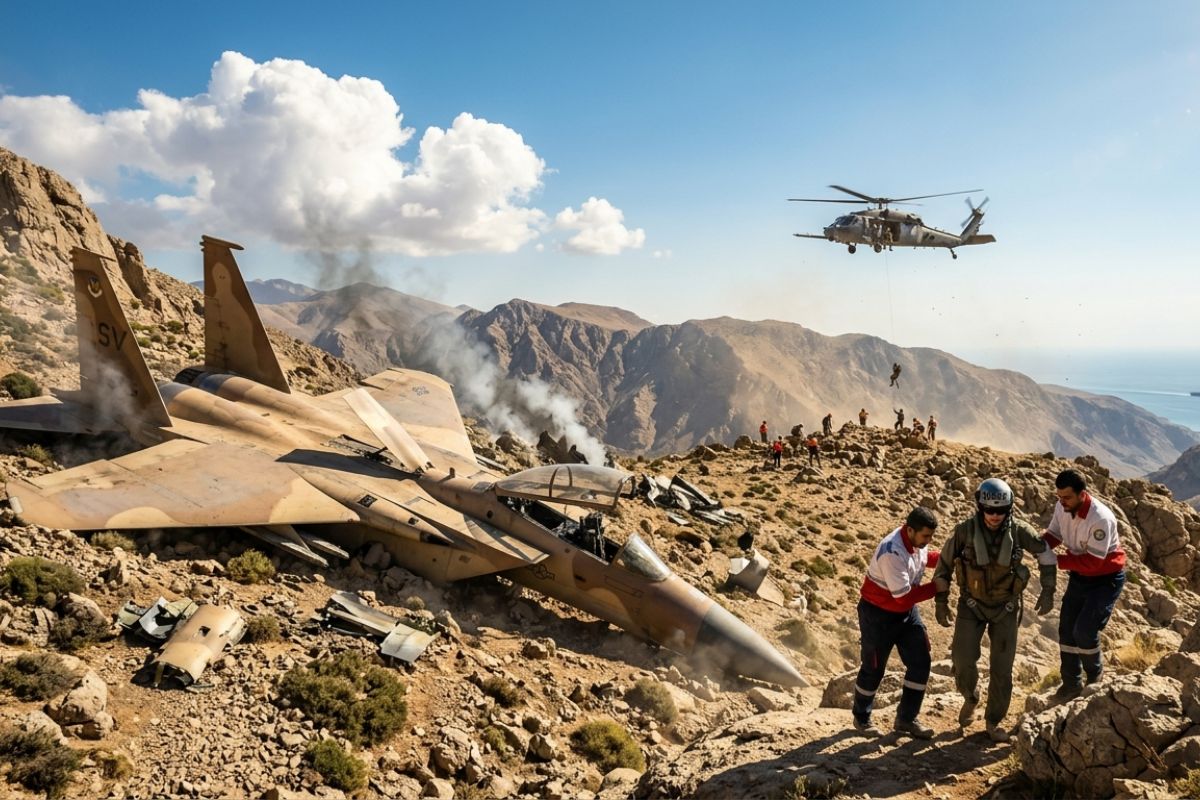
Iran shoots down two US aircraft: F-15 fighter crashes in mountainous area, one crew member is rescued and another is still missing; second crash in the Persian Gulf exposes still active air defense, says US intelligence.
-
USA and China compete for Brazil over resources that could be worth trillions — rare earths put the country at the center of a global dispute


The Australian Turn That Changed Global Trade
While American producers struggled with accumulated stocks and logistical losses, Australians ramped up their exports at an impressive pace. According to data cited by the report from Xataka Brasil, Australian beef sales to China rose 65% immediately after the tariffs were imposed, reaching US$ 6.6 billion in revenue.
In just a few months, what was a trade dispute between two powers ended up redrawing the map of global animal protein.
Australia not only filled the void left by the United States but also established itself as the leading supplier of beef to China — a strategic position for any country that depends on agricultural exports as an economic engine.
This shift was no accident. The Australian agribusiness sector had already been heavily investing in traceability, health standards, and international certifications, which are fundamental requirements for the Chinese market that demands strict standards of origin and food quality control.
With American beef out of the picture, Australian meatpackers increased slaughter rates, expanded long-term contracts, and expanded logistical agreements with ports and meat processing plants on China’s east coast. The result was a historic growth in trade relations between the two countries, benefiting the entire supply chain for inputs and maritime transport.
A Billion-Dollar Impact For The United States
In the USA, the consequences were immediate. Beef, one of the main symbols of the American agribusiness, saw its access to the Chinese market disappear from one month to the next. Estimates from the USDA (United States Department of Agriculture) indicate that the loss of market to China represented billions of dollars in lost revenue for the animal protein sector between 2018 and 2020.
The tariff war hit meat producers in traditionally agricultural states like Texas, Kansas, and Nebraska. To offset the losses, the U.S. government announced billion-dollar subsidies for the rural sector, but the dependency on China could hardly be replaced.
Meanwhile, Australian companies expanded contracts, and local meatpackers — such as JBS Australia, Teys, and NH Foods — began to lead the international trade of premium cuts for the Asian market.
China At The Center Of The Global Beef Dispute
The Chinese strategy was clear: replace American suppliers with more stable and politically aligned partners. With rising per capita income and accelerated urbanization, beef consumption in China grew by about 45% between 2010 and 2024, according to data from the FAO.
To meet the new demand without relying on a single partner, Beijing diversified its imports. Australia became the main source of high-quality beef, while Brazil and Argentina consolidated their supply of larger volumes and more affordable cuts.
This triangulation marked the first time in history that Asia absorbed more than 60% of all beef exported worldwide. The move also altered the dynamics of international prices and pressured other markets to strengthen their export strategies.
Collateral Effect: The Advancement Of Brazil
Brazil also gained ground during this period, albeit indirectly. When the trade war reduced American supply, Brazilian meatpackers increased exports to China and Hong Kong, achieving successive records.
In 2023, Brazilian beef exports reached 2.2 million tons, with almost half destined for the Chinese market, according to data from the Brazilian Association of Exporting Meat Industries (ABIEC). Revenue exceeded US$ 9 billion, and the country established itself as the largest beef exporter in the world.
Thus, the USA–China dispute had as winners not only Australia but also Brazilian agribusiness, which expanded its global influence and strengthened trade relations with the world’s largest consumer of animal protein.
The Role Of Tariffs As A Geopolitical Tool
The imposition of trade tariffs demonstrated once again that the global food trade is profoundly sensitive to foreign policy. In the case of beef, a tariff increase of just a few percentage points was enough to reconfigure entire supply chains.
For China, the measure served as a tool for diplomatic pressure and economic repositioning. For the USA, it was a blow that revealed the vulnerability of a sector dependent on agricultural commodity exports.
For Australia and Brazil, it represented a rare opportunity: to occupy the void left by one of the world’s largest exporters and expand their presence in a market that generates hundreds of billions of dollars per year.
The Future Of Beef In Global Geopolitics
With the gradual recovery of global trade post-pandemic and the partial stabilization of relations between the USA and China, there is hope for the resumption of American exports — but experts indicate that the structural damage has been done.
Australia, which already had a solid trade agreement with Beijing, has established itself as the preferred supplier of premium cuts, while Brazil dominates the supply of beef in volume and at competitive prices.
In the long term, the dispute is not just about tariffs but about food hegemony. Controlling the supply of protein is controlling one of the most strategic variables of the 21st century: the food security of major powers.
The New Route Of Protein
The story that began with tariffs and sanctions ended with a complete reconfiguration of global trade. Today, when a piece of meat is served in a restaurant in Beijing, it is more likely to have come from a meatpackers in Queensland, Australia, or from Mato Grosso do Sul, Brazil, than from an American ranch in Texas.
The market, just like geopolitics, does not tolerate vacuums for long — and those who react first win.








Seja o primeiro a reagir!