





 Portuguese
  English
  Spanish
  4 min of reading
  0 comments


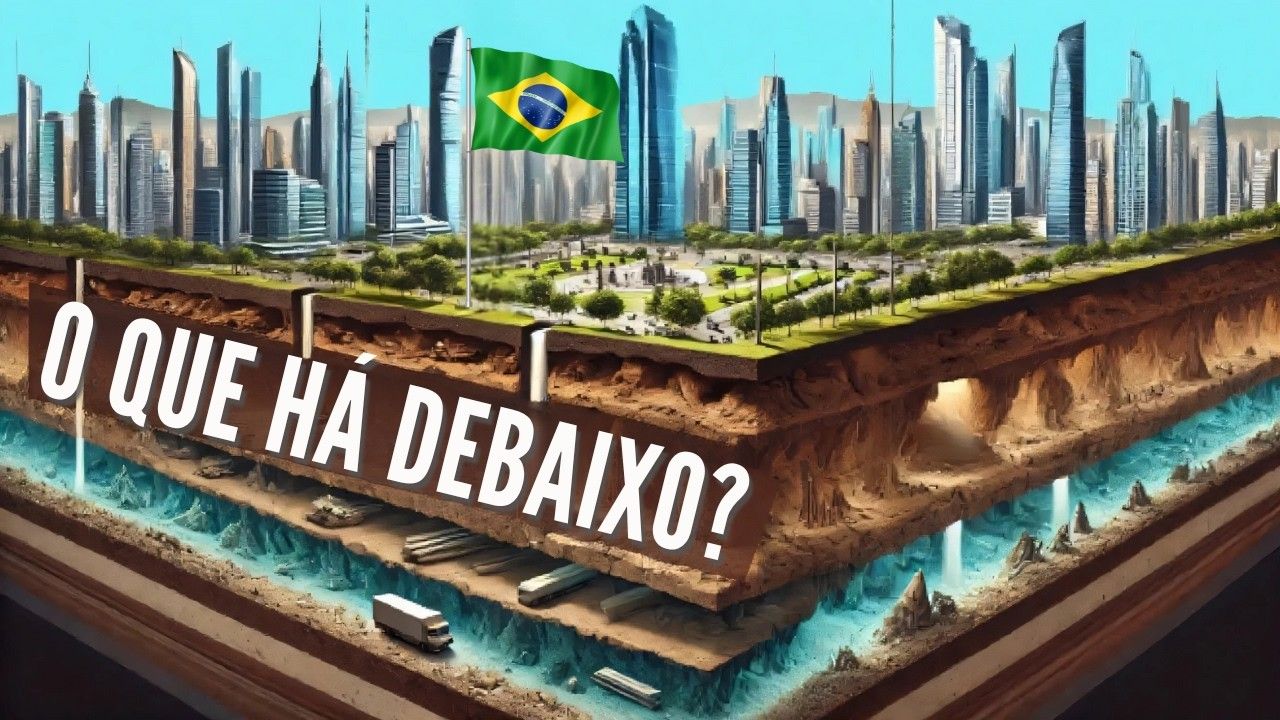
Discover the Invisible Metropolis of São Paulo: A Giant Hidden City with Buried Rivers, Historical Crypts, and Secrets Preserved Beneath the Asphalt
São Paulo is globally known as the economic heart of Brazil, housing over 12 million residents and boasting impressive skyscrapers that dominate the skyline. However, delving a few meters below the concrete, we discover that the metropolis hides a giant hidden city, filled with extraordinary secrets and forgotten corridors. What we see on the surface is just part of the story; beneath it lies a complex universe that ensures the functioning of the capital and preserves centuries-old memories.
This journey into the underground reveals much more than pipes and cables. Let’s explore rivers that have disappeared from the map, mysterious passages used by soldiers in past revolutions, and crypts that guard central figures of the country’s history.
Get ready to experience a completely different São Paulo, where life, culture, and even agriculture thrive away from the sunlight, proving that the true dimension of this metropolis goes far beyond what the eyes can see.
-
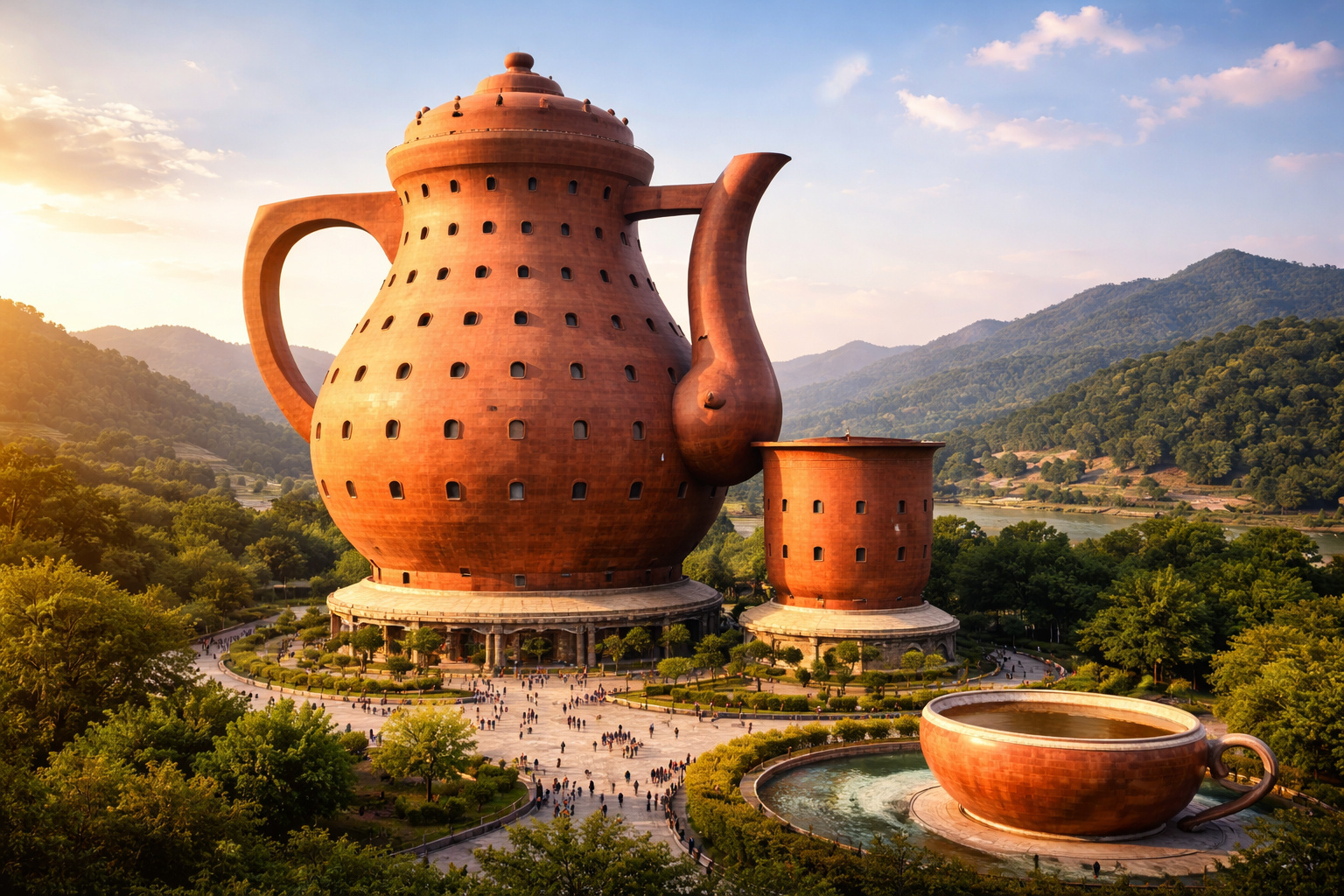
At 73.8 meters tall, the world’s tallest teapot-shaped building has 15 floors, ensures stability, and impresses with an internal space of 28,000 cubic meters.
-
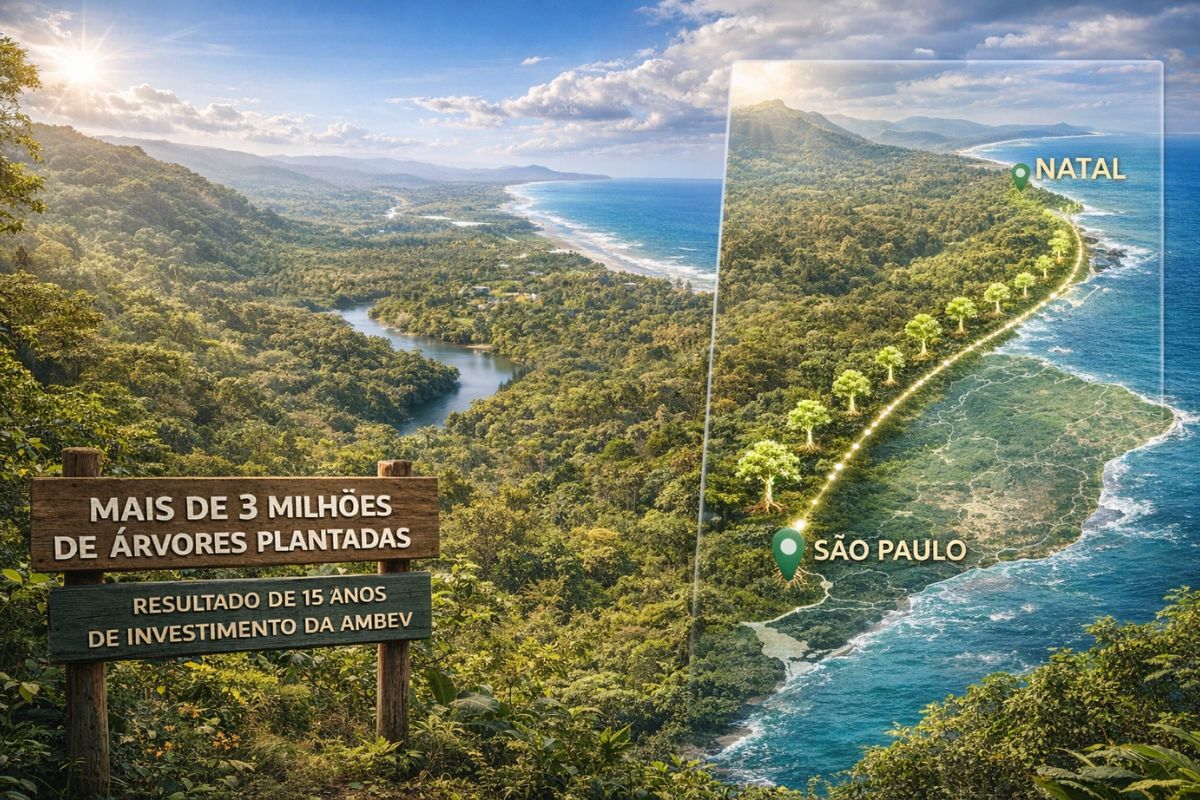
Ambev has planted over 3 million trees and restored an area equivalent to the coastline from São Paulo to Natal, and the result after 15 years of silent investment has finally appeared for all of Brazil to see.
-
A new AI collar technology for cattle eliminates physical fences, creates virtual barriers, monitors animals 24/7, and detects changes in behavior and health.

-
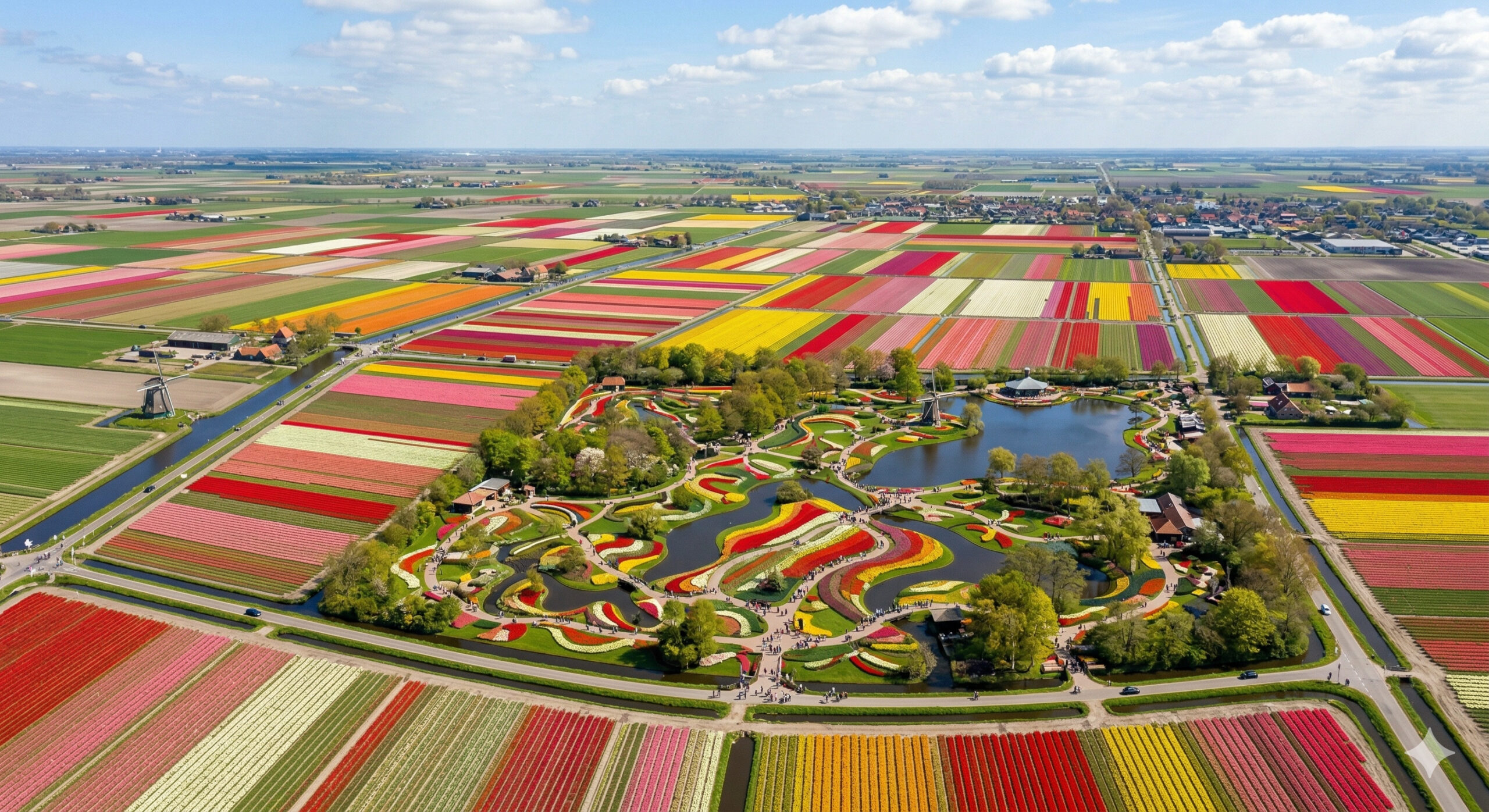
For a few weeks each year, an entire country blooms with billions of tulips, creating a mosaic of colors visible from the sky, while a single garden gathers more than 7 million flowers and attracts visitors from around the world to one of the most impressive shows in Europe.
The Invisible Backbone and the Forgotten Rivers

For São Paulo’s fast-paced rhythm never to cease, a complex network of infrastructure operates silently just a few meters beneath the surface. Right below the sidewalks run internet, phone, and electric cables, as well as gas and drinking water pipelines.
However, as we descend, we find traces of the original nature of the region. The city grew over dozens of waterways that, with the unchecked urbanization of the twentieth century, were channeled and hidden.
It is estimated that more than 300 km of waterways are buried beneath the asphalt. Famous rivers, such as the Saracura, Itororó, and Anhangabaú, now run invisibly beneath busy avenues like Avenida 9 de Julho and Avenida 23 de Maio.
Although hidden, these “ghost rivers” remind us of their presence during heavy rainfall when the drainage system cannot handle the volume and they overflow, causing floods that paralyze the city. This underground water network transforms the capital into a kind of invisible and humid labyrinth.
Military Tunnels and Monumental Crypts

The São Paulo underground is also a guardian of history. At different points, there are tunnels with intriguing pasts, such as the one located beneath the ROTA barracks, used by soldiers during the 1924 revolution.
Another curious example is the tunnel of the Hospital das Clínicas, a cold corridor built to transport bodies without crossing the streets, ensuring privacy and practicality. But it is the crypts that bear the heaviest symbolic weight of this giant hidden city.
At 8 meters deep, beneath the Monument to Independence in Ipiranga, rest the remains of Dom Pedro I and Empress Maria Leopoldina. Already in the heart of the city, the Cathedral of Sé houses a true underground church, with a height of over 7 meters, where bishops and the chief Tibiriçá are buried.
There is also the obelisk of Ibirapuera, one of the largest funerary monuments in Latin America, which guards the heroes of the 1932 Constitutional Revolution. The space is solemn and reinforces the importance of the underground as a guardian of national memory.
The Iron Giant and Deep Cultural Life

No example of subterranean life is more visible than the subway, inaugurated in 1974. Its stations function like a parallel city, with tunnels dug dozens of meters deep.
The Pinheiros station, for example, reaches almost 40 meters in depth. However, the future Itaberaba-Hospital Vila Penteado station of line 6-Laranja promises to break records: it will reach over 65 meters deep, becoming the deepest in Latin America, equivalent to a building of more than 20 stories below ground.
Besides mobility, the subway is a cultural hub where art thrives in murals and exhibitions. But subterranean creativity goes beyond the tracks.
In the Sumaré neighborhood, the Teatro do Centro da Terra offers performances at 12 meters deep. In the city center, Bar dos Arcos occupies former tunnels of Theatro Municipal, creating a sophisticated environment among stone arches.
These places prove that the underground can be essential not only for transportation but also for the city’s cultural identity.
Technology and Sustainability Below the Ground

Surprisingly, the underground of São Paulo also points to a sustainable future. In a commercial complex in the center, 16 meters deep, there is a futuristic underground garden.
Without receiving sunlight, herbs and greens grow under LED lights that simulate photosynthesis. In the same location, a station treats the building’s sewage for reuse, showing that modern solutions are hidden beneath our feet.
This giant hidden city also relies on colossal engineering to survive the rains. Giant reservoirs, like Pacaembu’s tank, and an army of pumps work silently to drain water and prevent chaos.
As the city plans to expand its subway network and revitalize underground passages, it becomes clear that the underground is a new frontier for growth, uniting the past, present, and future beneath the asphalt of the country’s largest metropolis.
Would you have the courage to explore the tunnels and secret passages that exist beneath São Paulo?
With information from: Feito GEO







-

Uma pessoa reagiu a isso.