





 Portuguese
  English
  Spanish
 4 min of reading
  0 comments


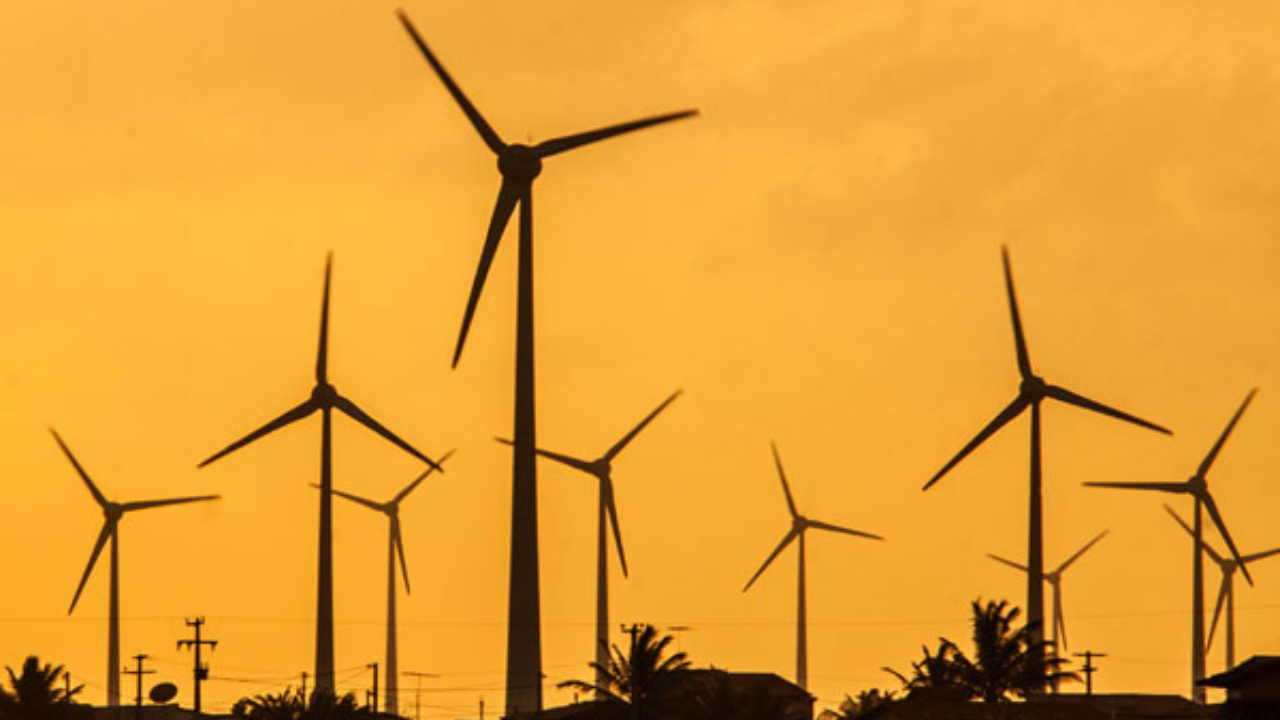
Cuts in Renewable Energy Generation Caused Losses of R$ 1.69 Billion to Rio Grande do Norte in 11 Months of 2025, Highlighting Failures in Transmission and National Electric System Planning.
The latest figures from the electric sector placed renewable energy generation at the center of an urgent debate. Between January and November 2025, Rio Grande do Norte accumulated an estimated loss of R$ 1.69 billion due to mandatory production cuts, known as curtailments. The data comes from the consultancy Volt Robotics, based on information from the National Electric System Operator (ONS).
The state led the national ranking of losses over the analyzed period. In November, it repeated the negative performance of October and maintained its position as the federative unit most affected by cuts in wind and solar energy generation.
Additionally, the numbers show that, in November alone, Rio Grande do Norte failed to utilize 28.99% of its generation capacity. Ceará followed closely behind, with losses of 28.81%, while Minas Gerais recorded 25.47%. In the previous month, October, the situation was even more severe in the potiguar territory, where nearly half of the installed capacity, 45.99%, was interrupted.
-
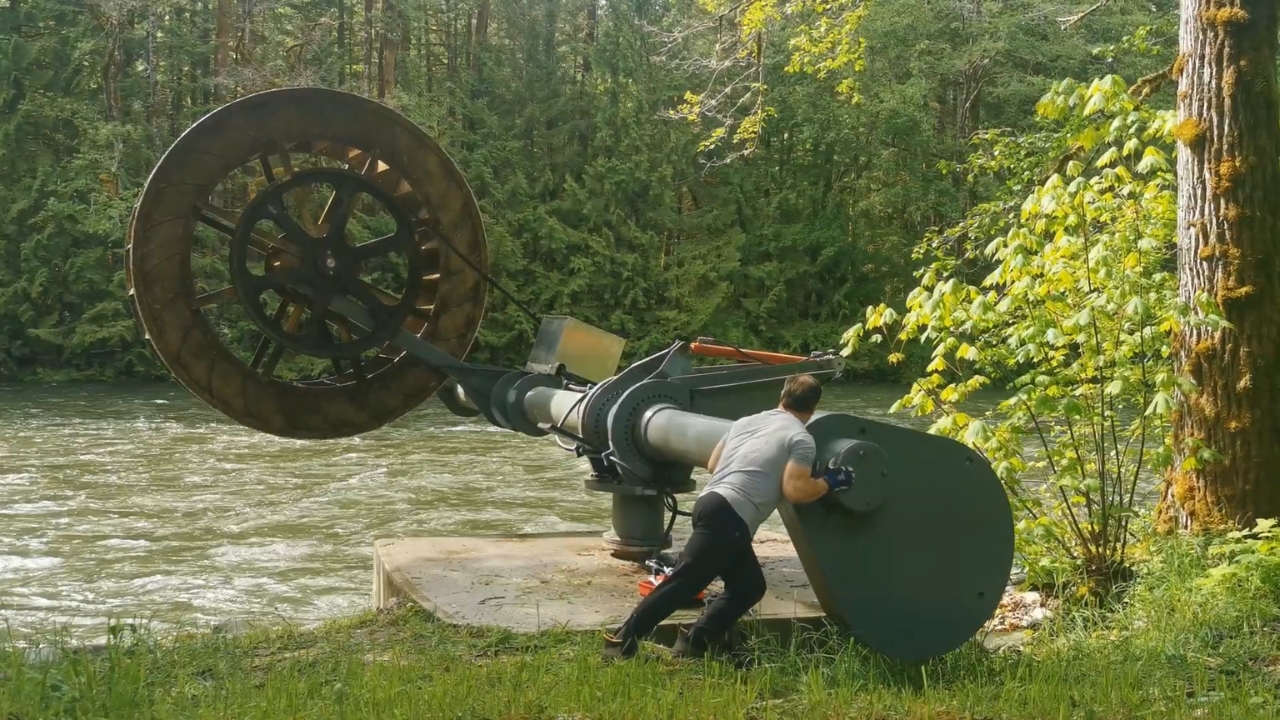
A Canadian retiree creates a hydroelectric system on a real river, generating energy continuously throughout the day and demonstrating how the power of water can supply a house with stability even in a simple structure.
-
Petrobras reaffirms its commitment to the market and ensures that it will carry out the energy transition safely to maintain national sovereignty.

-
Researchers discover a possible hydrogen deposit of up to 46 million tons beneath an ancient coal basin, and the volume could exceed half of the entire global production.

-
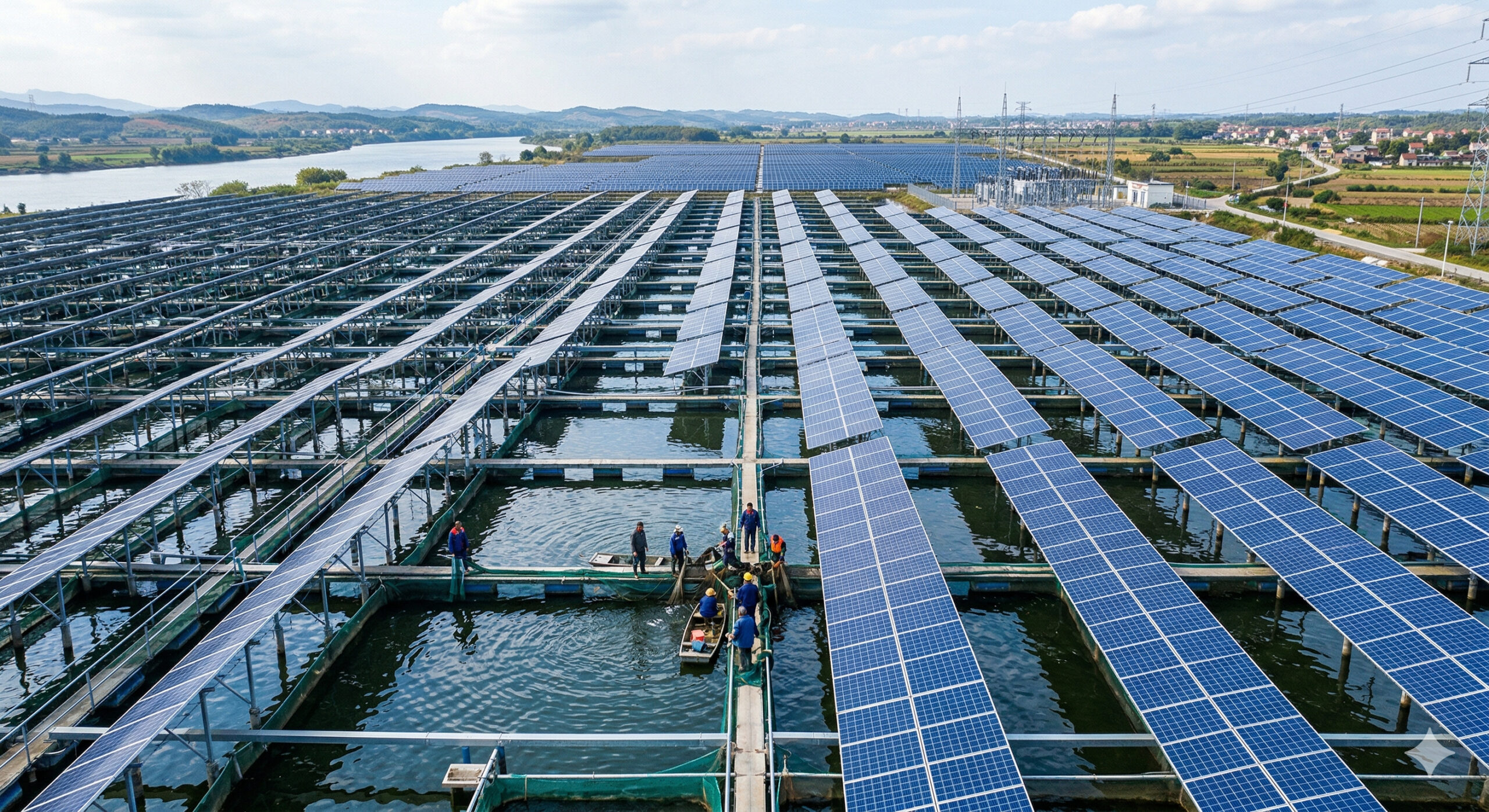
China bets on the Fishery-PV model and transforms fish farms into giant solar plants, covering ponds with panels that generate energy while utilizing the same space for large-scale aquaculture production.

Curtailments Spread and Increase National Losses
Although the focus is on Rio Grande do Norte, the problem is national. According to Volt Robotics, Brazil accumulated over R$ 6 billion in losses due to generation cuts throughout 2025. During the period, the country lost approximately 20.6% of its potential capacity to produce renewable electricity.
The survey indicates that most of the cuts occurred in wind farms. In November, 72% of the interrupted energy came from wind, while 28% was from solar plants. The report “Curtailment 2025: Retrospective and Projection” highlights that the country experienced three consecutive records of cuts between August and October, a scenario considered unprecedented until then.
“During August, September, and October, Brazil witnessed something unprecedented: three consecutive records of renewable generation cuts. […] A combination of structural factors (rapid growth of renewables, especially distributed generation), operational (the grid was not properly planned), and conjunctural,” the document states.
Transmission Failures Limit Energy Generation
The cuts in energy generation primarily occur when supply exceeds demand at certain times or when transmission lines cannot carry the produced electricity. This mismatch between production, consumption, and infrastructure has become more frequent as the renewable park has grown rapidly, especially in the Northeast.
The region concentrates over 70% of the country’s wind generation and has rapidly expanded its solar capacity. However, the expansion of the electric grid has not kept pace. As a consequence, ONS is forced to determine interruptions to preserve the security of the system.
Wind Crisis Pressures Investments and New Projects
According to Hugo Fonseca, Deputy Secretary of Economic Development of Rio Grande do Norte, 2025 laid bare the crisis faced by the wind sector. He states that the scenario is marked by excess supply, connection difficulties, and a halt in the commercialization of new projects.
“And to make matters worse, there is curtailment, which impacts the costs of projects that are already in operation,” he says. The secretary emphasizes that the cuts reduce financial predictability and compromise the attractiveness of the already installed ventures.
Transmission Auctions Emerge as an Alternative
Despite the adverse situation, the state government believes that signs of progress have emerged. Fonseca points to the transmission line auctions held in 2025 as a possible “light at the end of the tunnel.” Last year, five synchronous compensators were contracted for Rio Grande do Norte.
Additionally, Auction No. 01/2026, scheduled for March, should include two new compensators at the Ceará-Mirim II and Açu III substations. These devices help stabilize the system and increase the capacity to carry renewable energy generation.
Still, the secretary notes that the structural solution will not be immediate. “They are large structures, which take on average two to three years [to be installed]. We will have a resolution scenario, from a structural point of view, by around 2029,” he explains.
Sector Demands Financial Compensation for Cuts
In addition to infrastructure, there is an economic impasse under discussion. Generators affected by the cuts advocate for financial compensation mechanisms. This debate has gained traction in the National Congress and the Ministry of Mines and Energy.
Francisco Silva, Regulatory Technical Director of the Brazilian Wind Energy Association (ABEEólica), assesses that 2025 was one of the toughest years for the sector. According to him, the volume of cuts led companies to abandon projects and return grants. “Later in the year, we saw many companies backing out of some projects,” he states.
Public Consultation and Regulatory Framework Come to the Fore
The Ministry of Mines and Energy opened a public consultation lasting 15 days to discuss compensation rules for curtailments. The initiative is based on the law enacted in 2025 that modernized the regulatory framework of the electric sector.
The legal text included Article 1º-B in Law No. 10.848, recognizing the possibility of compensation for costs related to external unavailability and electrical reliability requirements. The measure is retroactive from September 2023 until the enactment of Law No. 15.269 in November 2025.


Meanwhile, experts evaluate that renewable energy generation will continue to grow but will rely increasingly on planning, transmission expansion, and clear rules to prevent clean electricity from continuing to be wasted.







Seja o primeiro a reagir!