





 Portuguese
  English
  Spanish
  3 min of reading
  0 comments



The Two Largest Manufacturers in the World Begin Using Thermoplastics to Reduce Weight, Consumption, and Emissions in the Aviation Sector
In light of the growing global demand for sustainable aviation, giants Boeing and Airbus are changing the way they build their aircraft. The companies are now betting on the use of advanced thermoplastics, lighter, recyclable, and fast-production materials, to replace traditional aluminum components. According to the portal Interesting Engineering, this transformation promises to reduce costs, fuel consumption, and environmental impact, marking a new chapter in aerospace engineering.
For decades, aluminum has been the dominant material in the manufacturing of commercial airplanes. However, with technological advancements and climate urgency, Boeing and Airbus are adopting carbon fiber reinforced thermoplastics, known as CFRP. According to the site Interesting Engineering, this new material significantly reduces the weight of aircraft, making flights more economical. In addition to being lightweight, thermoplastics also provide greater durability and facilitate automated assembly processes, which is appreciated by both manufacturers.
How Boeing and Airbus Plan to Transform Aviation with New Materials
The weight reduction provided by thermoplastics can exceed 10%, which translates to fuel savings and lower CO₂ emissions on each trip, as reported by the site Ambiente Plástico. Boeing and Airbus also emphasize the productivity gains, as these materials can be molded quickly and with fewer steps than traditional metals. A report from the magazine A21 also highlights that thermoplastics are more sustainable since they are recyclable, contributing to environmental policies adopted by the companies.
-
Embrapa’s discovery reveals an unexpected advancement by allowing the production of seedlings from the caatinga using brackish water, opening a new frontier for farmers to face drought more efficiently.

-
6 sources of free fertilizer that you are throwing away every day and can transform your garden without spending anything.
-
With a water crisis on the radar, Sabesp invests in reclaimed water for data centers and transforms sewage treatment into a solution that saves millions of liters and protects public supply.

-
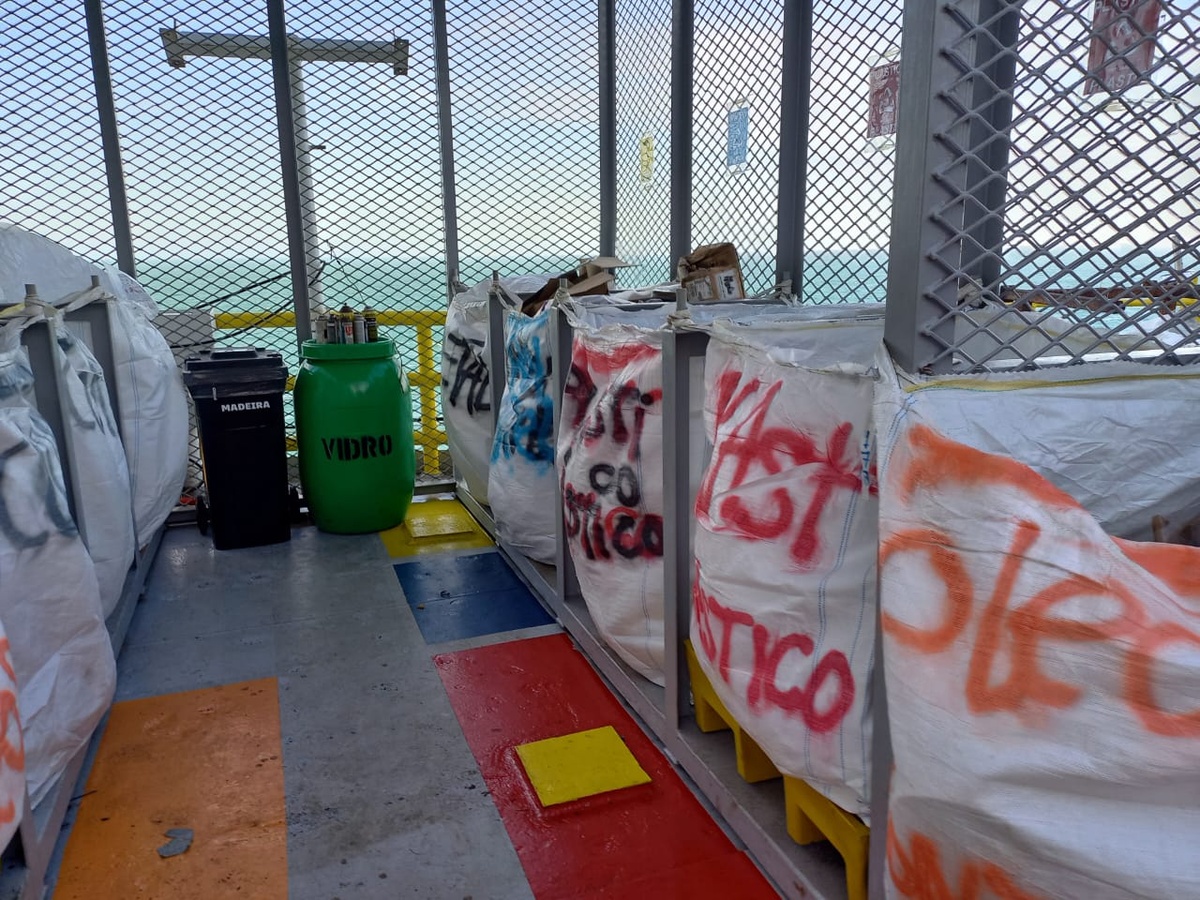
Foresea achieves 100% offshore waste reuse in 2025, eliminates landfill disposal, and consolidates sustainable strategy with 1,500 tons recycled.

Technical Challenges in Adopting Thermoplastics
Despite the benefits, the implementation of thermoplastics still requires significant changes. According to the publication Aviación al Día, Boeing and Airbus need to adapt their assembly lines, certify new processes, and train technicians to work with the advanced composites. The portal Yahoo Finance points out that there are also concerns about supplier standardization, as not all are prepared to manufacture parts with the new materials. Nonetheless, the manufacturers are confident that the operational gains will justify the investments.
Boeing and Airbus Reinforce Commitment to Cleaner Aviation
Both Boeing and Airbus have ambitious goals to reduce emissions from their fleets in the coming years. The introduction of thermoplastics is a strategic step towards achieving these objectives. The trend is that, in the upcoming models of commercial aircraft, an increasing portion of the structures will already be built with these composites. For industry analysts, this is a quiet revolution where innovation, sustainability, and competitiveness go hand in hand. By leading this change, Boeing and Airbus show that cutting-edge technology and environmental responsibility can, and must, fly side by side.









Seja o primeiro a reagir!