





 Portuguese
  English
  Spanish
  5 min of reading
  11 comments


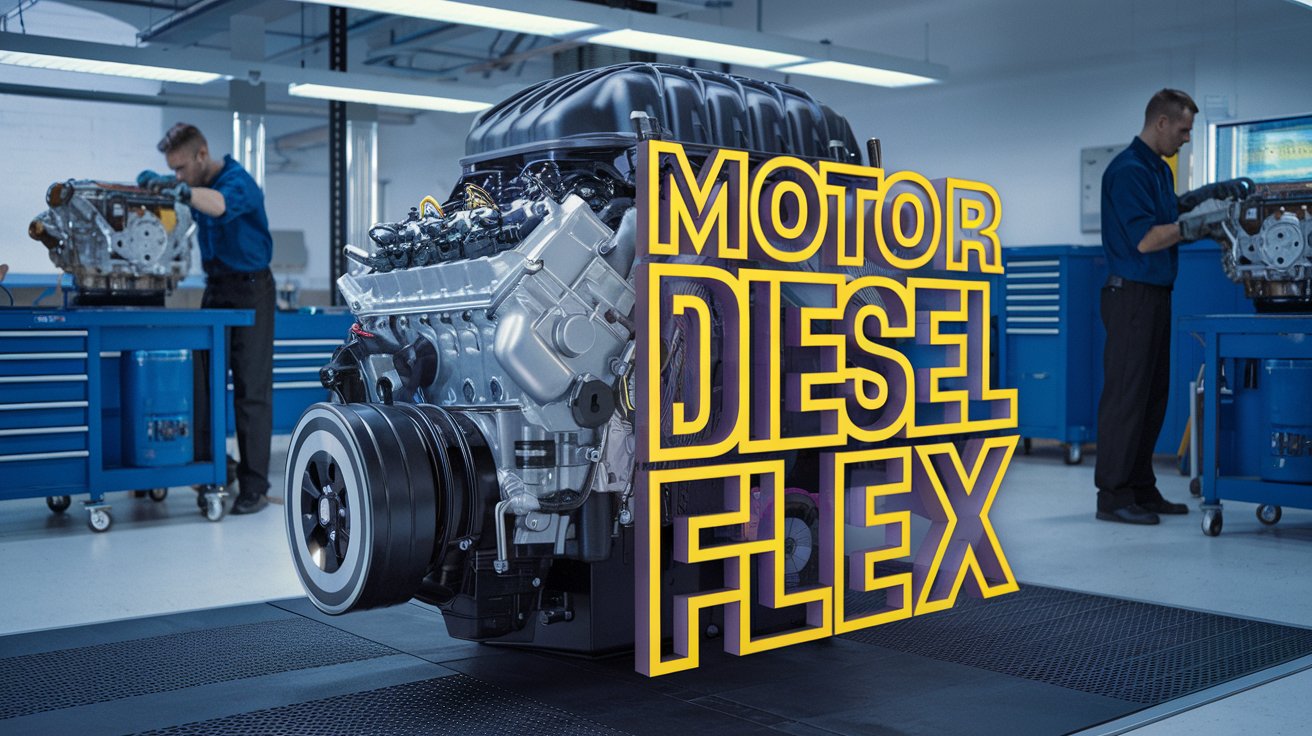


In a Revolutionary Initiative, Bosch Introduces a Diesel Engine Capable of Running on Ethanol, Promising to Transform the Automotive Sector. This Innovation Aims to Reduce Diesel Consumption and CO₂ Emissions by Half, Highlighting Brazil as a Leader in Sustainable Solutions.
Bosch, a global leader in technology and services, recently unveiled a diesel engine capable of operating on ethanol, aiming to reduce pollutant emissions and promote sustainability.
This initiative was announced during a meeting with the Minister of Development, Industry, Trade and Services (MDIC), Geraldo Alckmin, in Campinas, São Paulo.
Flexible and Sustainable Technology
The main objective of this innovative technology is to cut diesel consumption in half and, consequently, CO₂ emissions.
-
At the bottom of the sea, scientists have found a true underwater cathedral measuring 62 meters at the base, 31 meters at the top, and 1,347 square meters of giant coral in the Maug Islands, estimated to be 2,050 years old.

-
Surrounded by the sea, the airport will have a system to prevent airplanes from falling into the water; technology will be installed in Ilhéus (BA), with an investment of R$ 70 million.

-
Church from 1888 becomes a mansion of over 330 m² in Canada after a renovation of R$ 3.4 million and is eventually sold for nearly R$ 4.3 million.

-
How an innovative city combines high technology, well-being, and sustainability to become the largest reference in clean energy on the planet.


Unlike traditional flex engines that allow any proportion of gasoline and ethanol, this new system operates with a fixed mixture of 50% diesel and 50% ethanol.
Diesel is injected at the beginning of operation, while ethanol is added as the demand of the engine increases, reaching the desired ratio.
The use of ethanol as an alternative fuel has gained prominence in Brazil, which already has a consolidated infrastructure for the production and distribution of this biofuel.
The country is a global reference in the use of ethanol, being one of the largest producers worldwide, making this innovation even more promising.
In addition to reducing emissions, the use of ethanol in diesel engines could further boost the Brazilian agribusiness sector, which plays a crucial role in the national economy.
Sugarcane, the main raw material for ethanol production in Brazil, has proven to be a viable and sustainable option to meet growing energy demands.
Application in Agricultural Machines and Heavy Vehicles
Currently, the engines are in the testing phase, and Bosch plans to initially apply them in agricultural machines, such as harvesters and tractors, as well as locomotives and mining vehicles.
This segment is one of the largest consumers of diesel in Brazil, which justifies Bosch’s initial choice for implementing the new technology.
Gastón Diaz, CEO of Bosch Latin America, highlighted that mining operations consume about 1 million liters of diesel per year.
Reducing this consumption by half not only decreases CO₂ emissions but also increases the use of locally produced ethanol, generating jobs and income.
The technology implementation will initially occur through retrofits, replacing conventional engines with adapted versions using the new flex technology.
This approach aims to facilitate the adoption of the system without the need for complete equipment replacement, reducing costs and optimizing the transition to a more sustainable model.
Partnerships and Investments for the Future
During the presentation ceremony, Bosch signed contracts for the acquisition of public funding with the Financing Agency for Studies and Projects (FINEP) and the National Bank for Economic and Social Development (BNDES).
These institutions released R$ 521 million in subsidized credits for investments in Research, Development, and Innovation (PD&I) until 2027.
The funds will be directed to areas such as sustainable mobility, Industry 4.0, and intelligent systems for the agribusiness, as well as the remanufacturing of automotive components.
This type of investment reinforces Brazil’s commitment to innovation in the automotive sector, placing the country at the forefront of renewable energy solutions.
A Legacy of Innovation from Bosch
Bosch has a history of innovations in the Brazilian automotive sector. For more than 20 years, the company developed Flex Fuel technology, allowing vehicles to be fueled with gasoline, ethanol, or a mixture of both.
This innovation granted consumers the freedom of choice and contributed to reducing CO₂ emissions in the country.
According to the Sugarcane and Bioenergy Industry Union (Única), since the launch of flex cars, the use of ethanol has already prevented the emission of more than 620 million tons of CO₂ into the atmosphere.
This data reinforces the positive impact of technology and the importance of continuing to invest in sustainable alternatives for the automotive sector.
With the new flex technology for diesel engines, Bosch expands its contribution to a cleaner future by promoting the use of biofuels in segments that traditionally depend on fossil fuels.
Benefits and Challenges of Implementation
The adoption of this innovative technology can bring various environmental and economic benefits.
The reduction in diesel consumption directly impacts operational costs, making agricultural and mining production more competitive.
Moreover, the use of ethanol strengthens the national production chain, generating jobs and adding value to the sugar-energy sector.
However, there are challenges to be faced. The adaptation of conventional engines and market acceptance are crucial points for the success of this initiative.
Although Brazil has a consolidated infrastructure for ethanol, it is necessary to ensure that the distribution of the biofuel meets the new demands of the agricultural and industrial sectors.
Another aspect to consider is the economic viability of the technology on a large scale.
The initial costs of adapting the engines may be a barrier for small rural producers and medium-sized companies, requiring government incentives to facilitate the transition.
Perspectives for the Future
With the successful conclusion of tests and the gradual implementation of the technology, it is expected that the agricultural and mining sectors will benefit significantly.
The expectation is that the reduction in operational costs and the lesser environmental impact will encourage widespread adoption, contributing to the global energy transition.
The development of flex diesel engines represents an important step toward the decarbonization of the transportation and heavy machinery sector.
With this innovation, Brazil positions itself as a global reference in the adoption of biofuels, leveraging its agricultural potential to drive a more sustainable economy.
Bosch, with its tradition of innovation and commitment to sustainability, reaffirms its leadership in the automotive sector by offering solutions that balance energy efficiency and respect for the environment.
This new technology not only reduces dependence on fossil fuels but also strengthens the national economy and contributes to a more sustainable planet.







Não tem novidade nenhuma anos atrás já havia usinas testando a mistura de etanol em caminhões com motor diesel
Em São Paulo ouve ônibus rodando com etanol / diesel. ( Projeto Scania ) Foi só problema, o álcool era subsidiado e o ônibus fazia 600 METROS por litro de álcool, estava muita manutenção. Quando o subsídio acabou os motores foram trocados para diesel
Excelente
Aguardamos ansiosamente