Portuguese
  Spanish


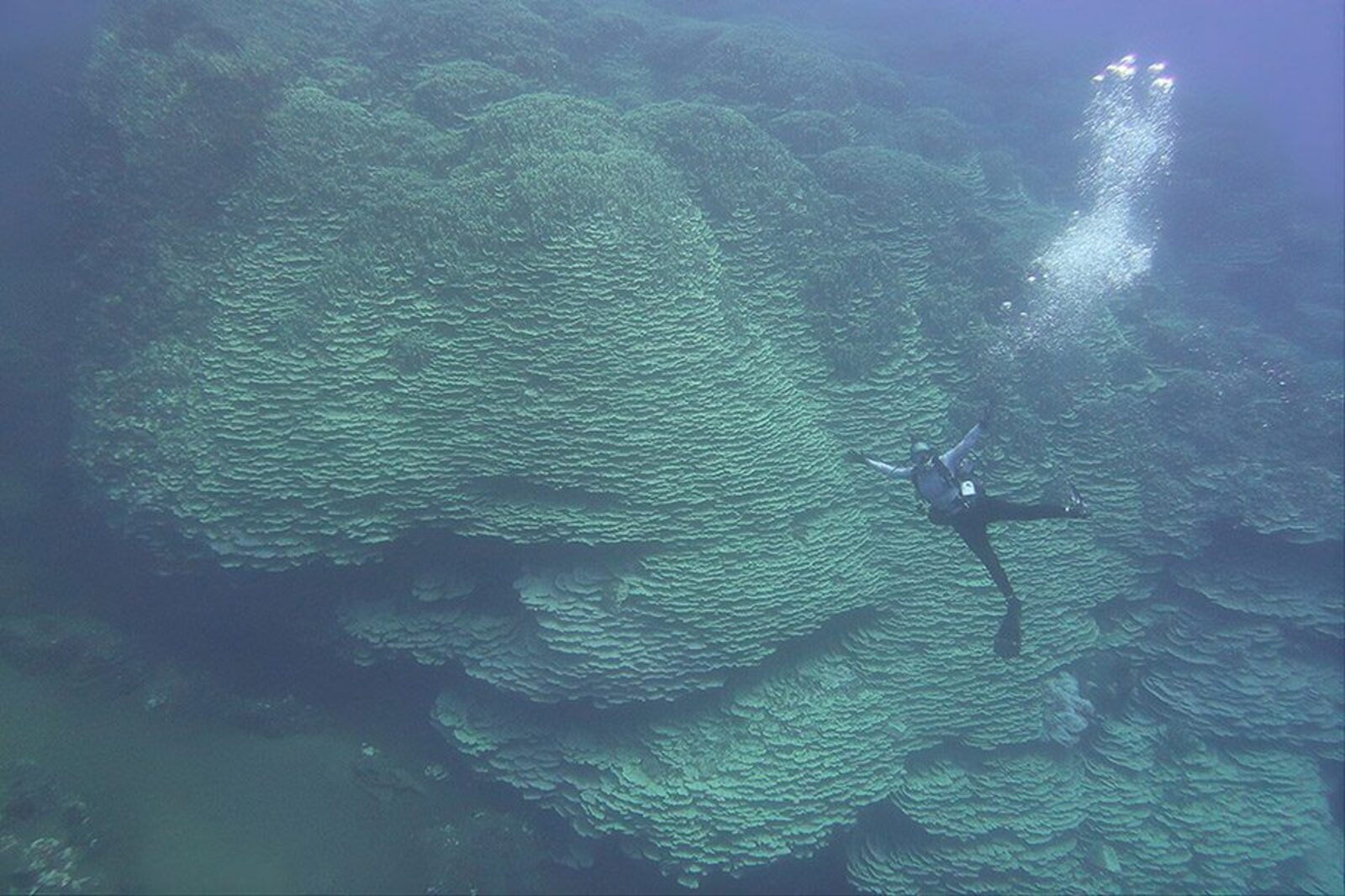


NOAA researchers measured in the Maug Islands the largest Porites coral ever recorded, with 1,347 square meters, in an area crucial for climate studies
NOAA researchers measured in the Maug Islands, in the Mariana archipelago, the largest coral of the Porites genus ever recorded, with about 1,347 square meters and an estimated age of 2,050 years, a discovery that enhances the scientific value of the area.
Unprecedented Measurement
The structure, described by scientists as majestic and cathedral-like, had been known to the local community for some time, but had not yet been properly measured.
The survey surprised the team due to the size achieved by the megacoral.
-
Brazilian Startup Converts Tucumã Seeds into Bioplastic for Bicycle Pedals, Cups, and Construction Materials

-
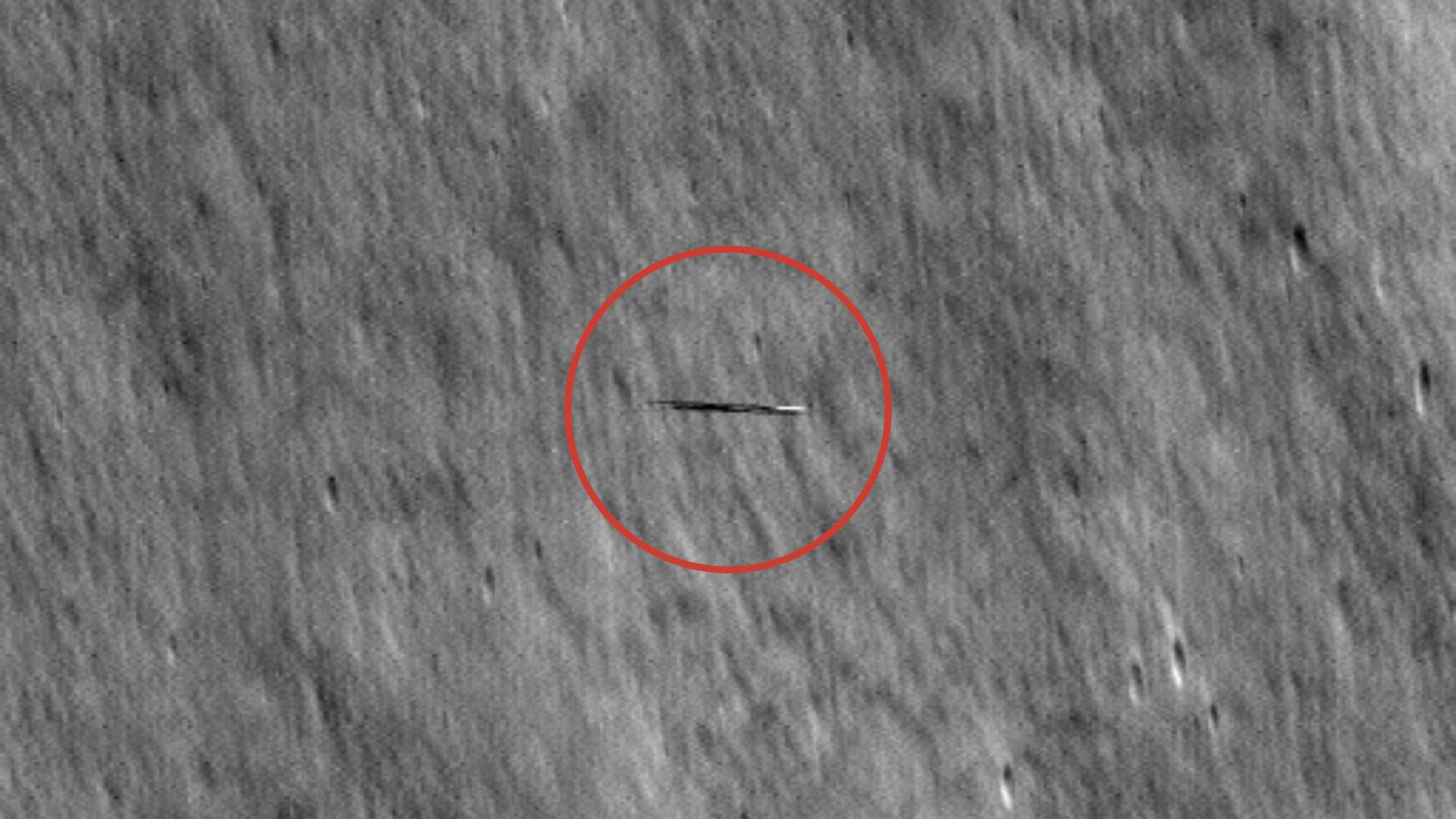
NASA Captures Rare Encounter of South Korean “Surfboard” Spacecraft Crossing Lunar Orbit at Over 11,000 km/h

-
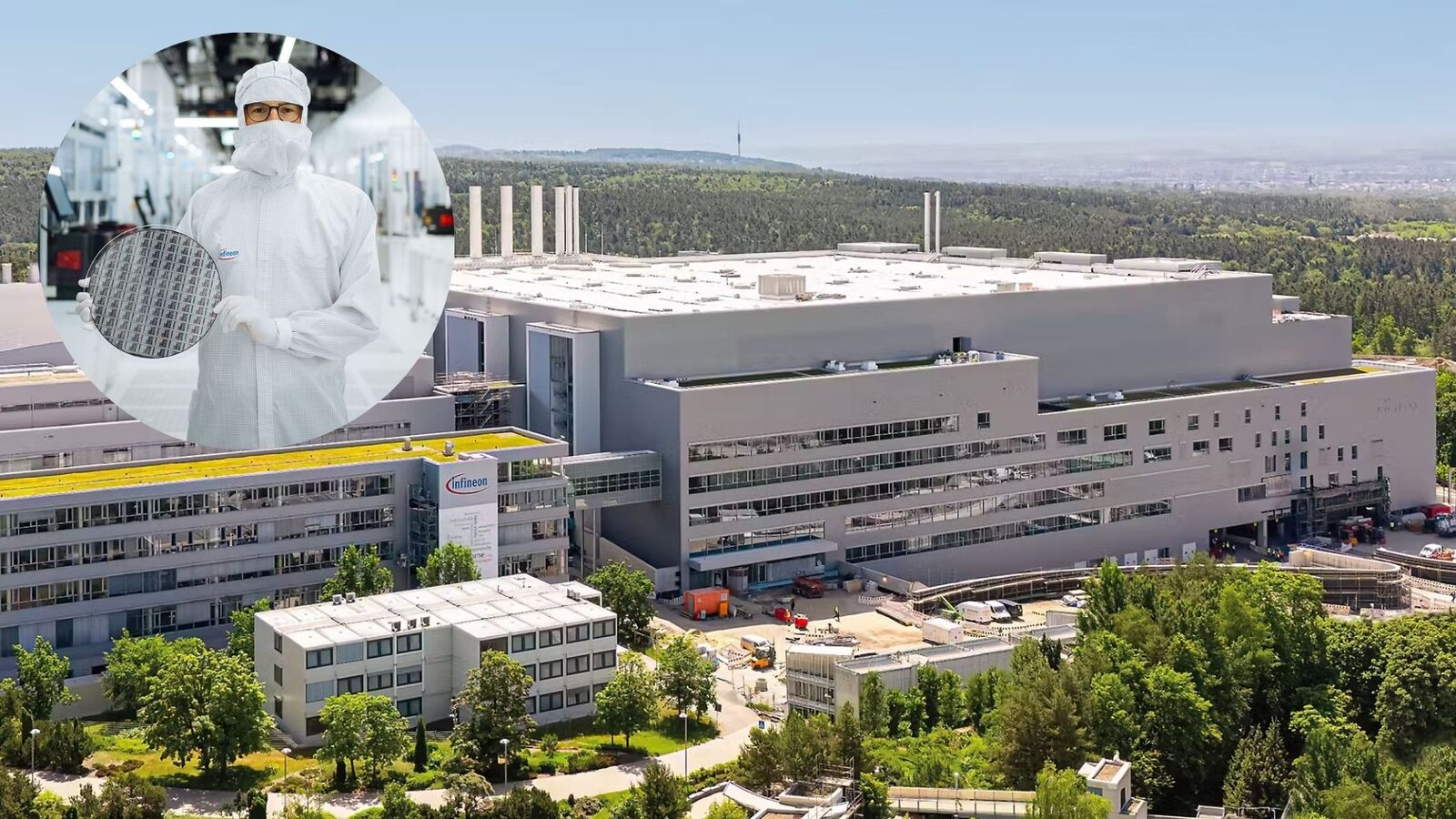
Germany Opens World’s Largest Smart Power Semiconductor Factory with €5 Billion Investment, Creating 1,000 Jobs and Doubling Capacity for AI and Energy Needs

-
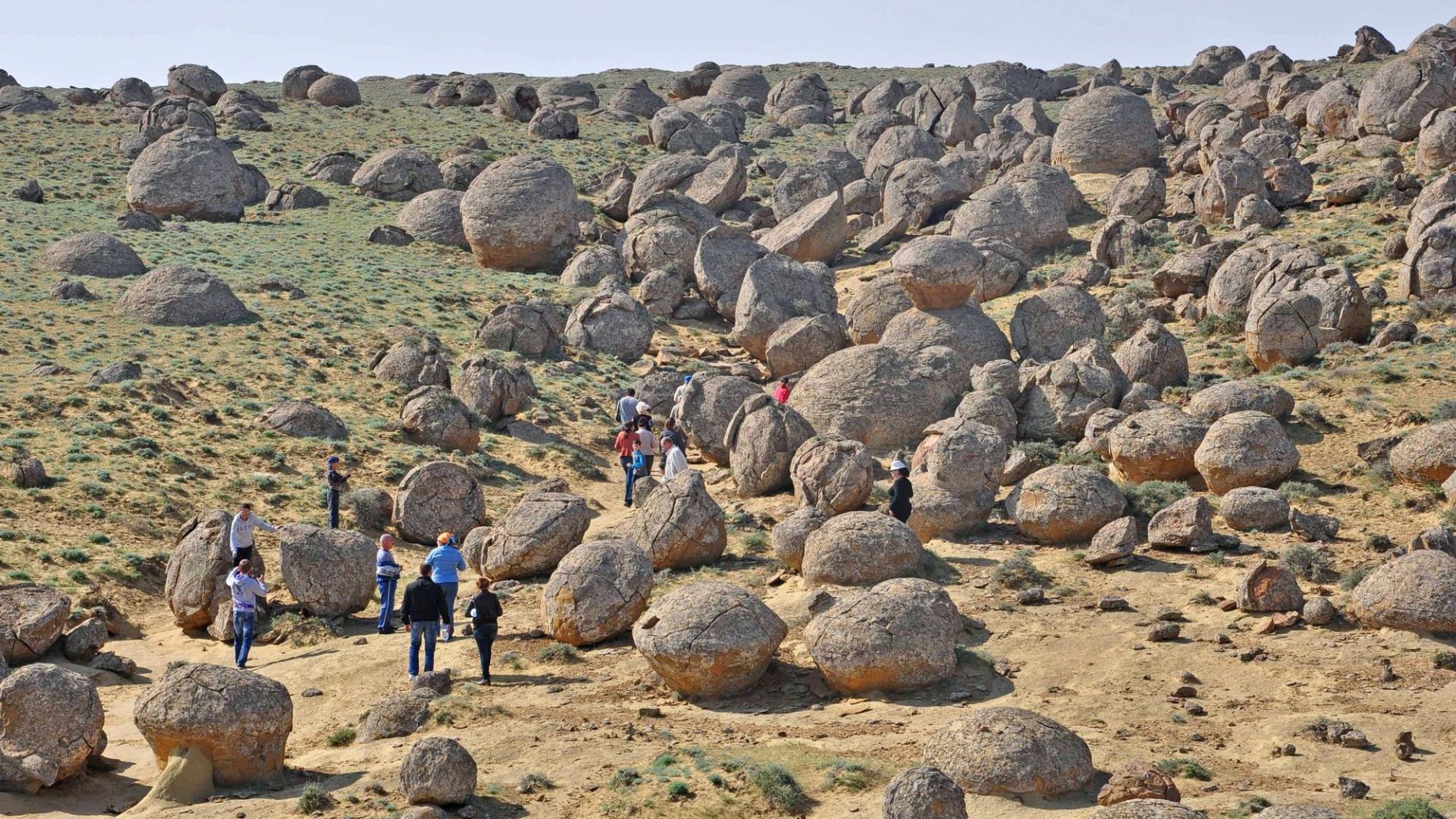
Kazakhstan’s Torysh Valley Holds Thousands of Giant Stone Spheres, Intriguing Scientists with Ancient Oceanic “Cannonballs”
Thomas Oliver stated, in a NOAA statement, that the coral was so large that it could not be easily measured.
Safety restrictions in diving made the work of the researchers difficult during the operation at the site.
Coral Dimensions
According to scientists, the structure is about 31 meters at the top and 62 meters at the base. In addition to the estimated area of 1,347 square meters, the megacoral drew attention for its estimated age of approximately 2,050 years.
Hannah Barkley explained that the age cannot be determined with absolute precision.
Since Porites rus colonies do not produce growth bands like other corals, the estimate considers an outward growth of about one centimeter per year.
Natural Laboratory
The megacoral is located in the volcanic caldera of Maug, an area that scientists classify as a natural laboratory.
The site has unique sources of carbon dioxide, which create regions of high acidity in the ocean and aid in studies on climate change.
In this environment, researchers observe how corals and other organisms may react to these conditions.
The healthy megacoral also contrasts with dead zones located near CO₂ emissions within the same area.
Strategic Region
The Mariana archipelago, of volcanic origin, is located between the Philippines and Japan and is home to the Mariana Trench, known as the deepest point on Earth. For Hannah Barkley, Maug is truly a very special place.
With information from Nautica.