





 Portuguese
  English
  Spanish
  3 min of reading
  0 comments


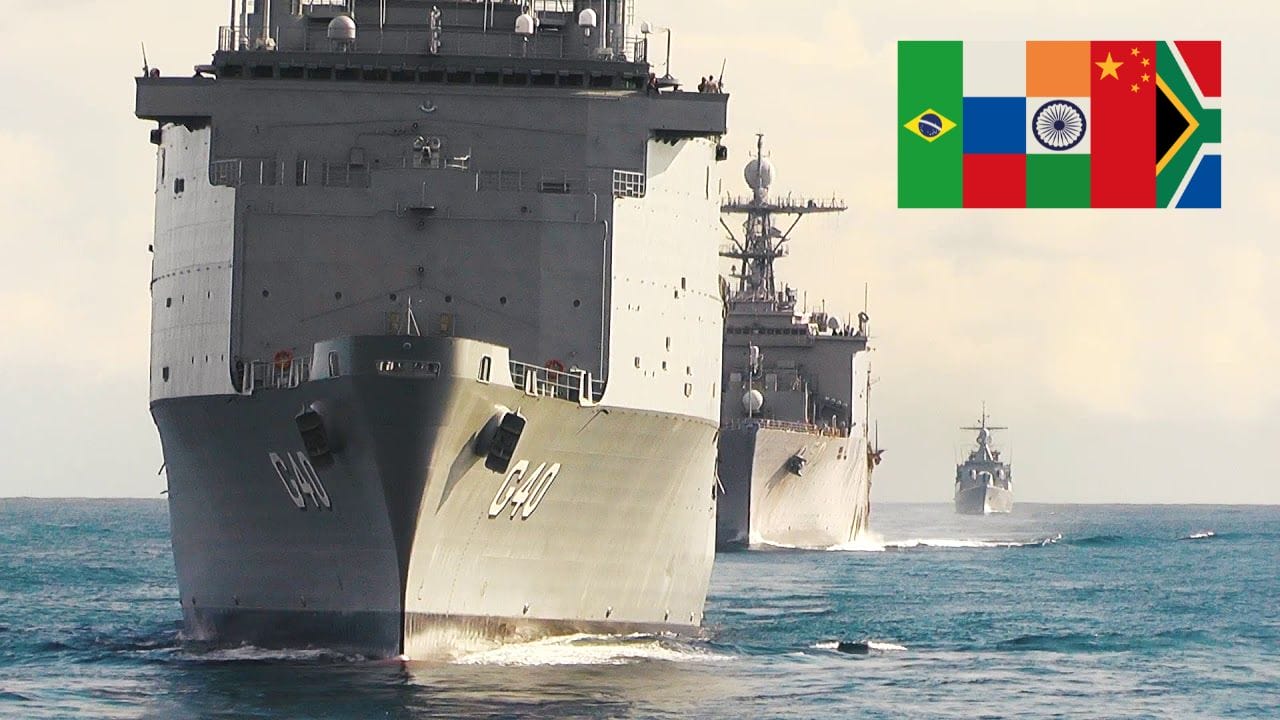
The Brazilian Navy Strengthens Its Naval Expansion with Support from BRICS, Standing Out in Technology and Industrial Capacity, Aiming for Sovereignty Over the Blue Amazon and Reinforcing Its Position as a Regional Naval Power
The Brazilian Navy is on an ambitious journey of naval expansion, aiming to increase its capacity to manufacture vessels of various sizes. In this context, BRICS member countries, especially China, play a key role in consolidating Brazil’s maritime strategy, aiming for autonomy and effective control over its territorial waters.
With an extensive coastline, Brazil is advancing towards self-sufficiency in shipbuilding, developing small, medium, and large vessels. This evolution not only enhances Brazil’s defensive capacity but also demonstrates a significant investment in technology and innovation.
Strategic Cooperation with BRICS for the Brazilian Navy


The collaboration with BRICS nations, such as China and Russia, is crucial for Brazil. These partners offer experience and advanced technology that can accelerate the development of Brazil’s shipbuilding industry and increase its presence on the international stage.
-
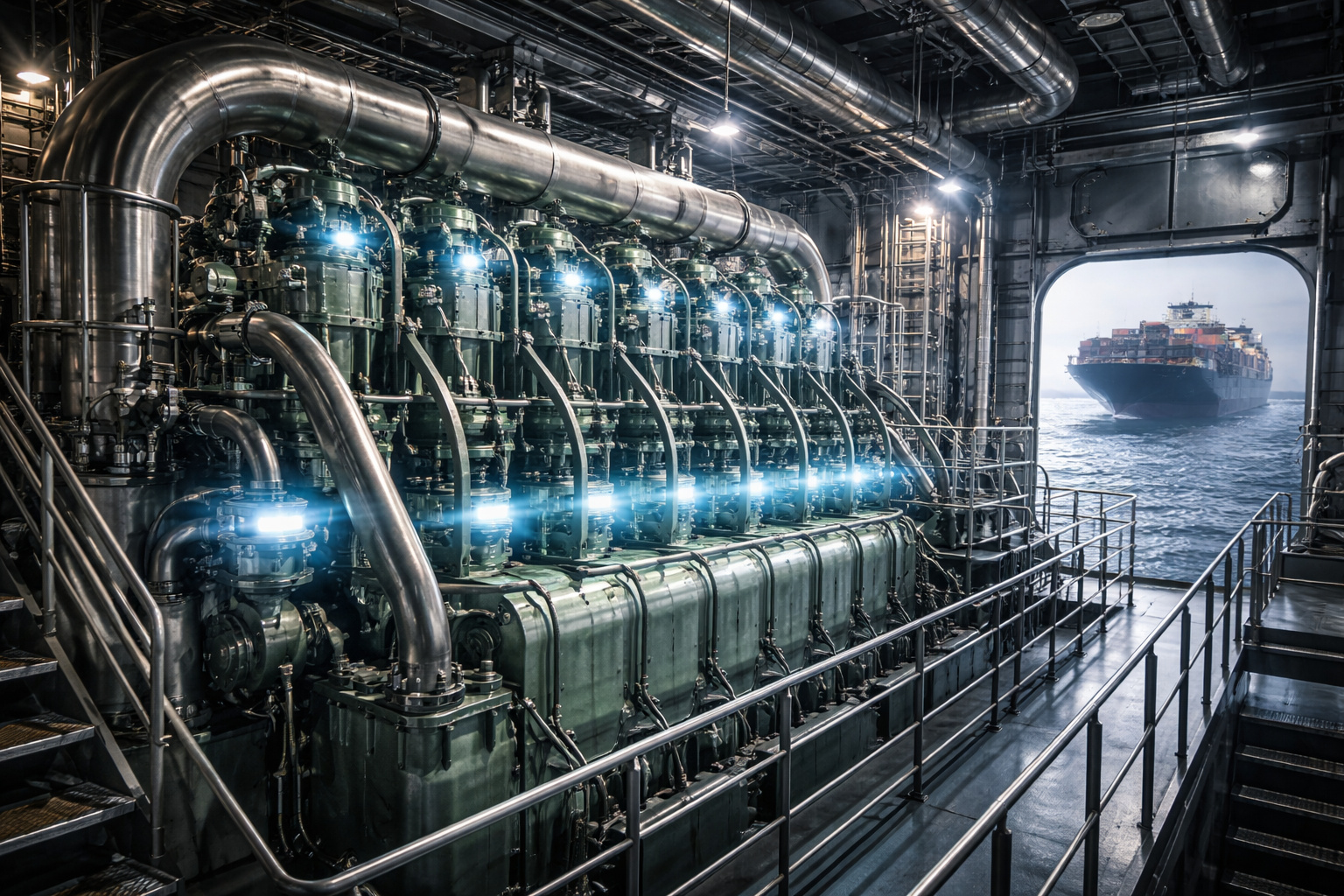
Europe is trying to create an ammonia-powered marine engine without auxiliary fuel, which could unlock the race for giant emission-free ships. The technology aims to eliminate one of the biggest obstacles to clean maritime propulsion.
-
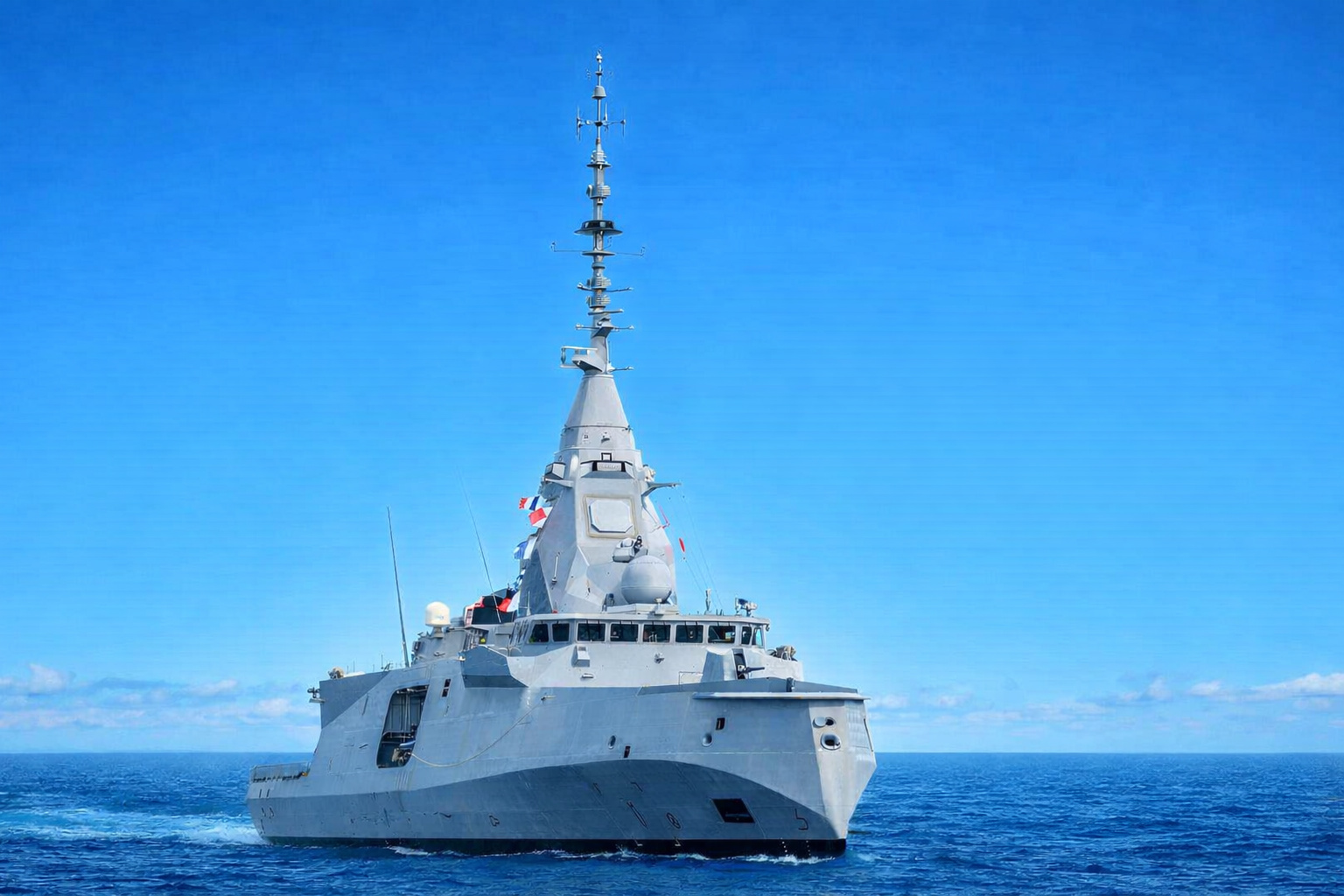
A 4,500-ton frigate with just over 100 crew members, state-of-the-art radar, and cruise missiles is being touted as the new standard of naval warfare in the 21st century.
-
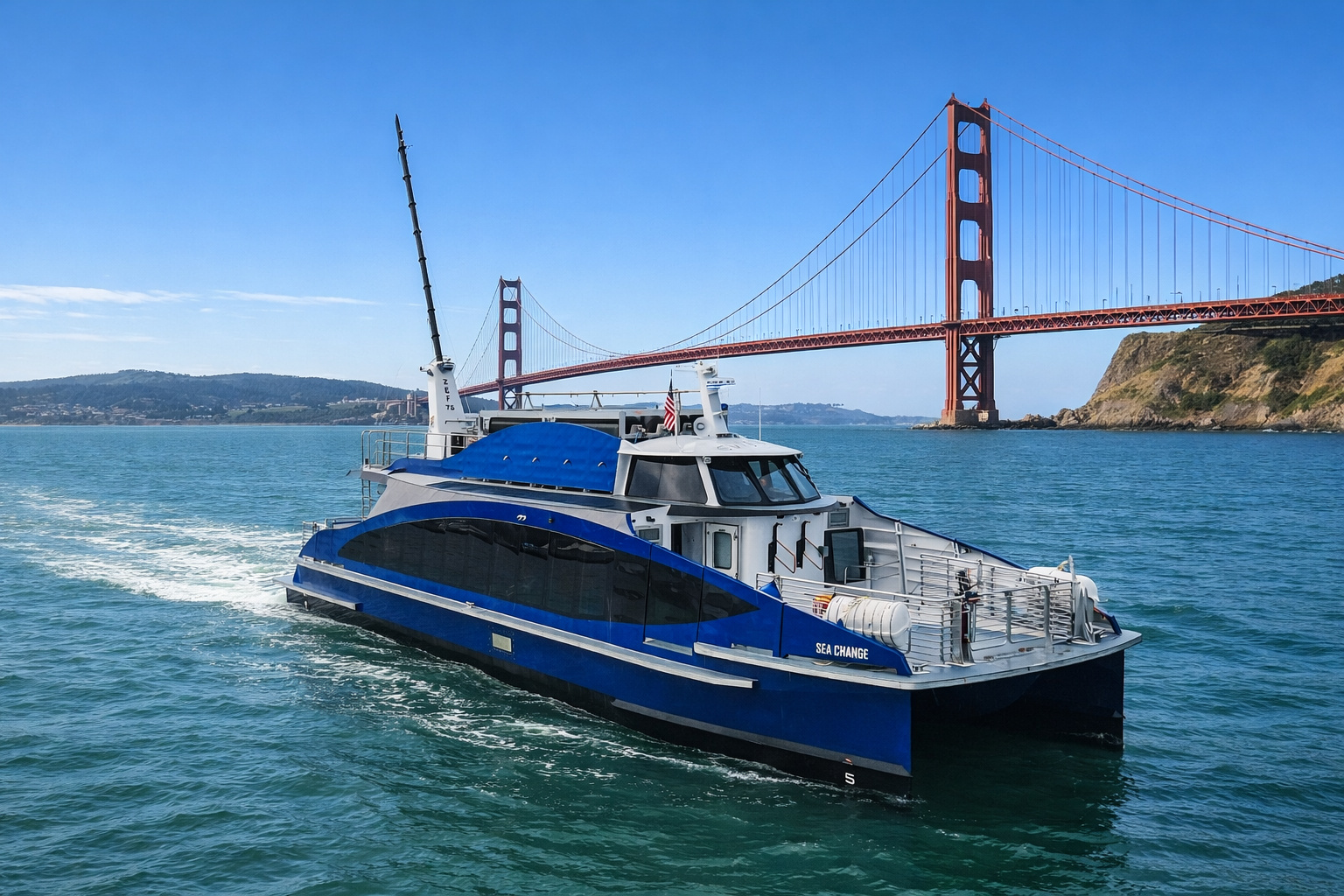
The first commercial hydrogen-powered ferry enters operation in the U.S., eliminates the use of diesel, uses fuel cells to generate clean energy on board, and transforms San Francisco Bay into a landmark of the new era of emission-free navigation.
-
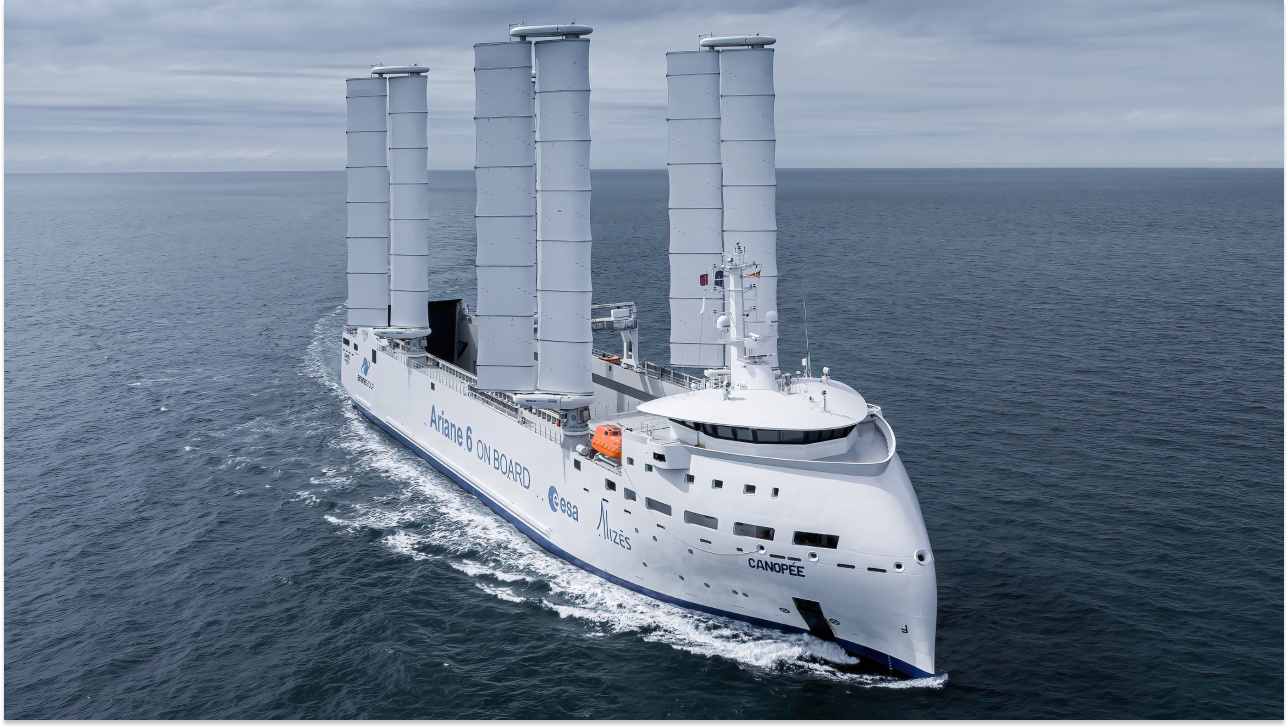
With a length of 121 meters and four rigid sails of 36 meters that automatically rotate to capture the wind, Canopée is the world’s first hybrid industrial cargo ship powered by wind, used to transport rockets and reduce fuel consumption by up to 30% on transoceanic routes.

Projects like Prosub (Submarine Development Program) and the Tamandaré-class frigates are examples of the ongoing modernization. These initiatives reflect Brazil’s intention to update its fleet and improve its operational capabilities.
Challenges and Opportunities for Naval Expansion
Despite the advancements, Brazil faces challenges, such as the need for greater public awareness of the importance of naval investments and budgetary limitations. However, partnerships with BRICS countries emerge as valuable opportunities to overcome these obstacles and strengthen naval infrastructure and technology.
The support from BRICS for the Brazilian Navy symbolizes an era of transformation and naval strengthening, crucial for protecting the vast coastline and maritime resources of the country. With international collaboration and strategic investments, Brazil is positioning itself as a relevant naval power, ready to defend its interests and contribute to regional stability.
What Is the Function of the Brazilian Navy?
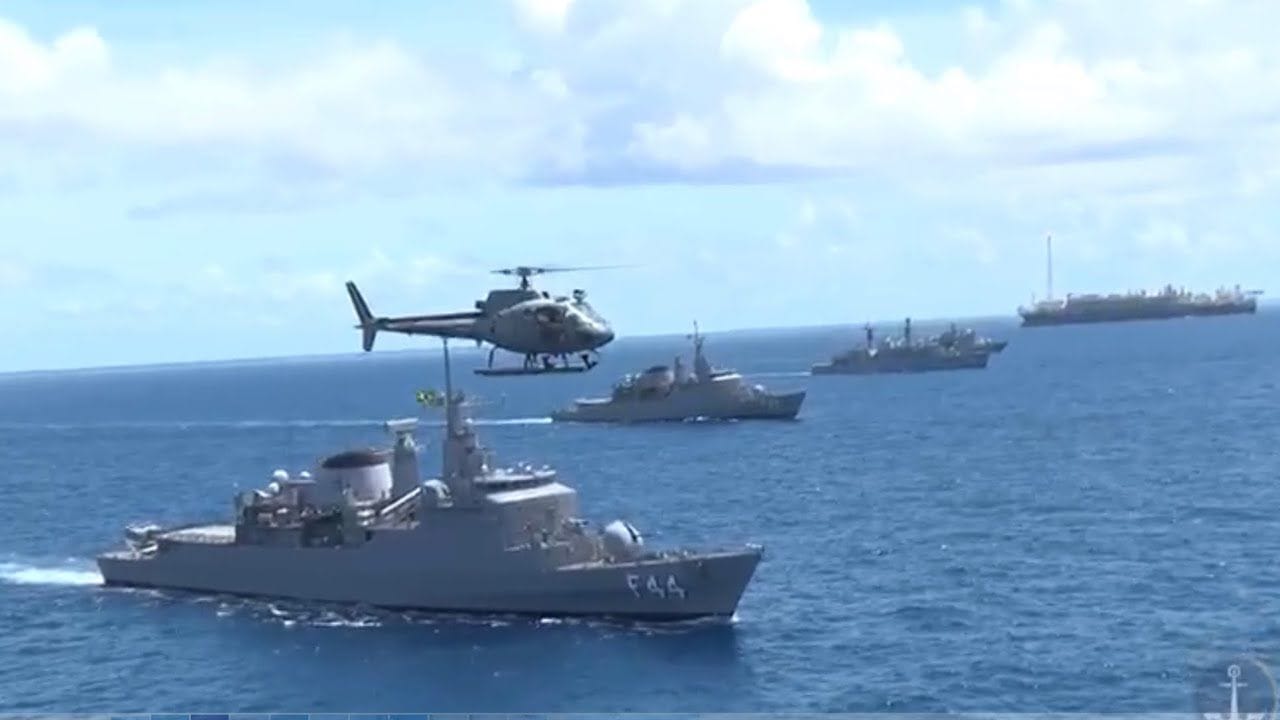
The Brazilian Navy, an essential component of the Armed Forces, has the mission of ensuring national defense, safeguarding sovereignty at sea, and contributing to maintaining internal order. Its role encompasses protecting maritime borders to executing diplomatic and humanitarian tasks.
In addition to protecting Brazilian territorial waters, the Navy is responsible for safeguarding the natural resources of the Blue Amazon, the vast maritime territory that includes Brazil’s exclusive economic zone. It also combats transnational crimes, such as drug trafficking and piracy.
And What About Working in the Brazilian Navy?
Work in the Navy is diverse, encompassing naval operations, maintenance of equipment and infrastructure, marine scientific research, and community support activities. Sailors are trained to operate in different scenarios, both in times of peace and in conflicts, always ready to respond to national or international emergencies.
The Navy operates through a complex network of commands and units, including surface forces, submarines, naval aviation, and Marine Corps troops. Its operations are planned and executed to ensure efficiency and readiness in protecting Brazil’s maritime interests.
The control of the Brazilian Navy is under the authority of the President of the Republic, assisted by the Minister of Defense and the Commander of the Navy. The latter, a high-ranking officer, is responsible for the administration, preparation, and employment of naval forces.








Seja o primeiro a reagir!