





 Portuguese
  English
  Spanish
  5 min of reading
  0 comments


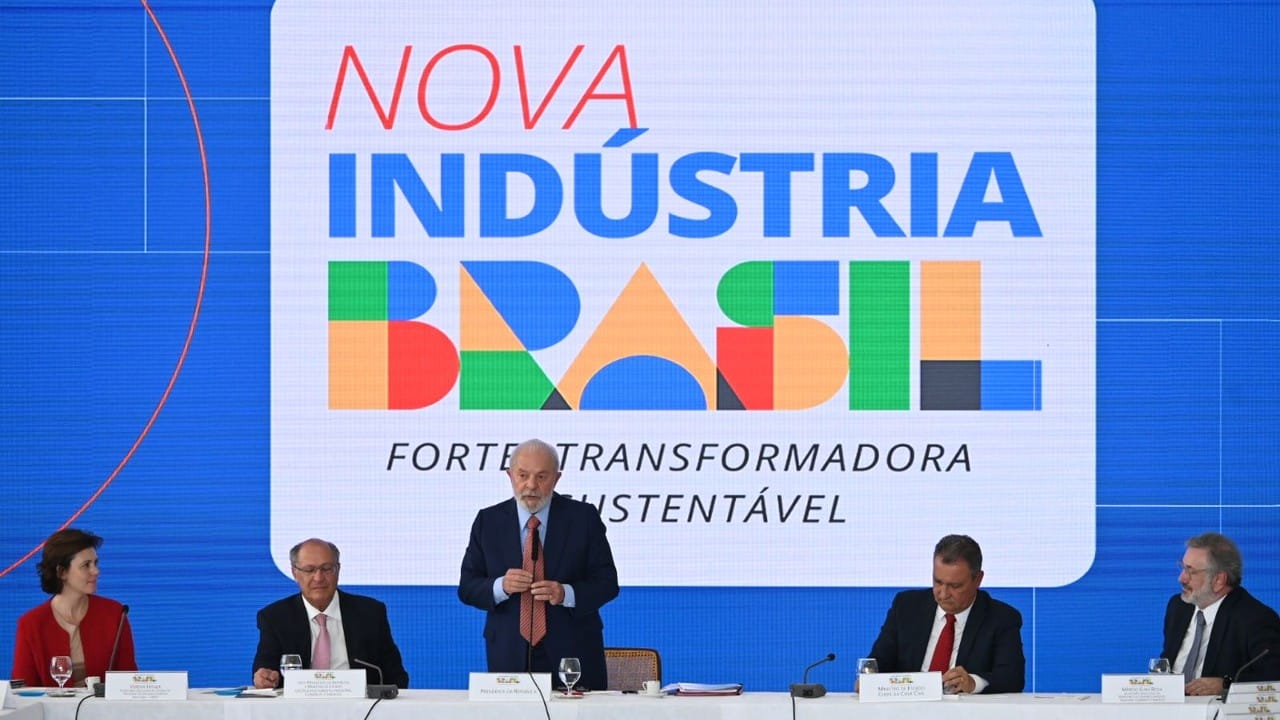
The New Industrial Policy Implemented Will Foster Sustainable, Competitive, and Strategic Development, with Sustainable Investments in Priority Areas.
The National Confederation of Industry (CNI) highlights the importance of the New Brazil Industry, which was presented at a meeting of the National Council of Industrial Development (CNDI), as a milestone for the country’s economic development. The initiative aims to strengthen the national industry and promote job creation, ensuring a promising future for the Brazilian industrial sector.
The New Brazil Industry represents an opportunity for Brazil to advance toward a model of sustainable development, promoting the green industry and stimulating the partnership between government and the private sector. This new modern public policy reflects the government’s commitment to strengthening the national industry, promoting innovation, and enhancing the country’s competitiveness in the international arena.
New Brazil Industry: New Policy of Neoindustrialization and Sustainability
Vice President of the CNI and representative of the entity at the launch ceremony, Léo de Castro emphasized the importance of involving the public sector in the process of resuming the Brazilian industry and reaffirmed CNI’s commitment to the agenda. ‘This is the announcement of a modern public policy that redefines choices for sustainable development, with more investment, productivity, export, innovation, and jobs through neoindustrialization’, he said.
-
With 74% of companies facing difficulties in hiring, technicians and engineers in renewable energy are becoming scarce in Brazil and are essential to support the expansion of solar, wind, and green hydrogen projects.

-
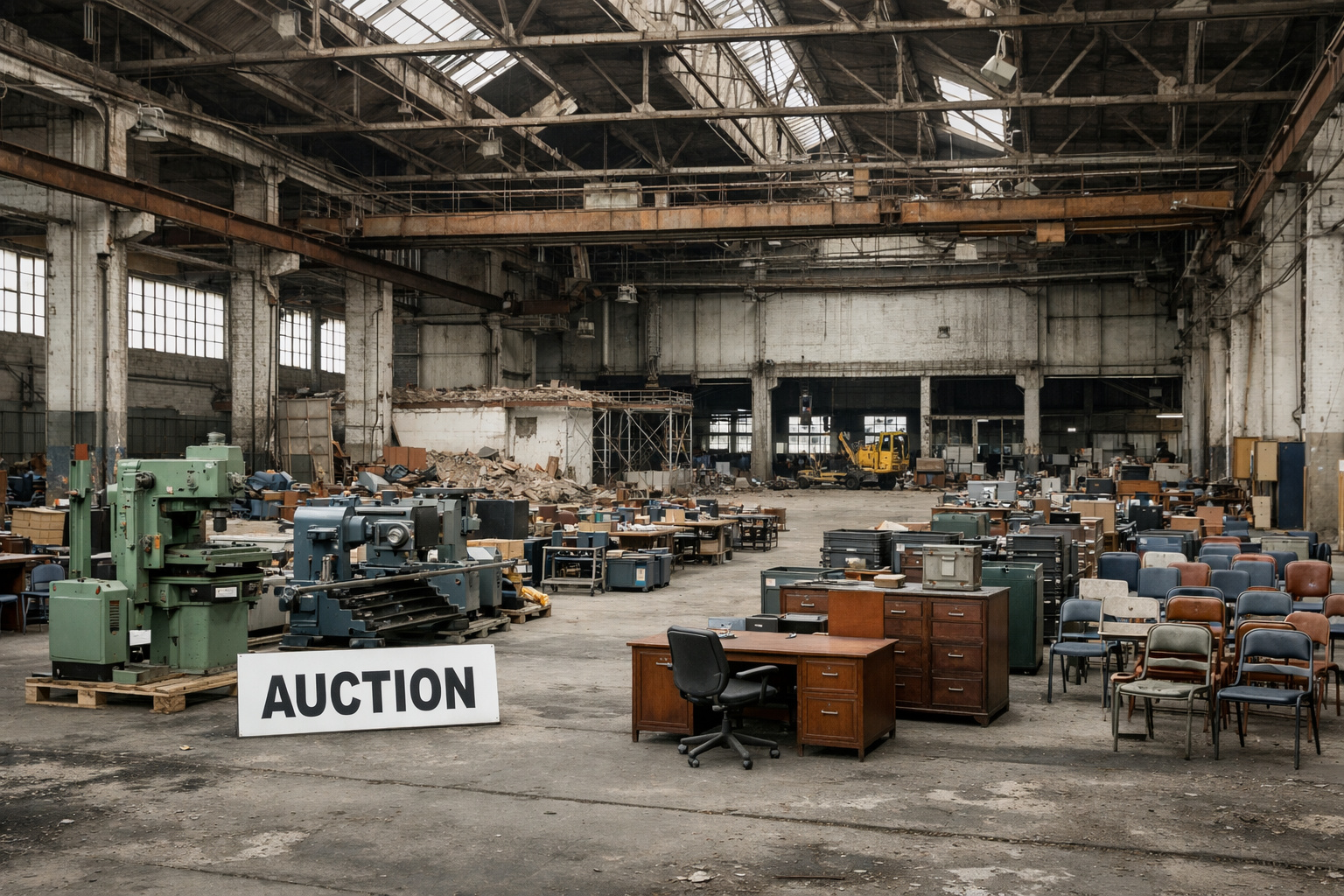
Historic bankruptcy of Centauro shocks the market, and the century-old company puts more than 500,000 products, machines, and complete infrastructure up for online auction.
-
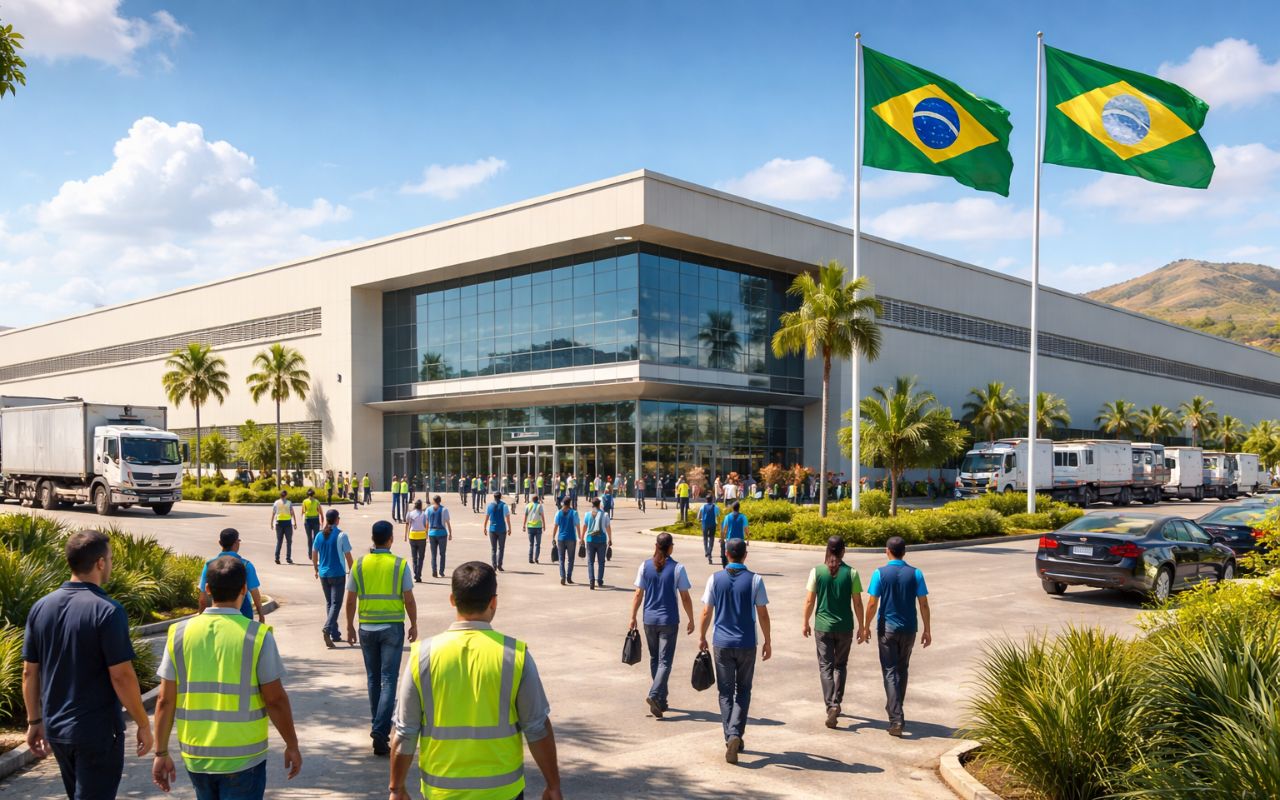
New shoe factory in Ceará is expected to create 400 jobs and strengthen the local economy.
-
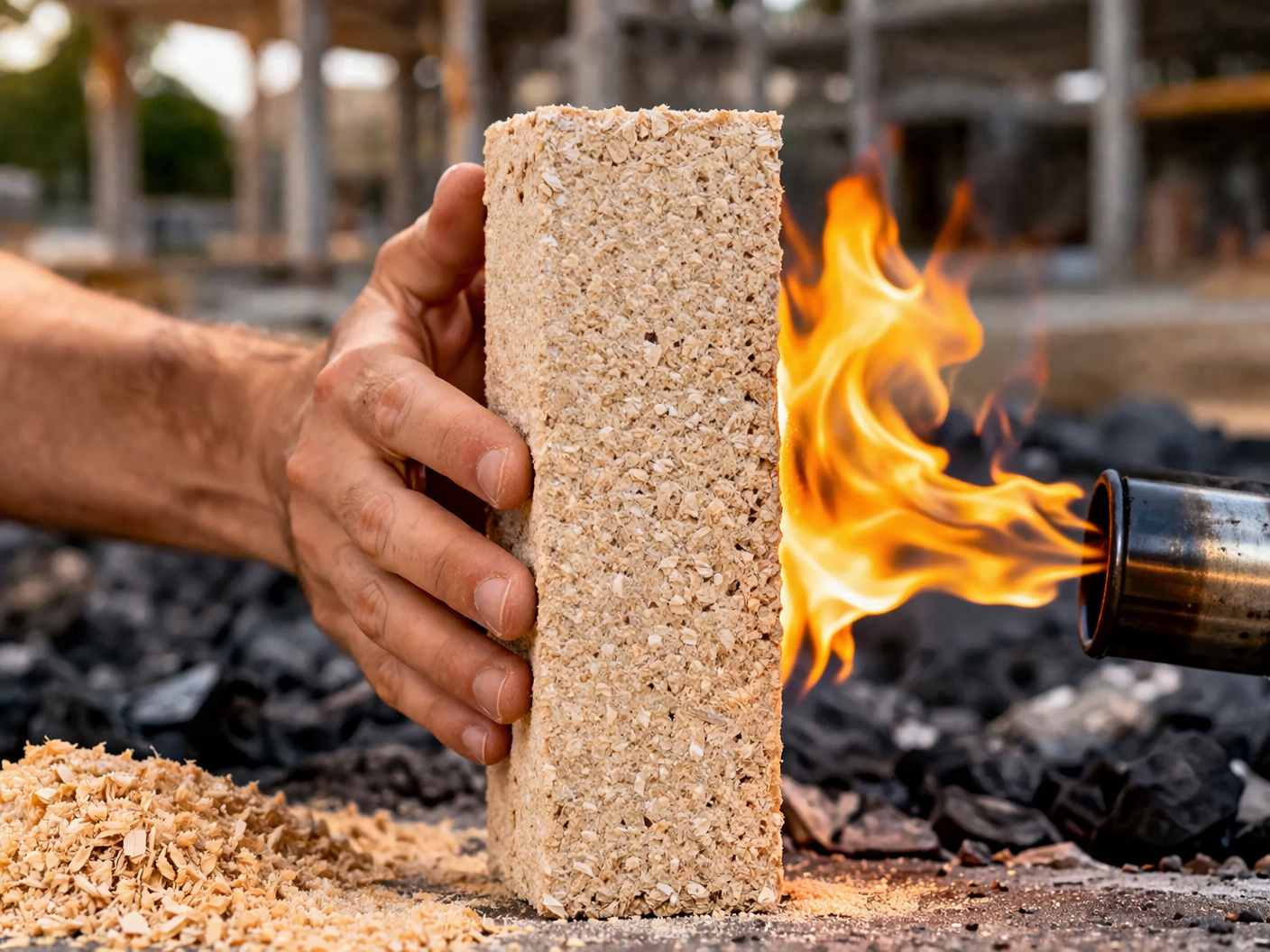
No one imagined it, but a mixture of sawdust with a mineral that fights fires surprises scientists with a result that changes the course of fire-resistant construction.

‘The Brazilian industry needs modern instruments similar to those that promote industry in leading nations. We need to reposition the industry at the center of the strategy for development, so we can regain higher growth rates and provide a consistent path aligned with what developed countries are doing’, he added.

Sustainable Development and New Policy of Neoindustrialization
Director of Industrial Development and Economy at CNI, Rafael Lucchesi evaluated the new industrial policy as very positive. For him, the set of programs included in the industrial policy missions has the potential to allow Brazil to seize the opportunities brought by the necessary decarbonization of the economy, allowing the Brazilian industrial sector to lead the sustainable development process with social inclusion and reduction of inequalities.
‘We see a great window of opportunity in the world today for decarbonizing Brazilian production chains around the green industry, in a context where Brazil presents several opportunities. We have advantages to advance in the economic activities that add the most value, such as the developed economies have been making through modern industrial policies’, he states.
New Policy of Neoindustrialization: Partnership Between Government and the Private Sector
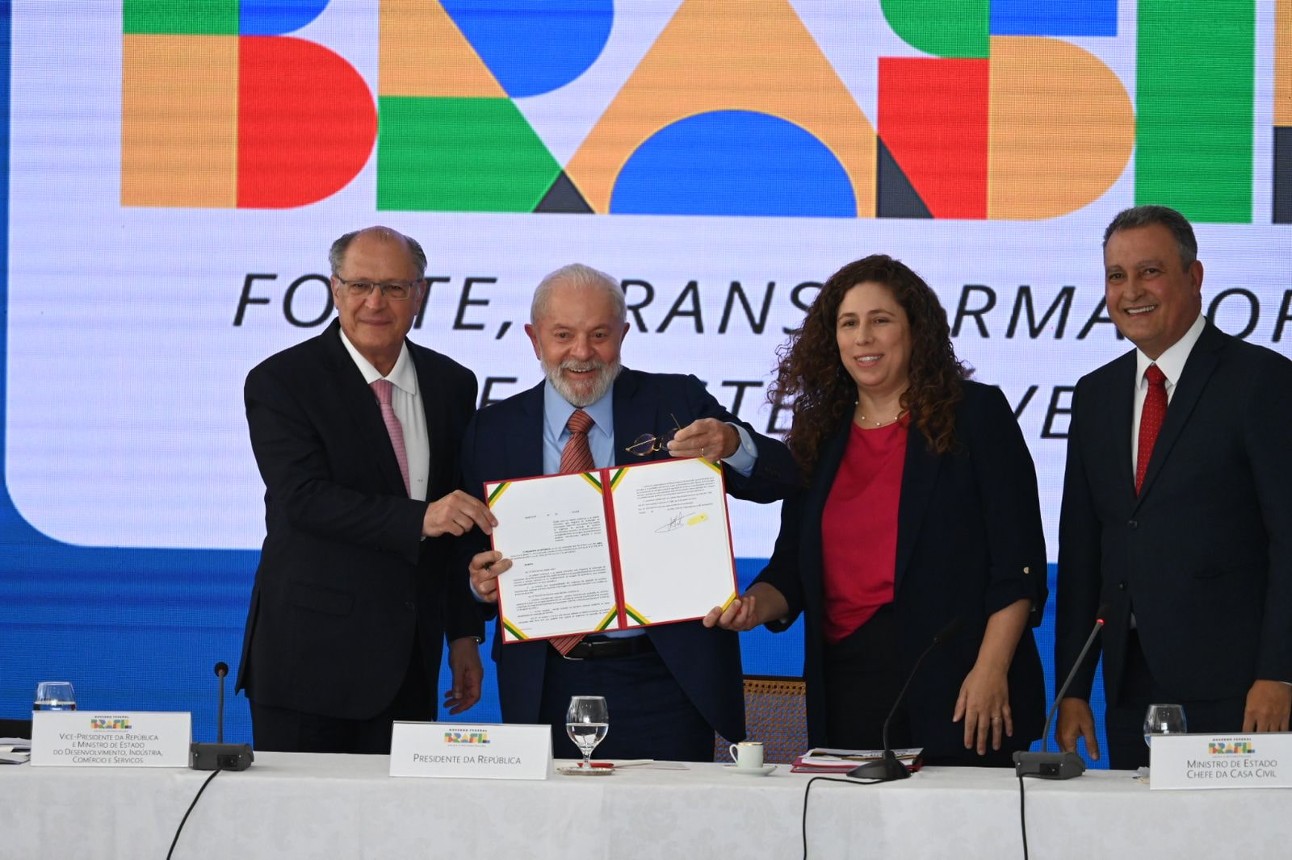
The event was attended by the President of the Republic, Luiz Inácio Lula da Silva, the Vice President and Minister of Development, Industry, Commerce and Services (MDIC), Geraldo Alckmin, and representatives from the private sector and ministers participating in the CNDI. ‘With this meeting, we can say that Brazil has finally brought together a group of people who will ensure that an industrial policy happens, in a partnership between the private initiative and the public power’, said President Lula.
Alckmin presented the main guidelines of the New Brazil Industry and reinforced the importance of this moment for the country. He also reaffirmed the government’s commitment to make Brazil more competitive and innovative. ‘This policy represents a vision for the future, a declaration of confidence in our ability to compete and lead strategic areas in the world’, he affirmed.
- Understand here what the CNDI is and what it has to do with the new industrial policy
According to the federal government, R$ 300 billion will be allocated for financing the plan by 2026. In addition to the R$ 106 billion announced at the first CNDI meeting in July, another R$ 194 billion have been incorporated from different sources and redirected to support the financing of the priorities of the New Brazil Industry.
Along the lines of the Industry Recovery Plan, submitted by the CNI to the government last year, the New Brazil Industry defines goals for each of the six missions that guide the work until 2033. Priority areas for investments have been defined, along with a set of actions that involve the cooperation of CNDI members, both government and the national productive sector.
New Goals of the New Brazil Industry
Mission 1: Sustainable and Digital Agro-Industrial Chains for Food, Nutritional, and Energy Security
To achieve the goals of this mission, some priorities include manufacturing equipment for precision agriculture, agricultural machinery for large-scale production, and enhancing and optimizing the productive capacity of family farming for healthy food production.
Mission 2: Resilient Health Industrial Economic Complex to Reduce Vulnerabilities of the SUS and Expand Access to Health
The goal is to increase national production participation from 42% to 70% of national needs for medicines, vaccines, medical equipment, and devices, among others, contributing to strengthening the SUS and improving the public’s access to health.
Mission 3: Sustainable Infrastructure, Sanitation, Housing, and Mobility for Productive Integration and Well-Being in Cities
One of the proposals is to increase the participation of Brazilian production in the sustainable public transport industry chain by 25 percentage points. For reference, it currently represents 59% of the electric bus chain.
Mission 4: Digital Transformation of the Industry to Increase Productivity
For 90% of Brazilian industrial companies (currently 23.5%) to be digitized and for the participation of national production in new technology segments to be tripled, investment in Industry 4.0, development of digital products, and national production of semiconductors is needed, among others.
Mission 5: Bioeconomy, Decarbonization, and Energy Transition and Security to Ensure Resources for Future Generations
One of the objectives for ecological transformation in the industry is to increase the industry’s use of biodiversity, while also reducing carbon emissions from the national industry by 30%, which currently stands at 107 million tons of CO2 per trillion dollars produced.
Mission 6: Technologies of Interest for National Sovereignty and Defense
The goal is to achieve autonomy in the production of 50% of critical technologies to strengthen national sovereignty. Thus, the priority will be for actions aimed at developing nuclear energy, communication and sensing systems, propulsion systems, and autonomous and remotely controlled vehicles.
Source: Portal da Indústria








Seja o primeiro a reagir!