Portuguese
  Spanish


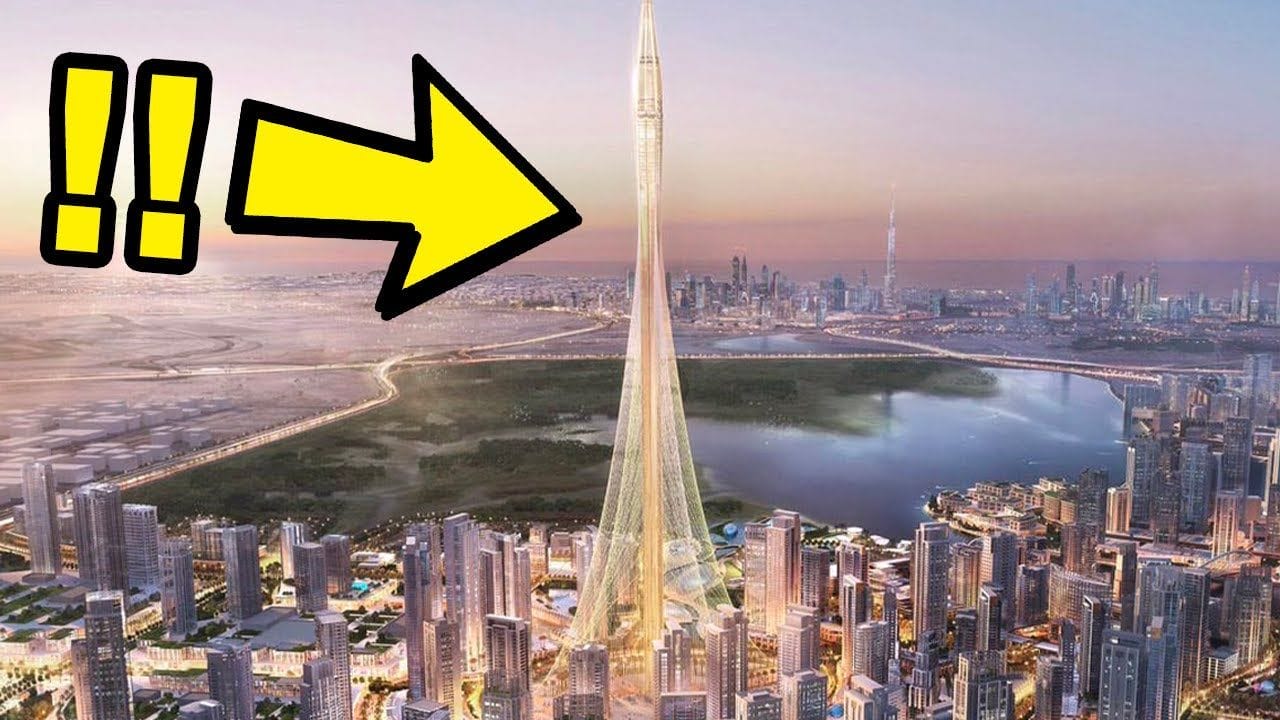

With the Resumption of Construction of the Dubai Creek Tower, Expected to Be the Tallest Structure in the World, Dubai Rekindles Global Competition for the Construction of the First One-Kilometer Tall Skyscraper.
The announcement of the resumption of construction of the Dubai Creek Tower, after the suspension due to the COVID-19 pandemic, marks a new chapter in the global race to build the first one-kilometer tall structure. This development follows the recent announcement from Saudi Arabia about the continuation of the construction of the Jeddah Tower, establishing a fascinating architectural rivalry between the two nations.
The Dubai Creek Tower, initially revealed in 2016, was designed to surpass not only the Burj Khalifa, the current tallest building in the world also located in Dubai, but also the Jeddah Tower, which is designed to slightly exceed the 1,000-meter height mark. Although work was interrupted in 2020, Emaar Properties, responsible for the development, had already completed the foundations of the tower two years after construction began. However, the construction of the main structure had yet to start, partly due to the search for a contractor for the project.
The Growing Economy of Dubai Creek Harbour
Dubai Creek Harbour, the high-end district surrounding the tower, has continued its development despite uncertainties about the future of the tower. This district is located along the historic Dubai Creek and, once completed, will house around 200,000 permanent residents, in addition to accommodating tens of thousands of tourists.
-
Up to 60 concrete mixer trucks pour 380 m³ of concrete onto the “big slab” of Niemeyer’s first work in Amazonas, in a decisive stage of the construction of the monumental oca that will mark the Parque Encontro das Águas in Manaus.

-
Alert in Santa Catarina: the Anita Garibaldi Bridge on BR-101 is completely closed in both directions due to “structural risk,” and drivers are diverted to a 20 km/h detour that promises kilometer-long queues until July 20.

-
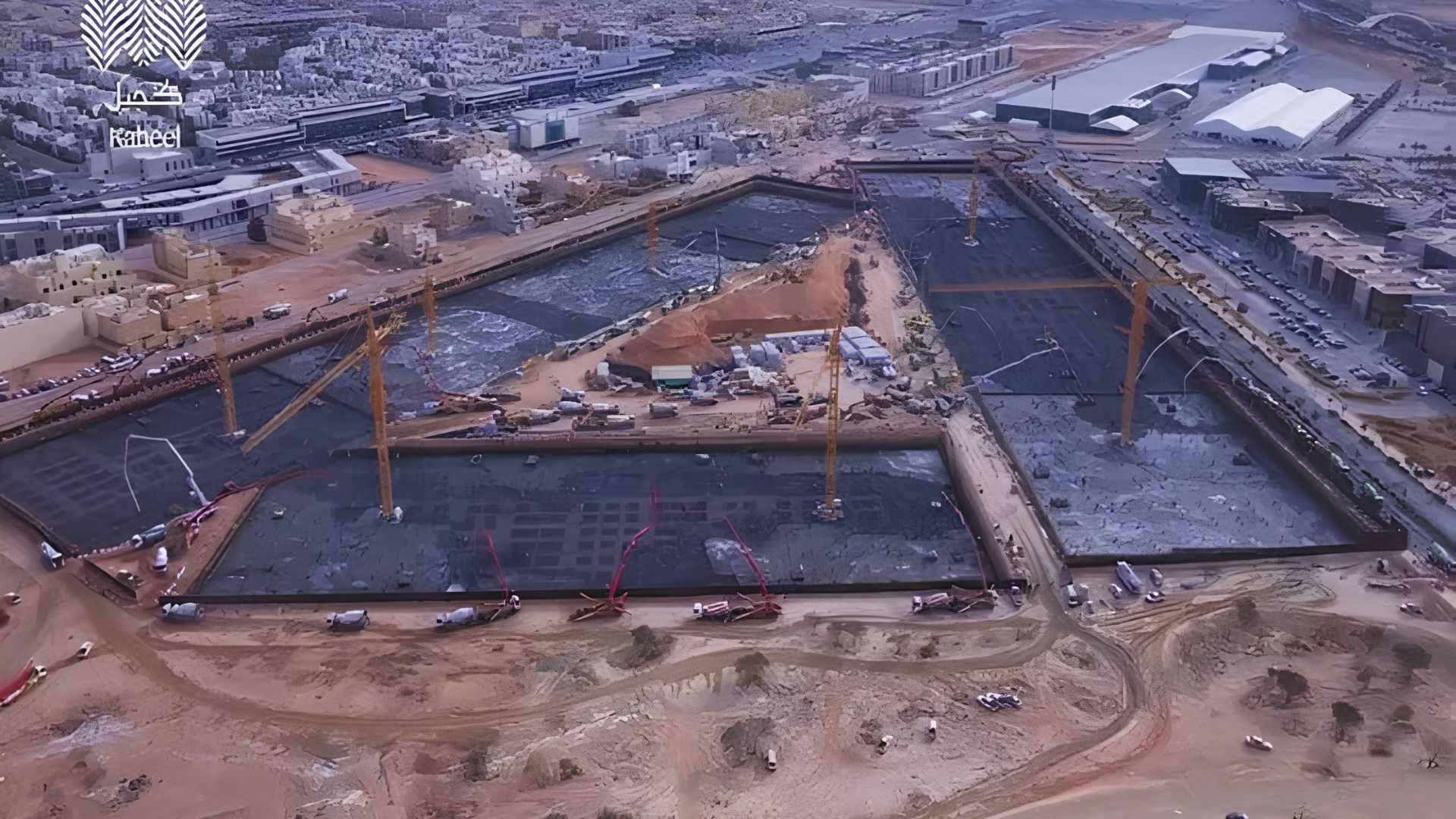
More than 6,000 trucks poured nearly 70,000 cubic meters of concrete without interruption for 72 hours to create the largest continuous concrete pour in history and erect a megaproject in Saudi Arabia.
-
28-meter, 156-ton titans traveled 20,000 km from China to the port of Santa Catarina: Portonave received 7 fully electric megacranes, part of a R$ 210 million package, to double container handling.



Now, after three years of silence, Emaar Properties has announced that the Dubai Creek Tower is being redesigned by an undisclosed international firm. Mohamed Alabbar, founder of Emaar, described the new design as one that “will Elevate Grandeur and Impact” of the project. The expectation is that the new concept will be finalized by April next year, with the construction of the tower restarting a year later.


Construction of the Tower in the Shortest Time Possible
The exact reason for the sudden and unexpected redesign is not entirely clear, but it may be related to pressure from shareholders and executives of Emaar Properties. Interestingly, despite a 25% increase in the company’s sales over the past year and expansion of its projects, Emaar is scaling back the project to complete construction in the shortest possible time.
Regarding the construction of a skyscraper like the Dubai Creek Tower, stability is a critical factor. Strategies such as a three-axis foundation, similar to that of the Burj Khalifa, and a sleek, tapered exterior help to enhance stability. A tuned mass damper is also employed to reduce vibrations caused by strong winds.
In addition to stability, occupant safety is a priority. Modern structural monitoring systems ensure the integrity of the building by monitoring wind speed, sway, fire safety, and hydraulics. Aesthetically, the Dubai Creek Tower aims to be an architectural landmark, with a network of steel cables adding a unique silhouette to the design.
In short, the resumption of construction of the Dubai Creek Tower is a significant event in the world of architecture and construction. With the Jeddah Tower also restarting its work, the race to complete the first one-kilometer tall structure is officially back on. This project promises not only to transform the landscape of Dubai but also to set new standards in skyscraper engineering and design.