Portuguese
  Spanish


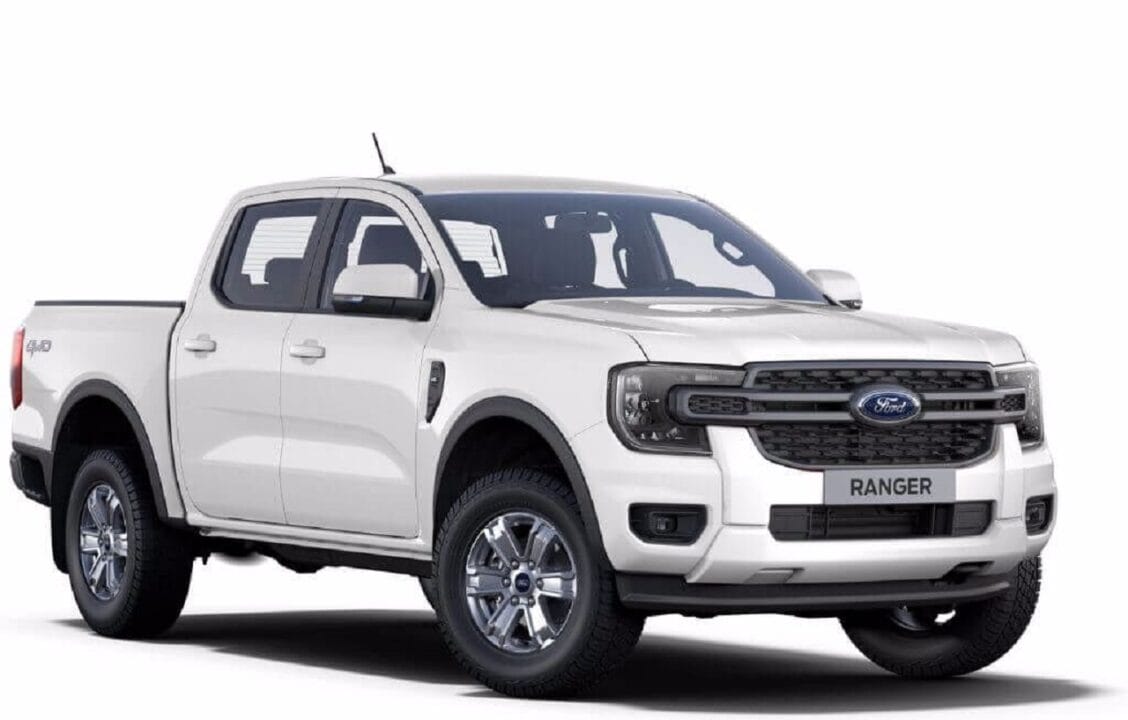

Ford Unveils Plans To Launch The New Ranger XLS V6 Pickup In The Brazilian Market, Aiming To Compete With Toyota And Chevrolet, Highlighting Its Affordable Price And Exceptional Performance.
Originally, Ford had not planned to include a 3.0 V6 engine in the Ranger XLS lineup when the pickup was launched a few months ago. Until recently, the company had reserved this engine configuration only for the XLT and Limited models, which are the most expensive in the series. However, surprising everyone, the automaker decided to expand its offering by introducing a more affordable V6 version of the Ranger XLS to the market.
New Ford Ranger XLS V6 Delivers Up To 250 Horsepower


This decision is easy to understand when we compare the Ranger with its rivals. The new Ford Ranger XLS V6 costs R$ 279,990 and competes with the Toyota Hilux SRV, which is priced at R$ 289,990. In the Chevrolet S10 lineup, the new configuration is positioned between three versions: Z71 and Midnight, both at R$ 278,400, and LTZ, which sells for R$ 289,990. Thus, Ford is almost always cheaper than its rivals. And in all cases, it clearly wins on the mechanical package.
The Ranger uses the 3.0 V6 engine that delivers up to 250 horsepower and 60 kgfm of torque, in a category where direct competitors have more modest figures. Coincidentally, both the Hilux and S10 are equipped with 2.8 turbodiesel engines, with 200 horsepower and 50 kgfm of torque. Moreover, the upgrade is evident in the transmission, considering that the Ranger uses the same ten-speed automatic gearbox from the Mustang, while the Toyota Hilux and Chevrolet S10 use more rudimentary six-speed gearboxes.
-
Classic Volkswagen Beetles of Brazilian Presidents to Swap Museums in Historic Partnership

-
British Factory Transitions from Mechanical Parts to Producing 420,000 Electric Power Units Annually, Supplying 70% of Ford’s Electric Cars Sold in Europe
-
Toyota Shifts from Hybrid Cars to Electric Air Taxis with Joby’s 6-Rotor Aircraft, Capable of 322 km/h, Aiming for Mass Production to Electrify Urban Skies

-
Ferrari Unveils Limited Edition 12Cilindri Manuale: 6.5-Liter V12, 830 HP, 0-100 km/h in 2.9 Seconds, Top Speed Over 340 km/h, Only 1,499 Units Available


Technologies Included In The New Ford Ranger XLS V6
In terms of equipment, the new Ranger XLS V6 lost some features from the XLT to become more accessible and compete with rivals. The list of cuts includes power-adjustable seats, a leather-wrapped steering wheel, folding mirrors, LED fog lights, front parking sensors, and an electrochromatic rearview mirror.
As expected, items that already equip the 2.0 versions of the Ranger XLS continue to be offered. Included are the 10-inch Sync 4 multimedia center, rear ventilation outlets, wireless phone charger, remote start and air conditioning activation, driving mode selector, rearview camera, rear parking sensor, and LED headlights.
The only difference inside the new XLS V6 is the shift knob, which has a joystick style, like the more expensive options. Other than that, the structure of the pickups is basically identical. Behind the wheel, the impression is positive, as the new Ford Ranger XLS V6 provides a smooth ride, and the cabin is surprisingly quiet due to sound insulation. The new platform absorbs engine vibrations well.
New Ford Pickup Also Focuses On Fuel Economy
Its suspension has appropriate stiffness, and it usually does not bounce. However, the highlight is the automatic transmission, which prioritizes the first six gears to keep the RPMs low. Above 90 km/h, the four remaining gears engage as overdrive to attempt to lower the model’s consumption. According to information from Inmetro, the new Ford Ranger XLS V6 can achieve 8.9 km/l in the city and 10.2 km/l on the highway.
It’s important to note that the vehicle is very well positioned against rivals with inferior engines. The good equipment, design, and driving comfort also justify its purchase. Whether the pickup will be a sales leader is another story, and that will depend on price adjustments in the coming months.