





 Portuguese
  English
  Spanish
  4 min of reading
  0 comments


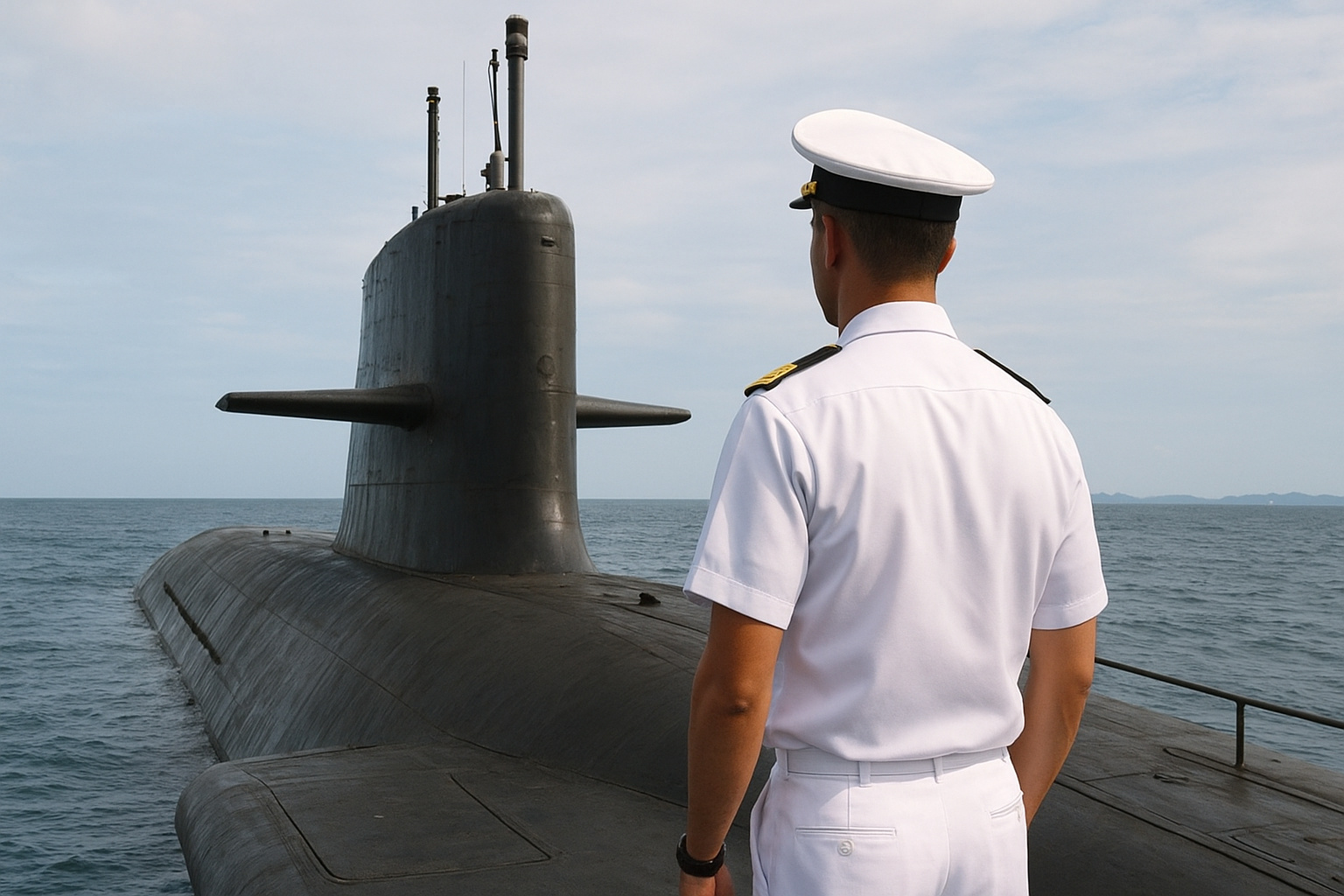
Brazil and Argentina Took a Historic Step on Tuesday. The Brazilian Navy, through the Naval Secretariat of Nuclear Safety and Quality (SecNSNQ), Signed the First International Memorandum Focused on Naval Nuclear Regulation with the Nuclear Regulatory Authority of the Argentine Republic (ARN).
The objective of this agreement is to unite technical efforts, promote information exchange and harmonize licensing and inspection practices in maritime and river environments — an important step to ensure the safe and efficient use of nuclear energy on ships or platforms.
For decades, Brazil and Argentina have maintained cooperation in the nuclear field.
The new memorandum follows previous agreements, such as the one signed in 1980, which established the foundations for the peaceful use of atomic energy. Now, with a naval focus, the understanding evolves to encompass contemporary challenges related to safety, the environment, and technological innovation.
-
Urgent energy transition: Greenpeace advocates for massive investments and points to Brazil as a global leader in wind energy production in the coming years.

-
Conflict in the Sertão: Rural communities in Rio Grande do Norte report issues with wind farms and the new challenges of clean energy in the semi-arid region.
-
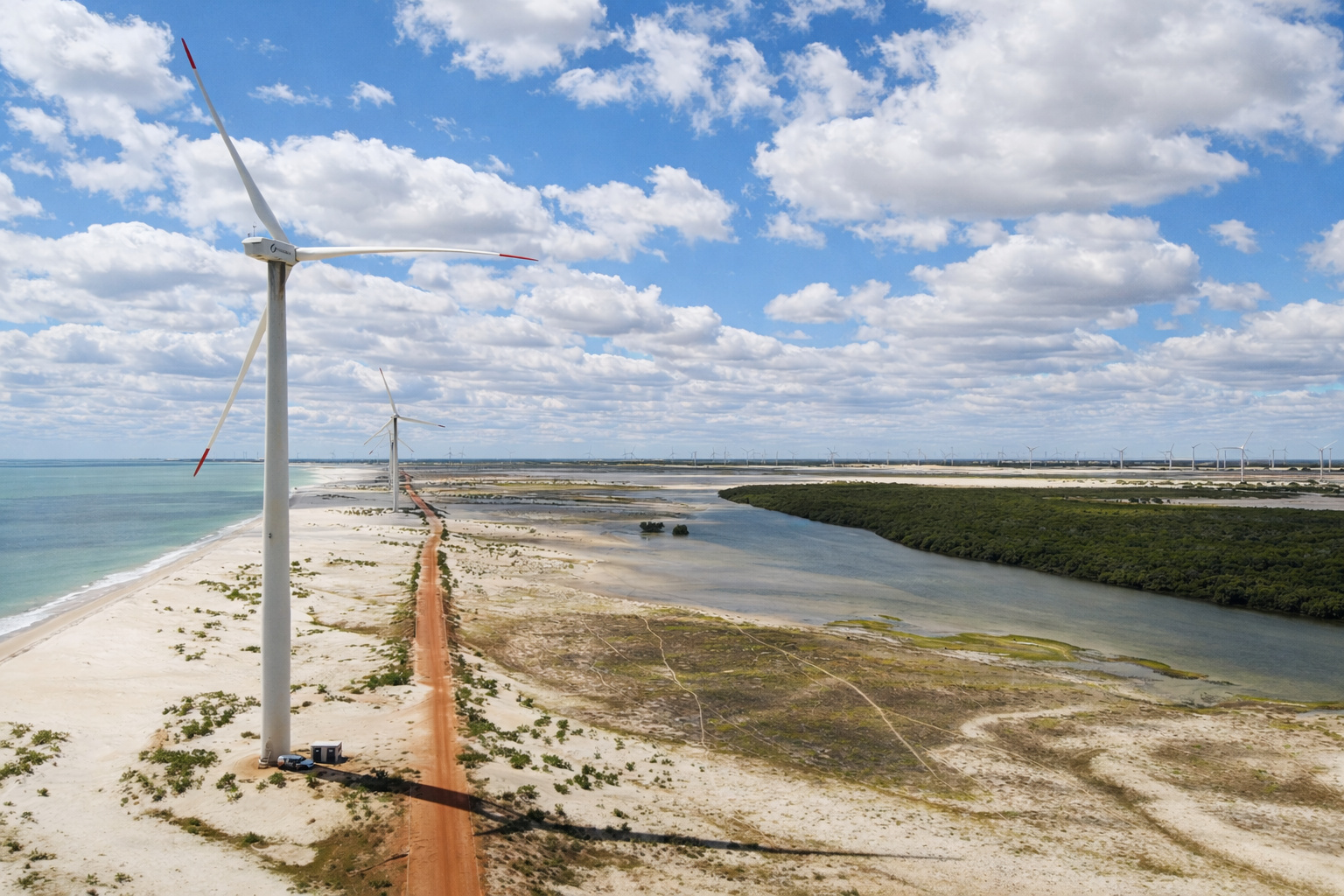
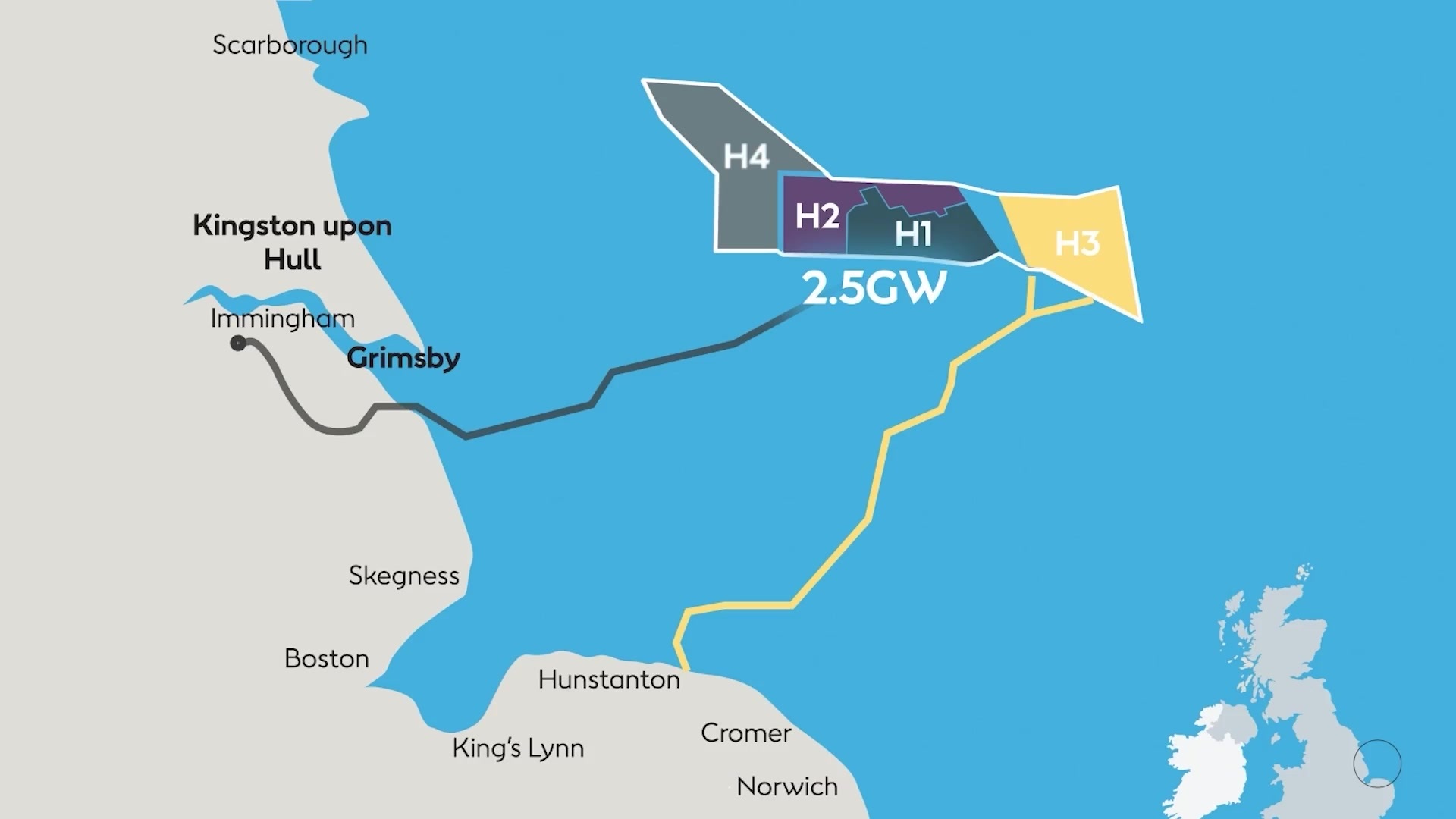
231 turbines of 260 meters at 160 km from the coast, monopiles weighing as much as nine blue whales embedded in the North Sea, and a crane ship taller than the Eiffel Tower: Hornsea 3 will be the largest offshore wind farm on the planet by 2027, and its first components have already arrived in England.
-
International Certification Puts Senai Norte on the Renewable Energy Map and Expands Access to Essential Training for Qualified Wind Power Professionals


Nuclear Traditionalism Finds Demand for Sustainability
Historically, nuclear energy has sparked caution and debate. In Brazil, since the 1970s, there have been discussions about the use of nuclear power for propulsion and energy generation.
Over time, regulatory advancements have emerged, but the standard for use in naval environments remained more restrictive. However, in recent years, as climate change gains urgency and renewable sources still face scalability limitations, nuclear — as long as it is well regulated — resurfaces as a strategic option with lower climate impact.
In this context, the cooperation between the Navy and ARN signals that the global energy transition demands more than intentions: it requires robust governance, clear standards, and international trust.
Thus, they combine tradition, technology, and environmental responsibility to enable the use of nuclear energy in the navy without compromising safety or the environment.
What the Agreement Between Brazil and Argentina Provides
The signed memorandum establishes several fronts of cooperation.
First, to promote permanent technical exchange. This involves sharing experiences on licensing, oversight, safeguards, and radiological safety.
Additionally, the parties must develop work plans with schedules, mutual obligations, and deadlines. Representatives of both institutions will monitor the actions, with periodic meetings to track progress.
The proposal also aims to harmonize regulatory standards — an essential measure for nuclear reactors onboard, such as in submarines or research vessels, to operate with international safety standards.
This cooperation gains relevance at a historic moment when nuclear technologies — such as small modular reactors (SMRs) and onboard reactors — are beginning to gain international attention. To enable them, neighboring countries need to align practices, requirements, and regulatory standards.
Sustainability and Security: Two Sides of the Same Coin
The word sustainability takes on a special meaning in this context.
By aligning regulation and oversight with rigorous standards, Brazil and Argentina demonstrate their intention to plan for the peaceful use of nuclear energy with environmental responsibility.
This includes radiological protection, control of nuclear materials, and robust safeguards, as well as transparency and governance.
Moreover, the agreement contributes to diversifying the future energy matrix, providing a low-emission alternative for maritime transport or energy generation in remote areas.
This balance between innovation, defense, and the environment shows that investments in nuclear — when well regulated —
can align with environmental goals and technological sovereignty.
The resumption of bilateral cooperation in 2025 also aligns with broader movements in nuclear governance, such as those required by the International Atomic Energy Agency (IAEA), and with treaties like the Treaty on the Non-Proliferation of Nuclear Weapons (NPT) and multilateral safeguard agreements.
The Landscape for Defense and Naval Technological Innovation
For Brazil’s naval sector, the agreement may pave the way for various innovations. Projects like the Navy Nuclear Program (PNM) and the Submarine Development Program (PROSUB) receive robust institutional backing, with greater regulatory security and consolidated international cooperation.
In a world where the demands for reliable energy and efficient maritime transport are growing, the adoption of nuclear propulsion — with appropriate regulation —
can represent a strategic advantage for Brazil.
Moreover, harmonization with Argentina strengthens regional cooperation, crucial for ensuring control, transparency, and shared trust regarding nuclear materials and practices.
Challenges Ahead and the Importance of Ongoing Governance
Even with the memorandum signed, success will depend on rigorous implementation.
It will be necessary to define detailed technical regulations, train specialized personnel, ensure effective safeguards, and maintain constant dialogue between the countries.
Furthermore, the international context demands attention: the use of nuclear energy in naval environments requires transparency, credibility, and commitment to international norms — especially in an increasingly vigilant global scenario concerning security and non-proliferation.
Therefore, the agreement signed on November 25, 2025, may represent the beginning of a new era for naval nuclear regulation.
With it, Brazil and Argentina show that it is possible to unite sovereignty, innovation, and sustainability, building a model of responsible atomic energy that is modern and prepared for the challenges of the 21st century.









Seja o primeiro a reagir!