





 Portuguese
  English
  Spanish
  4 min of reading
  0 comments


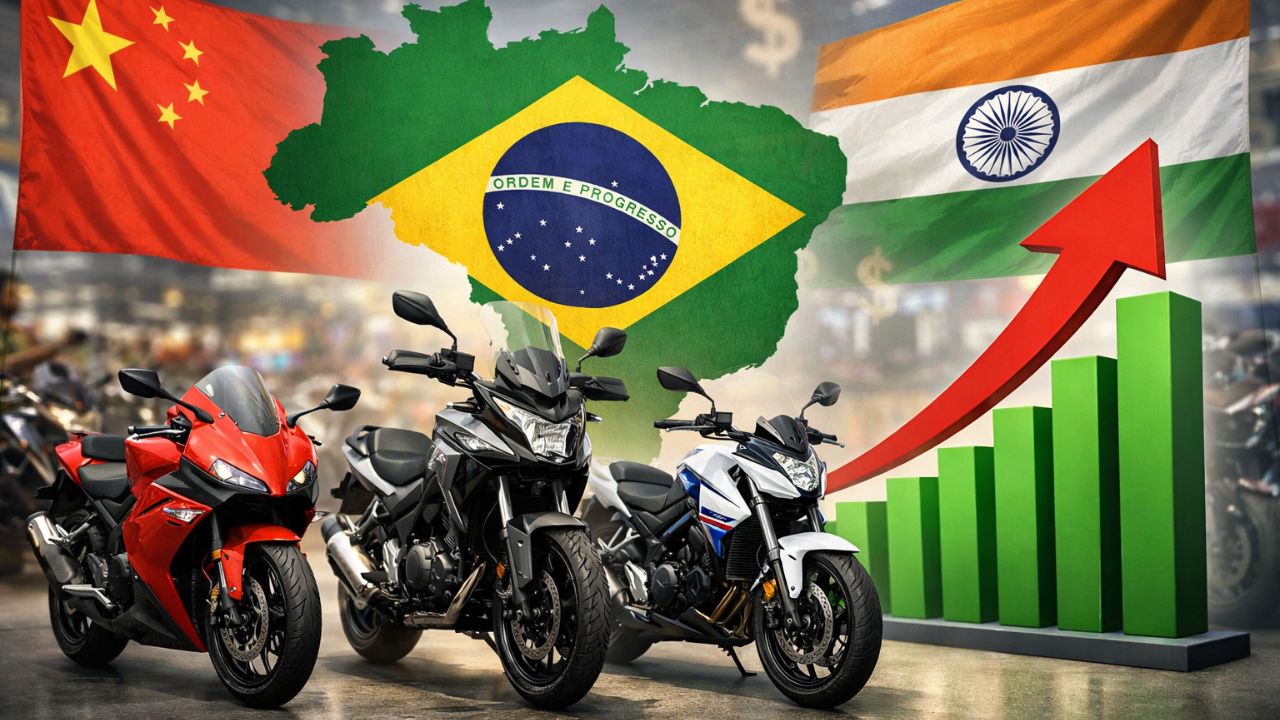
Brazil Enters Global Radar of Motorcycle Manufacturers with Arrival of New Brands in 2026, Expanding Competition, Local Production, and Options for Consumers.
The motorcycle manufacturing sector in Brazil is about to experience a significant shift in 2026, with the arrival of new motorcycle manufacturers interested in carving out space in the largest Latin American market for two-wheelers.
Among Chinese and Indian brands, several have already confirmed or indicated operations in the country, attracted by strong demand and consistently robust motorcycle sales in recent years.
These movements occur in a context where production and registrations show signs of vigor, expanding competition and options for Brazilians looking for everything from urban scooters to mid-range and adventure models.
-
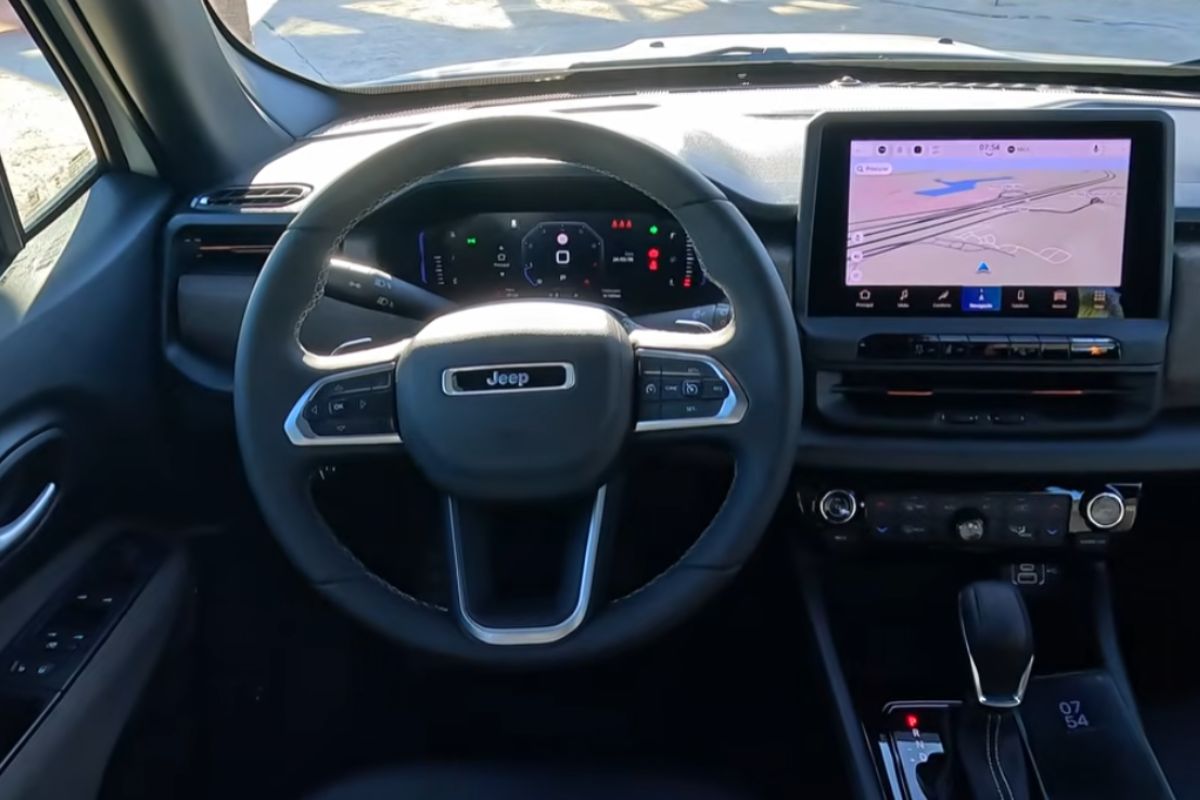
With a mild hybrid system of 48 V, 176 hp and a price of R$ 175,990 in the Sahara version, the new Jeep Renegade changes mostly on the inside, improves slightly in fuel consumption, and remains almost the same car.
-
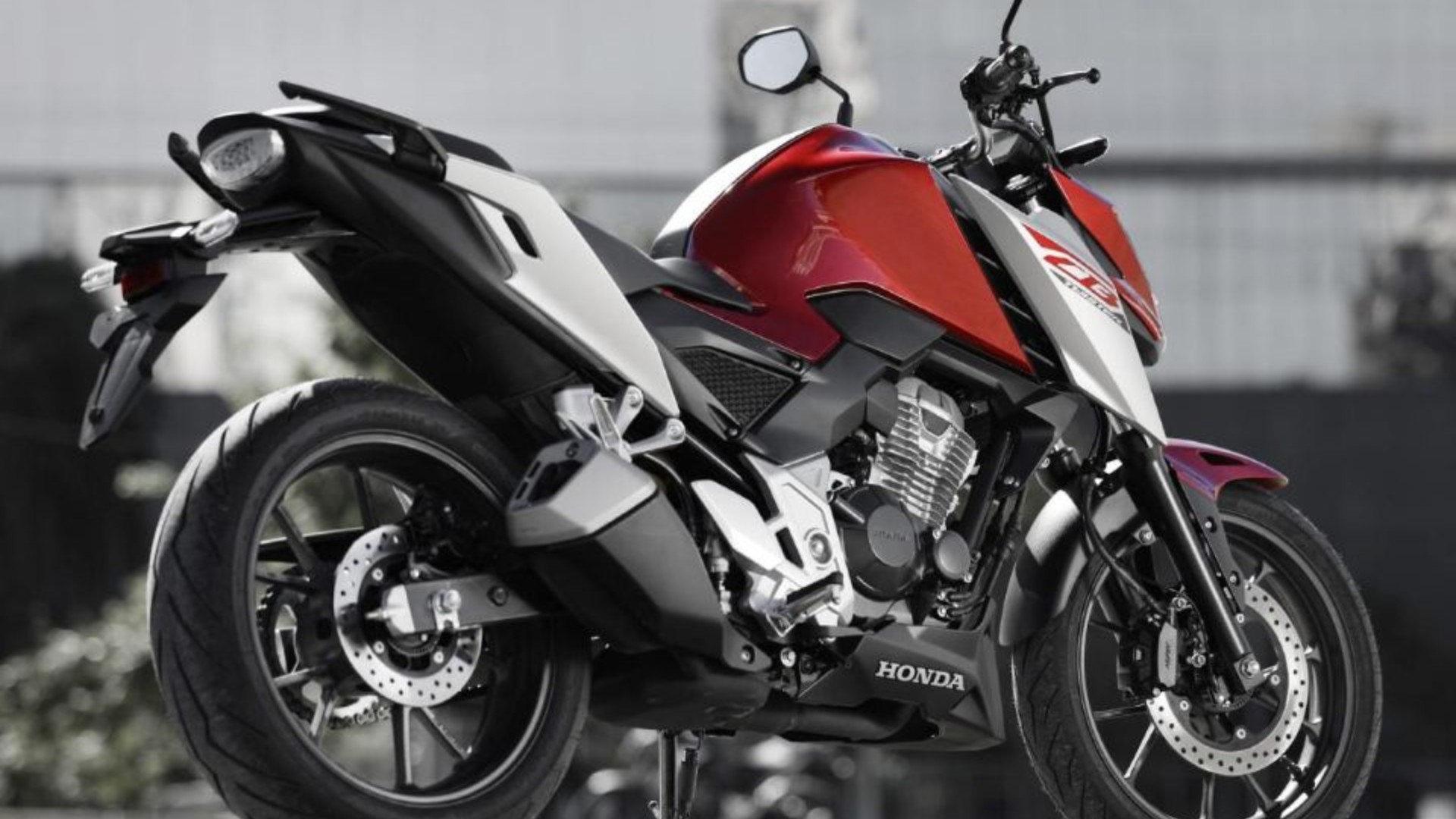
With a 293.5 cm³ engine and a range of up to 400 km with a 14.1-liter tank, the Honda CB 300F Twister 2026 has up to 24.7 hp, an initial price of R$ 25,150, and already exceeds R$ 29,000 in the Fipe Table.
-
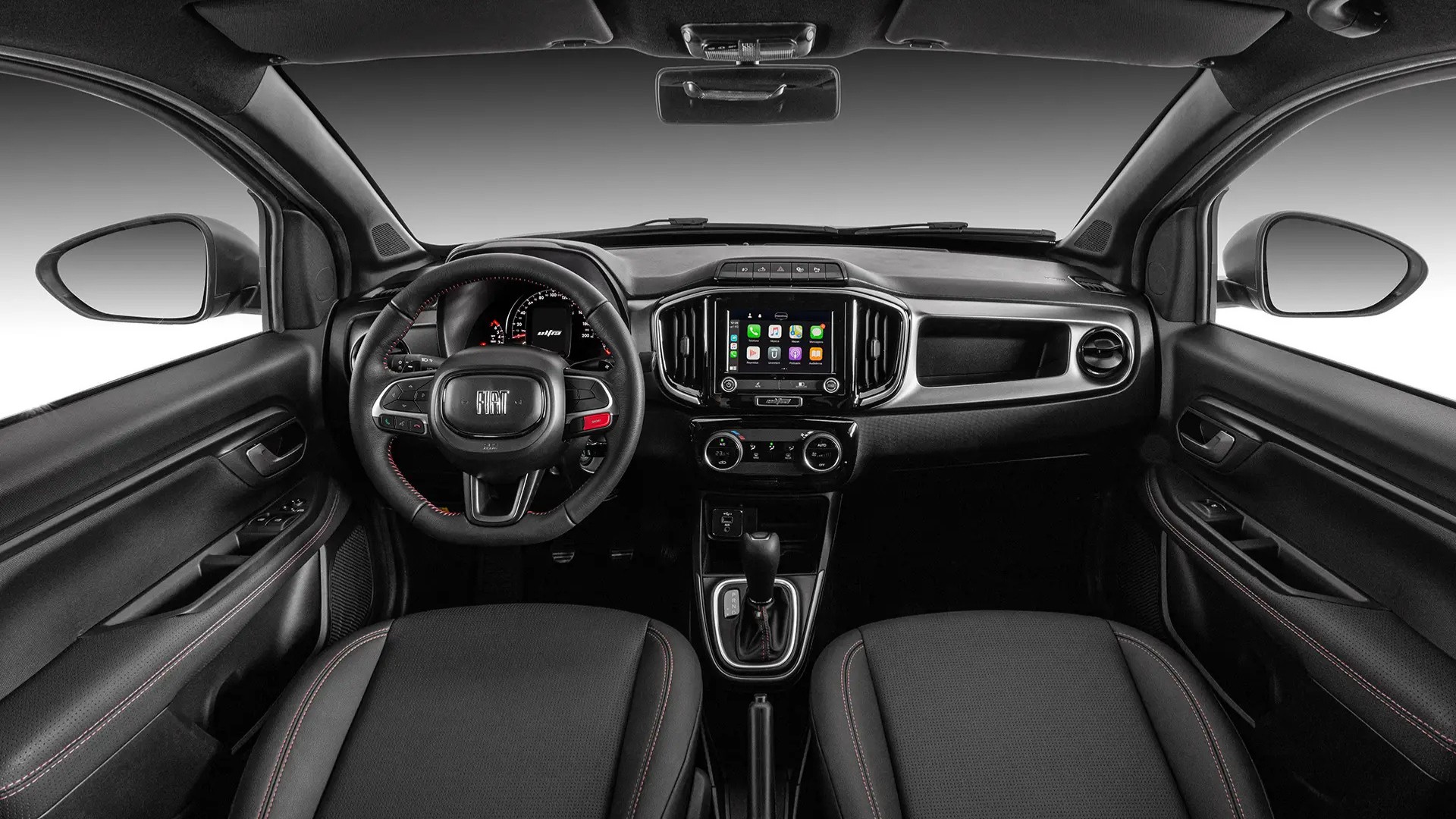
With a 1.3 engine, nearly 700 km of range, and Turbo 200, the Fiat model surpasses Polo, Tera HB20, and Onix, becoming the best-selling car in March; see the numbers for the Fiat Strada and others.
-
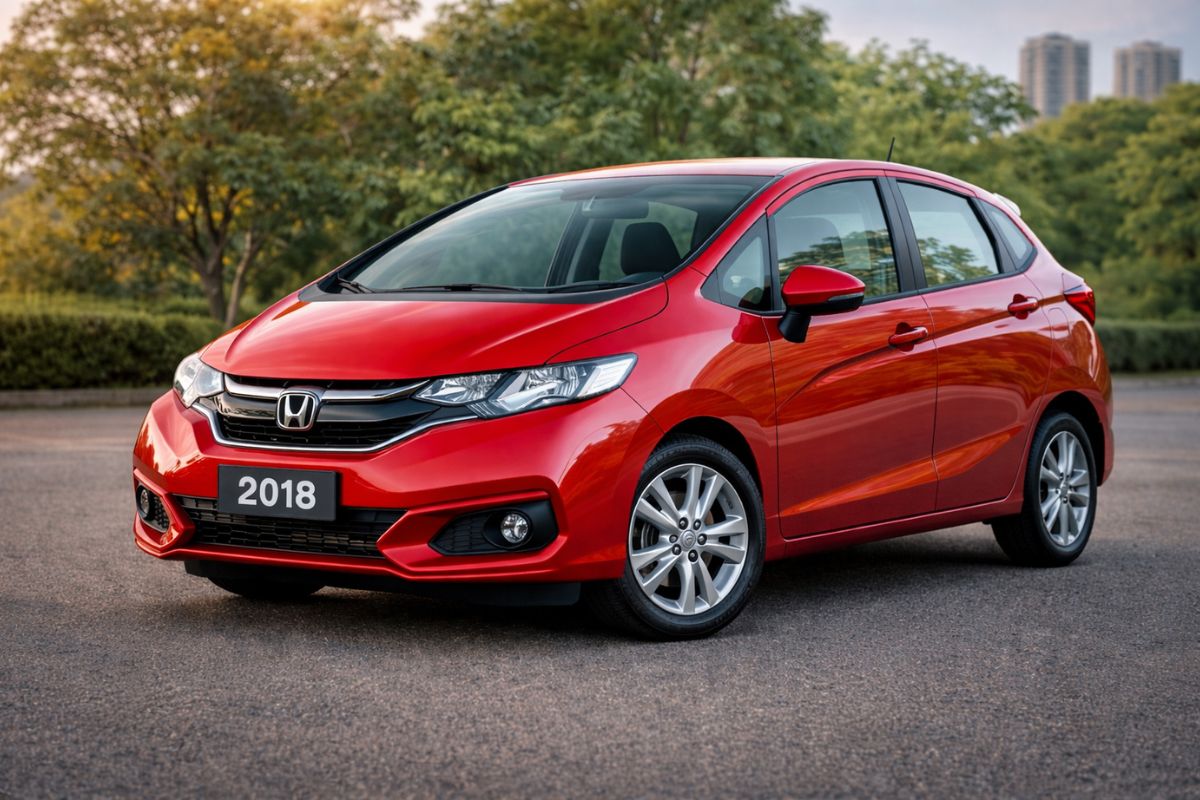
The Honda Fit has been discontinued for years, but the 2018 model is worth more today in the Fipe table than it cost brand new, proving that this used car, valued with a 1.5 i-VTEC engine and Magic Seat, only increases in price.

Change in Consumer Profile Drives New Manufacturers
The growth of new motorcycle manufacturers in Brazil accompanies a transformation in purchasing behavior.
Today, in addition to price, consumers seek design, technology, and brand identity.
This scenario has prompted companies to revise strategies and reposition products.
Shineray is a clear example of this movement. Traditionally associated with entry-level models, the manufacturer has started to bring motorcycles from the Chinese QJ Motor, betting on a more sophisticated portfolio.
This initiative indicates that there is room for products with a more premium appeal, something that until recently seemed restricted to a few brands.
Voge Bets on Local Production and Planned Debut
Within this new context, the arrival of Voge reinforces the idea that Brazil is no longer just an import market.
In December 2025, the brand officially announced its entry into the country, confirming plans to begin commercial operations in 2026.
Voge is part of the Chinese Loncin Motor group and occupies the premium segment of the manufacturer.
Unlike past sporadic debuts, the company stated that its models will be produced in Brazil, with sales expected to start in the first quarter of 2026.
Although specific models have not yet been revealed, the brand’s communication points to two global families.
The Trofeo line includes bikes between 300 cc and 525 cc, while the Valico family offers options up to 900 cc, indicating a presence in higher market segments.
CFMoto Expands Scope After Years in Off-Road
Another Chinese brand expanding the map of motorcycle manufacturers in Brazil is CFMoto.
Present in the country for about a decade, the company has always operated in the off-road segment, with ATVs, UTVs, and models aimed at off-road use.
Now, the manufacturer has confirmed it will start selling urban and road motorcycles in the Brazilian market.
The operation continues to be run by the Unique Group, but with a much broader scope.
For 2026, CFMoto has confirmed four models. Among them are the adventure bikes Ibex 450 and Ibex 700, in addition to the touring bikes CL-C 450 and CL-C 450 Bobber.
The Ibex 450, initially showcased in Europe, stands out as the brand’s main bet to capture the Brazilian audience.
TVS Considers New Phase in the Country After Previous Experiences
The Indian TVS emerges as another relevant name in this expansion process.
The company has previously had a presence in Brazil through commercial agreements, particularly selling models from the Apache line in partnership with Dafra.
Currently, its operations occur indirectly, with the TVS Sport 110i offered through an agreement with the rental company Mottu.
However, market information suggests that the manufacturer is considering a change in strategy.
The expectation is that TVS will begin to operate independently in Brazil starting in 2026, focusing on motorcycles up to 200 cc, scooters, and possibly the return of the Apache line under more favorable conditions for volume and distribution.
Hero Studies Industrial Presence in Brazil
Wrapping up the group of new motorcycle manufacturers in Brazil, the Indian Hero MotoCorp stands out as one of the most ambitious moves.
The company has a long history in the sector, including a strategic partnership with Honda in the Indian market.
Since August 2024, Hero has signaled interest in starting operations in Brazil.
A financial report presented to investors revealed plans for a production facility in the country, which caught the market’s attention.
The key point is the format of this operation.
Unlike countries where the brand operates solely with assembly of imported bikes, the report suggests that Brazil may receive a complete factory, surpassing the CKD model currently used by Royal Enfield and Bajaj in Manaus.
Brazil Finally Enters the Radar of Global Manufacturers
With the sum of these movements, Brazil consolidates its position as one of the most competitive markets in the two-wheeler industry outside Asia.
The entry of new motorcycle manufacturers is expected to increase competition, diversify the available portfolio, and accelerate changes in the sector.
For consumers, the anticipated outcome is more variety, more technology, and more competitive prices.
For the industry, the country shifts from being a supporting player to occupying a central role in the global strategies of manufacturers.
With information from Motor1







Seja o primeiro a reagir!