





 Portuguese
  English
  Spanish
  3 min of reading
  0 comments


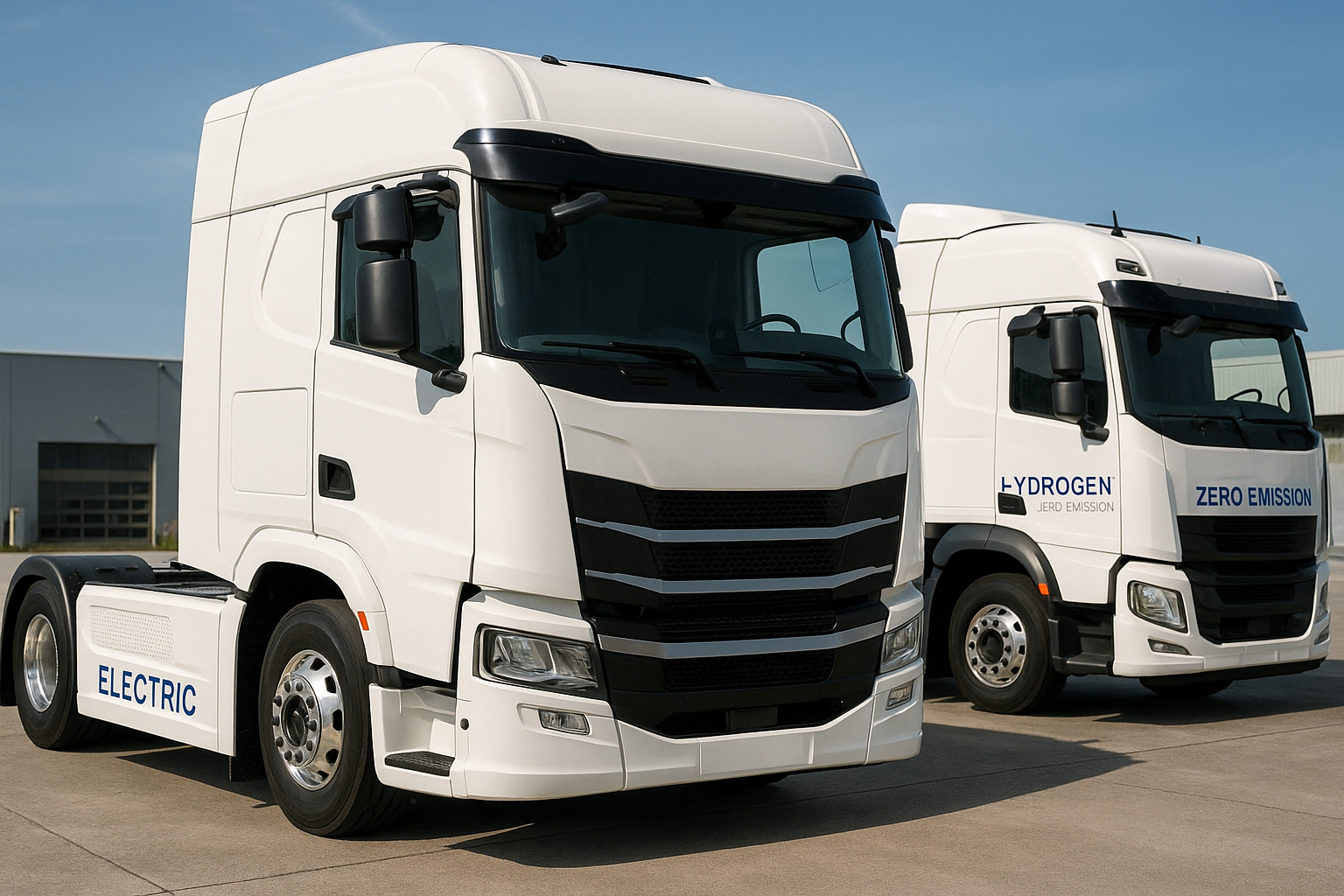
Brazil Commits to Global Efforts and Prioritizes Zero-Emission Technologies for Heavy Vehicles
The Ministry of Transportation confirmed, on November 12, 2025, its adherence to the international agreement Drive to Zero.
The agreement involves 42 countries.
It establishes a joint strategy to eliminate the sale of trucks and buses powered by fossil fuels by 2040.
The document was signed during COP30 in Belém.
The information is recorded in the records of the United Nations Conference on Climate Change 2025.
Below, see the details structured precisely with continuous transitions.
International Agreement Prioritizes Electrification and Hydrogen, While Excluding Biofuels
The agreement stipulates that only electric and hydrogen-powered vehicles are valid alternatives to replace fossil fuel-powered models.
Furthermore, the memorandum excludes vehicles that use biofuels, such as ethanol, biodiesel, and biogas.
This exclusion occurs because the criterion only considers direct emissions during vehicle use.
The Ministry of Transportation stated that the Drive to Zero coalition is led by Colombia.
The coalition uses a methodology that evaluates only emissions emitted during operation.
This criterion directly impacts the inclusion of biofuels in the agreement.
2030 and 2040 Targets Define the National Timeline
The document defines specific targets.
Thirty percent of medium and heavy vehicle sales in Brazil must be zero-emission by 2030.
The target must reach 100% by 2040.
These targets were presented during COP30 in 2025.
The technical and diplomatic participation of the Brazilian government was officially recorded.
-
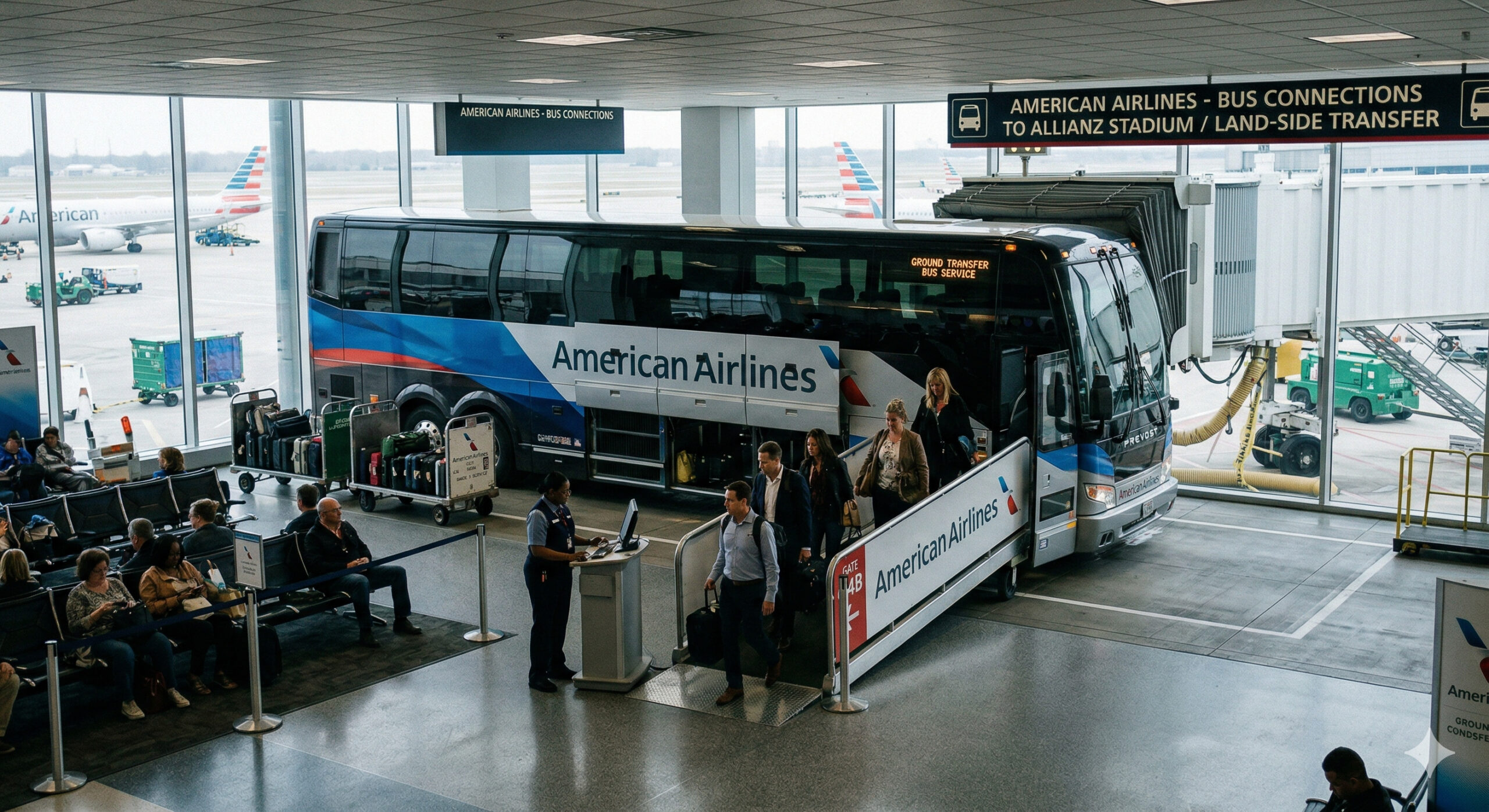
American Airlines starts selling trips as if they were flights, with check-in and baggage check at the airport, but on short routes, passengers board luxury buses connecting cities to major hubs in the U.S.
-
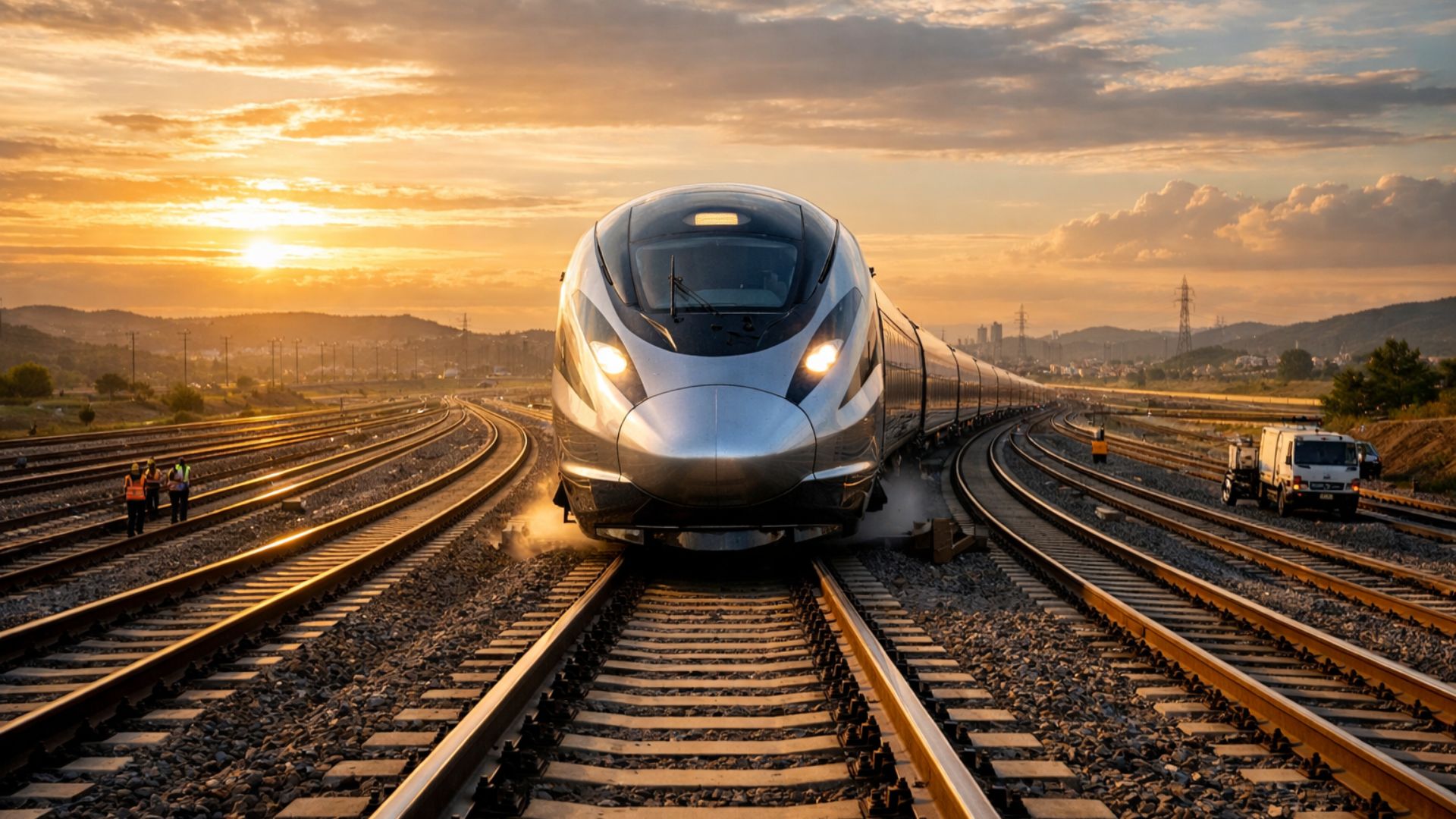
São Paulo surprises the world with a colossal railway network project that promises over 1,000 km of tracks, R$ 194 billion in investments, and 40 projects connecting the capital to the interior with fast and sustainable trains.
-
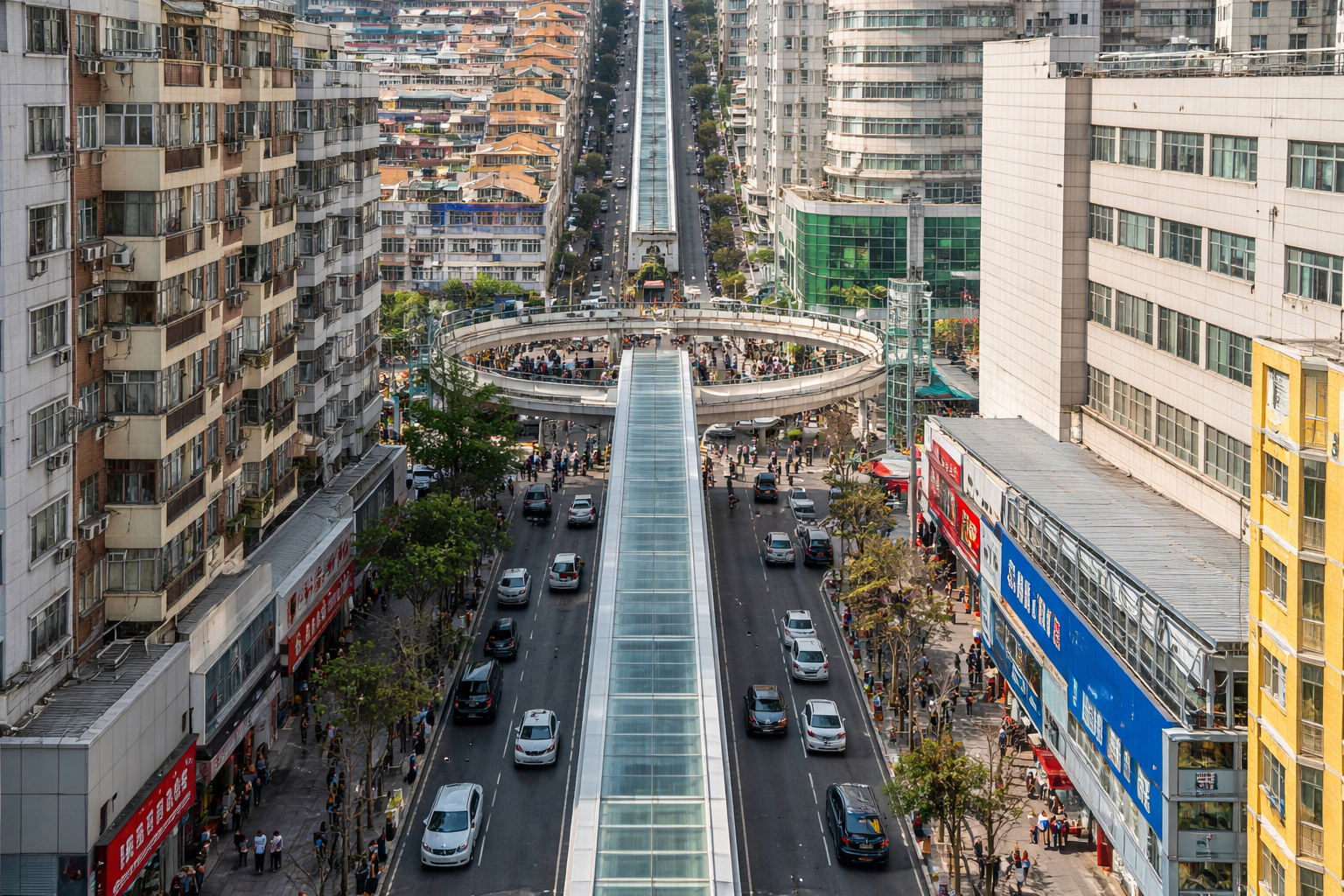
The world’s largest escalator, measuring 905 meters in China, reduces urban travel time from 1 hour to about 20 minutes and transforms mobility in mountainous regions with an engineering solution adapted to the terrain.
-
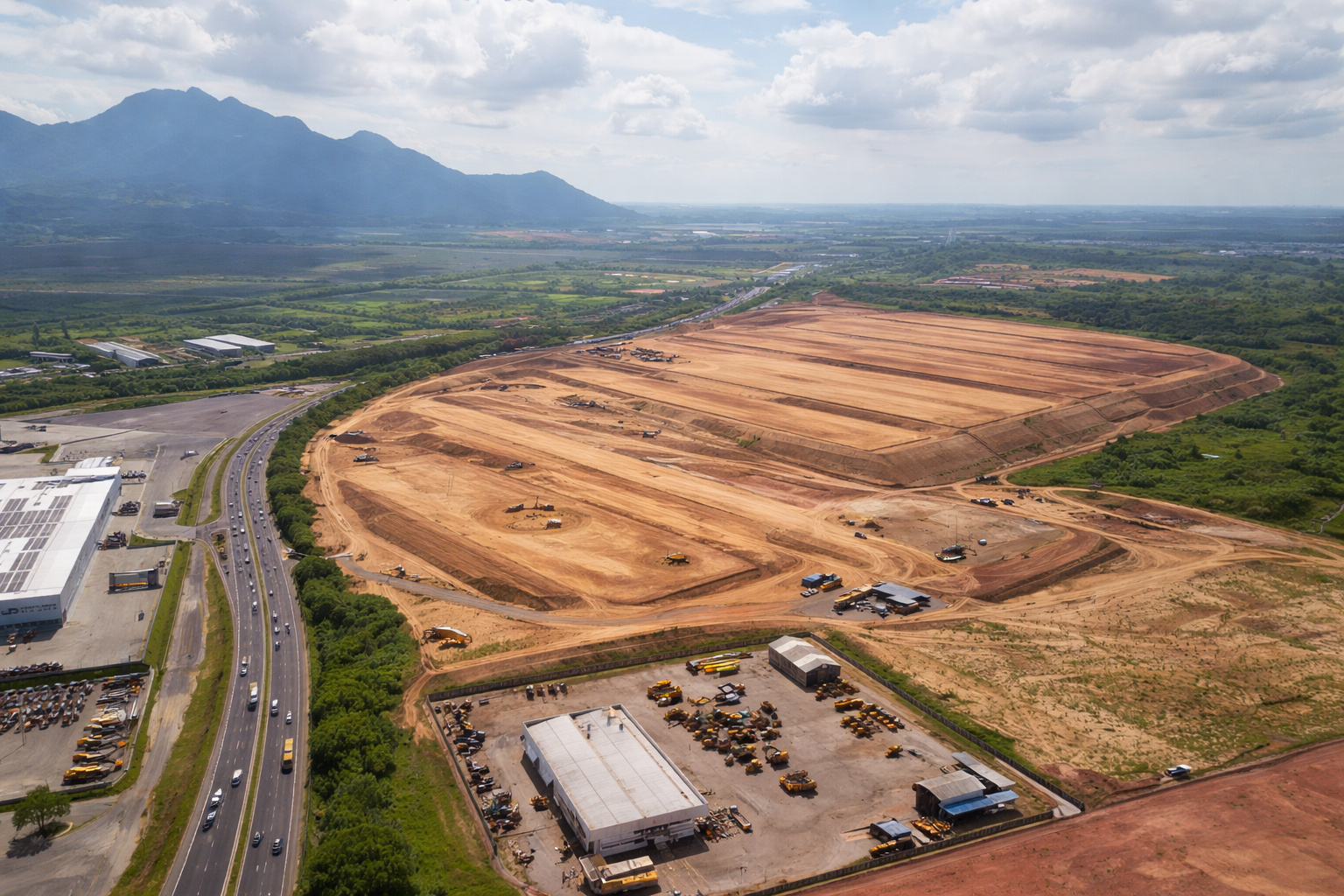
A R$ 300 million logistics giant is taking shape in Serra with over 100,000 m² and raises a question: how can this transform e-commerce and distribution in the state?

Brazilian Commitment Follows International Guidelines of the Group
After signing, Brazil must follow the coalition’s technological guidelines.
The guidelines prioritize solutions based on electrification and green hydrogen.
The technologies will be applied in the transport of cargo and passengers.
The Ministry of Transportation reinforced this guideline in an official note dated November 12, 2025.
The government asserts that international alignment provides regulatory predictability to the sector.
Decision Contrasts with Recent Proposal from President Lula
The decision differs from President Luiz Inácio Lula da Silva’s stance.
In the week prior to COP30, the president advocated a proposal to quadruple global production of sustainable fuels by 2035, including Brazilian biofuels.
This proposal was recorded at the 2025 Climate Summit and is, therefore, in the official records of the Presidency.
Thus, the divergence exposes technical differences regarding the measurement of emissions and the classification of energy sources.
Exclusion of Biofuels Follows Methodological Criteria of the Life Cycle
Initially, the coalition stated that biofuels do not fall into the category of clean energy.
Moreover, the group emphasized that the classification depends on a full life cycle assessment, including carbon absorption by crops.
However, the Drive to Zero method does not utilize this analysis.
Therefore, the category automatically falls outside the scope of the agreement.
Subsequently, Colombia presented this methodology during COP30.
Impacts on Brazilian Agribusiness
Nevertheless, biofuels remain strategic for Brazilian agribusiness.
Additionally, the agenda involves opportunities for exporting ethanol, biodiesel, and biogas.
Consequently, the sector is monitoring the regulatory developments following COP30.
Thus, the topic remains a priority for producers and exporters.










-

-

2 pessoas reagiram a isso.