





 Portuguese
  English
  Spanish
  4 min of reading
  0 comments


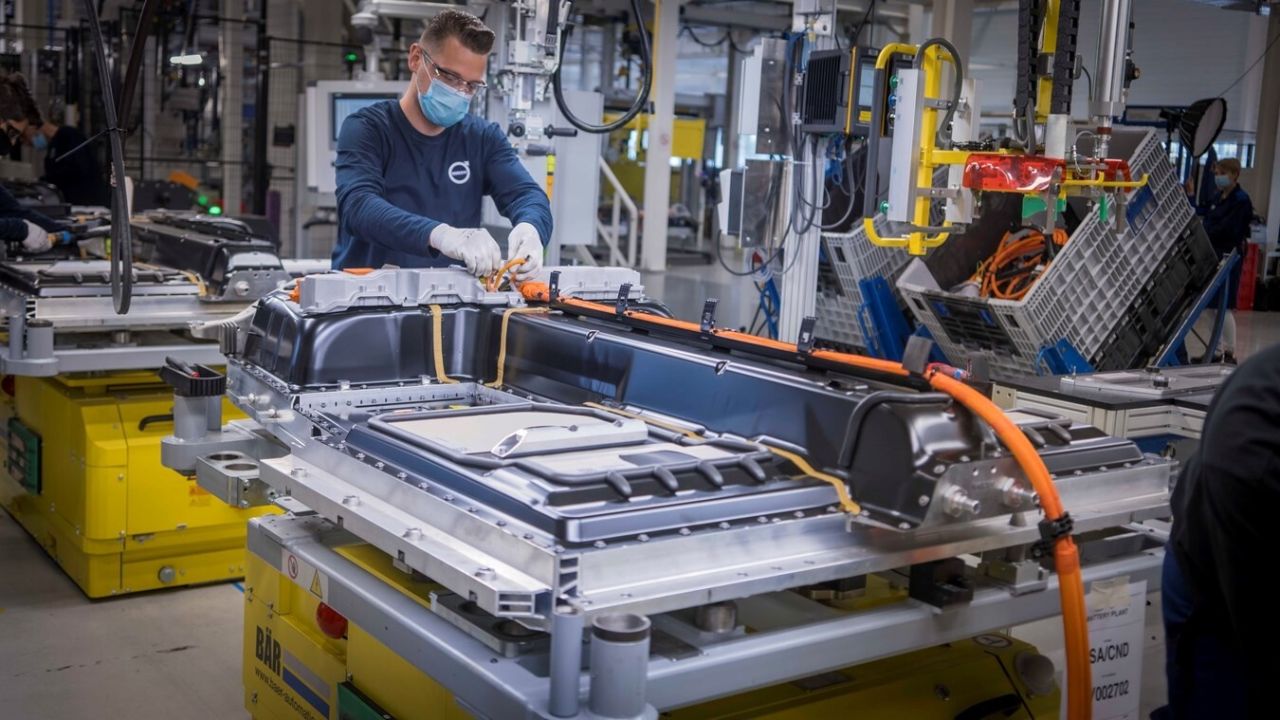
Brazil Leads Innovation With Niobium Batteries, Resulting From The Partnership Between VWCO and CBMM. With Recharge In Up To Six Minutes, Greater Safety And A Lifespan Of 20 Years, This Technology Promises To Transform The Future Of Electric Cars
Few countries in the world have the opportunity to transform a raw material into strategic technology as Brazil does today with niobium.
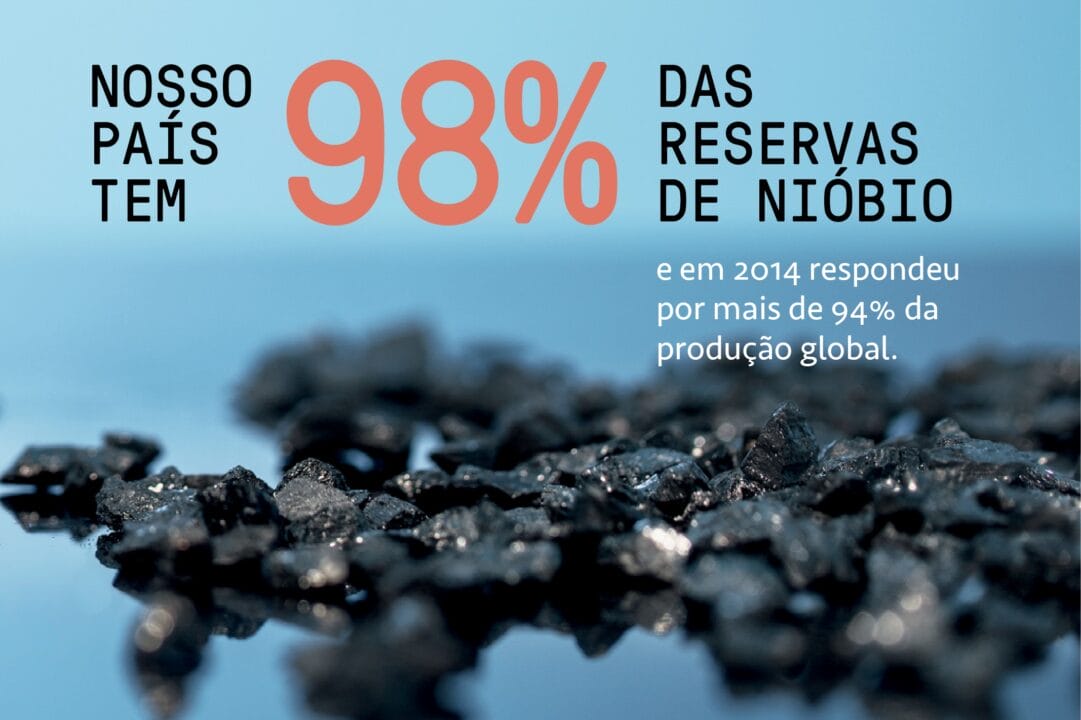
The chemical element, identified by the symbol Nb, is abundant in Brazilian territory — about 98% of known reserves are here.
This places the country in a unique position to not only export the mineral but also lead a high-value-added sector: niobium batteries, seen as a game changer for electric vehicles and energy storage systems.
-
With a price almost R$ 100 thousand lower, the Haval H9 surpasses the SW4 for the first time in March, but Toyota still leads in the accumulated total for 2026; the Chinese SUV bets on technology and premium finishing to compete at the top.
-
6 used cars that cost less than a new Honda CG 160 Titan and still provide trunk space, four seats, and comfort that many new motorcycles cannot offer.
-
Caoa Chery Tiggo 5X skyrockets in sales in Brazil: a 2,318% increase and waiting lists of up to 4 months to acquire the model.
-
Goodbye falls: Singaporean company Omoway begins production of a motorcycle that doesn’t fall and surprises the market by offering automatic balance technology that reduces accidents and transforms the urban riding experience.

What Is Niobium And Why Is It So Special
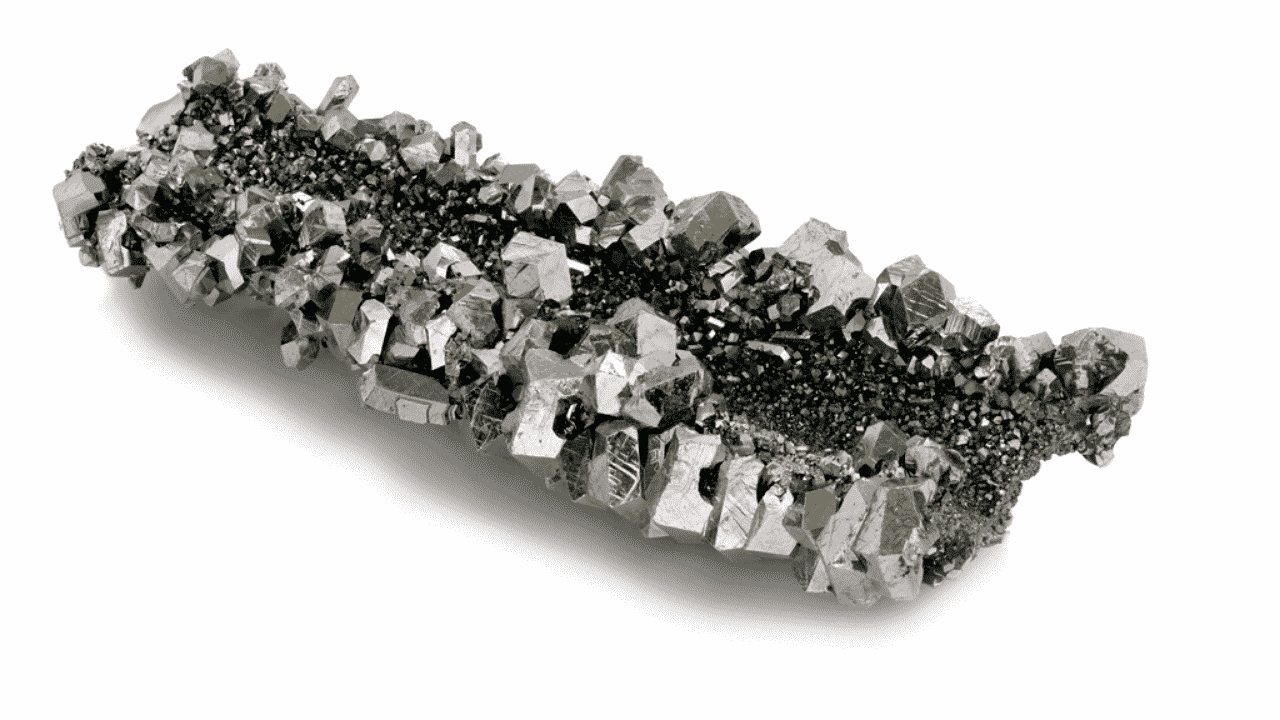
Niobium was discovered in 1801 by English chemist Charles Hatchett. Initially called columbium, the element received its definitive name decades later. With atomic number 41 and a mass of 92.9, it has physical and chemical characteristics that make it valuable in different industries.
Its main traditional application is in metal alloys. Mixed with steel, titanium, or copper, it increases mechanical strength and durability, being used in pipelines, aircraft turbines, rockets, medical devices, and even electronic equipment.
This versatility already made it strategic, but its relevance gained new dimension with the discovery that it could be applied in the energy sector.
The key difference of niobium lies in its properties: high thermal and electrical conductivity, malleability, heat resistance, corrosion resistance, and wear resistance. In practice, this allows for the creation of stronger and smarter materials capable of withstanding extreme conditions.
These attributes explain why it has been studied as an alternative for electric vehicle batteries.
The Technological Turnaround: Niobium Batteries
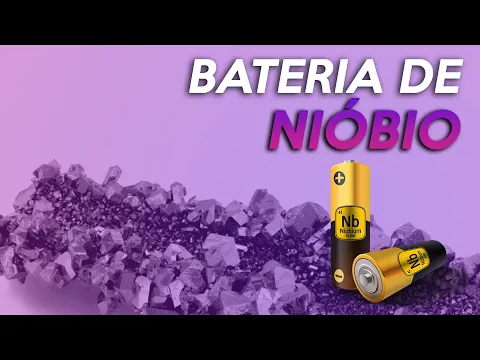
The Brazilian innovation was born from the partnership between Volkswagen Trucks and Buses (VWCO) and CBMM (Brazilian Company of Metallurgy and Mining), a worldwide reference in the extraction and application of niobium.
The aim was bold: to replace graphite, traditionally used in lithium-ion battery anodes, with niobium.
The outcome surprised the industry. Niobium batteries can achieve full charge in up to six minutes, a time comparable to refueling a combustion engine car.
This advancement eliminates one of the biggest barriers for electric vehicles: the delay in recharging.
Another highlight is the lifespan. Studies indicate that these batteries can reach up to 10,000 recharge cycles and last for nearly 20 years, far surpassing lithium-ion batteries, which tend to experience significant degradation after a few years of use.
Although the energy density is lower — meaning the range may be reduced compared to conventional lithium batteries — the trade-off comes in record recharge time and durability.
For this to work fully, a dedicated charging infrastructure will be necessary to unlock the full potential of this technology.
Advantages and Challenges
Niobium batteries offer advantages that go beyond speed. One of them is operational safety. Unlike conventional batteries, they do not degrade in extreme temperatures and present a much lower risk of fires.
For electric mobility, this represents a leap of confidence for both consumers and manufacturers.
Additionally, being more resistant and durable, they reduce maintenance and replacement costs, directly impacting the economics of electric truck and bus fleets.
This explains why VWCO was a pioneer in betting on this model: heavy transport requires batteries that can withstand long periods of operation without compromising performance.
The challenge, however, lies in scaling production, reducing costs, and creating a compatible fast-charging network.
It will also be necessary to overcome the barrier of reduced range compared to lithium, especially in passenger vehicles, where the distance traveled per charge is a decisive factor.

Brazil As A Protagonist In The Energy Future
By transforming its position from being a holder of reserves to a technological leader, Brazil stops being just a supplier of raw material.
This movement opens space to export high-tech solutions instead of just commodities, strengthening the national production chain.
Niobium batteries represent not only an innovation for the automotive sector but also for renewable energy storage systems, which require durable and safe solutions.
Solar and wind plants, for example, could be equipped with this technology, reducing costs and increasing reliability.
The world is watching Brazil’s advancement closely. If investments continue and the technology reaches industrial scale, niobium batteries could solidify as one of the main hallmarks of the energy transition.
More than an alternative, they represent the chance for Brazil to occupy a central position in one of the most strategic sectors of the 21st century.









-

Uma pessoa reagiu a isso.